





 Portuguese
  English
  Spanish
  6 min of reading
  0 comments


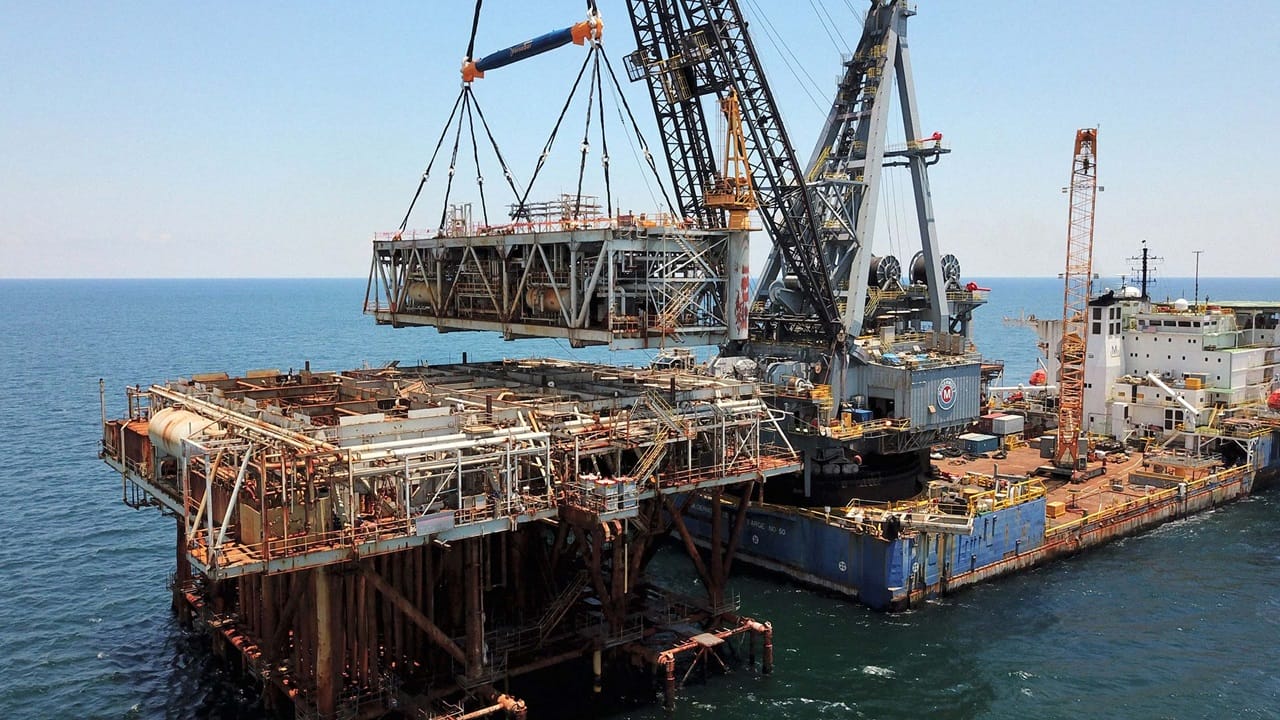
Legal Security And Regulatory Stability Play An Essential Role In Attracting Investments And In The Success Of The Decommissioning Sector, Say José Mauro Coelho, Guilherme Mercês And Mauro Destri.
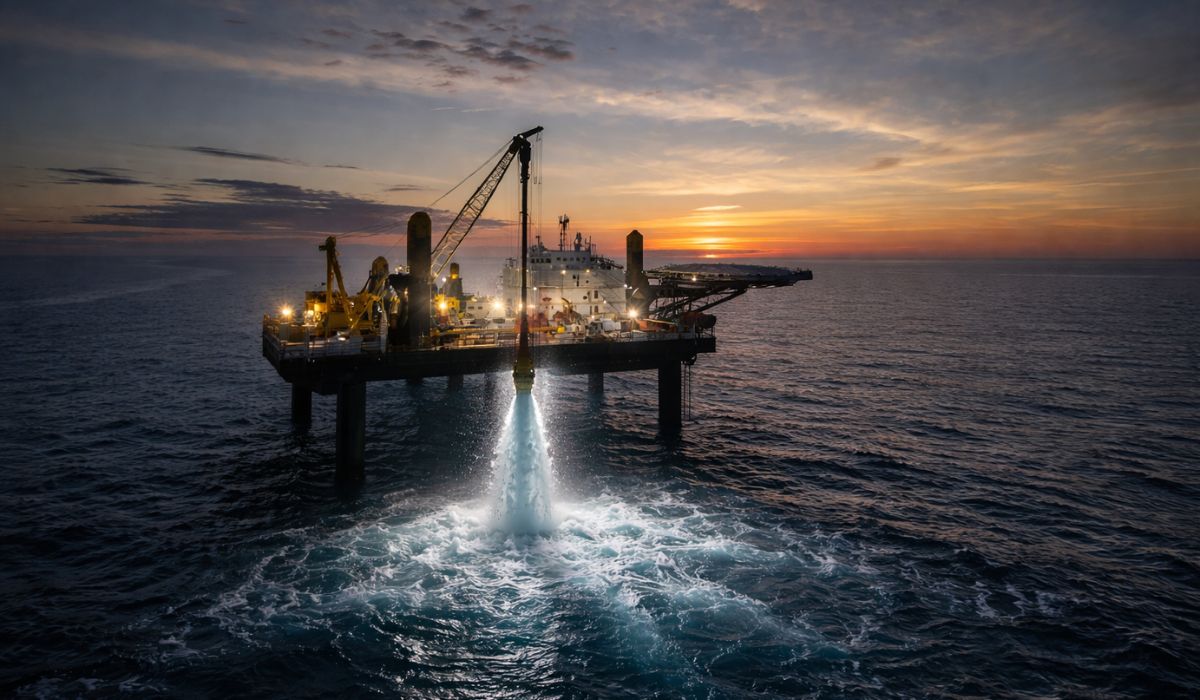
EPBR Opinion – The trajectory of offshore oil production in Brazil began more than 50 years ago, around 1968. At that time, the first discovery was made at sea, more specifically in the Guaricema field, located in the waters off the coast of Sergipe. Five years later, in 1973, the first fixed platform (P-1) for production was installed in Brazilian waters, marking a historic milestone for the national oil industry.
From this starting point, over the past decades, numerous discoveries have been made both in the shallow waters of Sergipe and in other areas along the Brazilian coast. Technological advancements have allowed us to explore increasingly greater depths and eventually reach the pre-salt, making us a global reference in the offshore oil industry today.
The Scenario Of Oil Platforms In Brazil
Brazil holds a significant number of offshore platforms for oil and gas production. Along the country’s coastline, there are more than 170 offshore installations. Among these, 55 units, both fixed and semi-submersible, have been operating for over 25 years. These platforms are located in the Sergipe basins (P-23), Campos (P-16), Ceará (P-9), and Potiguar (P-7). It is worth noting that some of these installations are currently inactive.
-
Historic bankruptcy of Centauro shocks the market, and the century-old company puts more than 500,000 products, machines, and complete infrastructure up for online auction.

-
New shoe factory in Ceará is expected to create 400 jobs and strengthen the local economy.
-
No one imagined it, but a mixture of sawdust with a mineral that fights fires surprises scientists with a result that changes the course of fire-resistant construction.

-
From empty land to a high-end house, wooden construction uses a lightweight system, metal structure for the foundation, ventilated ceramic cladding, and special windows to create an efficient and comfortable living space throughout the year.
Considering that, on average, offshore platforms have a lifespan that varies between 20 and 30 years, Brazil presents a great potential regarding the activities of decommissioning offshore oil installations.
ANP Resolution No. 817, dated April 24, 2020, defines decommissioning as the set of actions related to the definitive interruption of operations of the installations, the permanent abandonment and sealing of wells, the removal of structures, the proper management of materials, waste, and hazardous substances, and the environmental recovery of the area.
These activities involve a series of complex and meticulous processes aimed at ensuring safety, sustainability, and environmental preservation. Decommissioning includes everything from risk assessments to the treatment of contaminated materials, as well as the proper management of generated waste.
Brazil has a vast coastline filled with oil platforms that, at the end of their life cycle, need to be deactivated and removed. This scenario positions the country strategically to become a reference in this activity, generating economic benefits and creating opportunities for the development of specialized technologies and services.
Offshore decommissioning opens up a range of opportunities for both national and international companies that can offer innovative and sustainable solutions. Furthermore, the environmental recovery of exploration and production areas is critical for the preservation of marine ecosystems and for complying with international agreements related to environmental protection.
Thus, it is essential that Brazil invests in research, training, and infrastructure to position itself as a leader in decommissioning offshore platforms, leveraging the full potential that this activity offers to the country.
Offshore decommissioning represents a significant challenge for the oil and natural gas industry. With the aging of production units, this issue has become increasingly important for stakeholders in the sector, including operators, regulatory bodies, and local governments.
Currently, the National Agency of Petroleum, Natural Gas and Biofuels (ANP) has approved 82 Decommissioning Programs (PDI), with 34 of them related to offshore projects.
Worldwide, decommissioning activities are expected to attract significant investments in the coming years. This trend also applies to Brazil, which stands out as one of the main markets for this business. According to studies, global investments in offshore decommissioning could reach an astounding US$ 85 billion by the 2020s.
In the Brazilian context, the National Agency of Petroleum, Natural Gas and Biofuels (ANP) estimates that investments in decommissioning will reach R$ 57 billion between 2023 and 2027. This amount covers both onshore and offshore installations. It is noteworthy that more than half of this total will be directed toward activities related to the permanent abandonment and dismantling of wells.
It is estimated that in the coming years, approximately 7,000 wells will need to be decommissioned in Brazil, including more than 600 in the offshore environment. The Campos, Santos, and Sergipe basins are the main regions where these investments will occur. Therefore, the country has enormous potential to benefit from these economic activities.
Platform Recycling Brings New Business Opportunities For The Brazilian Industry
Petrobras is initiating the process of platform recycling in Brazil, which boosts the local industry and creates a wealth of opportunities. Even without changes in local content, the company is designing busy shipyards and enabling the growth of the sector in the country.
Shell is also following this path by deciding to recycle the platform from its first oil field in Brazil. This demonstrates the potential of decommissioning in the country, which comes with the need to develop an integrated chain of specialized services and broader technical training.
Although Brazil is at a stage of low maturity in this industry, continuous development is needed to keep up with this potential and benefit the local industry, making it even more prepared for this market.
Promoting a safe and stable legal and regulatory environment is crucial to attract investments and ensure the success of economic activities related to the decommissioning of offshore oil and natural gas installations. This is a complex task that requires significant financial resources.
In Brazil, decommissioning these installations can play a crucial role as a stimulus for economic development, as well as the creation of jobs and national prosperity. This initiative helps strengthen the sector and generates income for the population.
This article presents the authors’ view, José Mauro Coelho, Guilherme Mercês, and Mauro Destri, regarding the decommissioning of Aurum Decommissioning. It is important to note that the opinions expressed in this content are the sole responsibility of the authors and do not necessarily reflect the position of the institution for which they work or are affiliated.
Decommissioning is a critically important activity in the naval industry, especially in the Guaricema field. This involves the deactivation of oil platforms, such as P-1, P-16, P-23, P-7, and P-9, which are used in oil exploration in the pre-salt.
Aurum Decommissioning, in which the authors are partners, plays a fundamental role in this process, contributing to compliance with regulations and applicable standards. With its expertise in safety and sustainability, the company assists in carrying out decommissioning in a responsible and efficient manner.
Guilherme Mercês, one of the partners at Aurum Decommissioning, emphasizes the importance of continuous investments in research and technology to make decommissioning safer and more sustainable. He highlights that the naval industry must always strive for better practices and innovations to minimize environmental impacts and protect natural resources.
Moreover, José Mauro Coelho’s involvement in the company reinforces the relevance of decommissioning for the Brazilian oil industry. He emphasizes the need for clear and efficient regulations to guide the deactivation process of platforms, ensuring that it is carried out according to the highest standards of safety and environmental responsibility.
Mauro Destri, another partner at Aurum Decommissioning, stresses the importance of awareness and engagement from all stakeholders involved in decommissioning. He highlights the significance of clear and transparent communication, promoting mutual understanding and collaboration for a successful decommissioning.
In summary, decommissioning is a complex and essential activity for the naval industry and environmental preservation. The authors of this article, as representatives of Aurum Decommissioning, share their insights and perspectives on the subject, emphasizing the importance of investing in research, efficient regulations, and engagement from all parties involved.
Source: EPBR Agency





Seja o primeiro a reagir!