Portuguese
  Spanish


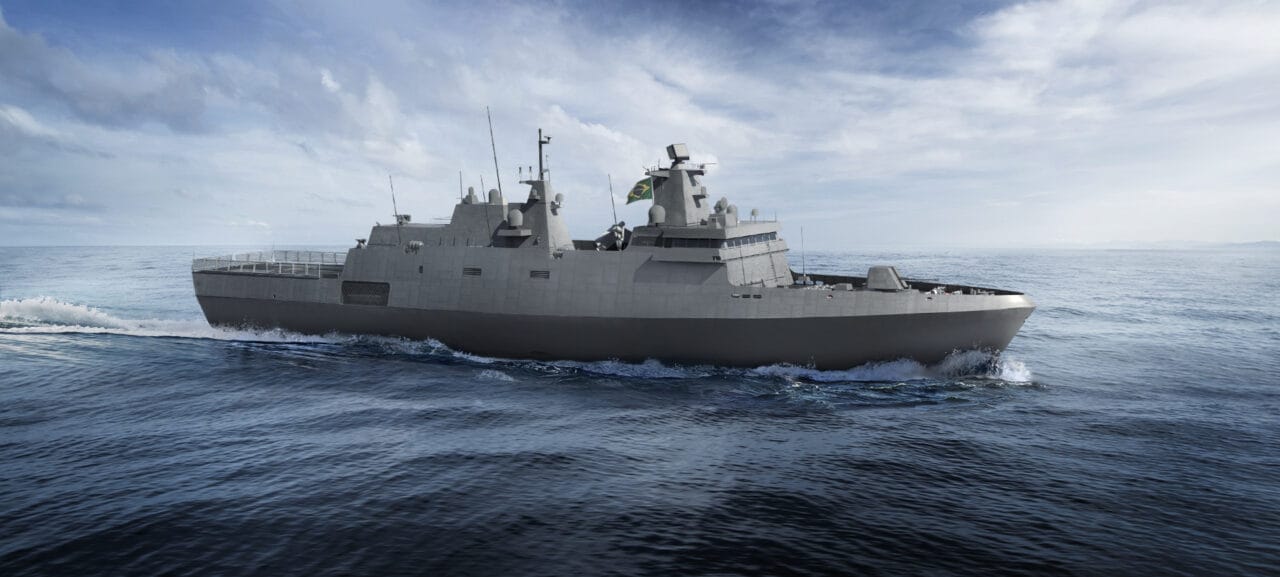

In Addition to Being Extremely Important for Defense, the Tamandaré-Class Frigates Program, Developed at the Brasil Sul Shipyard, Is Moving the Naval Industry and Opening Many Job Opportunities for Local Residents.
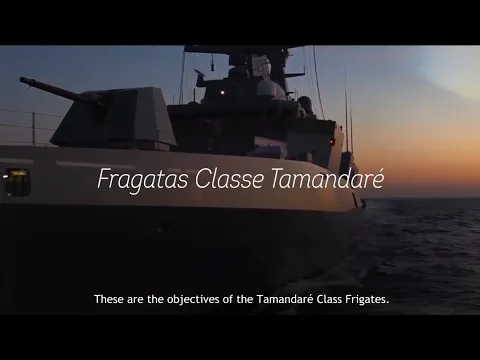
Last Wednesday, (01/11), the Thyssenkrupp Brasil Sul Shipyard, located in Itajaí (SC), was the scene of a significant internal event for Brazilian naval defense. The start of steel cutting for the second ship of the Tamandaré Class, which will be named Frigate Jerônimo de Albuquerque (F 201), was celebrated with enthusiasm. This stage represents a significant advancement in the Tamandaré-Class Frigates Program (PFCT), one of the most innovative and modern projects developed in the country. In addition to boosting the naval industry and generating various job opportunities for local professionals.
Start of Steel Cutting for the Second Ship of the Tamandaré Class Celebrates Milestone in the Frigates Program
The construction of the Frigate Jerônimo de Albuquerque will take place in parallel with the construction of the Frigate Tamandaré (F 200), which is expected to be launched in 2024.
This process reflects Brazil’s commitment to enhancing its naval defense capability, encompassing a new generation of high-tech frigates.
-
They exchanged the idea of a large house for a 35 m² warehouse, spent US$ 12,000 on the structure, and created a tiny house in Colorado with space to live and work.

-
While modern cities rely on pumps and electricity, in Iran, ancient tunnels carried water through the desert using only slope and gravity.
-
Instead of sending families far from the city, a project in Chile intentionally created incomplete houses on expensive urban land and left technical space for each to grow.
-
General Motors Replaces Over a Thousand Workers with 50 Cobots at Electric Vehicle Plant, UAW Union Criticizes Move Amid Industry’s Automation Push

The event was attended by various authorities and executives involved in the PFCT.
Among those present were Vice Admiral Koga, representing the Brazilian Navy, Vice Admiral Pontes Lima, from the Naval Projects Management Company (EMGEPRON), Fernando Queiroz, CEO of Águas Azuis, and Holger Tepper, CEO of Thyssenkrupp Brasil Sul Shipyard, along with other leaders from the participating institutions.
Thyssenkrupp Brasil Sul Shipyard Starts Construction of Frigate Jerônimo de Albuquerque (F 201) and Will Generate Many Job Opportunities for Naval Industry Professionals
Additionally, the event marked the third anniversary of the Tamandaré-Class Frigates Program.
Since 2017, this program has been conducted by the Brazilian Navy, executed by Águas Azuis and managed by EMGEPRON.
The PFCT aims to create four high-tech defense ships within the national territory, strengthening the protection capabilities of Brazilian Jurisdictional Waters (AJB).
One of the goals of the PFCT is technology transfer and the promotion of shipbuilding and the naval industry in Brazil.
It is estimated that the program, as a whole, could generate around 2,000 direct job opportunities and 6,000 indirect ones, significantly contributing to the country’s economy and technological development.
With the construction of the Tamandaré-Class Frigates, Brazil reaffirms its commitment to defense and the naval industry, establishing a new milestone in the protection of Brazilian territorial waters and creating job opportunities for thousands of Brazilians.
See: Tamandaré-Class Frigates Program