





 Portuguese
  English
  Spanish
  3 min of reading
  1 comment


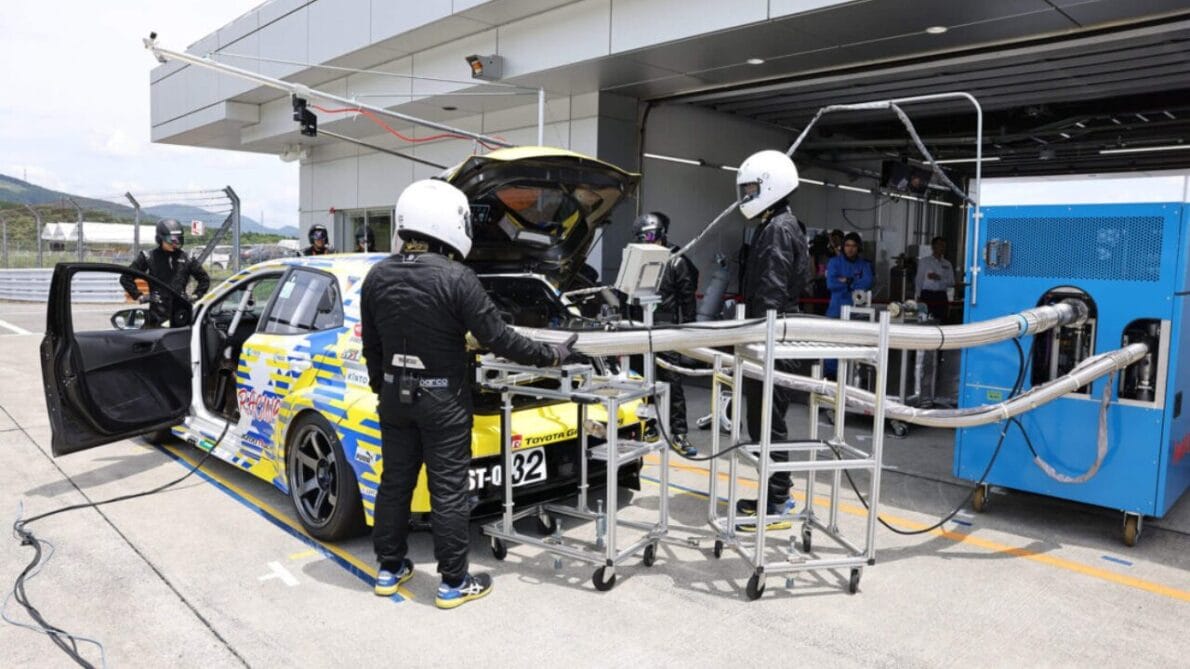


Meet the GR Corolla H2 Concept from Toyota, the First Car with a Liquid Hydrogen Engine. Discover the Advantages of This Innovative Fuel and How It Is Changing Motorsports for a Sustainable Future
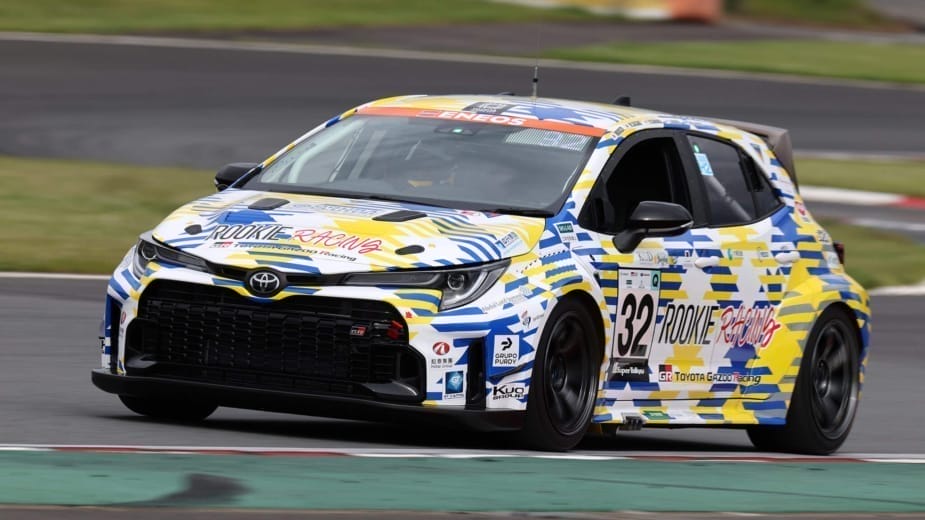
No one expected it, but once again, the Toyota brand surprises us again. Toyota has taken a revolutionary step with the GR Corolla H2 Concept, a car powered by liquid hydrogen. This innovative technology, presented at the 24-hour Super Taikyu race in Fuji, Japan, promises to change the way we understand fuel for vehicles and engines.
The Bet on Liquid Hydrogen as Fuel for Combustion Engines
The GR Corolla H2 Concept is the first vehicle to compete using liquid hydrogen as fuel. Toyota has been developing this technology since 2021, initially with gaseous hydrogen. Liquid hydrogen as fuel for the engine represents a significant breakthrough, as it increases energy density and vehicle range, allowing for more efficient competition. Something never seen before.
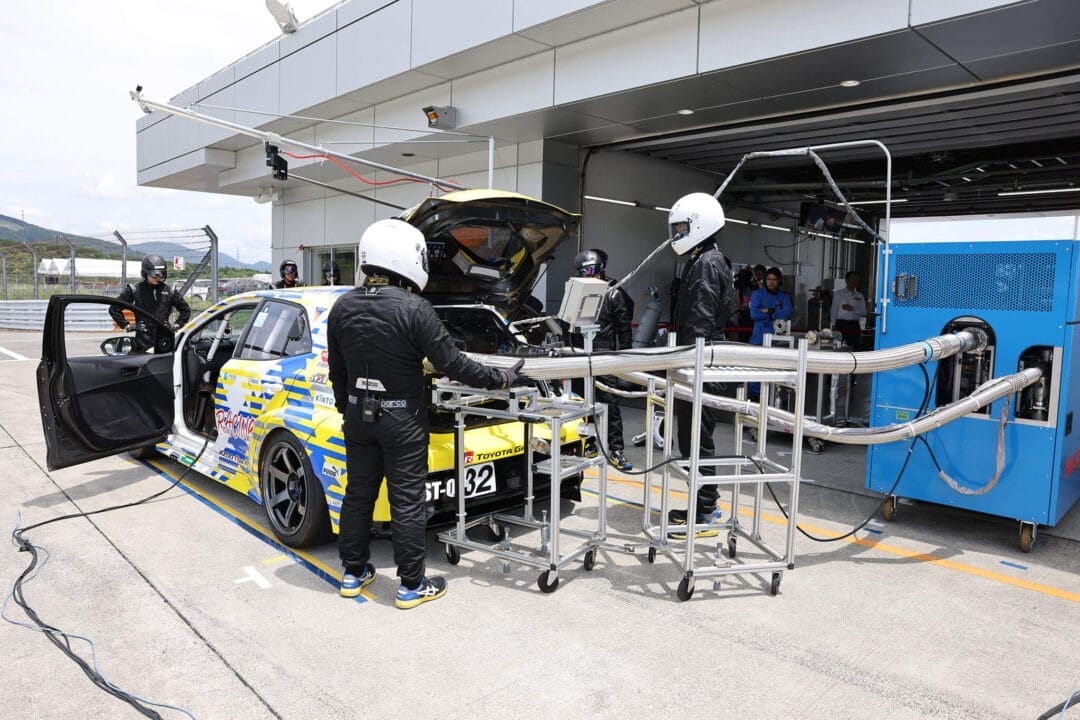
The Advantages of Liquid Hydrogen
Liquid hydrogen has several advantages over its gaseous counterpart:
-
Less than a Tera TSI, up to 710 km of range and charging in 9 minutes: the new BYD Song Ultra expands the Chinese brand’s bet on increasingly faster, more technological, and competitively priced electric SUVs.

-
With a 1.0 engine producing 75 hp and costing less than R$ 70,000, Fiat’s car returns to the podium as the cheapest in the country; a temporary promotion for the 2026 Like version reduces the price of the Fiat Mobi.
-
With a mild hybrid system of 48 V, 176 hp and a price of R$ 175,990 in the Sahara version, the new Jeep Renegade changes mostly on the inside, improves slightly in fuel consumption, and remains almost the same car.
-
With a 293.5 cm³ engine and a range of up to 400 km with a 14.1-liter tank, the Honda CB 300F Twister 2026 has up to 24.7 hp, an initial price of R$ 25,150, and already exceeds R$ 29,000 in the Fipe Table.


- Higher Energy Density: This allows for greater range, doubling the capacity of previous tanks.
- More Compact Service Stations: Liquid hydrogen stations require less space and can be installed in pit areas alongside gasoline stations, facilitating refueling during races.
- Efficiency in Refueling: There is no need to pressurize liquid hydrogen, allowing multiple vehicles to be refueled consecutively without the need for additional compression equipment.
What Are the Challenges of Liquid Hydrogen?
Despite its benefits, liquid hydrogen also faces several challenges worth mentioning:
- Extremely Low Temperature: It must be maintained at temperatures below -253°C, requiring advanced technology in fuel pumps and tanks to prevent evaporation.
- Pump Technology: Fuel pumps need to operate efficiently at these low temperatures, which presents a significant technical challenge.
- Regulations and Safety: Specific standards must be established for the safe handling and storage of liquid hydrogen in vehicles.
Technological Innovations
Toyota has implemented several innovations in the GR Corolla H2 Concept to enhance its performance. One of the most notable is CO2 capture technology, which allows the car to absorb carbon dioxide from the air while driving, further reducing its environmental impact. In addition, oval-shaped tanks have been developed, optimizing space and increasing the storage capacity of liquid hydrogen. The durability of the fuel pumps has also been improved, allowing for more efficient refueling and extending the lifespan of these essential components for the engine.
Collaboration and Continuous Development
The development of the GR Corolla H2 Concept is the result of close collaboration between Toyota and various Japanese universities, including the University of Tokyo and Waseda University. These partnerships aim to reduce the weight of engines and improve the efficiency of liquid hydrogen systems, with the goal of making these vehicles more accessible and efficient for the future.


The Future of Hydrogen as Fuel in Combustion Engines and Motorsports
Toyota sees hydrogen as a key piece for a carbon-free automotive future. The company plans to continue developing both gaseous and liquid hydrogen, leveraging their respective advantages for different applications. This long-term vision includes participation in competitions like Le Mans, where hydrogen is expected to play a crucial role in the next generation of racing vehicles.
Thus, with its innovations in liquid hydrogen, Toyota is not only redefining the future of motorsports but also advancing toward a more sustainable and carbon-free world. The introduction of liquid hydrogen-powered engines demonstrates Toyota’s commitment to innovation and sustainability, offering a viable and efficient alternative to traditional fuel.








Faltou falar do custo do hidrogênio: há notícias de que nos EUA saltou de 6 para 30 dólares o kg!