





 Portuguese
  English
  Spanish
  5 min of reading
  0 comments


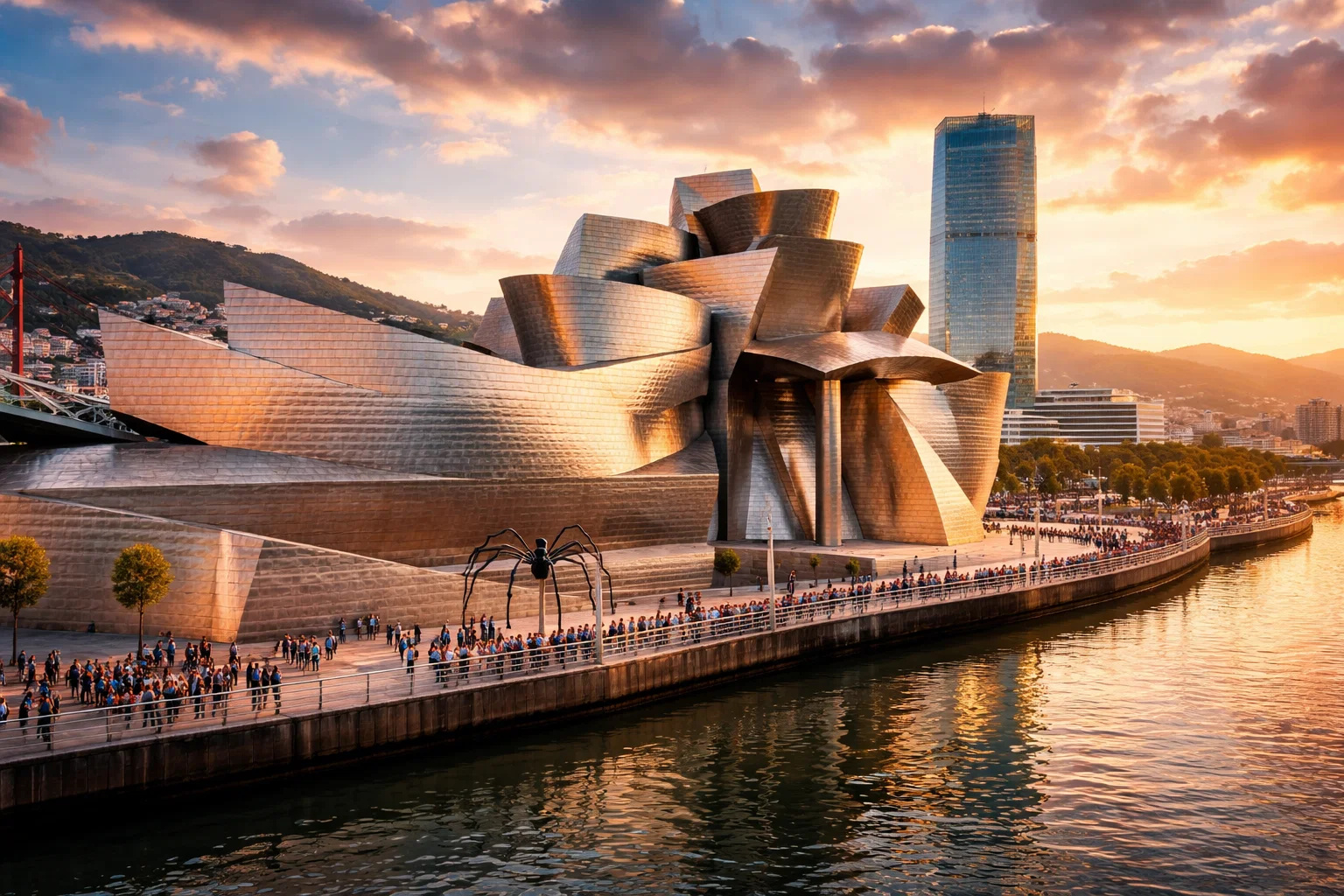
A Megaproject Of Steel, Glass And Titanium Inaugurated In 1997 Changed The Destination Of Bilbao, An Industrial City In Crisis, And Revealed To The World How Engineering, Architecture And Urban Planning Can Redefine An Entire Local Economy
An industrial city plagued by unemployment, pollution, and closed factories bet millions on a megaproject that many considered risky. The plan seemed too bold for a region that had lost much of its economic strength.
Even so, the Basque government decided to move forward. Instead of old abandoned industrial land, a structure that seemed to come out of a futuristic laboratory would arise.
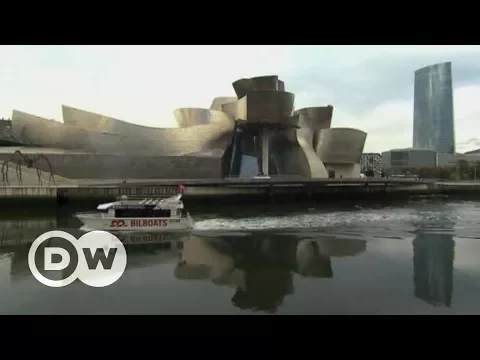

When the Guggenheim Museum of Bilbao opened its doors in 1997, few imagined that this building clad in curved titanium would change not only the city’s landscape but also its economy.
-
These living root bridges and ladders are over 700 years old and help indigenous people survive in one of the rainiest regions in the world.

-
From sertanejo star to international investor: Ana Castela invests millions in a mansion in the USA, creates a themed accommodation in Orlando, and shows that the “boiadeira” also wants to grow away from the stage.

-
The 10 most stunning motorhomes in the world: a $3 million trailer with a rooftop nightclub and garage for a Ferrari, “palaces on wheels” with Italian marble, private cinema, and five-star hotel luxury for billionaires.
-
Trump wanted to spend $400 million on the White House, but the courts prohibited the million-dollar construction.


What began as an urban gamble turned into one of the most studied cases on the planet when it comes to urban engineering, iconic architecture, and economic recovery.
The Industrial Crisis That Confronted Bilbao With A Giant Urban Challenge
Before becoming an internationally known cultural destination, Bilbao faced a difficult scenario. For decades, the city thrived with steel mills, shipyards, and heavy industries.
When this model began to collapse in the final decades of the last century, the impact was immediate.
Factories closed, jobs disappeared, and entire industrial areas became abandoned around the Nervión River, which also suffered from high levels of pollution.
Estimates indicate that, during that period, thousands of jobs related to heavy industry disappeared. Part of the population left the city in search of opportunities in other regions of Spain.
Bilbao needed to reinvent itself.
The answer came through an urban transformation plan that involved infrastructure, public transportation, and an architectural megaproject that would become the symbol of this change.
The Futuristic Megaproject By Frank Gehry That Transformed Steel And Titanium Into An Icon Of Contemporary Engineering
To lead the museum project, Canadian architect Frank Gehry was chosen, known for bold structures and unconventional shapes.
The result was a building that seems to defy traditional architectural rules.
The curved surfaces clad in titanium plates reflect sunlight and change appearance throughout the day. The whole creates a sense of movement, as if the structure is in constant transformation.
The museum covers about 32,500 square meters and was built along the banks of the river that cuts through the city.
According to architecture experts, one of the challenges of the megaproject lay precisely in the complex geometry of the building. The organic shapes required advanced solutions in digital modeling and structural engineering to make construction possible.
This level of technical innovation helped establish the museum as one of the most emblematic buildings in contemporary architecture.
The Economic Effect That Surprised Urban Planners And Put Bilbao On The World Map
When the museum opened its doors, the impact was immediate.
The number of visitors exceeded expectations in the first year. Bilbao, which until then did not appear on major European tourist itineraries, began receiving visitors from various countries.
Studies indicate that the museum attracts about 1 million visitors per year, boosting hotels, restaurants, and local commerce.
According to estimates released by economic analyses of the project, the accumulated financial impact exceeded hundreds of millions of euros over the years.
This phenomenon got a name among urbanism experts: Bilbao Effect.
The term has thus come to be used to describe when a cultural or architectural project manages to provoke a significant economic and urban transformation in a city.
The Technical Secret Behind The Project That Became A World Reference In Urban Engineering
The success of the Guggenheim lies not only in the bold aesthetics of the building.
Urban planners point out that the museum was part of a broader plan for restructuring the city.
At the same time the building was under construction, Bilbao was investing in the environmental recovery of the river, modernizing the transportation system, and creating new public spaces.
Among the initiatives implemented during that period were urban mobility projects and revitalization of the old port areas.
This set of actions helped create a favorable environment for the growth of tourism and new economic sectors linked to services and culture.
According to specialists, the museum acted as a catalyst. It drew international attention and accelerated investments throughout the region.
Why Other Cities Tried To Copy The Model And Almost None Managed To Repeat The Same Results
After the success of Bilbao, several cities around the world tried to reproduce the strategy.
The idea seemed simple in theory: build a large cultural building signed by a famous architect and wait for tourism to grow.
In practice, results rarely matched.
Experts explain that Bilbao’s case was the result of a rare combination of factors. Among them were integrated urban planning, public investments in infrastructure, and a clear strategy for the economic repositioning of the city.
The museum became only the most visible piece of a much larger transformation.
Today, Bilbao is cited in universities and urban studies as an example of how architecture, engineering, and urban planning can redefine the economic destiny of an entire city.
The story draws attention because it reveals something that few works can achieve. A cultural building became the turning point for an industrial city in crisis and showed that engineering and urban planning can completely alter the course of a local economy.
And you, do you believe that large architectural projects can truly transform entire cities or does this type of change depend on much more factors?








-

-

2 pessoas reagiram a isso.