





 Portuguese
  English
  Spanish
  4 min of reading
  0 comments



Bill Aims to Promote Markets for Green Diesel and SAF in Brazil, Encouraging the Use of Vegetable Oils and Compulsory Sustainable Energy Targets.
The Fuel of the Future has been the subject of debates and discussions about the best way to make the energy matrix more sustainable and environmentally friendly. Various technologies and alternatives are being studied to enable the transition from fossil diesel to cleaner and renewable fuels, thereby reducing the emission of polluting gases. The development of biodiesel and biomethane has shown promise and is increasingly being highlighted as a viable option to gradually replace conventional diesel.
One of the highlighted alternatives is HVO (Hydrotreated Vegetable Oil), also known as renewable diesel, a product derived from vegetable oils and animal fats that has characteristics very similar to those of fossil diesel, with the advantage of being produced from renewable sources. In addition to HVO, other biofuels are also being studied, such as biogas and other green products, which promise to revolutionize the fuel industry. The search for more sustainable alternatives and the introduction of innovative technologies are fundamental steps to ensure a cleaner and environmentally responsible future.


Fuel of the Future
I am not willing to include the coproduced fuel in the Fuel of the Future proposal, he stated to EPBR agency. The report has not yet been presented. According to Jardim, it is expected to be concluded in the coming weeks.
-
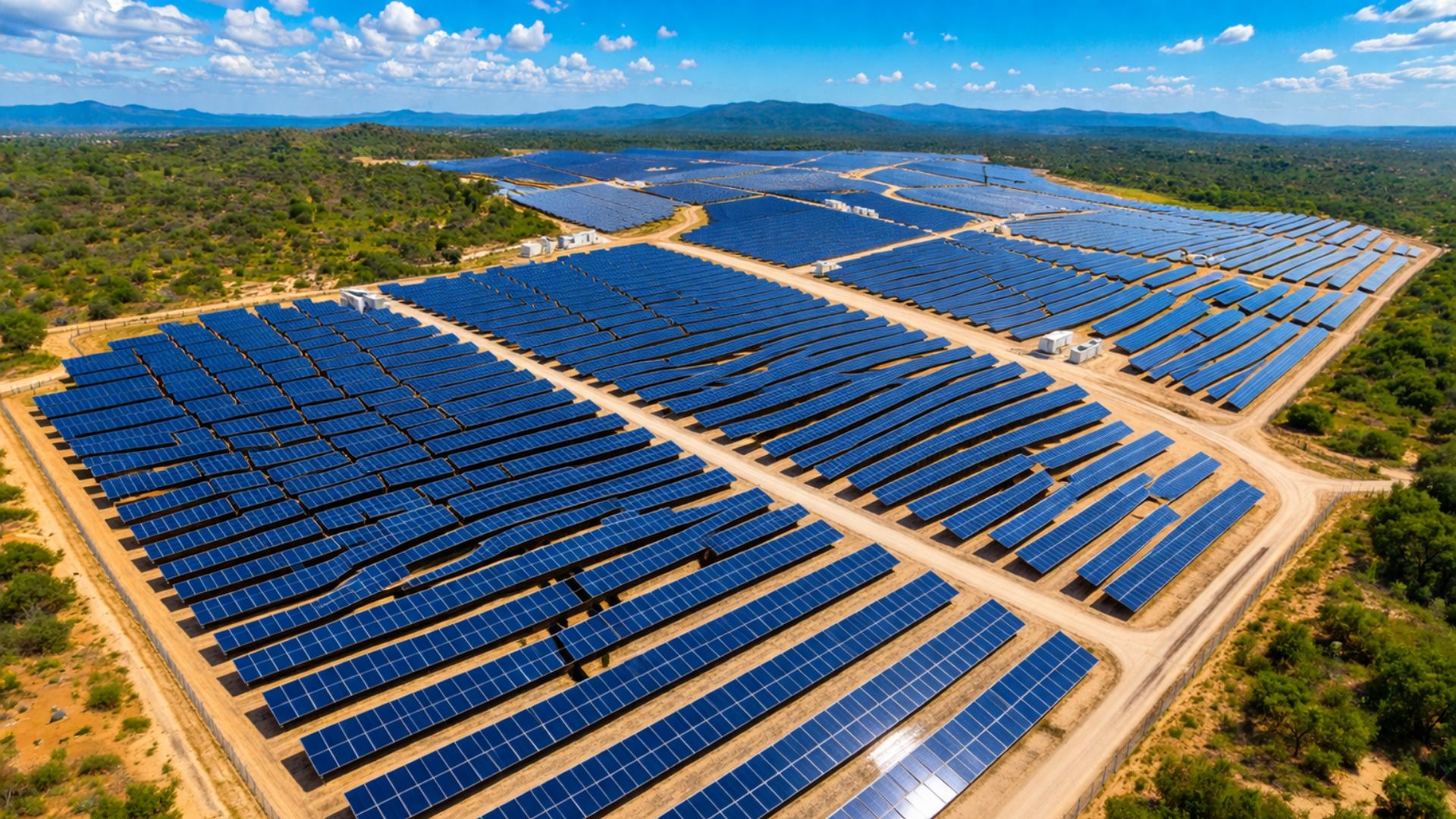
The Sol do Agreste Photovoltaic Complex begins operations in Pernambuco and accelerates the expansion of solar energy in Brazil, directly impacting the reduction of emissions and strengthening the sustainable energy matrix.
-
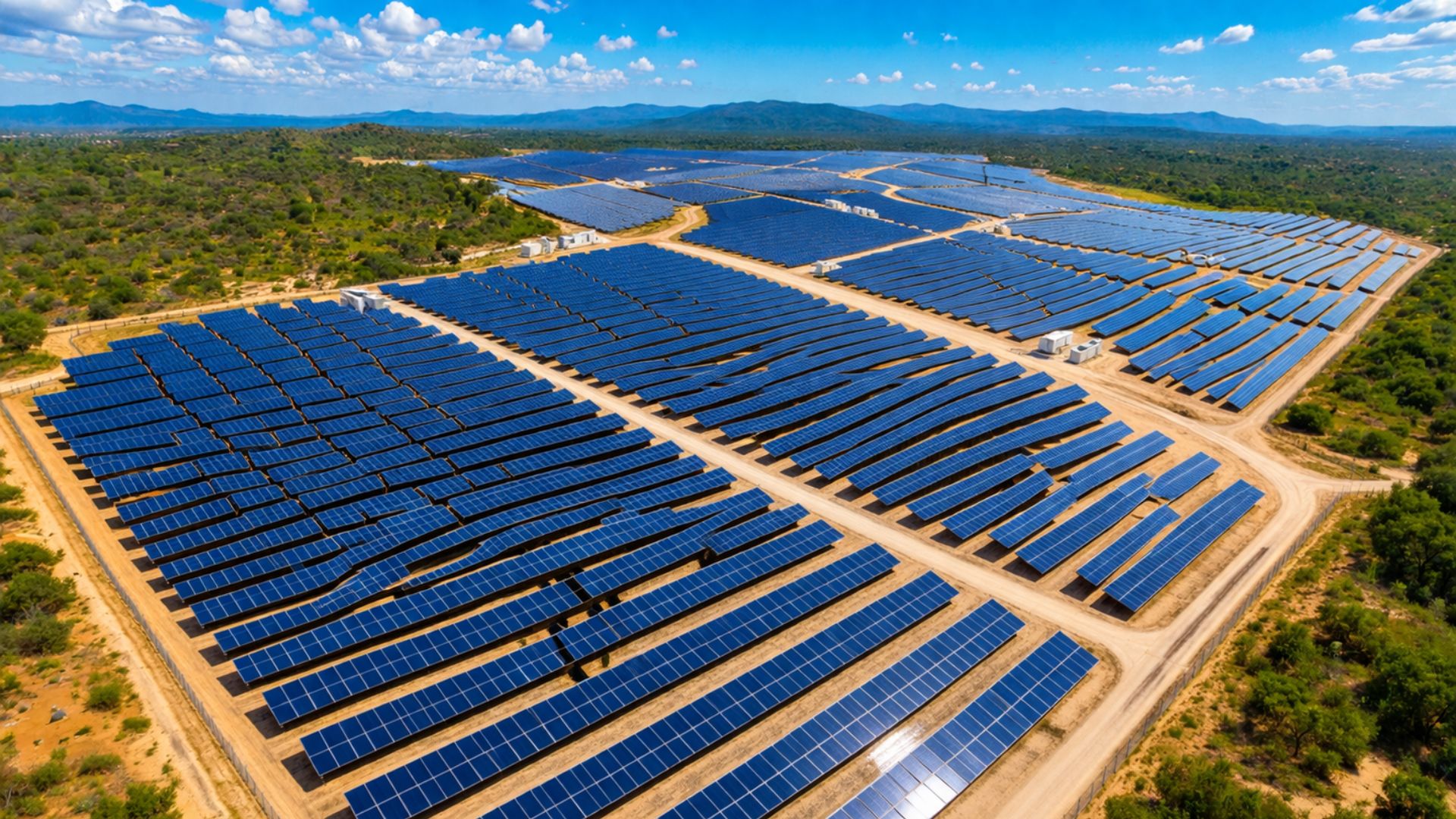
The Sol do Agreste Photovoltaic Complex begins operations in Pernambuco and accelerates the expansion of solar energy in Brazil, directly impacting the reduction of emissions and strengthening the sustainable energy matrix.
-
Renewable energy advances over protected areas in Brazil, and a survey by the Energy Transition Observatory reveals silent impacts that challenge environmental conservation and pressure sensitive traditional territories.

-
Rio Grande do Sul accelerates energy transition: State invests in renewable technologies and consolidates decarbonization strategies and pathways to attract billions in new industrial investments.


Sent to the Chamber in September 2023 by the Lula government (PT), the bill creates the National Green Diesel Program (PNDV), delegating to the National Energy Policy Council (CNPE) the definition of the minimum mandatory blend of the new fuel with fossil diesel, which already includes a percentage of biodiesel.
Under the proposal, this new mandate must be fulfilled with diesel produced from raw materials exclusively derived from renewable biomass. The minimum mandatory participation cannot exceed the limit of 3% each year.
The bill was named Fuel of the Future because it regulates the entry of new products into the market, such as SAF (sustainable aviation fuel) and green diesel (HVO) itself. Both come from the biorefinery and need the creation of their markets to occur simultaneously to satisfy investors.
Since the beginning of the discussion of the legal framework at the Ministry of Mines and Energy (MME) in 2021, Petrobras has been seeking space for its coproduced fuel (previously known as HBIO), a product that the oil company sees as a transition between conventional refining and decarbonized refining. However, it faces resistance from biofuel producers.
In search of a sectoral agenda, the government included the green agenda that was pending in 2023 in the long presidential message sent to Congress on 2/6 for the opening of legislative work. The texts are the same: hydrogen, offshore wind, regulation of the carbon market, the Fuel of the Future itself, and the creation of the green fund, named Paten – a proposal to attempt to enable, through BNDES, a new fund to finance infrastructure and energy, guaranteed by precatórias and credits with the Union.
This is a continuation of the debate on capital allocation and subsidies: in detail, the balance of legal frameworks tends to select more or less priority sectors in the Brazilian attempt to grow with the rising demand for green products.
They share space with the promise of recovering industrial activity, notably the BNDES Exim project, which allows the creation of a branch of the public bank focused on foreign trade and financing the export of goods and services.
The current atmosphere is one of crisis. The sectoral agenda, however, shares space with the management of the crisis opened during the recess, when Lula vetoed the payment of parliamentary amendments planned in the budget approved by Congress, and Minister Fernando Haddad (PT) backed the issuance of a Provisional Measure to revoke the payroll exemption and limit other tax expenditures. But the agenda will progress: it is the semester for the beginning of the tax reform.
Fuel of the Future
Less Imported Diesel
Considering the greater share of biodiesel (increased from 12% to 14%) and the projections for fuel supply and demand and economic growth, consultancy Stonex estimates that in 2024, the external dependence on fossil fuel will fall to 20.9%, down from 24.9% in the previous year (Reuters).
Speaking of Subsidies
Rural producers in Paraná delivered a letter this week to Ratinho Junior (PSD) requesting more access to credit (and support from the governor to seek resources from BNDES), in addition to state subsidies to invest in biogas and biomethane production. Just over two years ago, Paraná created RenovaPR, a program that includes subsidies for self-generated energy on farms through the Farmer’s Bank. There, the state’s gas distributor, Compagás, is working to insert renewable fuel into urban transport.
Source: EPBR







Seja o primeiro a reagir!