





 English
  Francês
  Alemão
  Italiano
  Japonês
  Norueguês
  Portuguese
  Spanish
  3 min of reading


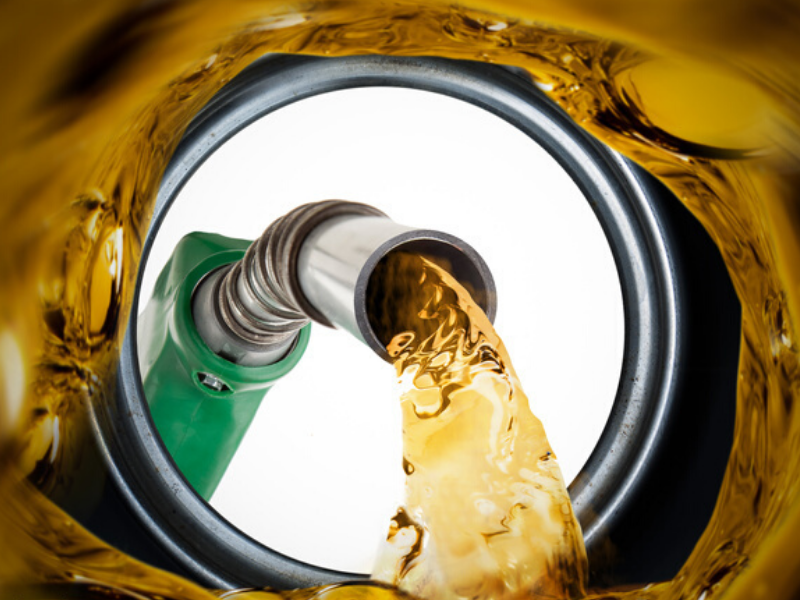
A resolution was approved by the ANP board on Thursday (13) regarding the specification of green diesel in Brazil, a relatively new biofuel with a new commercial scope in Brazil. It is a renewable fuel for diesel cycle combustion engines, produced from renewable raw materials, such as fats of plant and animal origin, sugarcane, ethanol, and other biomasses.
Also Read
The publication of the resolution is the result of the ANP’s analysis of the regulatory impact brought by the insertion of this new biofuel in the Brazilian market, as well as studies of international specifications.
During the Public Consultation phase, the ANP received 242 suggestions and comments regarding the original draft. The Public Hearing took place virtually on September 17, 2020, and was historic, lasting approximately eight hours with considerable social participation, showing the significant complexity and relevance of the subject.
-
With 160,000 m² of collectors, an area larger than 20 football fields, Silkeborg, in Denmark, hosts a solar thermal plant that heats 19,500 homes and could become the largest solar heating plant in the world.

-
A study reveals the expansion of renewable energy procurement in Brazil and shows how companies are taking advantage of opportunities to reduce expenses, ensure energy efficiency, and strengthen strategic environmental commitments.

-
Mato Grosso do Sul excels in the sugar-energy sector: the state reaches a milestone of 22 operating mills and accelerates the production of clean energy in MS with a focus on sustainability.

-
National energy dilemma: Brazilians support clean energy but reject increases in tariff costs to finance the sustainable transition.
The approved regulation is in line with the National Biofuels Policy (RenovaBio), as set forth by Law No. 13,576 of December 26, 2017, which aims to expand the use of biofuels, ensuring their participation in Brazil’s renewable matrix.
Furthermore, although there is currently no national production, the publication allows Brazil to be part of the list of international producers of advanced fuels, such as the USA, Italy, Finland, Singapore, Sweden, Spain, China, and France. In Brazil, the regulation of green diesel may also facilitate the production and commercialization of aviation biofuel, already regulated by ANP Resolution No. 778 of 2019, as the production of biofuels in the context of biorefineries generates different bioproducts in the same process. The publication of the specification constitutes the first step in the introduction of green diesel in Brazil.
ENGIE Creates Technology to Replace Jet Diesel at Brasília Airport
Innovative project allows for maintaining electrical and air conditioning systems of aircraft on the ground using renewable energy instead of diesel-powered equipment.
The new technology will enable a significant reduction in emissions of greenhouse gases. The expectation is that the equipment will reduce the emission of about 20,000 tons of CO2 per year, equivalent to planting more than 120,000 trees, making the operation of Brasília Airport more economical and sustainable. In addition to reducing the carbon footprint, the system also decreases the noise caused by the engines of external equipment used by companies to keep the aircraft powered, as well as saving on aviation fuel, which has a high cost for companies. Learn more about this ENGIE project in Brasília here.
Find Out How the Electric Car Market in Brazil is Doing in 2021
Have you ever imagined driving an electric car? Most people who drive would say yes. After all, this is the trend around the world. The high cost of fuels, the lower maintenance costs compared to conventional cars, and the fact that they are non-polluting are the main factors driving the electric car market in Brazil. Understand the direction of this national market published on the 3rd of this month.









Seja o primeiro a reagir!