Portuguese
  Spanish


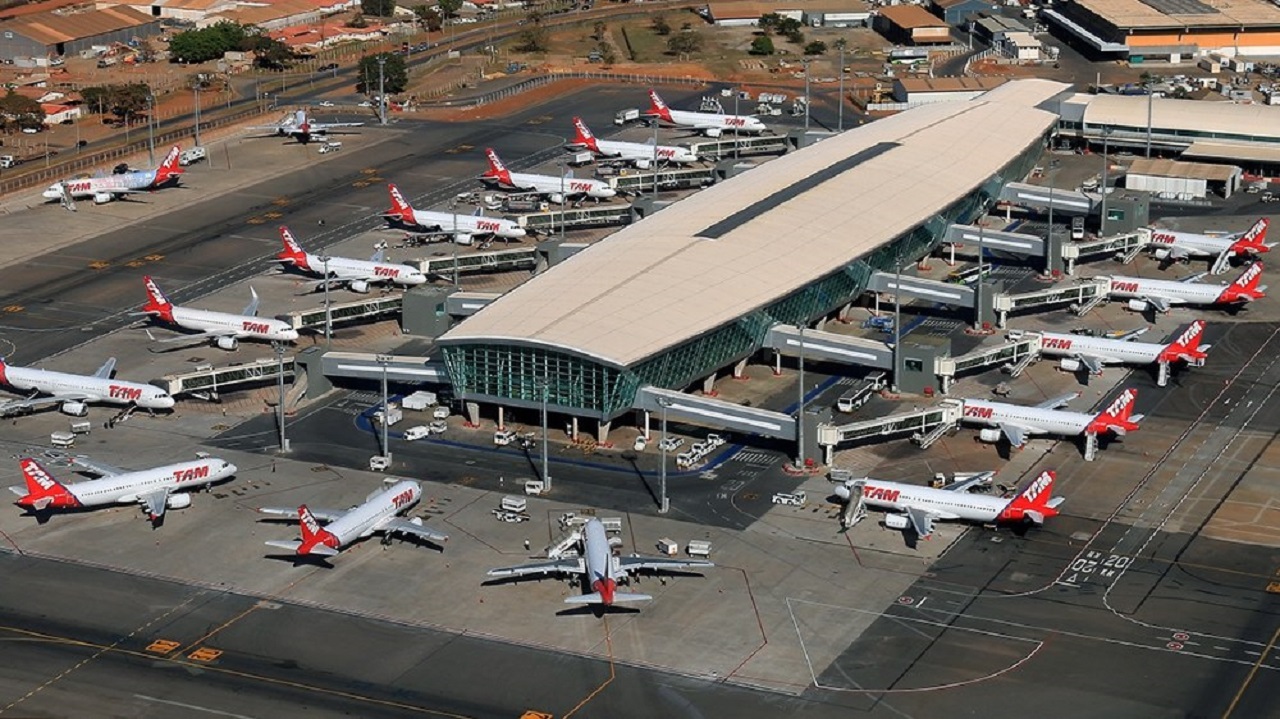

Innovative Project Allows for Maintenance of Aircraft Electrical Systems and Air Conditioning on the Ground Using Renewable Energy as a Replacement for Diesel-Powered Equipment
The Brasília Airport now has a modern and sustainable system to keep the electrical systems and air conditioning of aircraft on the ground operational. The new technology replaces the diesel-powered units that previously served this purpose. The project was developed by ENGIE, the largest private electric utility in Brazil, which operates in the segments of generation, commercialization, and transmission of energy, as well as in gas transportation and energy solutions, which is currently hiring in other energy segments in Brazil. The company has completed the installation of the system, which is already operational at the 22 boarding bridges of the Brasília terminal. This is an unprecedented solution for the application of renewable energy in the country, with the installation taking 10 months to complete. The works began before the pandemic.
About This New Renewable Energy Technology at Brasília Airport
The new technology will lead to a significant reduction in greenhouse gas emissions. The expectation is that the equipment will reduce emissions by about 20,000 tons of CO2 per year, equivalent to planting over 120,000 trees, making Brasília Airport’s operation more economical and sustainable. In addition to reducing the carbon footprint, the system also decreases the noise caused by the engines of the external equipment used by companies to keep aircraft running and conserve aviation fuel, which has a high cost for companies.
“The initiative aligns with our purpose of acting to accelerate the transition to a carbon-neutral world through reduced energy consumption and more sustainable solutions,” says Leonardo Serpa, CEO of ENGIE Solutions. In addition to becoming more sustainable and efficient, airlines will also have optimized costs, as electricity tends to be more competitively priced,” Serpa adds.
-
After a Year of Success in Switzerland, Solar Railway Attracts Italy’s Interest for Clean Energy Transformation

-
Robots Clean Solar Panels in Desert Power Plants Without Water, Preventing Energy Losses
-
Brazil’s Offshore Wind Energy Potential Worth $1 Trillion Stalled by Long-Delayed Agreement

-
World’s Largest Engie Solar Plant in Brazil Highlights Billion-Dollar Energy Waste Issue: Company Considers Batteries and Bitcoin Mining to Avoid Wasting Production



Practical Solutions and Fewer Greenhouse Gases
According to the head of aviation business at Inframerica, Roberto Luiz, the new service is another initiative to improve the efficiency of Brasília Airport’s apron and places the Brasília terminal on par with major global airports. “The new solution reduces the carbon footprint, eliminates the use of equipment in the apron area, making it safer with fewer obstacles for vehicle and pedestrian movements, and reduces noise levels during operations. With this, we aim to show our commitment to reducing greenhouse gas (GHG) emissions and reinforcing our actions towards more sustainable operations,” Luiz explains.
The executive also notes that the new system is part of a sustainability project that the concessionaire has been investing in to reduce CO2 emissions from airport operations through the inclusion of clean energy sources. In September last year, the administrator began using energy from a solar power plant installed at the airport terminal. The solar energy production is already being utilized to supply part of the airport’s consumption.
According to Serpa, ENGIE is also negotiating the implementation of the system with other airport terminals, a strategic segment for the company, with electric mobility solutions and other services.
Source: Learn more about Engie on the official website