





 Portuguese
  English
  Spanish
  10 min of reading
  1 comment


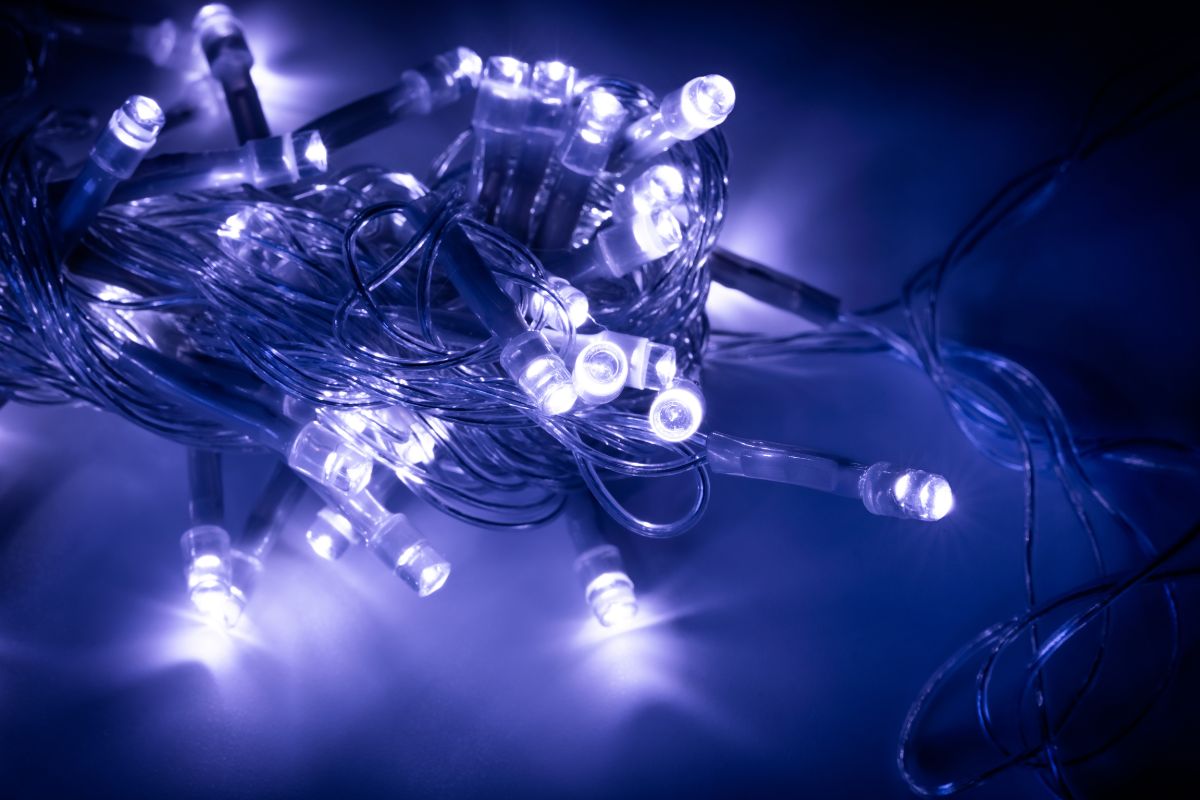


Discover The Fascinating History Behind LEDs – From That First One By Henry Joseph Round To The Present Day, Where We Have Wallpaper That Illuminates And Plants That Grow With Artificial Light. Understand How A Technology That Started Costing Over A Thousand Reais Per Bulb Became The Solution That Is Making Your Electric Bill Smile Every Month
Do you know that little light that blinks on your cellphone charger? Or the amazing brightness of your new TV that makes you feel like you’re inside the movie? Well, all of this exists thanks to a small invention that changed our lives without us even realizing it. The light-emitting diode, affectionately called LED, is like that discreet friend who makes all the difference but never asks for credit.
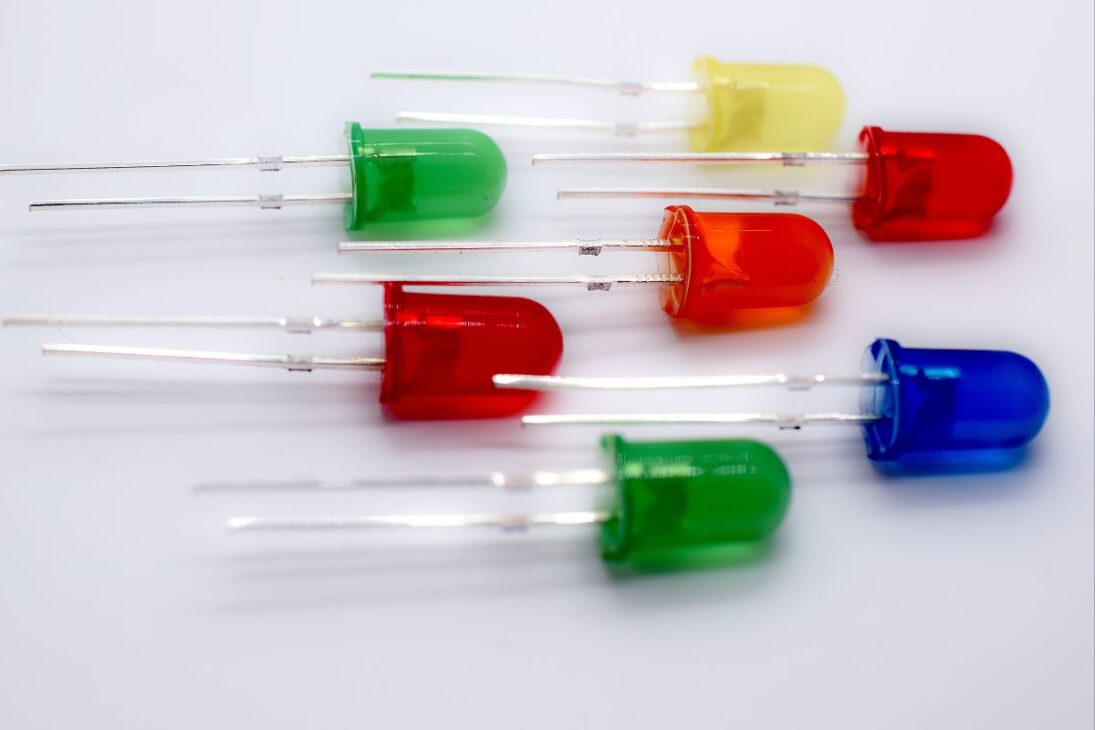
How It All Started With The Light Emitting Diode – A Story Of Accidental Discoveries
Imagine this: we’re in 1907, and a British engineer named Henry Joseph Round was fiddling with some weird crystals in the laboratory of the Marconi Company. Suddenly, he applies an electric current to the material and… surprise! Out comes a weak yellowish light. It must have been that “whoa, what was that?” moment that every inventor knows well. Poor Round had no idea that he had just taken the first step to revolutionize how humanity interacts with light.
Twenty years later, a Russian physicist named Oleg Losev decided to delve deeper into this mysterious story. Losev was one of those curious guys who can’t see something interesting without wanting to understand how it works. He not only repeated Round’s experiments but also started to imagine where it could be used in everyday life. Unfortunately, the Second World War interrupted his research, and much was lost to time.
-
The gigantic steel shell built to contain Chernobyl for a century has been pierced by a drone, exposing a critical system and creating a hole that could cost over 500 million euros to repair.

-
Brazilian Navy reaches a new level by taking over an airport with a 1,600-meter runway used by 1,800 military personnel and autonomous attack drone testing.

-
Home environment can influence the brain, mood, and well-being: studies indicate an increase of up to 15% in productivity, a reduction of 12% in stress with plants, and a direct impact of the circadian rhythm on the 24 hours of the day.

-
A Brazilian millionaire couple restores a farm over 150 years old in the interior of São Paulo and transforms the historic property with Portuguese tiles, antique furniture, and new spaces into a refuge that blends tradition, comfort, and sophistication.


But here comes the cool part of the story! In 1961, two guys from Texas Instruments, Gary Pittman and Bob Biard, managed to create the first infrared LED that actually worked. Okay, it was an invisible light to the human eye, but it was already a huge step. It was like discovering they could perform electronic magic, but they still didn’t know exactly how to use this magic.
Nick Holonyak Jr. – The Hero Who Brought Light To Our Eyes
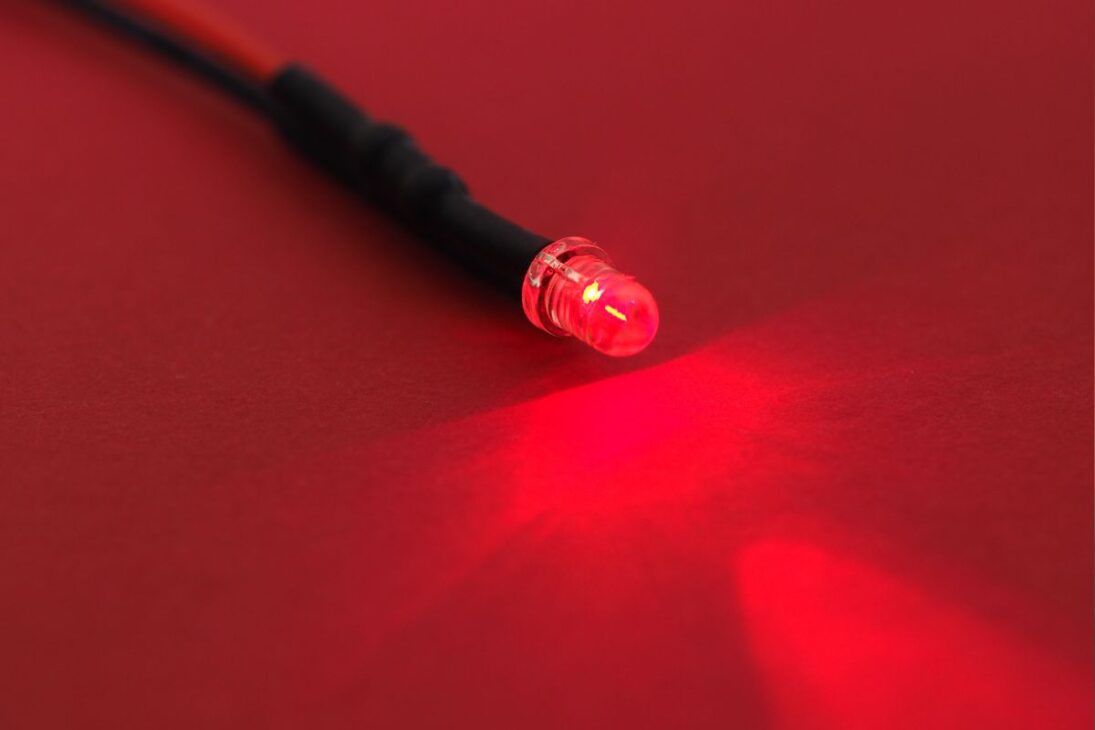
Here enters the true protagonist of our story: Nick Holonyak Jr. In 1962, this guy from General Electric accomplished something that seemed impossible – he created the first visible red light-emitting diode! Imagine his excitement when that little red light lit up for the first time. It must have felt like lighting the first fire of humanity, but in a high-tech version.
The funniest part is that Holonyak had a lot of confidence in the future of his invention. He went around saying that one day LEDs would replace all traditional bulbs. Back then, people probably thought he was a bit crazy, especially when they learned that each LED cost the equivalent of over one thousand five hundred reais today! Can you imagine paying that for a bulb? But he was right, wasn’t he?
The cool thing is that Holonyak didn’t keep the knowledge to himself. His students and colleagues spread this wisdom throughout the industry, creating a true network of innovation. It’s beautiful to see how a scientific discovery can spread like that, creating waves of progress that reach us decades later.

The Race For Light Emitting Diode Colors – When Blue Became The Holy Grail
After the success of the red LED, a real scientific race began to achieve other colors. It was like a competition among artists, but instead of paints, they used chemical elements and a lot of knowledge. In 1971, Jacques Pankove managed to make a blue LED, but that poor thing could hardly light up and consumed energy like crazy.
The real revolution came with three Japanese scientists who never gave up: Isamu Akasaki, Hiroshi Amano, and Shuji Nakamura. These guys spent years trying to tame the blue LED, facing failure after failure. But you know how it is, sometimes perseverance is worth more than talent. In 1994, they finally created a blue LED that was useful.
And why was the blue LED so important? Simple: with red, green, and blue, you can make any color you can imagine! It’s like having the primary colors in a painter’s palette. Or they discovered that they could take a blue LED and cover it with a special substance that transformed part of the blue light into other colors, creating that nice white light we use at home.
How The Light Emitting Diode Changed Our Electric Bill
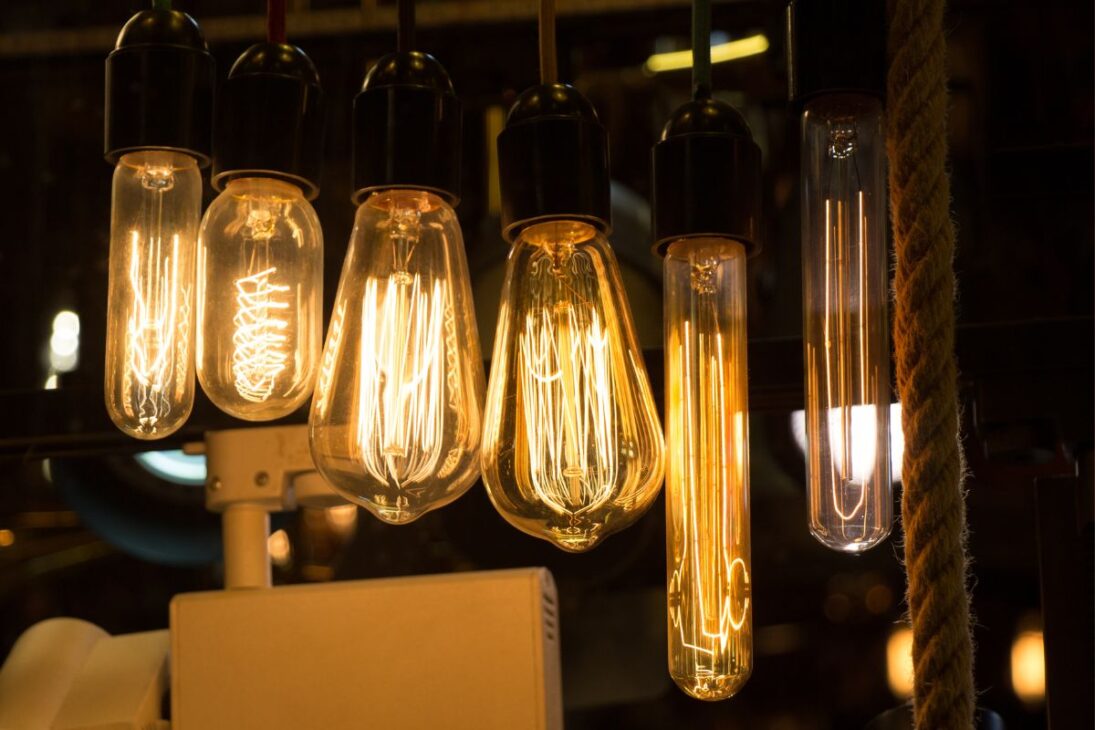
Now I’ll tell you something that will make you smile when you look at your next electric bill. Remember those old bulbs that got as hot as an iron? They wasted 95% of the energy as heat! It’s like you paid for a full hamburger but only got the lettuce. On the other hand, modern LEDs convert more than half of the energy into actual light.
And durability? Oh man, that’s something to cry happy tears about (in a good way). A good light-emitting diode bulb lasts between 25,000 and 50,000 hours. To give you an idea, if you left it on for 8 hours a day, it would last over 15 years! Meanwhile, those old bulbs lasted a thousand hours if they were lucky. It’s the difference between having a car that breaks down every week and one that runs for years without a problem.
But what I find coolest about LEDs is their versatility. Want a warm and cozy light to relax while watching Netflix? There’s an LED for that. Need a bright light for working or studying? There’s one for that too. And you can even control everything from your phone, creating those personalized environments that make any home look like a decor magazine.
Light Emitting Diode Beyond Illumination – Ready to Be Surprised?
Did you know that light-emitting diodes are being used to heal wounds? That’s right, it’s not science fiction! Doctors have discovered that certain colors of LED light help the body recover faster. It’s as if the light has healing powers. And there’s more: some hospitals use ultraviolet LEDs to kill germs in the air and on surfaces. It’s ninja technology working for our health.
In agriculture, it’s impressive! Modern farms use special LEDs to make plants grow faster and healthier, even without natural sunlight. It’s like giving vitamins to plants through light. There are places that produce fresh vegetables in the middle of urban buildings, just using LED lighting. Imagine having a garden on the 20th floor of a building!
And in cars? LED headlights not only illuminate the road better but also turn on at the speed of light (literally!). This means when you hit the brakes, the car behind gets the warning a few milliseconds faster. It may seem small, but in terms of traffic safety, every split second counts.
The Screen Revolution That Changed How We See The World
Remember those old TVs that looked like refrigerators and heated up the whole room? Today, thanks to LED technology, we have slim screens, vibrant colors, and energy consumption that doesn’t scare when it’s time to pay the bill. It’s impressive how the image quality has improved. Sometimes I find myself watching a movie at home and it feels like I’m in a cinema.
And it’s not just at home. Those giant screens in stadiums and squares? All made with LEDs. They can shine so brightly that you can see perfectly even in strong sunlight. It’s technology that works 24/7, rain or shine. Imagine the engineering behind that!
Your smartphone also owes all its visual beauty to LEDs. Each colored dot on the screen is a tiny LED working to bring your photos, videos, and messages to life with crystal-clear quality. It’s like having millions of little lights working perfectly to create perfect images.
The Challenges We Still Need To Overcome
Of course, not everything is perfect in the LED world. One of the biggest challenges is still heat. No matter how efficient they are, powerful LEDs still get hot, and too much heat is an enemy of durability. It’s like a high-performance athlete – they need a good cooling system to give their best.
Another point that still bothers some people is the quality of light. You know when you go to a store and the colors of the clothes look kind of strange? Sometimes it’s the fault of inferior quality LEDs that don’t reproduce colors correctly. Luckily, serious manufacturers have already solved this problem, but there are still many cheap LEDs out there.
The price still makes some people turn up their noses, especially for more sophisticated light-emitting diodes. But it’s that story: you pay a little more today to save much more tomorrow. It’s an investment worth making, especially when you see the result on your electricity bill.
Speaking of energy savings and smart investments at home, LEDs work in perfect harmony with other components that also aim for energy efficiency. For example, when you have a well-regulated thermostatic valve in your heating system, it maintains the ideal temperature without waste, while LED lighting takes care of the electrical side without generating unnecessary heat.
It’s interesting how these technologies complement each other – one controls temperature precisely, the other lights up without heating the environment. Together, they form an unbeatable duo for those who want a more efficient and economical home.
The Bright Future That Awaits Us
Get ready for amazing things! Scientists are developing flexible LEDs that can be bent, stretched, and even printed like ink. Imagine wallpaper that lights up the room, or clothes with luminous details that change color according to your mood. It sounds like something out of a futuristic movie, but it’s coming!
And there’s more: LEDs that talk to artificial intelligence to automatically adapt to what you are doing. Studying? The light becomes more focused and bright. Relaxing? It dims and becomes cozier. It’s like having a personal assistant taking care of the lighting in your home.
Personalized medicine using LEDs also promises great things. Each person may respond better to different types of therapeutic light, and in the future, we will have tailored treatments using specific LEDs for each case. It’s precision health using light as medicine.
A Revolution Made Of Small Lights
You know what impresses me most about the history of the light-emitting diode? It’s how a tiny, almost accidental discovery managed to change practically everything around us. It wasn’t a loud revolution, with fanfare and headlines. It was silent, gradual, but completely transformative.
Today I look around and see LEDs everywhere. On the traffic lights that help me get home safely, on the cellphone screen that connects me with loved ones, on the bulb that lights up this text I’m writing for you. It’s beautiful to realize how science can improve our lives in ways we never imagined.
What excites me the most is knowing that we are still at the beginning of this journey. Light-emitting diodes will continue to evolve, becoming more efficient, cheaper and finding applications we can’t even imagine today. It’s like we’re on the first page of a very interesting book.
If you still have those old bulbs at home, how about starting to replace them little by little with quality LEDs? Start with the rooms you use the most. Your electricity bill will thank you, and you’ll realize how much the quality of LED lighting makes a difference in everyday life. Look for trusted brands and don’t be afraid to invest a little more – it’s money that comes back to your pocket quickly.
Now I want to hear from you: What was your first memorable experience with LEDs? Was it when you changed your first bulb? When you bought a new TV? Or maybe you have a funny story about technology at home? Share it in the comments! I love hearing personal experiences, and I’m sure other readers will relate to your story.
Most Common Questions About LEDs
It’s pretty simple: LEDs don’t have that thin wire (filament) that breaks in old bulbs. It works by moving microscopic particles, a process that wears down very slowly. Additionally, they generate much less heat, which preserves the internal components. It’s like comparing a motor that operates at its limits with another that runs smoothly.
Absolutely! An LED uses about 75% less energy than a regular bulb to provide the same light. It’s like paying for one hamburger and getting four. In the end, even though it costs more upfront, you save a lot on your electric bill and don’t have to keep replacing bulbs all the time.
Be careful with this one! Only LEDs designed to work with a dimmer can handle this. Others may flicker, make noise, or even break. Always check the packaging to see if it says “dimmable” before purchasing. It’s better to be safe than sorry, right?
This mainly happens with questionable quality LEDs. The internal components (phosphors) degrade and alter the color of the light. Good quality LEDs from reliable brands have strict quality control to prevent this. It’s worth investing a little more to avoid headaches later.
In cold weather, LEDs actually perform better than regular bulbs! In heat, you need to be careful – too much heat decreases their lifespan and efficiency. For very hot places or areas that get a lot of sun, choose specific LEDs for those conditions. They are designed to withstand the heat.







Muito fascinante! Primeira experiência foi na faculdade de mecatrônica. Na disciplina de eletrônica analógica conhecemos os princípios dos semicondutores, inclusive os diodos. Dentre os quais, o LED.