





 Portuguese
  English
  Spanish
  3 min of reading
  0 comments


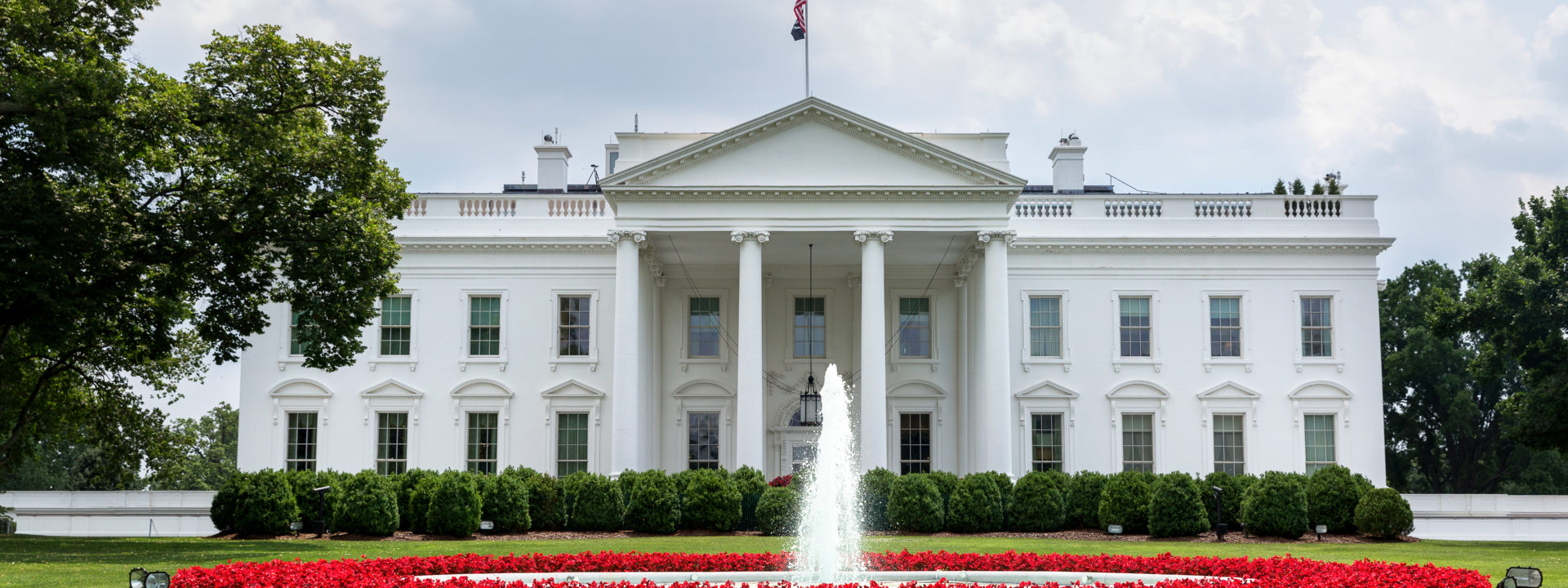
Discover 7 Secrets and Facts About the White House, Considered the Safest Building in the World, with Advanced Security and Protection Systems.
Built between 1792 and 1800, the White House is one of the most iconic buildings in the world. Although it is widely recognized as the official residence of the President of the United States, its structures and histories hide fascinating details. From its origin to state-of-the-art security systems, the site reflects centuries of history and innovation.
Origin of the Name “White House”
Initially called “Executive Mansion,” the White House was given its current name in 1901. It was President Theodore Roosevelt who officially adopted the nomenclature.
The building’s white color has a practical reason: after the War of 1812, when the building was burned during a British invasion, a protective white paint was applied. This layer helped preserve the sandstone walls, ensuring the integrity of the structure.
-
Meta’s new smart glasses are not just for seeing; they use artificial intelligence, analyze your food, summarize messages, and can even change the way you work in professions like engineering.

-
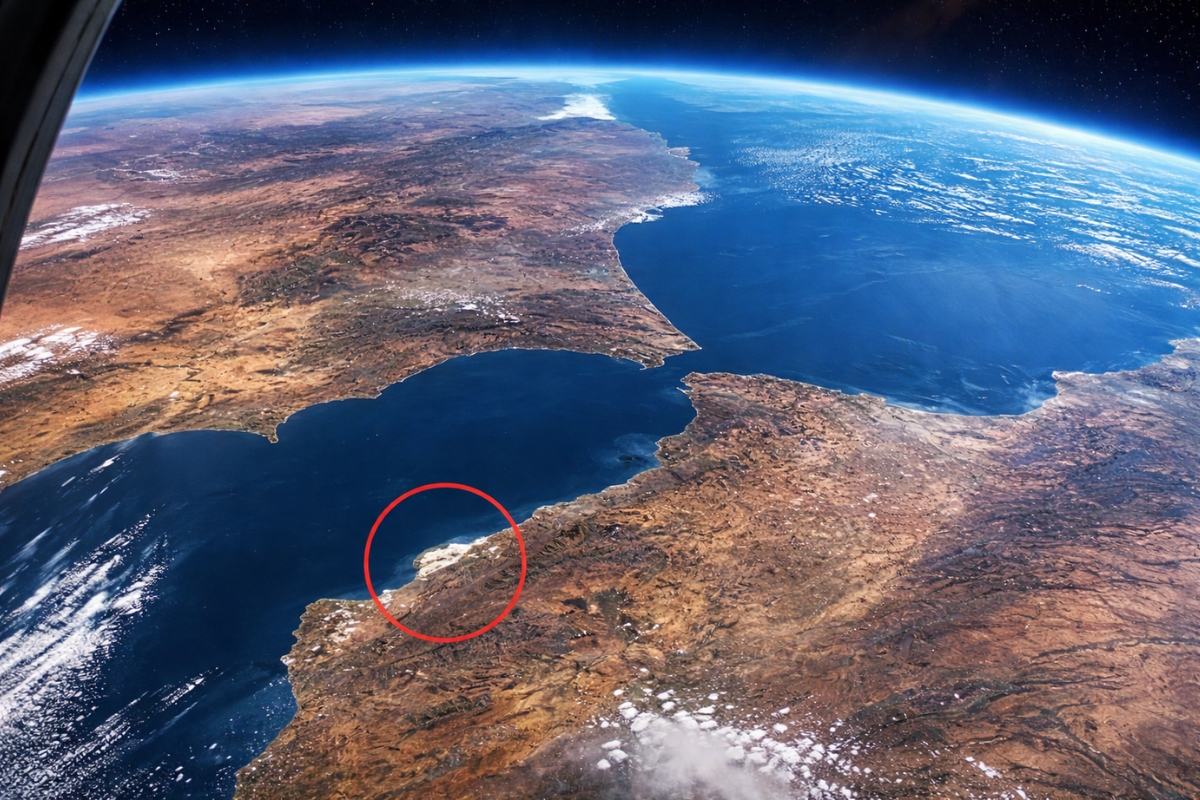
According to an analysis by NASA, only one human-made structure is visible from space, and it is not the Great Wall of China or the Pyramids of Egypt.
-
After 377 years of history, the Brazilian Army will have its first female general: Colonel Claudia Cacho has been promoted to brigadier general by Lula and will receive the sword and command baton this Wednesday in Brasília.

-
A Mercado Livre customer opened their package and found 32 resumes of people looking for jobs crumpled as protective paper inside the box, exposing names, addresses, documents, and phone numbers of dozens of candidates.

PEOC – The Secret Bunker of the White House
One of the least visible elements of the White House is the PEOC (Presidential Emergency Operations Center). Located underground, the bunker was built during World War II and underwent reinforcements after the September 11 attacks.
Designed to protect the president and their staff in crisis situations, the PEOC features advanced communication systems and secure ventilation. Its construction can withstand extreme attacks and includes secret evacuation routes. The site also has resources for prolonged operations in severe emergencies.
The Oval Office and the Resolute Desk
The Oval Office, designed in 1909, is the president’s official office. Each leader who occupies the position personalizes the space by choosing furniture, curtains, and the rug that often features important symbols and quotes.
One of the most striking items in the room is the Resolute Desk, made from wood of the British ship HMS Resolute. A gift from Queen Victoria, this desk became famous after the release of a historic photo: John F. Kennedy Jr. playing underneath it while his father worked.
Imposing Structure
The White House impresses with its dimensions. There are 132 rooms, 35 bathrooms, 412 doors, and 147 windows, spread over more than 5,100 m².
This vast area includes offices, living spaces, and recreation areas like a movie theater, tennis courts, and a bowling alley. Its complex structure transforms the building into a self-sufficient city, located in the heart of Washington.
The Mysterious Lincoln Room
The Lincoln Room is one of the most emblematic spaces in the White House, not only for its historical relevance but also for the mysteries and legends surrounding it.
Located on the second floor of the presidential residence, the room keeps memories from the time when Abraham Lincoln, the 16th president of the United States, led the country during the Civil War. In addition to its historical significance, the room is the scene of a series of intriguing accounts involving apparitions and supernatural phenomena.
Another highlight is the Lincoln Room. Surrounded by legends, the location has been the setting for intriguing reports. Staff and guests claim to have felt the presence of the former president or even seen his ghost.
These stories, passed down from generation to generation, keep the mystery surrounding this emblematic space alive.
Sound Barrier for Emergencies
The White House also features advanced technology systems, such as the LRADs (Long-Range Acoustic Devices). These devices emit directed and extremely loud sound waves, capable of dispersing crowds without physical contact.
Strategically positioned, they create a “sound barrier” to enhance security during emergency situations.
Maximum Security
Finally, the protection of the White House is the responsibility of the U.S. Secret Service. The number of agents on patrol is not disclosed, but it is known that they operate constantly.
Security includes undercover agents, scent detection dogs, and guards positioned on the roof, ready to respond to external threats.
The airspace above the building is a strict exclusion zone. Any unauthorized aircraft entering the area can be intercepted within minutes. Additionally, military planes and helicopters are always on standby, while radar systems monitor the area 24/7.
Thus, the White House proves to be much more than a presidential residence: it is a symbol of history, power, and state-of-the-art security.







Seja o primeiro a reagir!