





 Portuguese
  English
  Spanish
  5 min of reading
  0 comments



Brazilian Construction Industry Faces A Silent Labor Shortage, Where Young People Reject Traditional Professions And Prefer New Occupations With More Technology, Comfort, And Flexibility, Leaving A Void On Construction Sites Across The Country.
The shortage of skilled workers has been a major challenge for the construction industry in Brazil.
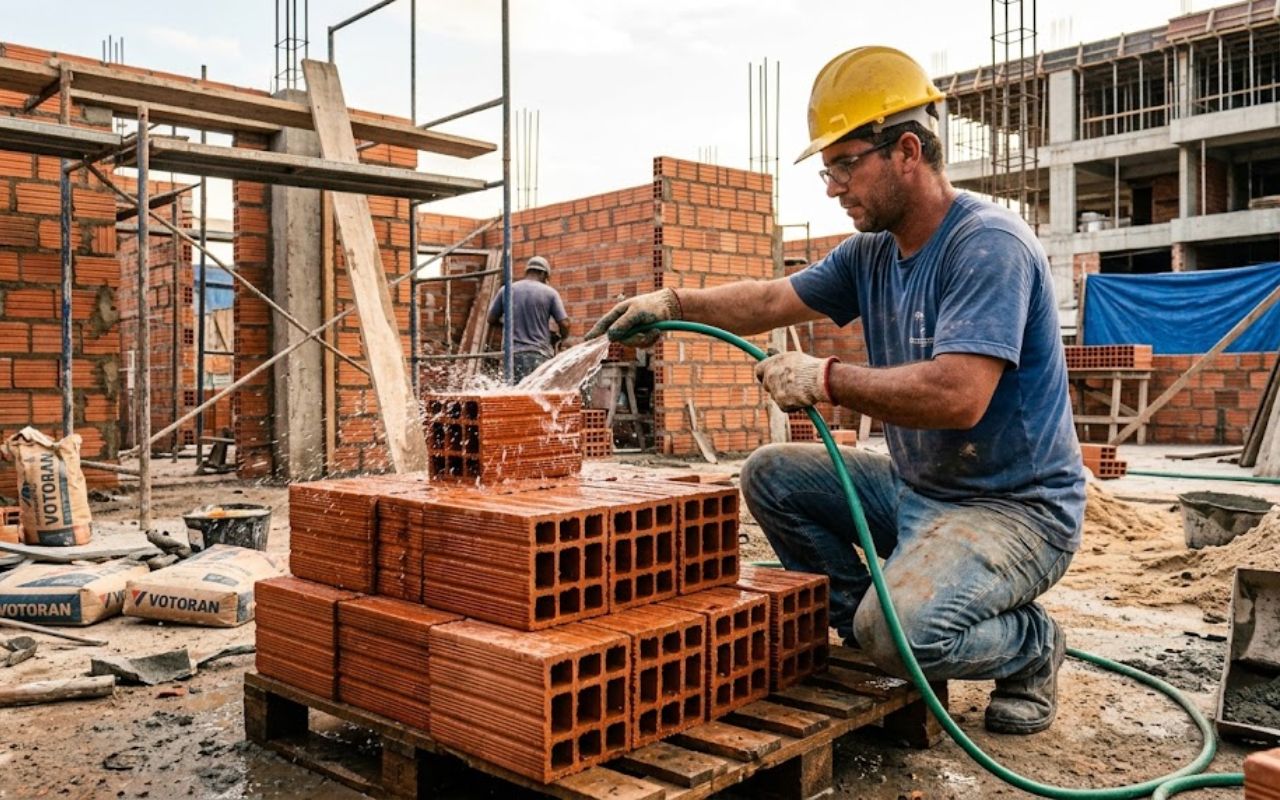
Currently, the sector faces difficulties in filling positions, especially in areas such as bricklaying, carpentry, and other professionals who perform essential functions on construction sites.
According to Raphael Lafetá, president of the Union of the Construction Industry of Minas Gerais (Sinduscon-MG), the lack of skilled labor is a “crisis” that has directly affected the sector’s growth.
-
With around 6,000 residents on a single 9 km street, a village in Poland maintains a strong sense of community, cultivates strawberries and potatoes, and becomes the target of a false image created by artificial intelligence.

-
Coca-Cola FEMSA opens job vacancy for checker in Minas Gerais.

-
Sleeping at different times each day can be a bomb for your heart and even double your risk of having a heart attack.

-
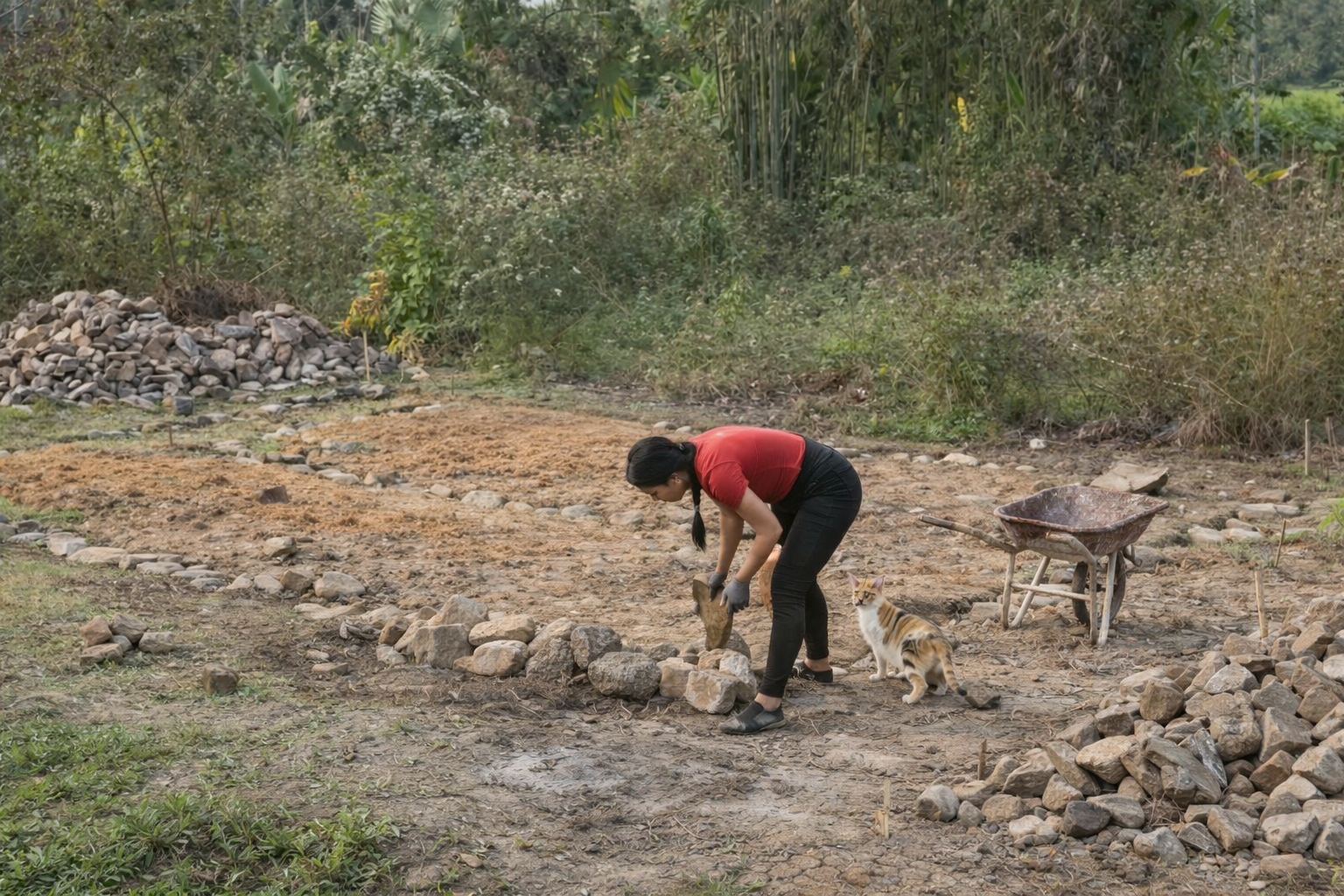
Without help and without heavy machinery, a woman builds a house from scratch with stone, wood, and cement, erects a chimney, creates a complete leisure area, and transforms an empty lot into her dream home.

In an interview with Itatiaia Radio, Lafetá detailed what he calls a “worker blackout” in the construction sector.
According to him, the distancing of the new generation from these traditional trades has roots in the job options offered by new technologies and freelance professions.
“The bricklayer’s son does not want to be a bricklayer. The carpenter’s son does not want to be a carpenter,” said the president of Sinduscon-MG.
He believes that the emergence of new opportunities, such as app drivers and delivery workers, has attracted many young people to these new paths, distancing them from what are considered more traditional and manual roles.
In 2024, the number of workers in the construction industry reached about three million, a number considered low when compared to the growth potential.
According to Lafetá, this total number of jobs was already reached in 2011, and since then the number of positions has remained stagnant, mainly due to the lack of interest from the new generation in these jobs.
“We are struggling to grow precisely because of the lack of readiness of the new generation to work in these services,” said the union president in his interview on the Chamada Geral program.
The Current Scenario And The Challenges Faced
Brazil, as one of the largest construction markets in Latin America, faces a challenging reality regarding qualification and interest in the profession.
The shortage of skilled labor has affected projects of all sizes, from large infrastructure works to the construction of houses and apartments.
For Lafetá, the main cause of this scenario is the disinterest of new generations in manual professions.
This phenomenon can be attributed to a cultural shift that has been driven by new forms of work that have become more attractive, such as jobs related to the digital economy, where young people can, in many cases, choose flexible hours and start working without the need for long periods of learning.
Additionally, the COVID-19 pandemic also influenced this movement, with many construction workers migrating to other areas or even abandoning the profession due to economic uncertainties and the temporary closure of works.
How To Attract New Workers To The Construction Industry?
The lack of qualified professionals is a significant obstacle to the growth of the sector, but according to Lafetá, technology may be the key to attracting new generations to the construction industry.
The president of Sinduscon-MG explained that the use of modern tools and the incorporation of technologies on construction sites are some of the strategies to renew the profession’s image and attract a younger audience.
The focus is on training and educating new workers so that they realize that while the work remains that of a bricklayer or carpenter, the materials and tools are more advanced.
The use of computers, specialized software, and modern machines has transformed the work environment in the construction industry, making it more dynamic and, in a way, more attractive to young people looking for innovation in the job market.
Salaries And Benefits: Factors That Do Not Attract Young People
Another point addressed by Lafetá is the issue of salaries.
Although salaries in the construction industry are among the highest for entry-level jobs in Brazil, this has not been enough to attract new professionals.
“The second highest entry-level salary in Brazil is in construction, only losing to public service and sometimes to the IT field,” he stated.
However, despite this remuneration, the lack of attraction to the profession continues.
The perception that construction jobs are arduous and involve heavy manual labor keeps young people away, who prefer job options that are more comfortable and require less physical demand.
Furthermore, working in the construction sector often requires long hours and exposure to adverse conditions, which also demotivates those seeking a more flexible lifestyle.
The Future Of The Construction Industry And Career Opportunities
Despite the challenges, Lafetá believes that the construction industry still offers great growth potential for those who choose to follow this career.
He emphasized that construction is not just a temporary job or a low-prestige occupation, but rather a profession with potential for career advancement.
“It is possible to start as a bricklayer and, over time, study and become an engineer,” Lafetá stated.
The president of the union believes that by showing that the construction industry offers opportunities for growth and development, more young people may become interested in the field.
The sector has also invested in professional qualification programs, offering courses and training so that workers can update themselves and learn new skills, in addition to learning to use the advanced technologies that are transforming the sector.
The Role Of Companies And The Government
Lafetá also highlighted the importance of joint actions between companies in the sector and the government to attract more young people to the construction industry.
For him, the government should provide incentives and public policies that help to modernize the profession’s image and to train a new generation of skilled professionals.
The creation of incentive programs, subsidies, and scholarships can help make construction professions more attractive.
In addition, companies themselves need to invest more in technologies and show new workers that construction not only offers a job but also a long-term career with prospects for growth and financial stability.
The Question That Remains Is
What more can be done to attract the current generation to traditional construction professions, and how can companies make these occupations more appealing in the digital and technological world we live in?






Seja o primeiro a reagir!