





 Portuguese
  English
  Spanish
 4 min of reading
  0 comments


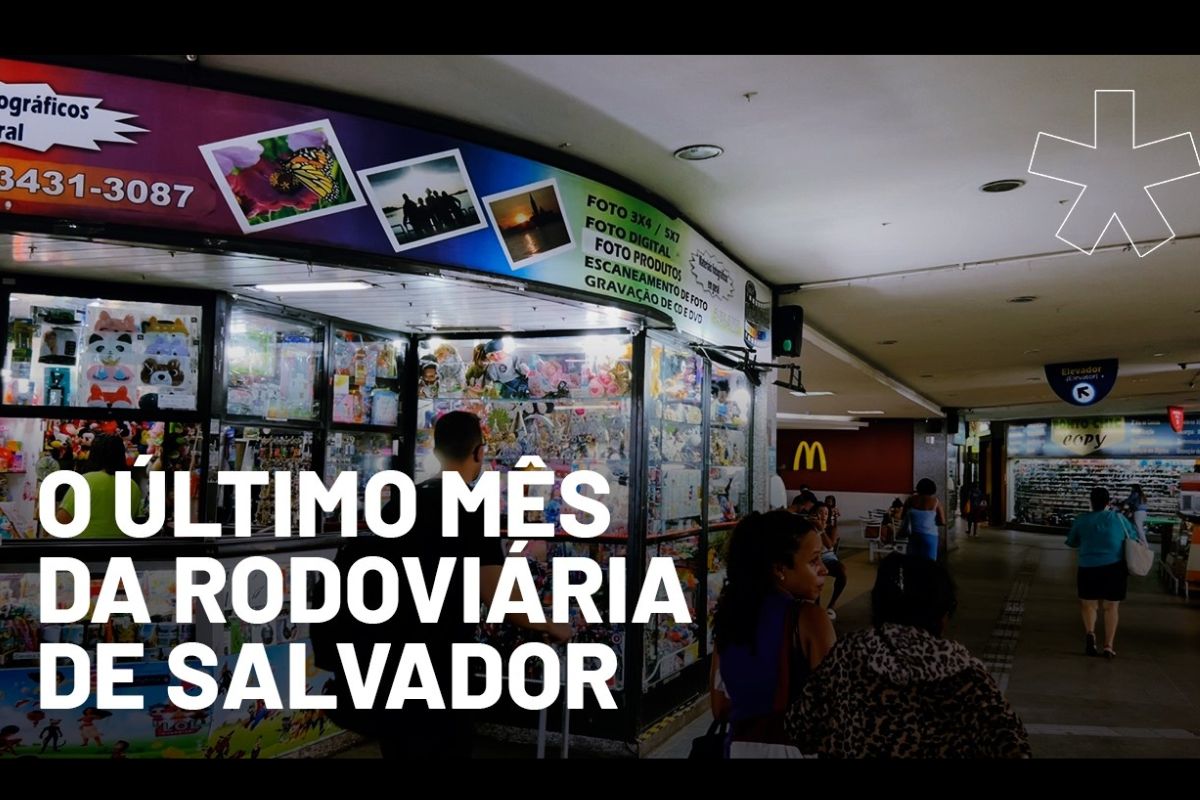
The End of the Iguatemi Bus Station Closes a 50-Year Cycle, Transfers the Flow Axis to Águas Claras, Reconfigures Formal and Informal Commerce, and Opens a Dispute Over the Future of the Land and the Called “Gold Mine” of Real Estate Value in the Heart of the City
The end of the bus station around Iguatemi marks a rare turning point in urban centrality in Salvador. The facility, inaugurated in 1974, helped to create its own “city” of services, jobs, and sociability, but the decision to transfer boarding and disembarking to Águas Claras redraws passenger routes, logistics for stores, and the income of street vendors, in addition to placing the destination of the original land back on the table.
The change occurs as the old terminal continues operating with high occupancy of ticket booths and intense flow. The transition mobilizes merchants who need to invest to migrate, residents who fear the degradation of the vacant building, and authorities who are studying the alienation of the area, deemed a strategic “mine” due to its potential for densification, roadway connection, and land value.
What Ends, What Begins
Over five decades, the terminal consolidated an ecosystem with stores, a lottery, food options, and services that supplied not only travelers but also workers in the area.
-
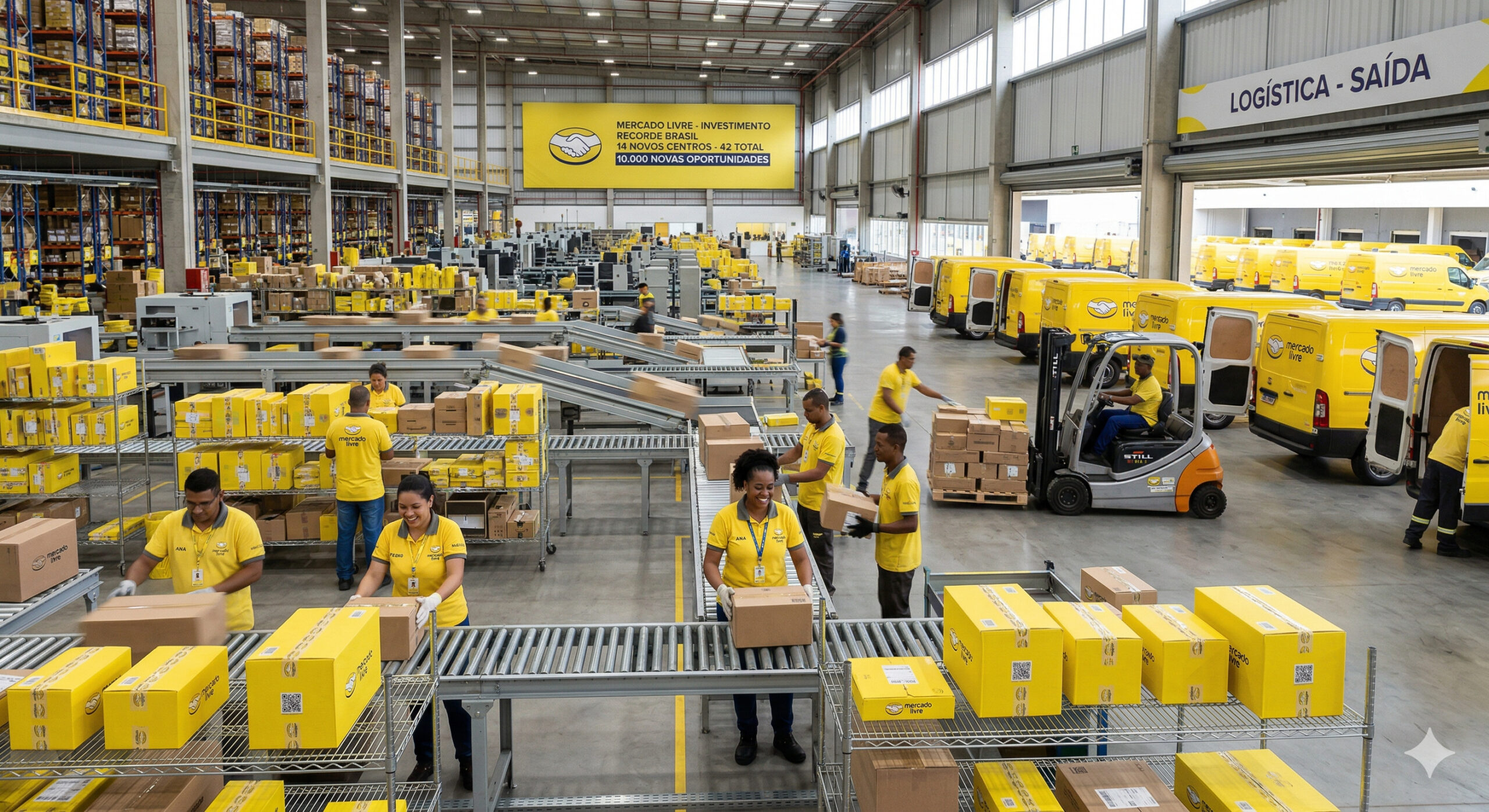
Mercado Livre “opens the vault” and announces a record investment of R$ 57 billion in Brazil in 2026, a value 50% higher than the previous year, with an expansion plan that includes 14 new logistics centers, totaling 42 units in the country and hiring an additional 10,000 employees.
-
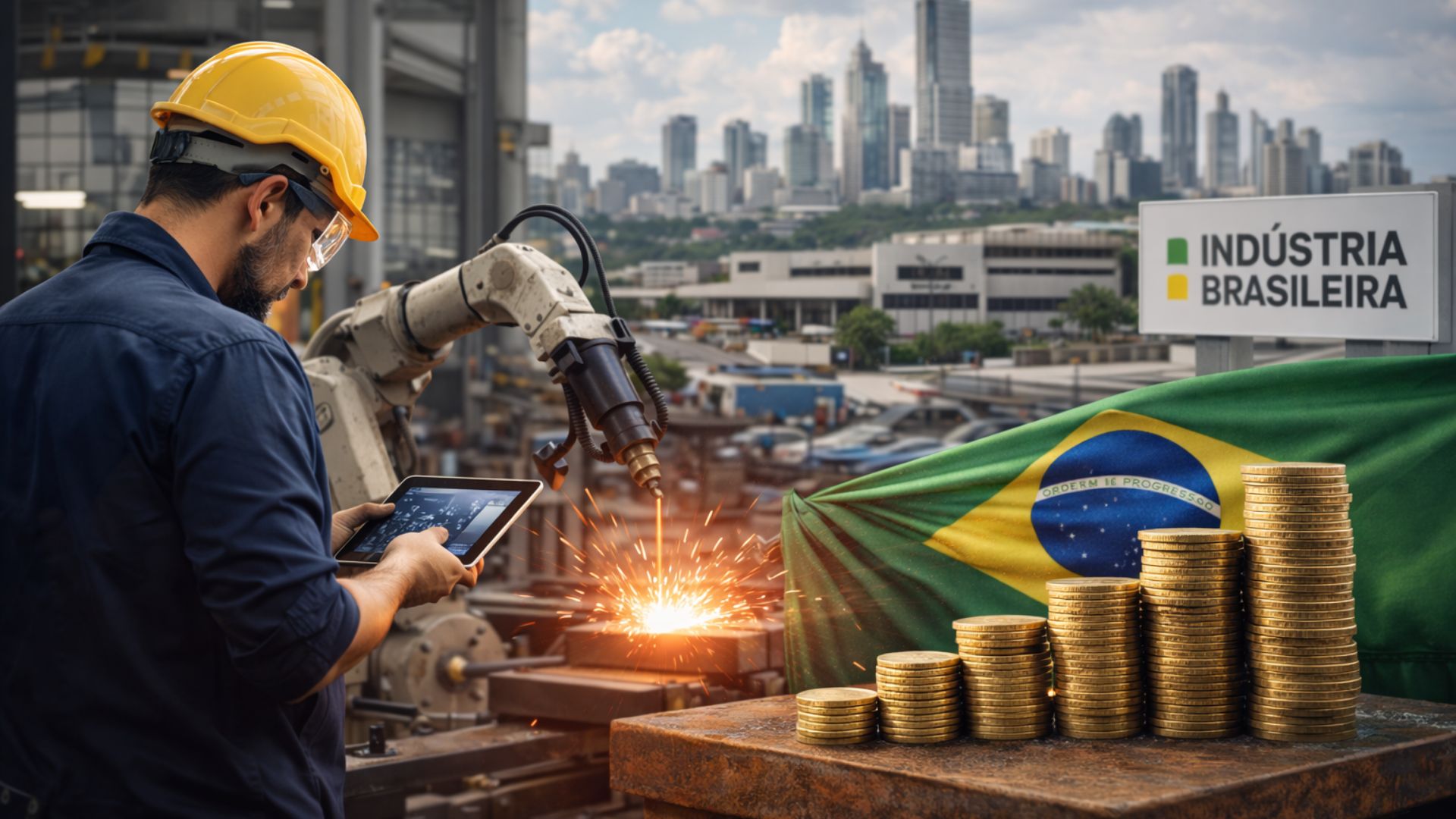
How investment in technology can revolutionize the national economy and enhance industrial gains, according to a study that highlights the direct impact on productivity, innovation, and wealth retention within Brazil.
-
The largest food company on the planet, JBS, has just opened a 4,000 square meter laboratory in Florianópolis to develop customized proteins that modulate muscle mass gain, immune response, and metabolic performance.

-
After nearly 30 bids and competition among industry giants, a Spanish company purchases one of the largest airports in Brazil for almost R$ 3 billion and takes over the management of Galeão in a concession that will last until 2039.


With the end of the bus station at Iguatemi, this proximity economy loses its daily magnet of passengers and will need to test resilience without the boarding and disembarking movement.
The new operation in Águas Claras promises larger facilities, updated circulation design, and integration with urban buses, but requires adaptation capital from private operators and street vendors.
Some store owners express uncertainty about remodeling costs and return deadlines, which increases the risk of business discontinuity during the transition.
The Invisible “City” That Formed in the Terminal
The terminal was a matrix of urbanization at the edge of Iguatemi, boosting jobs, housing, and formal and informal commerce.
The continuous presence of passengers created routine, security through flow, and dispersed income in dozens of micro-activities, from early coffee to quick repairs.
This social fabric also sheltered vulnerable populations that used the space as temporary shelter.
The closure of operations, if not accompanied by social transition solutions, can displace vulnerabilities to adjacent areas without providing real alternatives.
Architecture, Memory, and Risk of Obsolescence
The building, with its brutalist language and exposed concrete elements, is part of the catalog of public works from the 1970s.
Renovations, closures, and additions over time have altered the original reading, but the ensemble remains recognizable as a period piece and of strong memorial value.
Without an active reuse plan, structures of this scale tend to suffer rapid obsolescence, with recurring electrical failures, infiltrations, and loss of sealing.
Preserving what is heritage, adapting what requires a new function, and demolishing what lacks technical viability is a possible tripod to avoid the spiral of degradation.
Formal and Street Commerce in the Transition
The migration demands significant investments in commercial points and repositioning of stock.
For street vendors, the challenge is even greater: without a guarantee of relocation, the loss of flow can drop revenue from one day to the next.
Plans for regulated coexistence, with defined zones and clear rules, are essential to avoid conflicts in the new area and disorder in the old.
In Iguatemi, the permanence of part of the commerce without the magnet of the terminal tends to reduce margins.
In Águas Claras, the maturation curve will depend on the cadence of metropolitan transportation, security, and signage that distributes flow among platforms, galleries, and support areas.
The “Mine” in Dispute and the Future of the Land
Calling the Iguatemi lot a “mine” exposes the obvious: it is a rare urban asset due to its scale, location, and accessibility.
Auction, concession, or partnership for reuse require tangible public countermeasures, such as well-located social housing, wide sidewalks, active mobility, and commercial ground floors open to the street.
Without firm urban guidelines, the generated value tends to be privatized and the collective costs socialized.
Linking grants and construction potential to inclusion goals and qualified public spaces is the way to transform the “mine” into shared urban capital.
Mobility, Security, and Access Routes
The relocation changes origin-destination patterns and pressures road ramps, bus corridors, and integration points.
Temporary signage, assisted operation, and data monitoring in the initial weeks are vital to reduce incidents and adjust cycle times.
At the old terminal, lighting, the presence of teams, and access control should be maintained during the transition to prevent irregular occupations, cable theft, and accelerated degradation.
Security is a condition of planning, not just reaction.
Public Policies to Avoid the Vacuum


The end of the bus station needs to be accompanied by a transparent schedule for demobilization, auction, or reuse.
Programs for subsidized temporary rental for street vendors, credit lines for working capital for migrating merchants, and labor intermediation can mitigate the impact on those who depend on the daily activity of the terminal.
For the building, transitional uses such as public service center, fairs, technical education, and popular coworking help to maintain vitality while the final project is structured, preventing the “city” from turning into ruins.
The end of the bus station at Iguatemi closes a chapter and opens another in the economic geography of Salvador.
In your opinion, what should be the priority destination for the old land so that the “mine” of urban value can generate real public benefits: well-located housing, parks and neighborhood facilities, or a hub of services integrated into transportation?








-

-

-

4 pessoas reagiram a isso.