





 Portuguese
  English
  Spanish
  4 min of reading
  0 comments


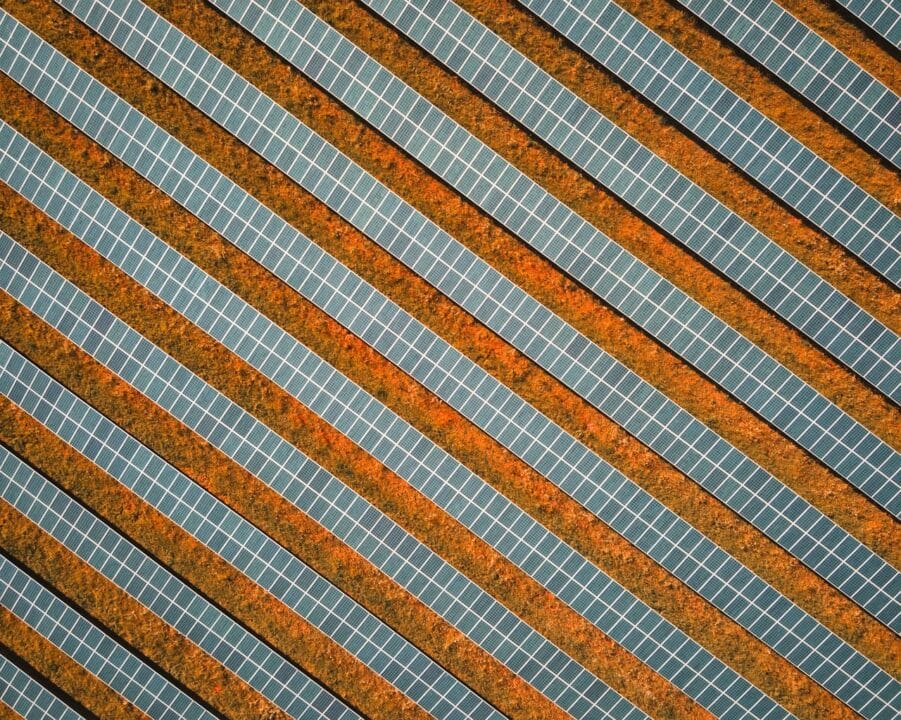
Energy Transition in the Middle East and North Africa with Accelerated Renewable Expansion in Onshore Solar and Wind Energy.
According to the International Energy Agency (IEA), the use of **renewable energy** is expected to more than double in the next 10 years in several countries, including the United States, European Union, India, and Brazil. Favorable political environments and the growing economic appeal of **renewable energies** are the main factors driving this acceleration, according to a report released by the IEA on Thursday (January 11). In 2023, it is estimated that 96% of the newly installed large-scale **solar** and **wind** capacity had generation costs lower than those of new coal and natural gas power plants, revealing the growing economic viability of **clean energies**. The price of solar modules dropped nearly 50% compared to the previous year, with manufacturing capacity reaching three times the levels of 2021, making **solar energy** even more financially attractive.
Renewable Energy
In the European Union and Brazil, the expectation is that rooftop solar panel installations will surpass those of large power plants, with residential and commercial consumers investing in their own generation to reduce their electricity bills. In Brazil, self-generated solar energy grew by 40% in 2023.
Sustainable Energy
In the United States, the Inflation Reduction Act (IRA) is already showing results in accelerating capacity additions, despite supply chain issues and short-term trade concerns.
-
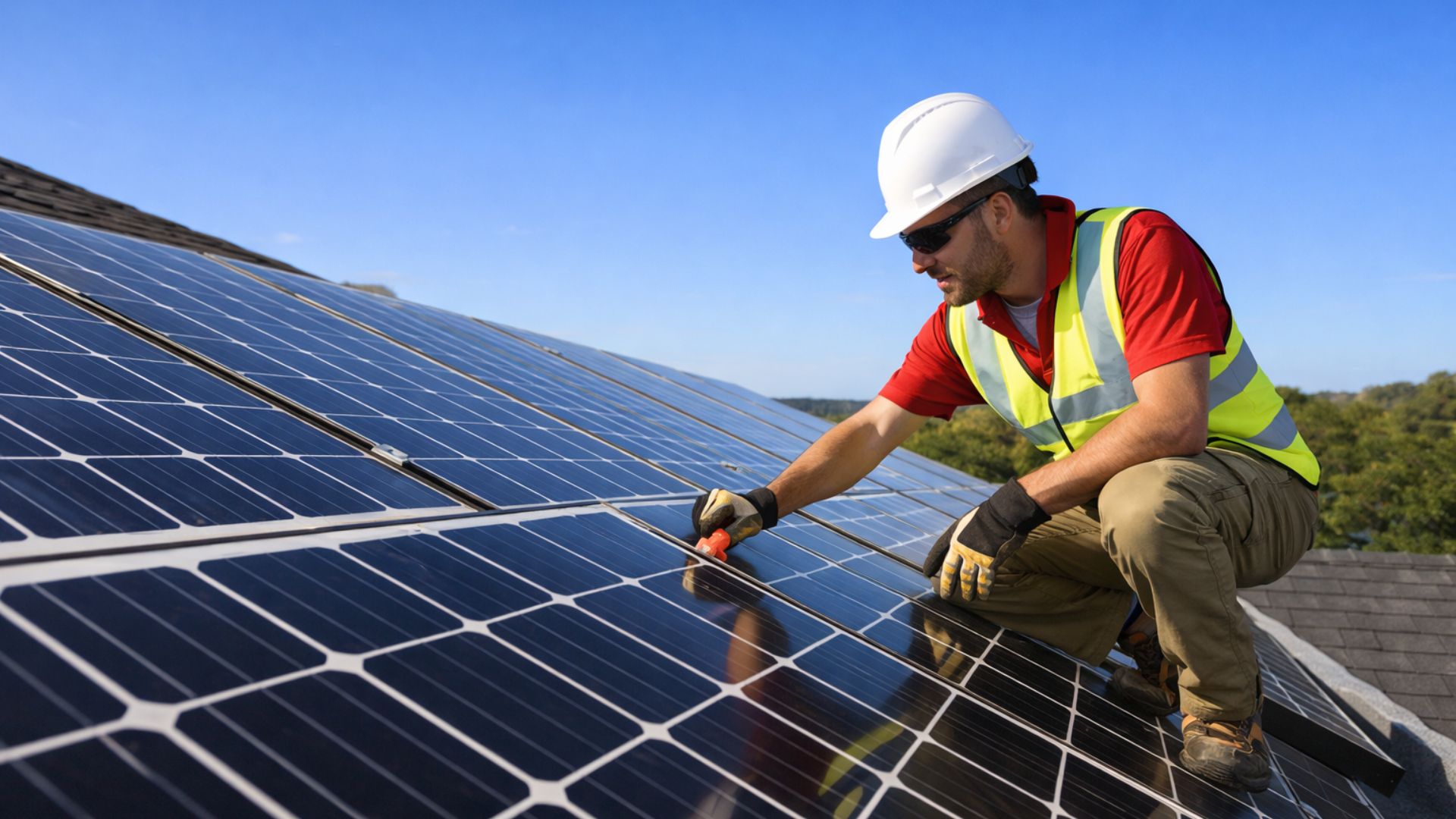
Seagri’s headquarters invests in solar energy with Neoenergia Coelba and promises to cut electricity costs, highlighting a strategic advance in sustainability and energy efficiency within state public administration.
-
A Canadian retiree creates a hydroelectric system on a real river, generating energy continuously throughout the day and demonstrating how the power of water can supply a house with stability even in a simple structure.

-
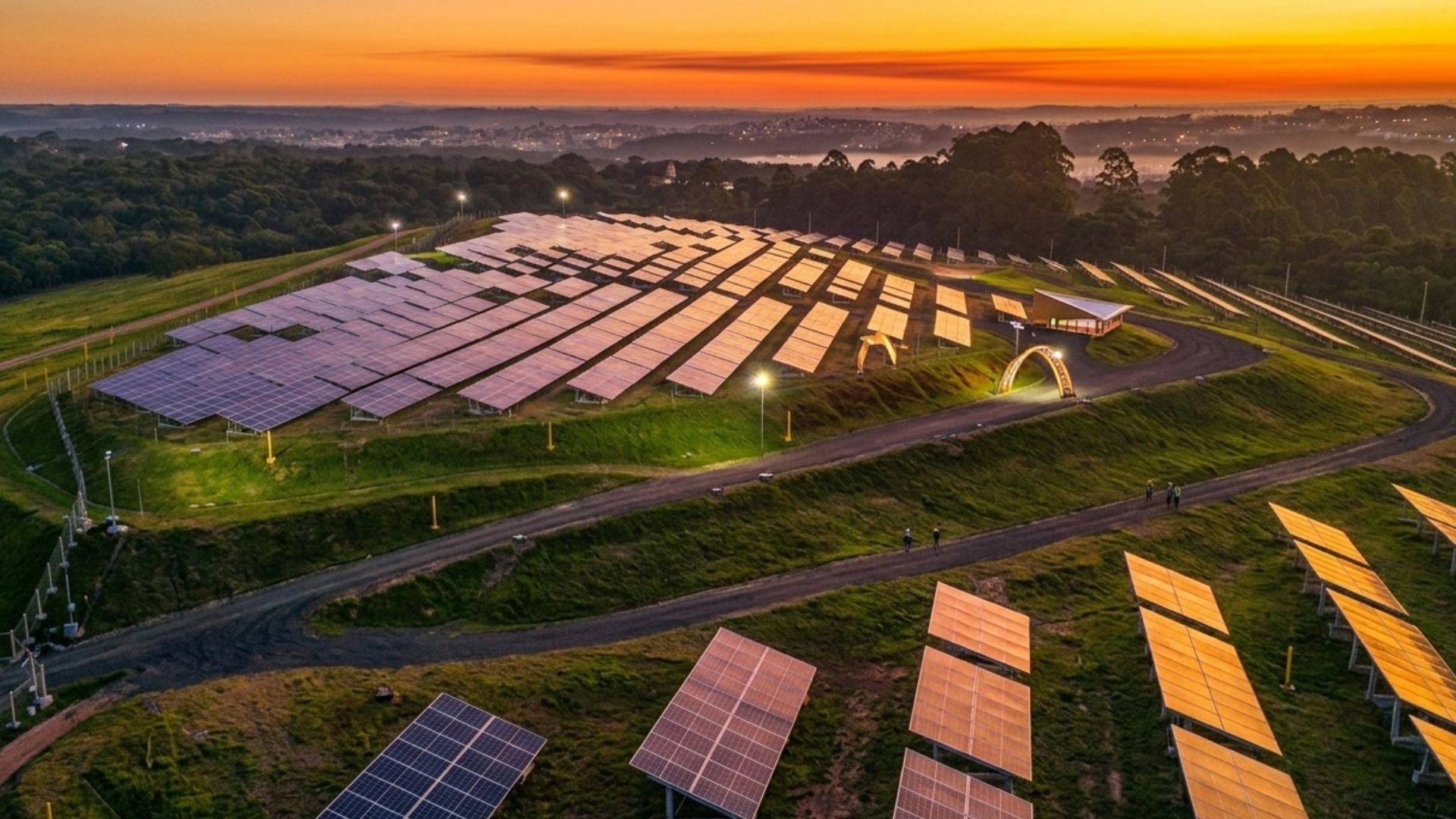
Solar Pyramid draws attention by converting solar energy into million-dollar savings and repositioning the City Hall of Curitiba as an example of innovation, sustainability, and intelligent use of public resources.
-
Petrobras reaffirms its commitment to the market and ensures that it will carry out the energy transition safely to maintain national sovereignty.


Green Energies
India has an accelerated schedule of auctions for large-scale onshore wind and solar photovoltaic, which, along with the improvement in the financial health of distributors, is expected to accelerate installations.
Solar Energy Capacity
According to the IEA, the world is on track to add more renewable capacity in the next five years than has been installed since the first commercial renewable energy plant was built more than 100 years ago.
Accelerated Timeline
In the report’s main scenario, nearly 3.7 terawatts (TW) of new renewable capacity will come online between 2023 and 2028, driven by supportive policies in more than 130 countries, with solar and wind accounting for 95% of this expansion.
Inflation Reduction Act (IRA)
By 2024, the agency sees onshore wind and solar photovoltaic generating more electricity together than hydropower. Renewables are expected to surpass coal in 2025 and nuclear between 2025 and 2026. By 2028, they are projected to account for more than 42% of global electricity generation, with wind and solar shares doubling to 25%.
COP28 Goal
However, it notes that a political effort will still be necessary to achieve the COP28 goal of tripling global renewable energy capacity by 2030 to 11 TW.
International Energy Agency (IEA)
‘Under current policies and market conditions, global renewable energy capacity is expected to reach 7.3 TW by 2028. This growth trajectory would see global capacity rise to 2.5 times its current level by 2030, falling short of the tripling target. Governments can close this gap to exceed 11 TW by 2030, overcoming current challenges and implementing existing policies more swiftly’, the document notes.
Expansion of Renewable Energies
The necessary policies to achieve the collective goal of tripling renewables by 2030 vary significantly by country and region.
Global Electricity Expansion
According to the report, G20 countries account for nearly 90% of global capacity, and in an accelerated scenario that assumes improved implementation of existing policies and targets, the bloc could triple these installations.
Challenges to Triple Renewable Capacity
However, investments need to accelerate in other countries as well, including emerging and developing economies outside the G20, some of which still lack targets and supportive policies.
Expansion of Renewable Capacity
The agency divides the challenges into four categories: 1) political uncertainties and late responses to new macroeconomic conditions; 2) insufficient investment in grid infrastructure that hinders faster expansion of renewable energies; 3) complex administrative barriers and authorization procedures, as well as social acceptance issues; 4) insufficient financing in emerging and developing economies.
Onshore Wind Energy
Even with the gradual phase-out of subsidies between 2020 and 2021, China is expected to install almost 60% of the new renewable capacity expected to become operational globally by 2028.
Boosting Renewable Energy
The forecast is that the Asian country will achieve its national targets for onshore wind and photovoltaic installations scheduled for 2030 by 2024. By the end of the decade, nearly half of China’s electricity generation will come from renewable sources.
Renewable Growth Trend
Other regions of the world are also beginning to see an acceleration in installations, particularly the Middle East and North Africa, thanks to political incentives. In Sub-Saharan Africa, however, expansion is still expected to fall short of local potential and demand.
Growth of Renewable Capacity
Global annual additions of renewable capacity increased by nearly 50% to almost 510 gigawatts (GW) in 2023, the fastest growth rate in the last two decades. This marks the 22nd consecutive year of record highs.
Chinese Leadership in Renewable Energy
Highlighting Europe, the United States, and Brazil, where these installations have reached record levels.
Sustainable Energy
But it is China that remains in the lead. In 2023, the country commissioned as much solar photovoltaic energy as the entire world did in 2022, according to the IEA. In wind energy, annual growth was reported at 66%.
Global Electricity Expansion
Globally, solar photovoltaic accounted for three-quarters of renewable capacity additions worldwide.
Source: EPBR










Seja o primeiro a reagir!