Portuguese
  Spanish


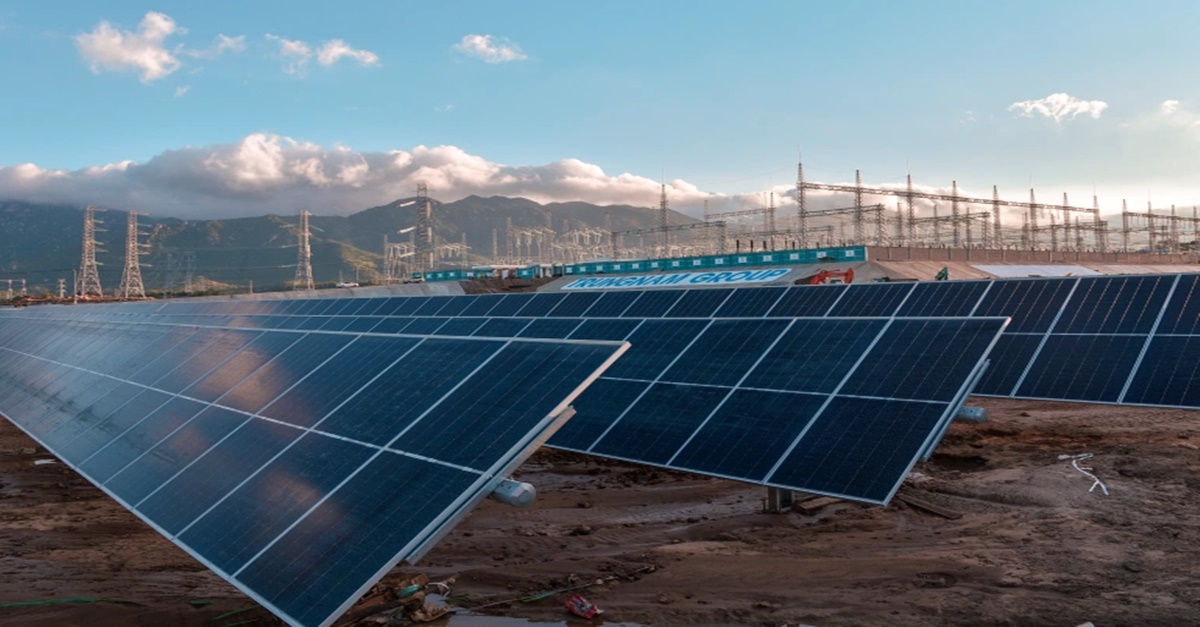

Hydropower Continues to Be the Largest Renewable Source, Solar Is Currently the Main Source of Growth, Followed by Onshore and Offshore Wind Energy
Solar power is expected to lead an increase in renewable supply over the next 10 years, said the International Energy Agency, with renewables accounting for 80% of the growth in global electricity generation under current conditions. Speaking on the subject, the French oil and gas company Total and Google are partnering and developing a tool to predict the potential of solar photovoltaic energy on rooftops
Read Also
- Billion-Dollar Investment in Brazil: British Oil Company BP Bets on Brazilian Ethanol and Will Invest Over 1 Billion Reais in Sugarcane Fields
- 200,000 Jobs in Brazil Generated Through the Deployment of Solar Photovoltaic Energy
- Canada Recruits Brazilians to Fill Over 200 Job Vacancies; There Is No Age Limit for Applicants
In a scenario where Covid-19 is gradually brought under control in 2021 and governments adhere to previously announced policy decisions, renewables are expected to meet 80 percent of global electricity demand growth over the next decade.
The combined share of solar photovoltaic and wind energy in global generation will rise to nearly 30 percent by 2030 from 8 percent in 2019, with solar photovoltaic capacity growing at an average of 12 percent per year.
-
World’s Largest Engie Solar Plant in Brazil Highlights Billion-Dollar Energy Waste Issue: Company Considers Batteries and Bitcoin Mining to Avoid Wasting Production

-
Air Products Cancels $2.9 Billion Clean Hydrogen Megaproject in Louisiana, Shuts Down Arizona Unit, Highlighting High Costs of U.S. Energy Transition
-
Over 60 Tractors Take to the Streets in Lopera as Solar Parks Compete with Olive Groves, Affecting 13,000 to 100,000 Trees According to Conflicting Reports

-
Green Hydrogen Projects in Northeastern Brazil Stalled for 18 Months Awaiting Government Decree, Delaying Billions in Investments


Although hydropower remains the largest renewable source, solar is currently the main source of growth, followed by onshore and offshore wind energy.
In its analysis, it found that solar photovoltaic energy is now consistently cheaper than new coal or gas plants in most countries, and solar projects now offer some of the lowest electricity costs ever seen.
“I see solar energy becoming the new king of global electricity markets. Based on today’s policy settings, it is on track to set new records for deployment every year after 2022,” commented IEA Executive Director Dr. Fatih Birol.
The IEA is warning that strong growth in renewables needs to be matched with robust investment in electricity grids. Without sufficient investment, grids will prove a weak link in the energy sector transformation, with implications for the reliability and security of electricity supply.
Fossil fuels also face several challenges in the coming years, with coal demand unlikely to return to pre-crisis levels in expected scenarios.
Its share in the energy matrix by 2040 is projected to fall below 20% for the first time since the Industrial Revolution. But the IEA foresees significant growth for natural gas, particularly in Asia, while oil remains vulnerable to major economic uncertainties arising from the pandemic.
“The era of global oil demand growth will come to an end in the next decade,” Dr. Birol said. “But without a major shift in government policies, there is no sign of a rapid decline. Based on today’s policy settings, a global economic recovery would soon push oil demand back to pre-crisis levels.”