





 Portuguese
  English
  Spanish
  5 min of reading
  0 comments


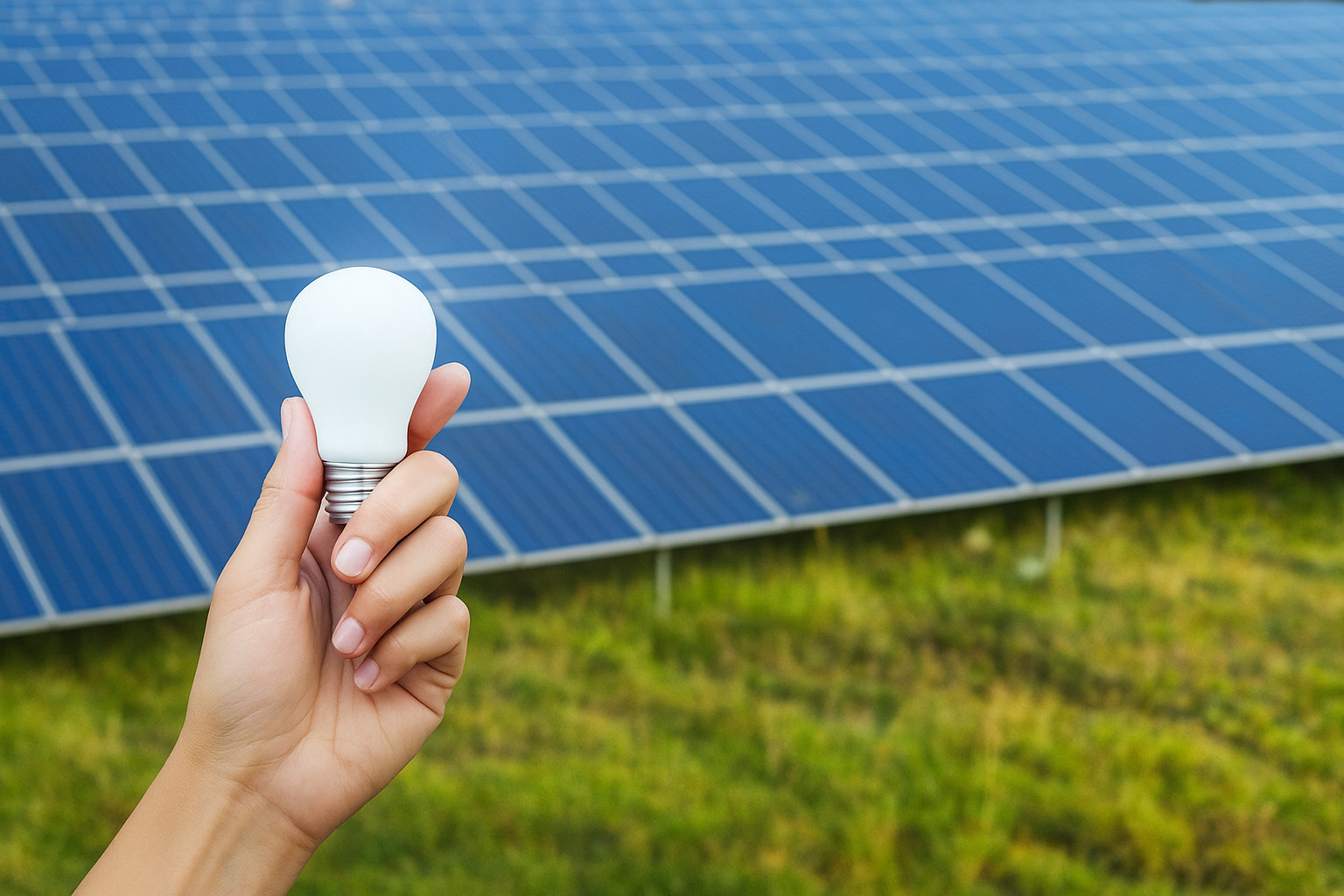
Discover How the Future of Solar Energy Promises to Transform the Market, Uniting Innovation, Sustainability, and Investment Opportunities Across Brazil.
Solar energy has ceased to be a marginal alternative in the energy sector and has taken center stage in the discussion about sustainability and energy transition. From the first experiments with photovoltaic cells in the 19th century to the installation of large solar power plants today, the trajectory of solar energy records technological advancements and adaptations to the economic and environmental needs of society.
In Brazil, therefore, this historical journey reflects both the natural potential of the country and the evolution of public policies aimed at diversifying the energy matrix.
Moreover, the country has favorable climatic conditions for generating solar energy, with high radiation levels in almost all regions. This scenario, coupled with government incentives and the search for cleaner sources, positions Brazil among the world leaders in installed solar energy capacity.
-
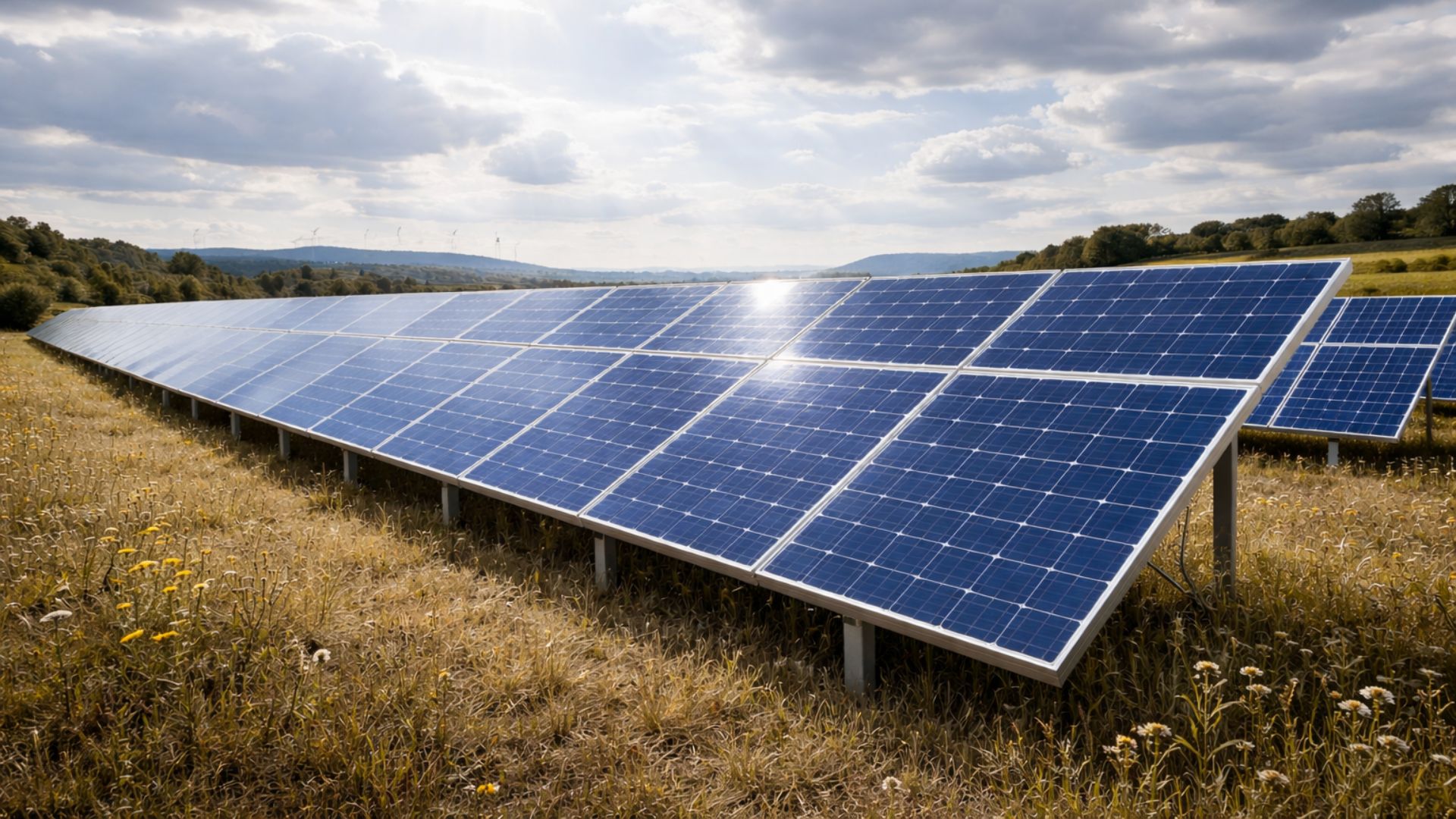
Jacareí advances with a photovoltaic plant and bets on sustainability to transform public management with clean solar energy, reducing operational costs and strengthening energy efficiency in essential services.
-
Maricá transforms Risca-Faca into Leonel Brizola Neighborhood with solar energy and promises to reduce costs for families while promoting dignity, urbanization, and social development in a historically vulnerable community.

-
The future of the electrical grid: How Virtual Power Plants (VPPs) are revolutionizing the monetization of solar energy and creating new income sources for consumers in 2026.

-
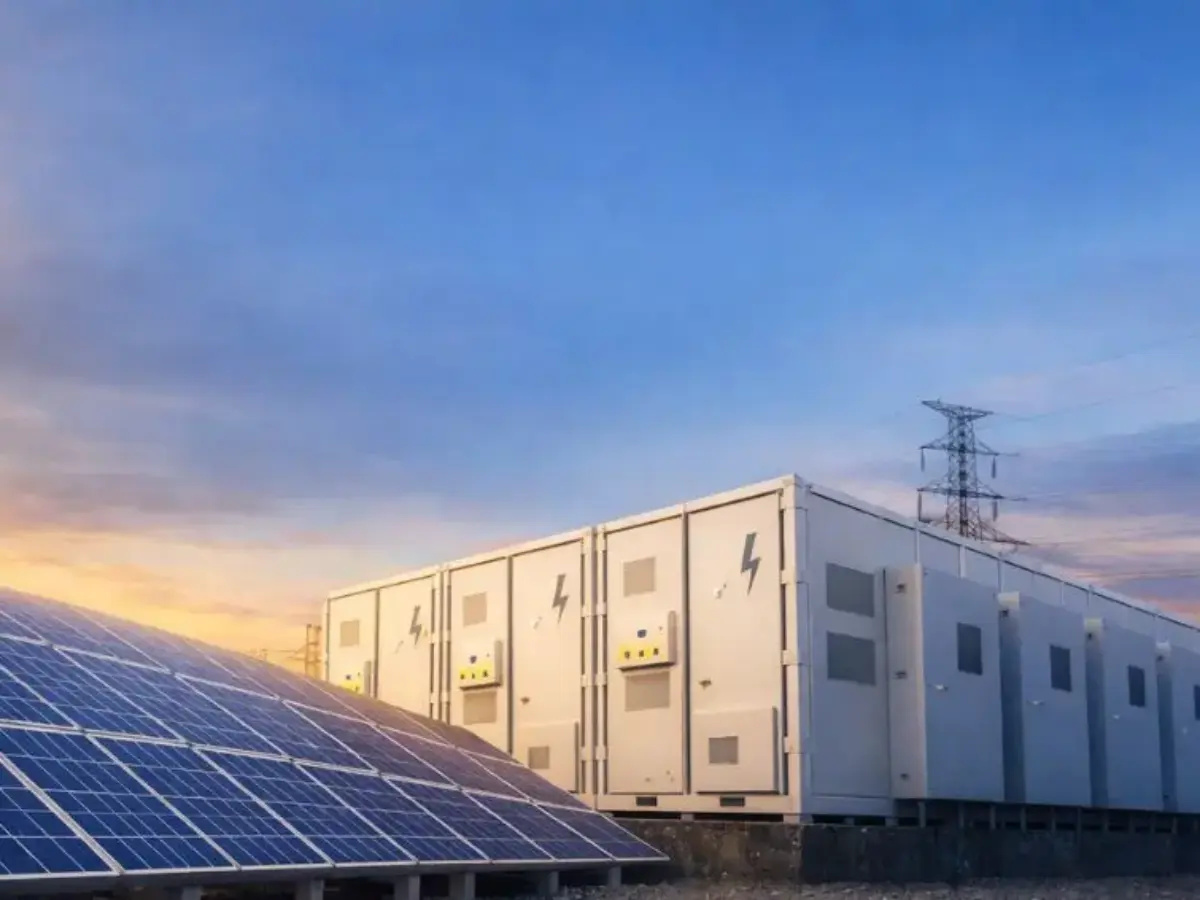
Revolution in the electric sector: ANEEL approves the operation of the first BESS project co-located with a solar plant in Brazil to stabilize the grid and optimize renewable generation in 2026.
By 2025, it was ranked sixth globally, demonstrating that solar energy is no longer just environmentally correct, but also strategically economic.
Indeed, besides natural conditions, the growth of the sector occurs thanks to the awareness of the population about the importance of renewable energy sources.
Thus, consumers increasingly informed about the environmental impacts of energy consumption seek solutions that reduce their carbon emissions and contribute to sustainability.
Consequently, this social movement generates a growing demand, which stimulates new investments, innovation, and competitiveness in the market.
Investment and Sector Expansion
Therefore, the future of solar energy in Brazil and worldwide depends on different fronts of investment.
In addition to residential installations, where families can generate their own energy and reduce costs, the sector expands through large power plants and shared generation models, in which companies and consumers share energy credits.
In this way, this diversity allows investors of various profiles to find opportunities, with an estimated financial return between three and seven years, depending on the project’s scale.
Thus, the continuous growth of the sector reflects not only the demand for clean energy but also the maturity of a market that is consolidating economically.
Moreover, the cost of residential solar energy, although still significant, gradually decreases.
Installing a photovoltaic system may require an initial investment that varies according to consumption and installation complexity; however, the trend indicates that this barrier will become smaller over time.
Thus, the drop in equipment prices, combined with market expansion, makes solar energy more accessible to different segments of the population.
Furthermore, residential systems generate noticeable savings on electricity bills, in some cases up to 90%, reinforcing the practical and immediate aspect of this technology.
Indeed, another factor driving the sector is the growing availability of financing and special credit lines, allowing the acquisition of solar systems with installments compatible with family or business budgets.
As a result, this democratization of access broadens the technology’s reach, making it not only sustainable but also financially viable for more people.
Sustainability and Environmental Impact
Moreover, the sustainability of solar energy further strengthens its relevance in the energy future.
By generating electricity without emitting greenhouse gases, solar panels directly reduce the impacts of climate change.
Equally important, the lifespan of the equipment, which can exceed two decades, ensures that the investment remains durable and environmentally responsible.
Thus, experts assert that the growing adoption of this technology decreases dependence on hydroelectric plants, whose efficiency suffers during dry periods, and promotes greater energy security.
Therefore, technological innovations play a central role in the expansion of the sector and shape the future of solar energy.
Among the most promising advances are bifacial panels, which capture light on both sides and increase generation efficiency; battery storage systems, which allow the use of energy even when the sun isn’t shining; and solar tiles, which integrate architecture and electricity production seamlessly.
Additionally, the integration with electric mobility enables charging vehicles with renewable energy, expanding the presence of clean energy in urban and business settings.
Likewise, the sector also explores innovative energy monitoring and management solutions.
Smart software allows consumers to track in real-time the production, consumption, and storage of the generated energy, optimizing resources and reducing waste.
Therefore, this technological integration strengthens user autonomy and improves overall energy efficiency.
The Role of the State and Public Policies
Moreover, state support is equally important for consolidating the solar energy market.
Incentive programs, credit lines, and tax benefits expand access and stimulate new investments.
Indeed, public policies aligned with decarbonization goals create a safe and predictable environment for investors and consumers.
As a result, the combination of technological innovation, cost reduction, and government incentives establishes a solid foundation for the sector to continue growing sustainably.
Therefore, the future of solar energy also involves the transformation of habits and business models.
As demand increases, new business strategies emerge, allowing companies to offer more flexible and accessible solutions.
Thus, shared generation allows smaller consumers or those with limited space to participate in the solar energy market.
In this way, this dynamism ensures that the sector doesn’t rely solely on large investors, but involves society in building a cleaner and more efficient energy future.
Perspectives and Horizons of the Sector
Historically, the trajectory of solar energy shows how the combination of technology, public policies, and environmental awareness transformed a marginal alternative into a central matrix.
From the first experimental panels to intelligent systems integrated into modern homes and industries. Progress highlights humanity’s capacity to innovate in the face of climate and energy challenges.
Therefore, this evolution reinforces the idea that the future of solar energy will be characterized by expansion, accessibility, and positive impact on both the environment and the economy.
Moreover, the sector’s horizon indicates that solar energy will continue to gain ground in the global and national markets.
The trend is that new advancements will increase efficiency, reduce costs, and facilitate the integration of technology in various contexts, from homes to large industrial complexes.
Thus, the sector’s constant growth reinforces its economic viability and highlights its strategic role in building a sustainable development model.
Therefore, it can be stated that the future of solar energy is promising.
The combination of historical, technological, economic, and environmental factors shows that this renewable source has the potential to transform the Brazilian and global energy matrix.
Furthermore, solar energy represents not only an investment opportunity but also a commitment to the planet, bringing consumers, businesses, and governments closer to a more responsible and innovative development model.
Likewise, the expansion of solar energy creates jobs in the manufacturing, installation, and maintenance of equipment, as well as in the development of startups and technological solutions focused on energy efficiency.
Therefore, these impacts reinforce the strategic importance of the sector and indicate that the growth of solar energy is sustainable both environmentally and economically.










Seja o primeiro a reagir!