





 Portuguese
  English
  Spanish
 4 min of reading


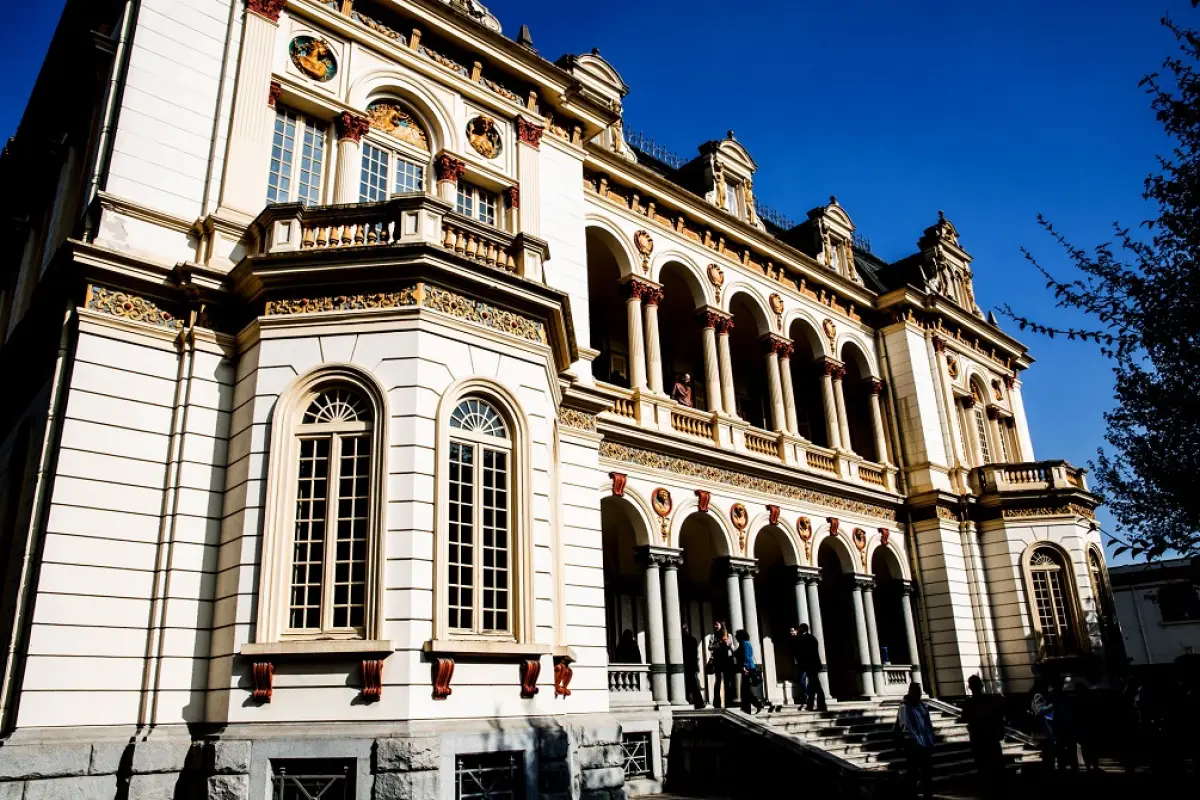
The Government of São Paulo Faces a Great Controversy Over Governor Tarcísio de Freitas’ Proposal to Move the Seat of the São Paulo Government to the Palácio dos Campos Elíseos in the Central Region of the City.
The idea is to build an administrative hub to house all state secretariats, as well as revitalizing the area. However, fears arise about the fate of homeless residents and vulnerable individuals living in the city center.
According to the government plan presented by Governor Tarcísio de Freitas, the goal of the move is to reduce costs and modernize state management. The Palácio dos Campos Elíseos would have 4,000 square meters divided into four floors and would be the location of the new seat of government, according to estimates from the governor himself.
Thus, land and buildings in the Campos Elíseos area would be acquired to house administrative units through partnerships with the private sector. However, experts warn about the possible effects of this change on the city center. Erminia Maricato, architect and urban planner, states: “If we are going to recover the city center, we have to ask ourselves what is a priority. We will not achieve this without solving the problem of Cracolândia and the homeless.”
-
A new Brazilian shopping center worth R$ 400 million will be built in an area equivalent to more than 4 football fields, featuring 90 stores, 5 cinemas, a supermarket, a college, and parking for 1,700 cars, potentially generating 3,000 jobs.

-
Larger than entire cities in Brazil: BYD is building a 4.6 km² complex in Bahia with a capacity for 600,000 vehicles per year, but the discovery of 163 workers in conditions analogous to slavery has shaken the entire project.

-
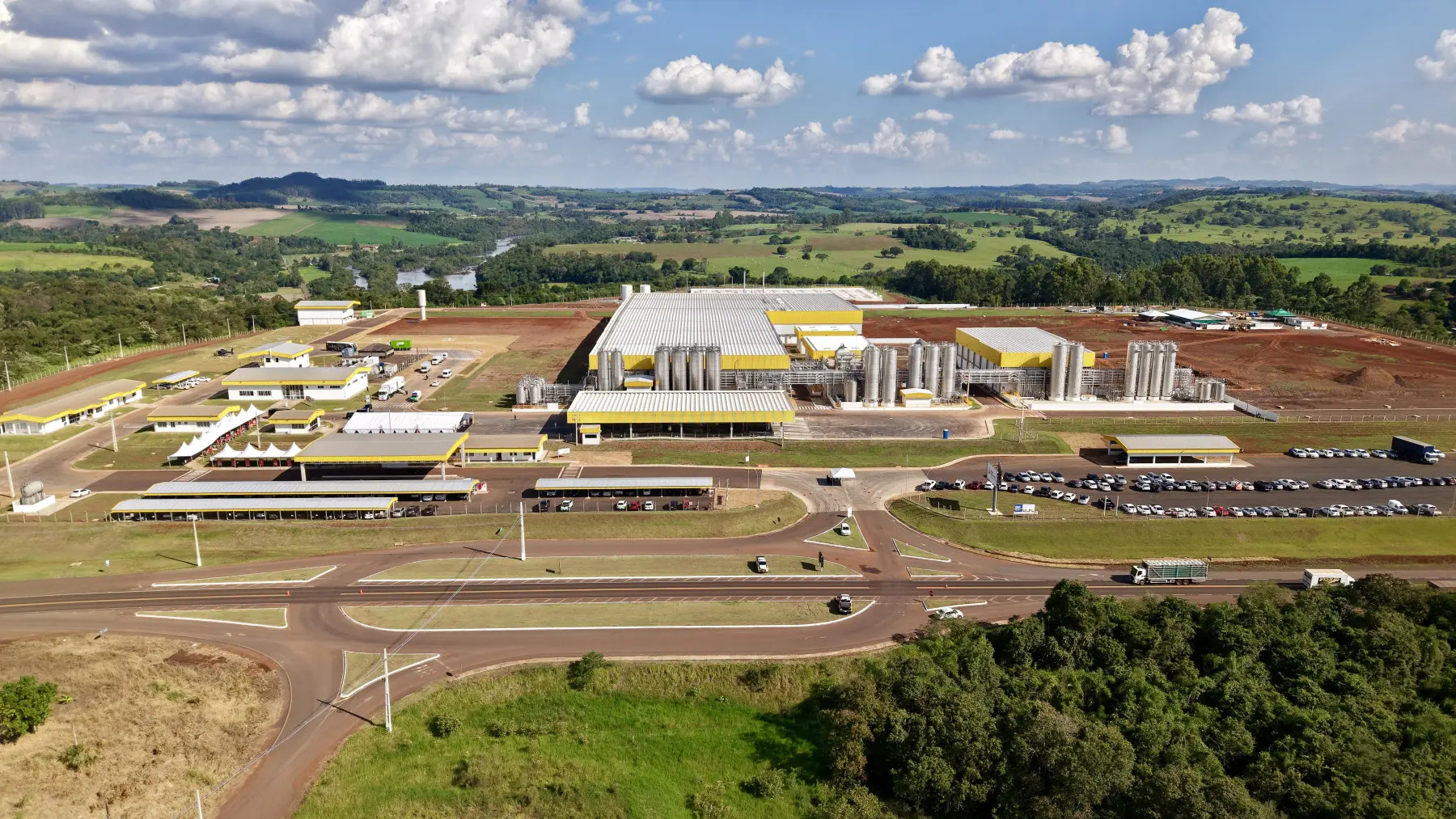
With an investment of R$ 612 million, a capacity to process 1.2 million liters of milk per day, Piracanjuba inaugurates a mega cheese factory that increases national production, reduces dependence on imports, and repositions Brazil on the global dairy map.
-
Brazilian city gains industrial hub for 85 companies that is equivalent to 55 football fields.


In the same way, Amanda Amparo, anthropologist and PhD candidate at USP, also criticizes the proposal: “The government itself is not clear about what it wants for the center. This idea comes along with the perspective of gentrification.”
Jorge do Carmo, state deputy (PT), questions the real intention of the governor: “It is necessary to pay special attention to the real intention on the part of the current government in effecting such a significant change. Is it really intended to bring the government closer to the people, or is the intention lurking behind this to boost real estate speculation in the central region?”.
While these debates persist, other questions are raised about the impacts this will have on the local population and its cultural characteristics. The Museum of Favelas is an example of this, as it was inaugurated in 2021 to document the memory and cultural productions of Brazilian peripheries, but is now at risk of closing due to the new governor’s proposal.
Despite the questions about the possible negative impacts of this project in the city center, the future remains uncertain as the debates continue heated among the various political and social sectors involved in this discussion. Only time will tell what the final destination of this innovative proposal will be.
The Palácio dos Bandeirantes Was Built in 1955 With the Aim of Housing the Fundação Conde Francisco Matarazzo University, but Its Works Were Interrupted in 1959 When the State Bought the Property.
In 1964, the building’s work was completed and was named in honor of the bandeirantes, a group of explorers who brutalized the indigenous people in the state of São Paulo. The site also features works by renowned artists such as Portinari, Antonio Henrique, Djanira Motta e Silva, and Aldemir Martins, which can be viewed in exhibitions at the site. Additionally, there is the Sala dos Pratos and the Galeria Governadores.
The proposal by the Governor Tarcísio de Freitas is considered by some to be a marketing move, as there are other ways to recover the old center of the city. According to Maricato, an urban planner and university professor, it is possible to renovate old buildings in the city center at a lower cost than building housing complexes in the periphery.
The move of the government seat to the Palácio dos Bandeirantes has generated controversy, as many believe this decision does not improve the living conditions of homeless people. Despite this, it represents a historical milestone for São Paulo, as it will be the first time since 1965 that the seat of government will leave Morumbi to be transferred to another location.
Tarcísio Proposes Changes to the Seat of Government to Revitalize SP and Improve Security








Seja o primeiro a reagir!