






 Portuguese
  Spanish



“I Want to Reach the End of Next Year with the Intent to Make a Capitalization Operation. Let’s See if This Intent Will Be Confirmed. We Understand the Complexity, the Sensitivity of the Topic, but We Are at the Same Time Optimistic that We Will Be Able to Develop the Studies, the Models, I Think There Is a Lot of Interest, There Will Be a Lot of Cooperation on This Journey,” He Said.
According to Tarcísio, this will happen as soon as they come to the conclusion that “we will be able to make the investment, meet the deadline for service universalization, make more connections, build more treatment stations, invest in water reuse, reduce losses and at the same time lower tariffs.”
The current governor added studies for the immediate privatization of Sabesp. Tarcísio believes that privatization should follow the same models as Eletrobras. In his view, Tarcísio, the governor of São Paulo still needs to have a conversation with the federal governor. He also stated that he has initiated a dialogue with the government and that “the relationship with Brasília is republican, as I have always said it would be.”
According to some information from Estadão, Tarcísio de Freitas said that the “next issue” is basic sanitation and that investment funds and large investors have “a lot of interest.” However, Freitas says that the Sanitation Framework brought even more “clarity” from a regulatory standpoint and that they consider “difficult” any regressions in this regard.
-
A city with 8,000 inhabitants will receive R$ 25 billion to host the largest single-stage pulp mill in the world, with a production of 3.5 million tons per year and a cost of R$ 45 million.

-
He left India for Oman in 1976, entered through the door of luxury finishes, and took Sobha to the premium real estate market in the Middle East.

-
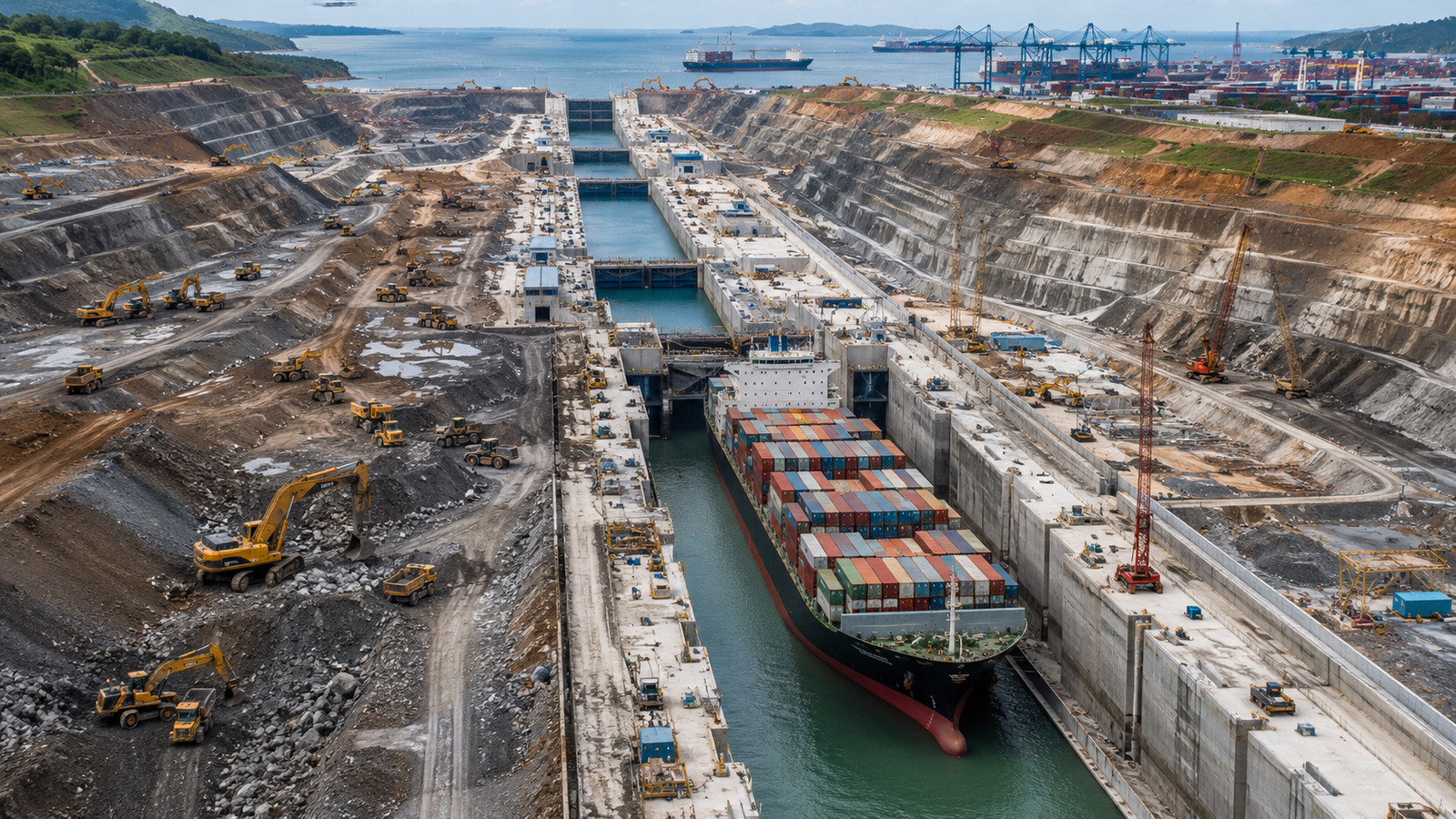
China wants to impress the world once again with a mega canal featuring giant locks, deep waters, and space for the largest ships, in a project aimed at shortening journeys, reducing queues, and rivaling the Panama Canal in global trade.

-
Brazil saved US$ 32.4 billion in 2025 by switching from fossil to renewable energy and only ranked behind China and the United States on the IRENA global podium.



A decree published in São Paulo will define how the governor’s investment partnership program will function regarding the studies for the privatization of state companies, such as Emae (Metropolitan Company of Water and Energy) and Sabesp. The analyses will be conducted by companies that will be hired and submitted to a council specifically for this purpose, which will be chaired by Vice Governor Felício Ramuth (PSD).
The government aims to attract R$ 70 billion in investments for its project list. The decrees that create the investment partnership programs and define the rules for each concession, privatization, and public-private partnerships still follow the models of each federal government program that has existed since 2016.
Earlier this month, the so-called “super-secretary” of Environment, Infrastructure, and Logistics, Natália Resende, stated that the initial step for the privatization of the state sanitation company will be taken within the first hundred days of the administration, with extensive studies to be contracted.
“Some other models of de-statization for Sabesp can also be evaluated,” Resende reports. Natália claims that they will still detail all scenarios, but that she already has a slight “feeling” or even “sense” of how this process will proceed. Resende also states that she views the privatization model that occurred with Eletrobras in a very interesting way. The super-secretary adds that the government of São Paulo “will study the de-statization of Sabesp, encompassing privatization” and also stated: “If this is the best option, we will move towards it.”


