





 Portuguese
  English
  Spanish
  4 min of reading
  0 comments


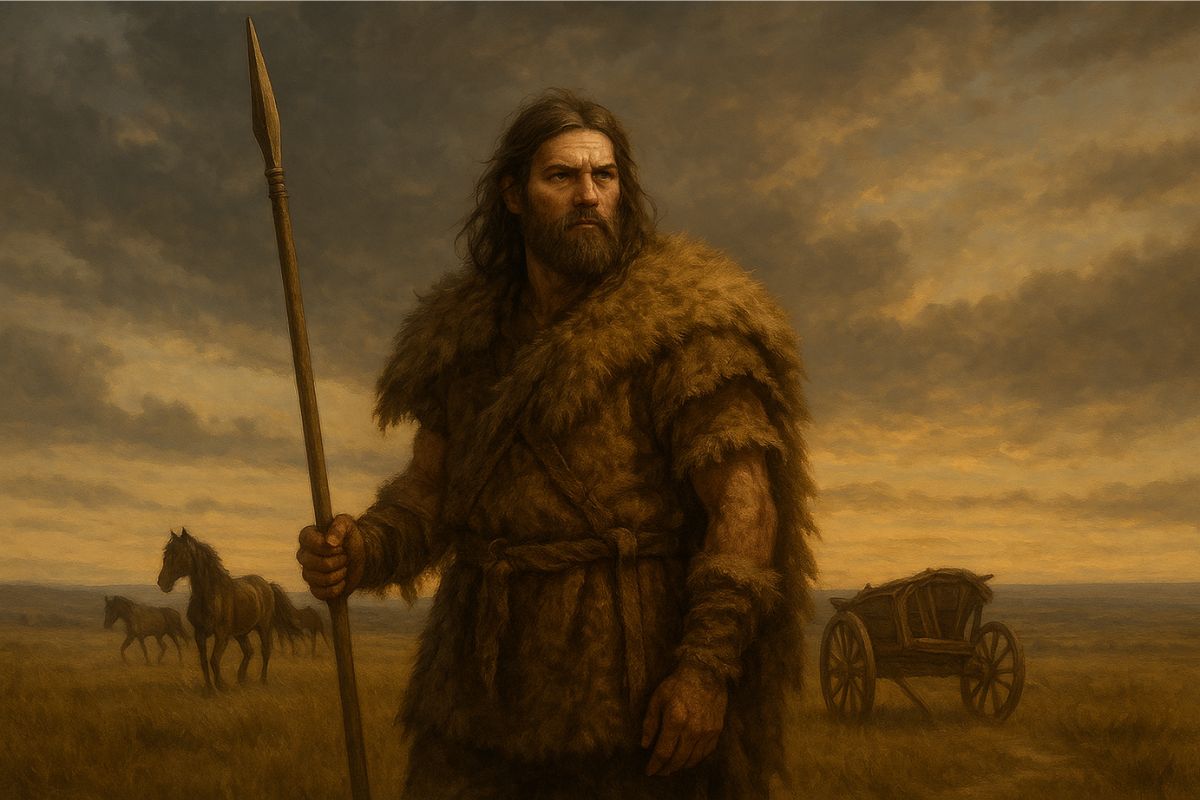
Before the Romans, a Nomadic People Were Already Changing the Planet — Including Part of the Genetics of Millions of Current Brazilians. Meet the Yamnaya
For a long time, the Yamnaya were just another group vaguely mentioned by archaeologists. But that began to change with the advancement of archaeogenetics, a field of science that intersects archaeology with DNA analysis. It was through genetic studies of ancient skeletons found in regions of the Eurasian steppe that researchers noticed something surprising: the Yamnaya left a dominant biological mark across the European continent.
A groundbreaking study from 2015, published in the Nature journal, revealed that up to 90% of the DNA of Bronze Age populations in Central Europe came from groups associated with the Yamnaya. This discovery turned upside down the way we understand the formation of modern Europe.
And most intriguing: this people did not leave giant monuments, did not found cities, nor did they develop a known writing system — but their impact was greater than that of many classical civilizations.
-
Sleeping at different times each day can be a bomb for your heart and even double your risk of having a heart attack.

-
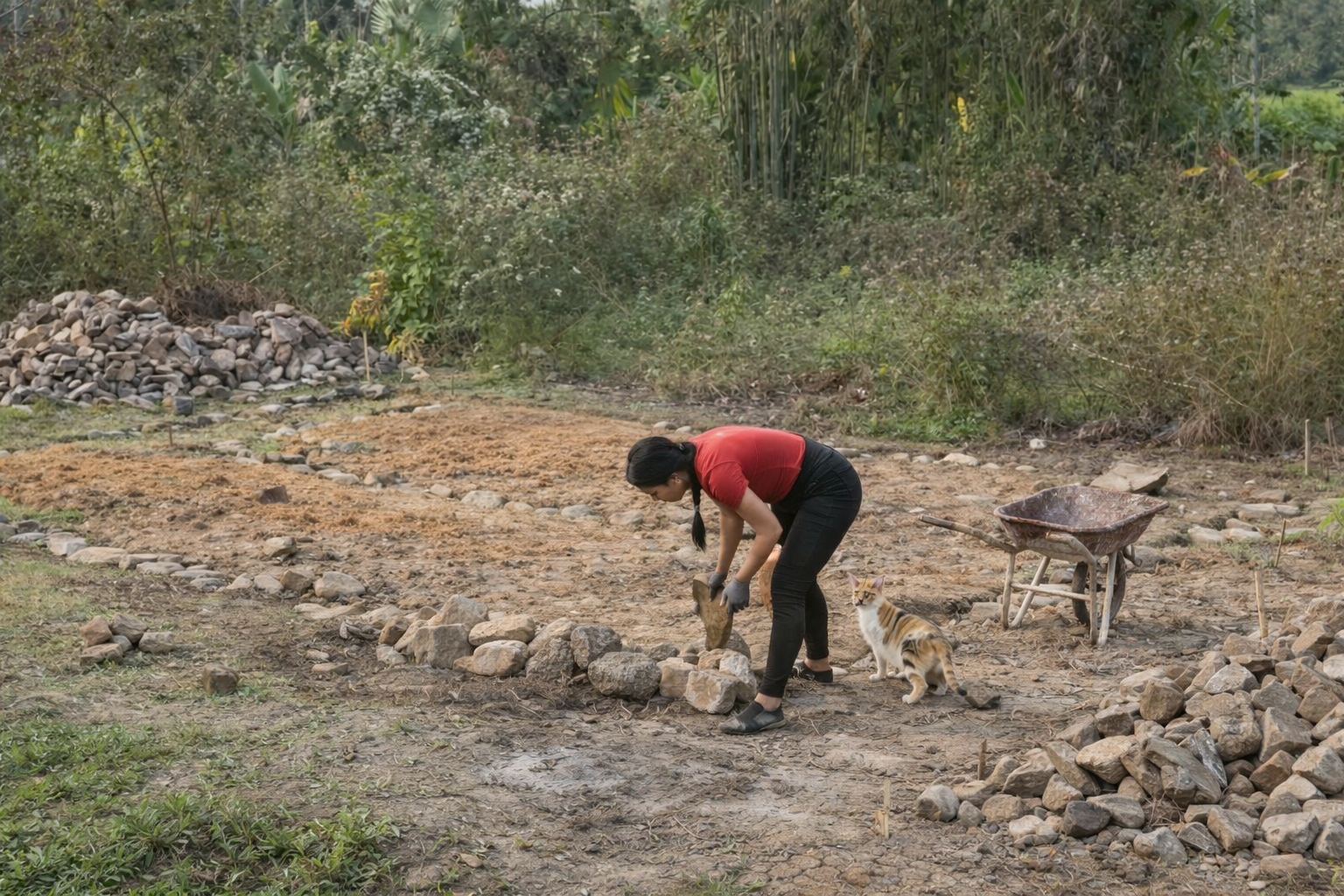
Without help and without heavy machinery, a woman builds a house from scratch with stone, wood, and cement, erects a chimney, creates a complete leisure area, and transforms an empty lot into her dream home.
-
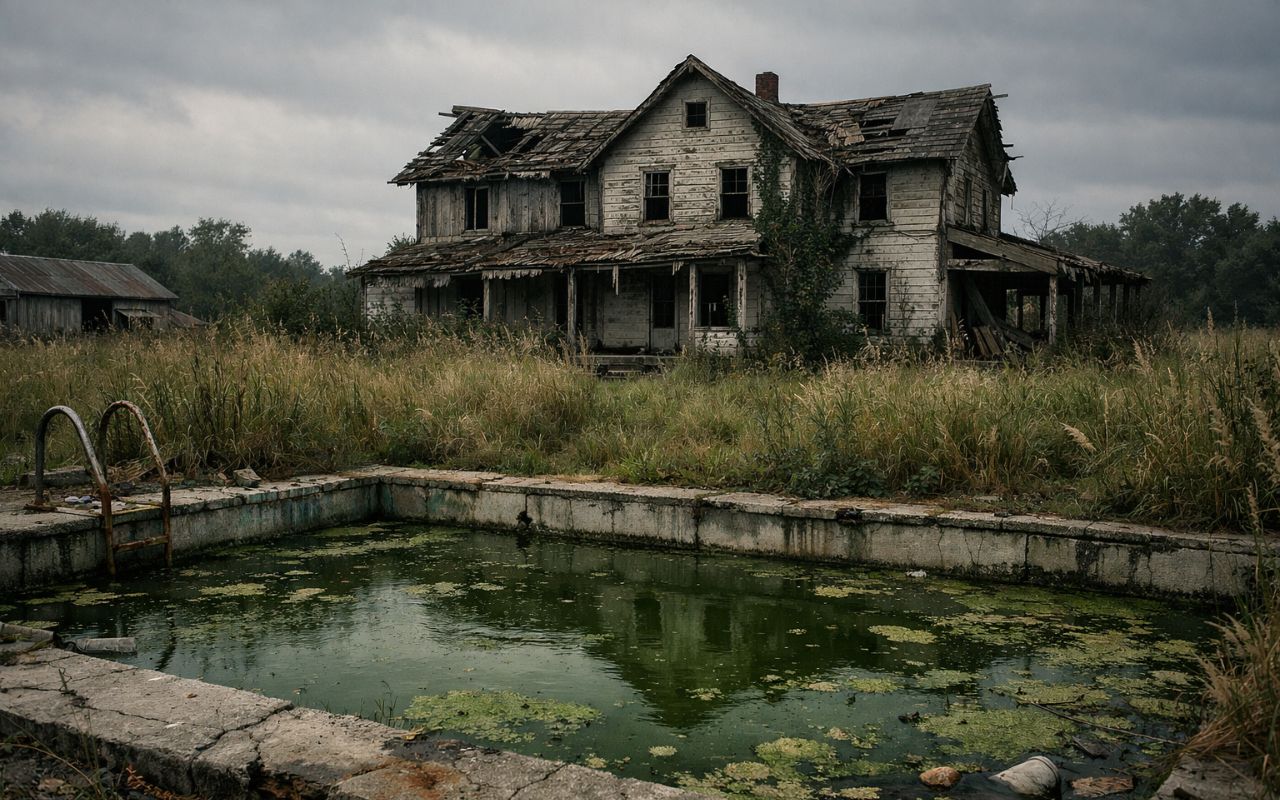
Couple transforms abandoned house after years of being closed; residence was overgrown with weeds, had a green pool, and a deteriorated structure in the interior of Rio de Janeiro.
-
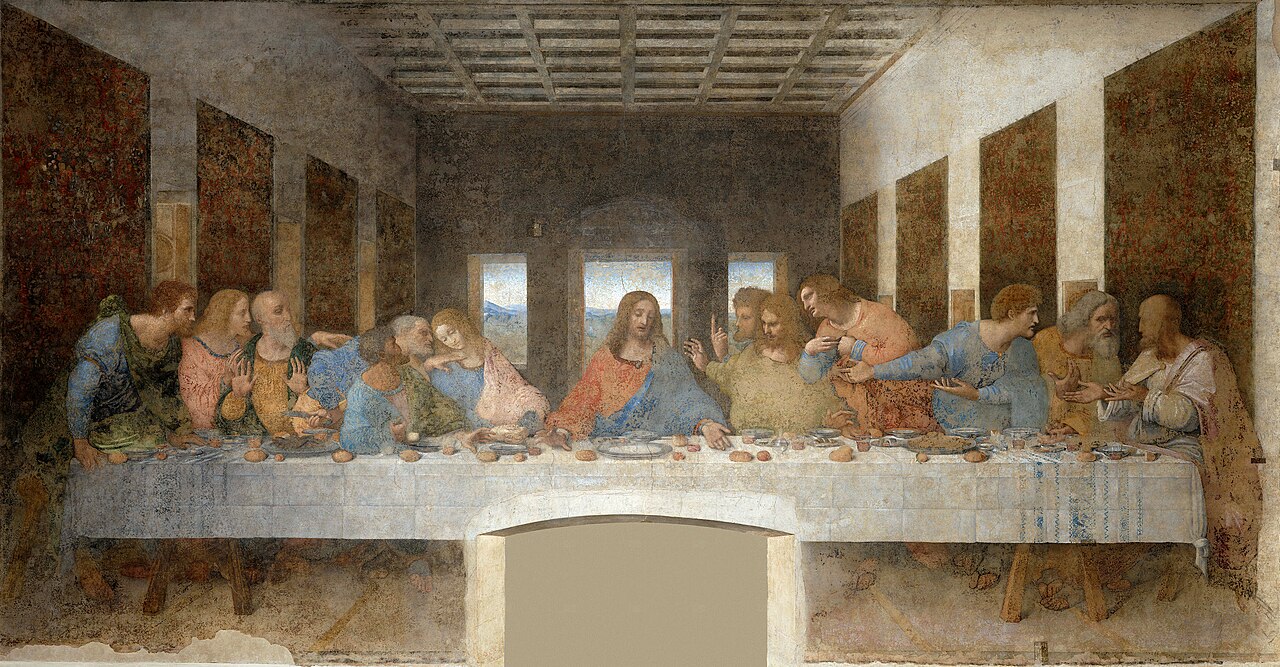
Hidden marks on the walls of the site associated with the Last Supper of Jesus for centuries have been deciphered in Jerusalem, revealing medieval inscriptions left by pilgrims, European nobles, and travelers from the Middle East.

Steppe Nomads: Mobility as a Strategy of Domination
The origin of the Yamnaya’s power was not in fortresses or siege weapons, but in something simple and revolutionary: mobility on wheels and horse domestication. They were among the first peoples to master the use of carts pulled by animals across vast and uninhabited plains. This allowed for rapid movements, territorial expansion, and the efficient transport of resources unprecedented for the time.
They also practiced nomadic pastoralism, moving large herds hundreds of kilometers. This way of life not only favored expansion but also contact with other peoples, facilitating the exchange of genes, techniques, and languages.
With this, the Yamnaya ended up triggering a gradual population replacement, where they not only migrated but absorbed or genetically dominated other cultures, leaving their mark on future generations.
The Invisible Revolution: From Anonymity to World Heritage
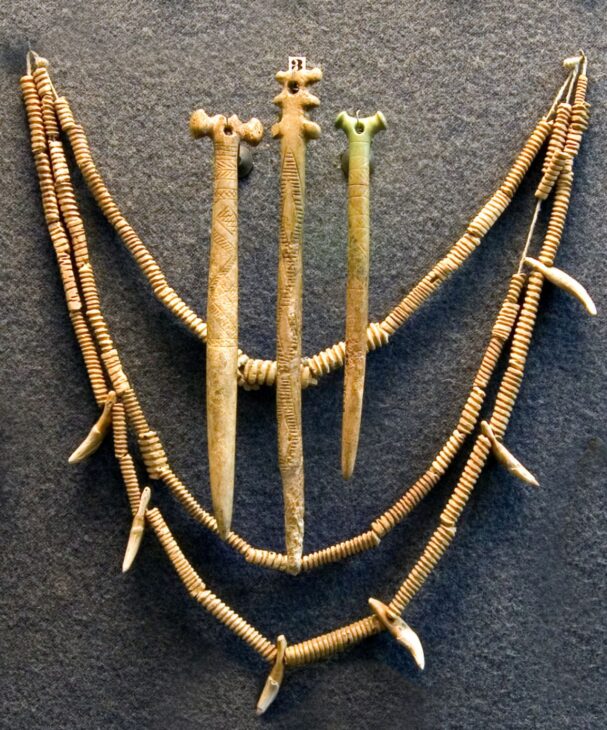
It is almost poetic — and ironic — that a people who never wrote their own history left their signature on billions of people. This invisible revolution of the Yamnaya was silent but relentless. They did not build lasting empires like Rome or China, but laid the foundations of a common heritage that still unites the world today.
Languages as distinct as French, Persian, Polish, and Marathi have common roots in Proto-Indo-European, a language likely spoken or disseminated by the Yamnaya and their descendants. This linguistic family today covers almost half of the world’s population.
Where Did the Yamnaya Come From?
Although they are geographically identified between Ukraine and southern Russia, the origin of the Yamnaya still raises debates among scientists. What is known is that they emerged as a result of the encounter between European hunter-gatherer groups and populations from Western Asia. This genetic fusion produced a robust people, adapted to the severe climate of the steppe, with a social organization based on highly mobile tribes.
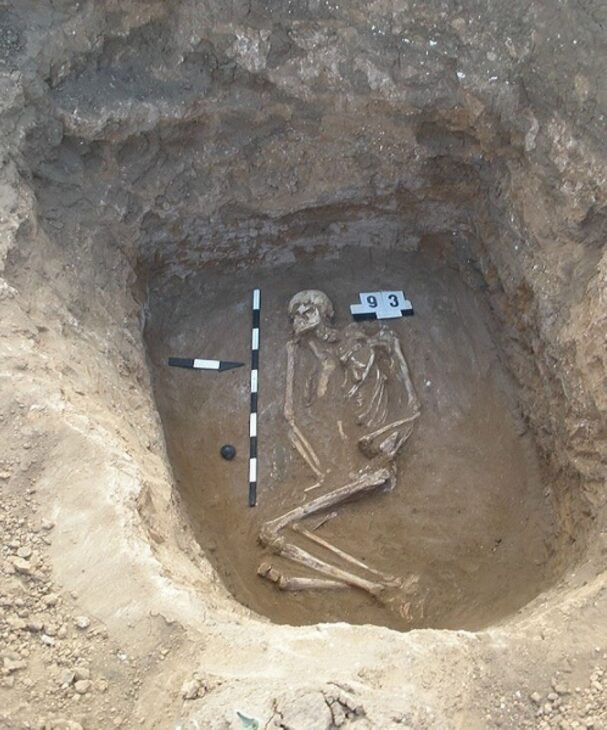
Studies indicate that this social structure was patrilineal, with male leadership and a strong emphasis on physical strength and mobility. There is also evidence that the Yamnaya practiced complex burial rituals, with interments in tombs covered by earthen mounds (the so-called kurgans), where they placed belongings, weapons, and even remnants of carts.
What Do Brazilians Have to Do with This?
It may seem distant, but this story also concerns Brazil. Many Brazilians descend, directly or indirectly, from European populations that inherited part of the Yamnaya DNA. People with Portuguese, Spanish, Italian, German, Polish, or Russian ancestry — common in Brazil — carry in their genes fragments of this ancient ancestry.
Moreover, words we use every day, such as mother, father, sky, star, fire, and even being, have roots that trace back to Proto-Indo-European. In other words, the influence of the Yamnaya is also alive in our language and in the way we conceive the world.
An Invitation to Look Beyond Empires
While empires are celebrated for their monumental constructions, the Yamnaya remind us that the true impact of a civilization can occur in less visible but more lasting ways. Their genetic and linguistic heritage has crossed centuries, continents, and cultures.
And perhaps this is the greatest lesson: not always are the most remembered peoples the ones that shaped history the most.








-

-

-

-

-

-

72 pessoas reagiram a isso.