





 Portuguese
  English
  Spanish
  4 min of reading
  2 comments


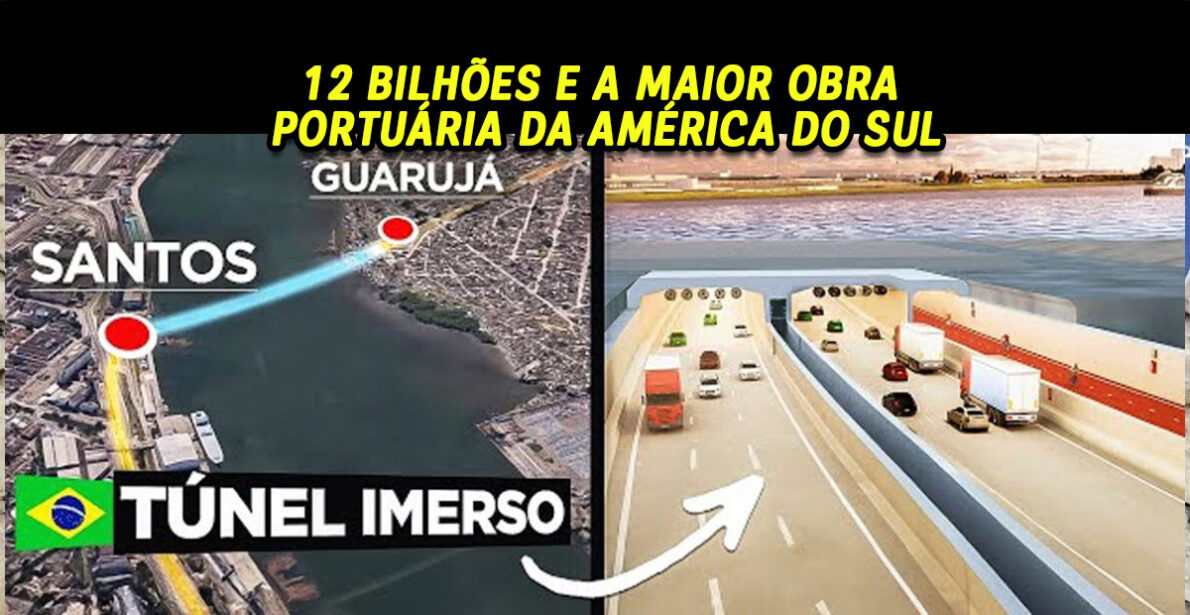

Get Ready for a Transformation in Brazil! With R$ 12.6 billion in investments, these changes will revolutionize logistics, create thousands of jobs, and strengthen the Brazilian economy, consolidating Santos as an essential global hub.
The Port of Santos, the largest port complex in Latin America, is receiving an impressive investment of R$ 12.6 billion to expand its infrastructure and increase its operational capacity.
Among the highlighted projects are the Santos-Guarujá tunnel and the revitalization of Valongo Park. These works will modernize the port and increase its relevance on the global stage, consolidating it as a crucial logistics hub for Brazil and all of South America.
Revolution at the Port of Santos
The Port of Santos, on the coast of São Paulo, was already a giant in the port sector, being responsible for 28% of the Brazilian trade balance.
-
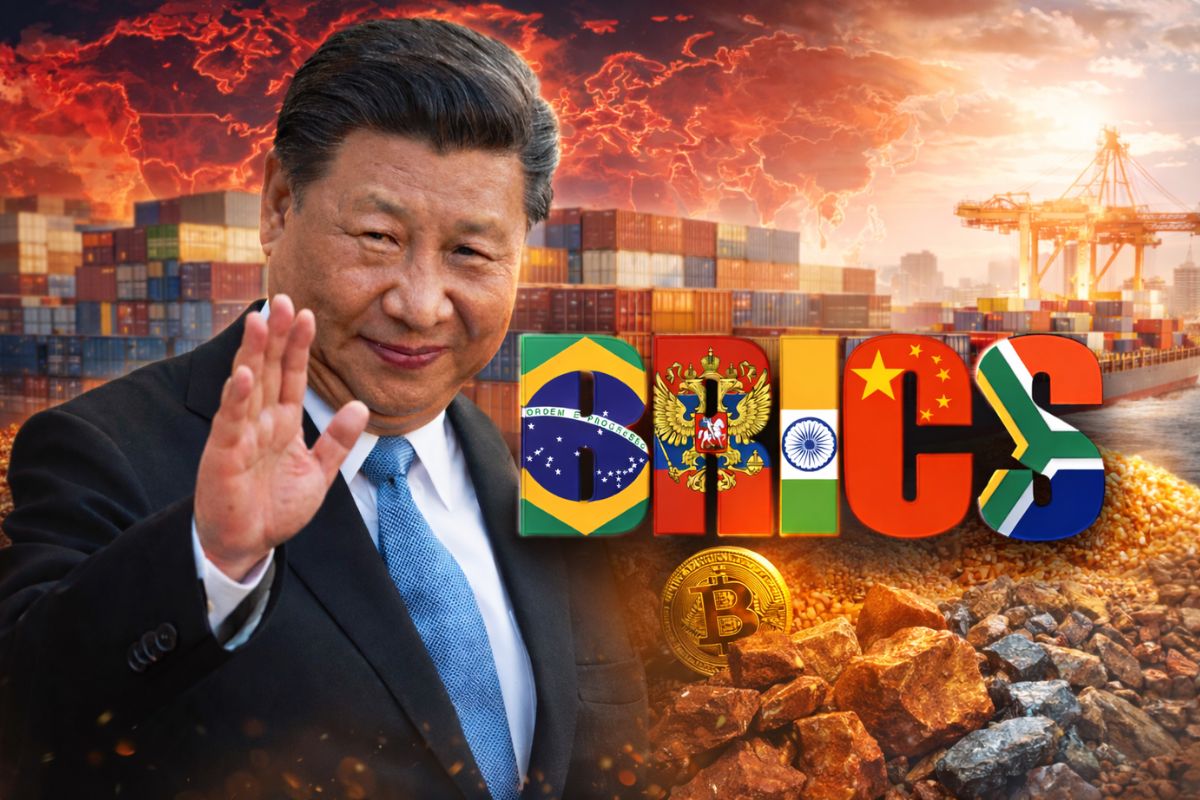
China alone accounts for 70% of trade within the BRICS, while Brazil establishes itself as an essential supplier of food and minerals: understand how the group, which already represents nearly 40% of the world’s GDP, is changing the game.
-
Starting in May, those who do not have registered biometrics will not be able to apply for Bolsa Família, sickness benefits, or unemployment insurance: understand the new rule that changes access to benefits for millions of Brazilians.

-
A new law being voted on in Brazil proposes a minimum fare of R$ 10 per trip and R$ 2.50 per kilometer for Uber and 99 drivers, and promises to ensure they earn as well as taxi drivers did during the golden age of taxis in the country.

-
Bauer Group collapses after failed judicial recovery: 25 years, 800 vehicles, and a network of gas stations leave a debt of R$ 50 million and 100 layoffs, exposing costs, tight margins, and expensive credit in Brazil.

But the new works aim to transform it into an even more robust center. Founded in 1892, the port has undergone various expansions over the years and is now moving towards a new level with a package of investments intended to modernize its operations and strengthen the local and national economy.
With a constant movement of products such as grains, automobiles, and oil derivatives, among others, the port is a vital link that connects Brazil to the world. The new works promise not only to improve the port’s efficiency, but also to create thousands of new jobs and business opportunities.
Mega Tunnel Santos-Guarujá
One of the most ambitious projects is the submerged tunnel that will connect Santos and Guarujá. With a budget of R$ 6 billion, this pioneering engineering project in Latin America promises to solve one of the region’s biggest logistical bottlenecks.
Currently, this crossing is only possible by ferries or a long highway trip. The tunnel will have 870 meters in length and will be installed at 21 meters deep in the seabed, facilitating the traffic of vehicles, cyclists, and pedestrians, and will be adaptable to the VLT (Light Rail Vehicle).
The construction, which is being done in phases, uses advanced technology to ensure the safety of the structure.
Concrete modules are manufactured, tested, and submerged, forming the base of the tunnel. The tunnel will significantly reduce travel time between the cities and improve mobility in the Baixada Santista.
Valongo Park: The New Tourist Destination
Another highlight is the revitalization of Valongo Park, a historic area that is being transformed into a space for leisure, culture, and tourism.
The R$ 100 million project aims to recover old port warehouses and integrate them into the historic center of Santos. Valongo Park will offer green areas, spaces for cultural events, and even a floating pier to encourage nautical tourism.
With the transfer of the Concais passenger terminal to Valongo, the area will be modernized, creating a new tourist hub in the city. According to experts, this change will allow for the expansion of cargo operations at the port, while also improving the experience of tourists disembarking in the region.
Economic and Social Impact
In addition to modernizing port infrastructure, the works at the Port of Santos will have a significant impact on the local economy. It has been reported that the investments will generate thousands of direct and indirect jobs, contributing to the economic development of Santos and the region.
It is estimated that over the next few years, new business and entrepreneurship opportunities will emerge, stimulating the growth of small and large enterprises.
The strengthening of the port is also strategic for foreign trade, especially with the completion of the bioceanic corridor, which will connect the Atlantic and Pacific oceans. This will make the Port of Santos a crucial point for exporting products, facilitating access to international markets.
Engineering Challenges
Projects of this magnitude face significant engineering challenges. As noted by experts in the field, the construction of the Santos-Guarujá tunnel requires millimeter precision for the installation of submerged modules.
Additionally, it is essential to coordinate the different phases of the work without disrupting the port’s operation, which continues to run at full capacity. Environmental preservation is also a concern, with measures being taken to minimize impacts on the marine ecosystem.
Promising Future
With the completion of the works, the Port of Santos will become even more competitive on the global stage. The new infrastructures will allow for increased cargo handling capacity, attracting more investments and consolidating its position as the main logistics hub in Latin America.
The question remains: will Brazil be able to complete these mega-works on time and further boost its economy?








Se for engenharia é exceçucao por empresa chinesas, conseguie.com empreiteiras brasil-susileiras, sem chances.
Fiz isso, o tak corredor Oceânico é só uma sineta de marketing político’
Fiz filme em computação gráfica do monotrilho e túnel Santos Guarujá em 1995. Veja o link