





 Portuguese
  English
  Spanish
  4 min of reading
  0 comments


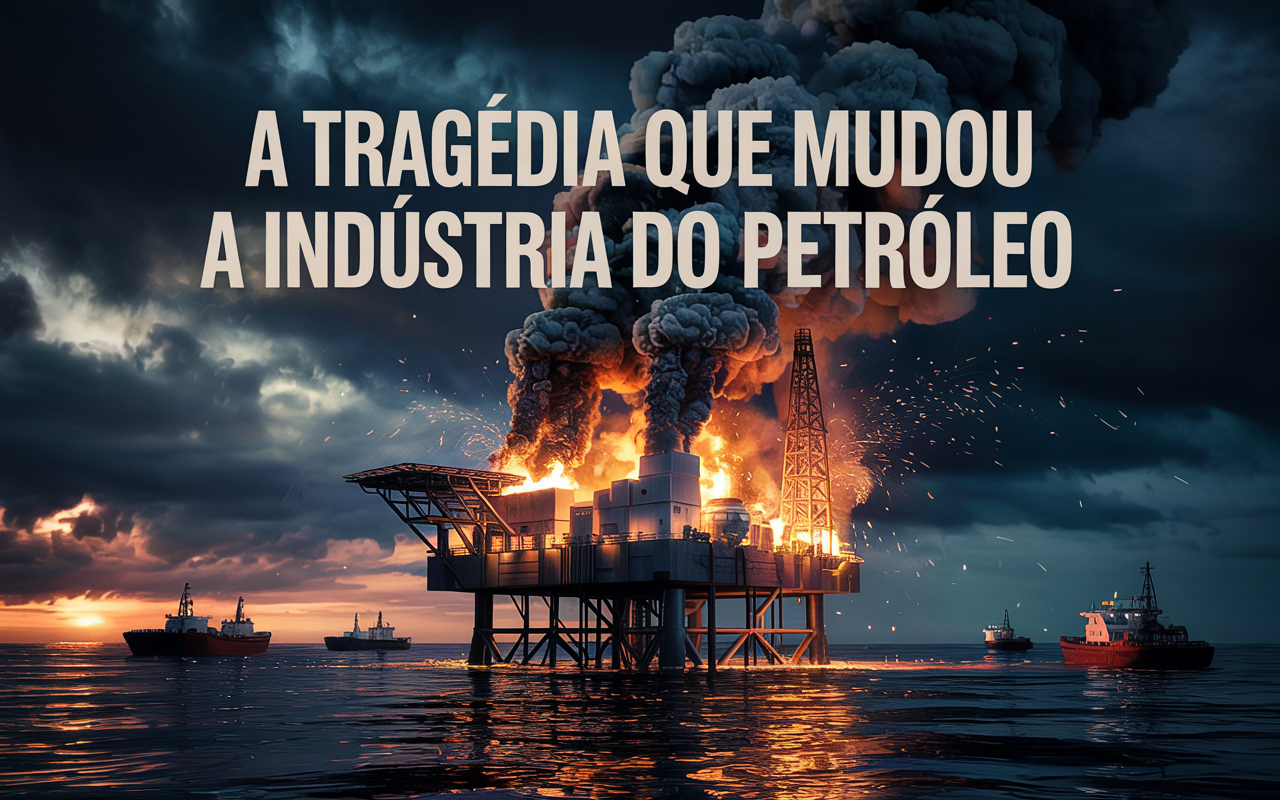
The Piper Alpha Disaster in 1988 Is Regarded as the Worst Offshore Accident in History. With 167 Dead, the Tragedy in the North Sea Redefined the Safety Standards of the Oil Industry.
On the night of July 6, 1988, the Piper Alpha platform, located in the North Sea approximately 190 kilometers off the coast of Scotland, suffered a gas explosion that resulted in the deaths of 167 workers. The accident is considered the worst in the history of the offshore oil industry and marked a turning point in how the sector addresses safety issues.
Originally designed for oil extraction and later adapted to process gas, the platform operated in an interconnected system with other maritime units. The explosion occurred around 10 PM, followed by a series of fires that nearly completely destroyed the structure within about 90 minutes.
Operational Failure During Maintenance Caused the Accident at Piper Alpha
The disaster originated from a series of operational errors and failures in safety procedures. One of the platform’s condensate pumps was under maintenance, and its pressure relief valve had been temporarily removed. Due to a lack of communication between shift teams, the pump was restarted, causing a leak of highly flammable gas.
-
Elevator Plummets From Tenth Floor in Commercial Building in Recife, Raising Concerns About Safety and Engineering of Vertical Transport Systems Used Daily in Urban Buildings
-
Cyclist Hit by Car in Sobradinho, DF Is Rescued After Traffic Accident This Sunday

-
Civil Defense Issues Alert and Advises Evacuation in 51 Streets of Juiz de Fora After Risk of Instability; See the Complete List of Affected Neighborhoods
-
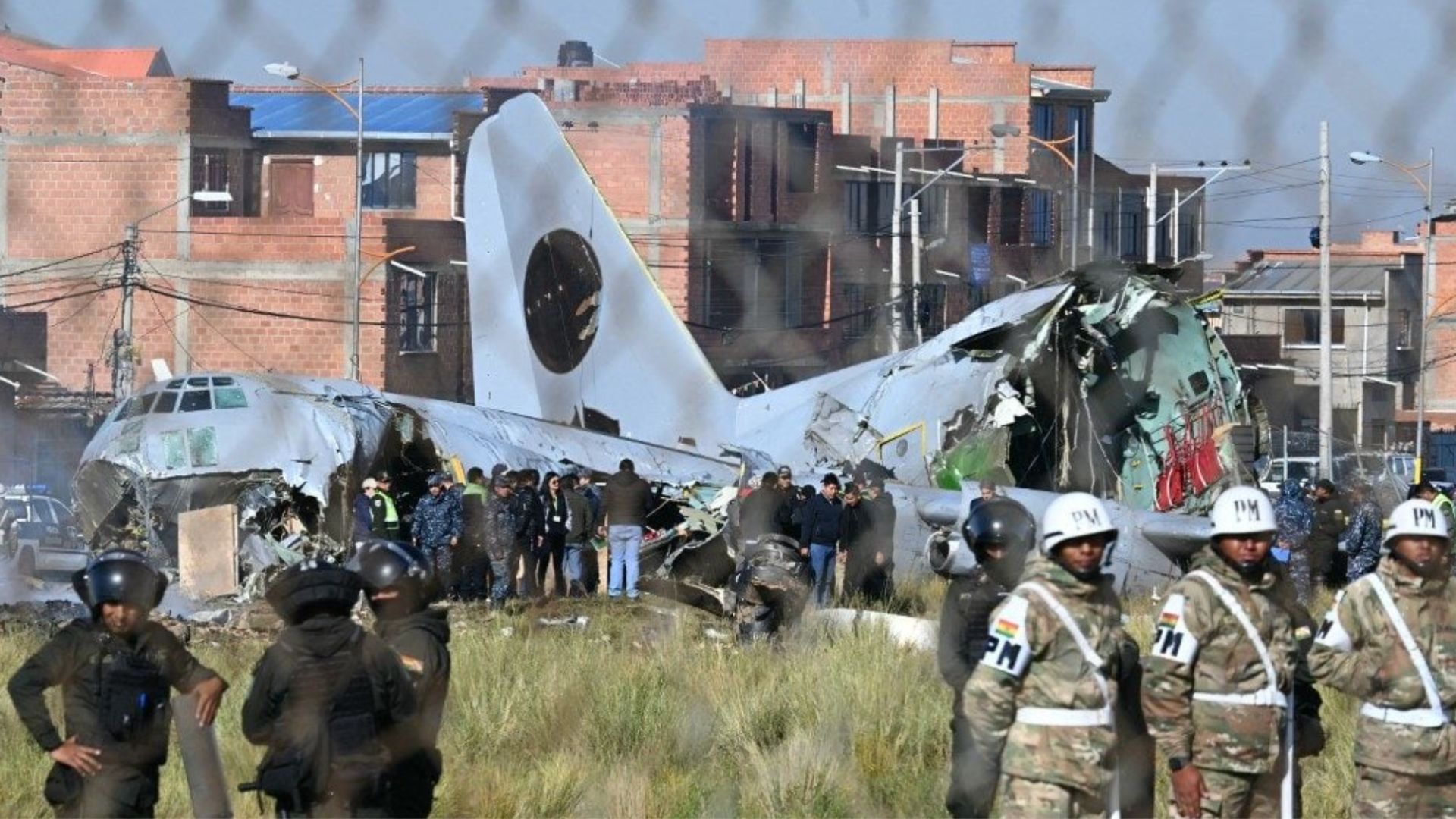
Military Plane With Money Crashes In Bolivia, Leaves 20 Dead And Leads Central Bank To Annul 10, 20, And 50 Bolivianos Notes After Chaos At Airport



The gas spread rapidly and found an ignition source, triggering the first explosion. The pressure caused parts of the structure to collapse and ignited an uncontrolled fire. The flames compromised neighboring pipelines that transported gas from other platforms, exacerbating the disaster.
Of the 226 workers on board at the time of the accident, only 61 survived. Many escaped by jumping into the sea, while others were rescued by vessels and helicopters. The extreme heat, dense smoke, and progressive collapse of the platform hindered evacuation efforts.
Security and Communication Failures Were Determinative
The official investigation, led by Judge Lord Cullen, identified systematic failures in the platform’s safety procedures. Among the main issues identified were:
- Absence of an effective safety culture;
- Poor communication between work shifts;
- Lack of adequate evacuation and fire fighting plans;
- Inadequate explosion protection equipment.
The final report, known as the Cullen Report, provided 106 recommendations for regulatory and operational changes. These recommendations became a global benchmark and were widely implemented in oil-producing countries.
Tragedy Led to a Complete Review of Industry Standards
The Piper Alpha disaster had an immediate impact on UK legislation and prompted changes in safety regulations in the oil sector worldwide. In the UK, safety oversight was transferred from the Department of Energy to the Health and Safety Executive (HSE), an entity focused exclusively on industrial safety.
The regulatory model began to require that platform operators develop their own “safety cases”, detailed documents that describe the risks of the installation and the measures taken to prevent them. This change aimed to increase the direct responsibility of companies for the integrity of their operations.
Emergency training, alarm systems, risk management, and safe abandonment plans were reinforced. A proactive approach to prevention became a mandatory condition for offshore operation licensing.
Global Impact and Changes
The disaster affected not only the North Sea region. Its effects extended to the global industry, influencing practices adopted in Brazil as well. Petrobras and other companies operating platforms in the country began to review their safety systems, implement stricter standards, and align their procedures with international benchmarks.
The tragedy also influenced the creation of international forums focused on offshore safety, such as Step Change in Safety, an initiative that brings together operators and service providers to discuss safe practices.
The Legacy of the Tragedy Lives On 35 Years Later
Decades after the accident, the Piper Alpha case continues to be studied as an example of systemic failures that led to an avoidable catastrophe. Survivors and relatives of the victims participate in annual commemorative ceremonies for the deceased, held at the Compass Rose, a memorial installed in Aberdeen.
The story of the tragedy has been depicted in documentaries, reports, and technical studies. The documentary Fire in the Night, produced by the BBC, includes testimonies from survivors and previously unseen footage to reconstruct the events of that night.
The disaster of the Piper Alpha platform in the North Sea resulted in one of the largest human losses in the history of the offshore oil industry. The tragedy revealed critical vulnerabilities in the operational and industrial safety systems of the time and forced a transformation in industry practices.








-

-

2 pessoas reagiram a isso.