





 Portuguese
  English
  Spanish
  5 min of reading
  0 comments


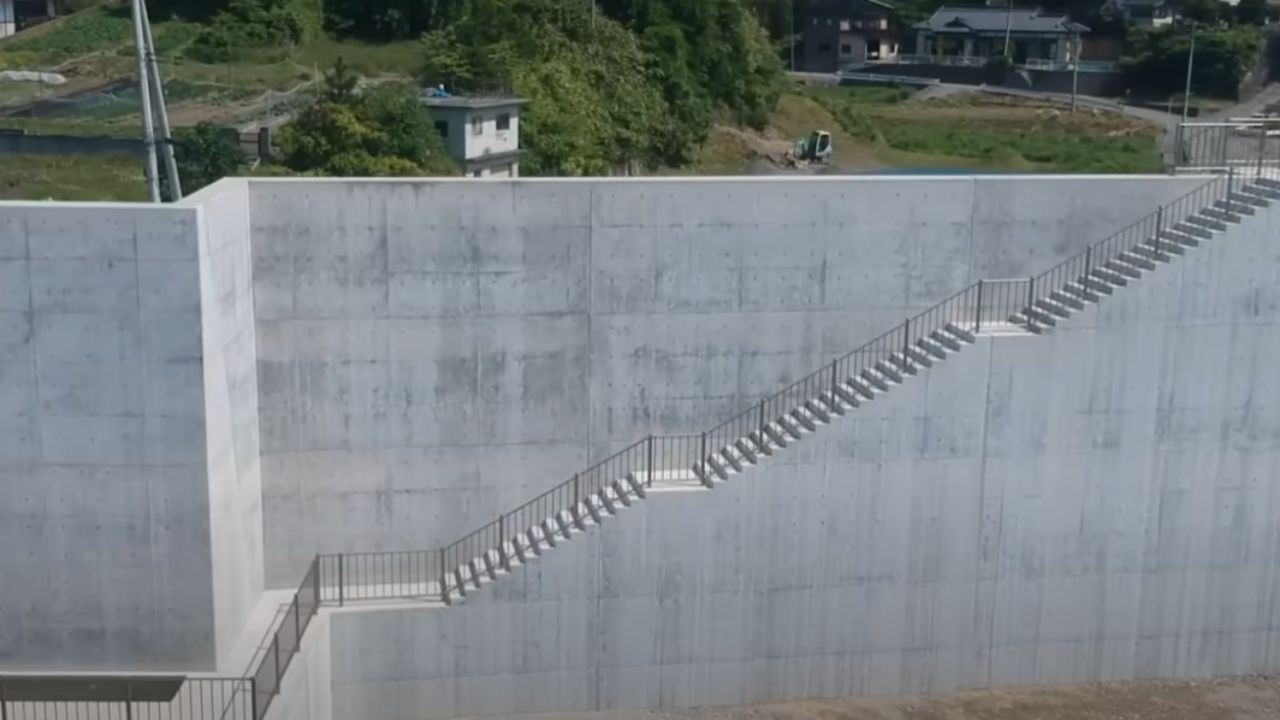
After The 2011 Disaster, Japan Invested Billions In Giant Walls, But The Engineering Solution Divides Opinions And Transforms The Country’s Coastal Landscape.
Born from one of the greatest tragedies in its recent history, one of the most ambitious constructions in Japan stretches along its northeast coast. After the devastating Tōhoku earthquake and tsunami in 2011, which resulted in about 20,000 deaths and the Fukushima nuclear disaster, the Japanese government initiated a monumental project: the construction of approximately 400 kilometers of concrete barriers. The goal, according to information from the Construction Time portal, is clear: to weaken the power of future waves and ensure evacuation time for the population.
However, this impressive engineering feat, which cost over 12 billion dollars, is not universally accepted. While the structures promise safety, they also raise a complex debate about their social and environmental costs, and even about their real effectiveness against extreme events. For many residents, the walls that were supposed to protect have become a physical and psychological barrier, raising the fundamental question: at what cost does this supposed safety come?
The Lesson Of 2011 And The Monumental Response
The catastrophe of March 11, 2011 revealed a harsh reality: even the most prepared nation in the world for tsunamis was not ready for an event of that magnitude. The coastal walls existing at the time were designed for waves up to 8 meters. The Tōhoku tsunami, however, generated waves that reached between 12 and 15 meters in height. The existing defenses were overwhelmed, and in many cases, completely destroyed, failing to protect entire cities and the Fukushima nuclear plant.
-
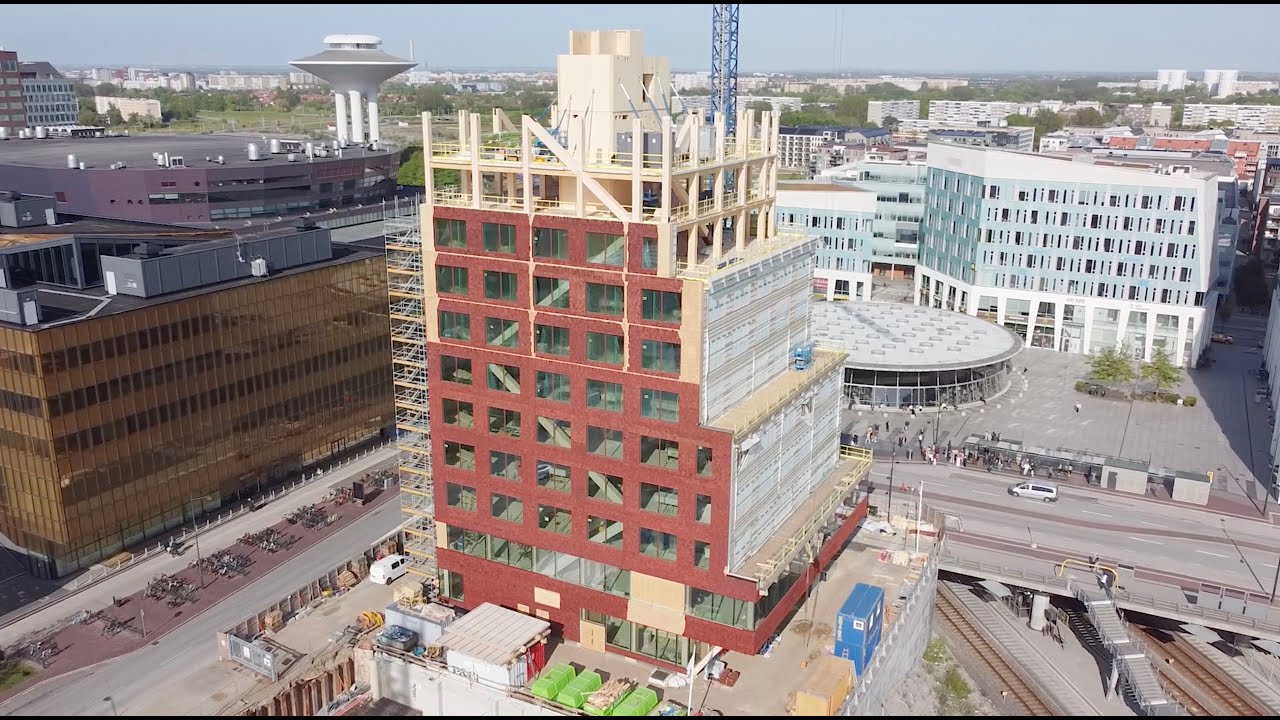
In Sweden, a 51-meter tower was built almost entirely of wood, without a concrete structural core and with solar panels integrated into the facade, using CLT and laminated beams to challenge the dominance of steel and concrete in modern buildings.
-
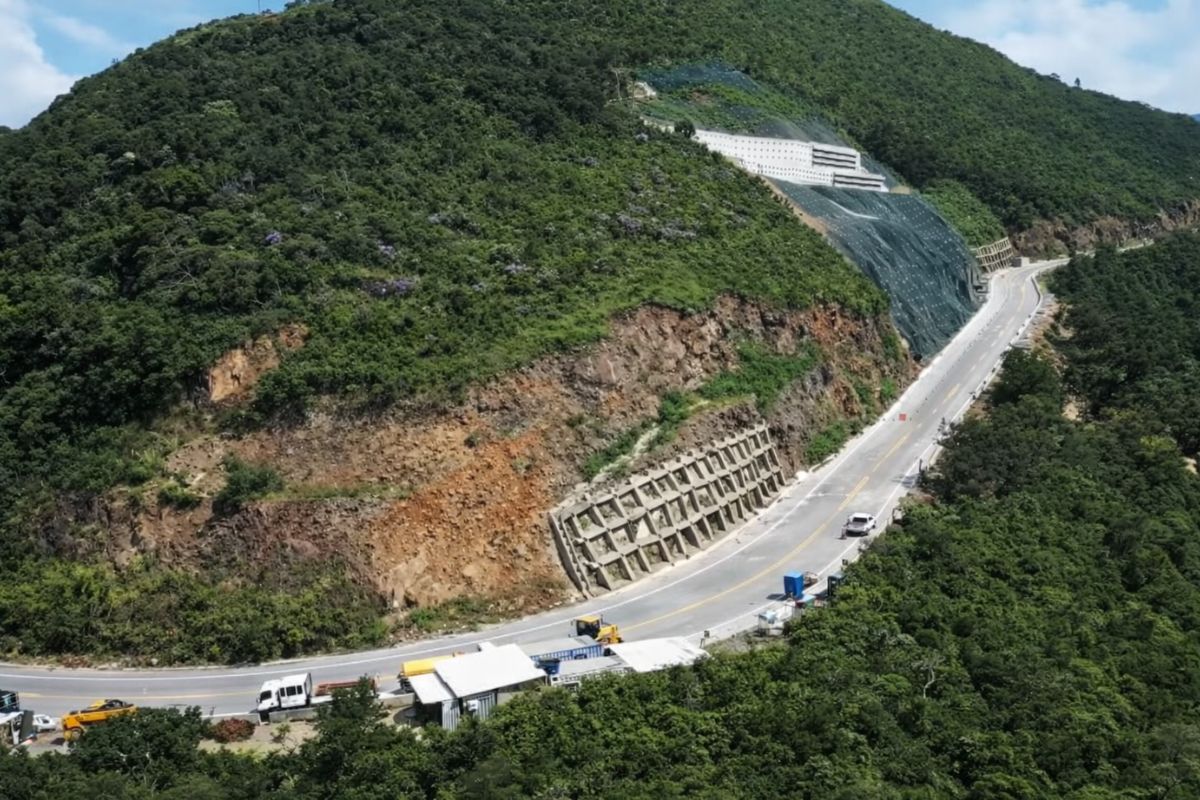
The section of Serra da Rocinha on BR-285 is now open in Timbé do Sul: 50 m tensioned curtains and top-down technique stabilize the slope, with a stairway duct controlling the water.
-
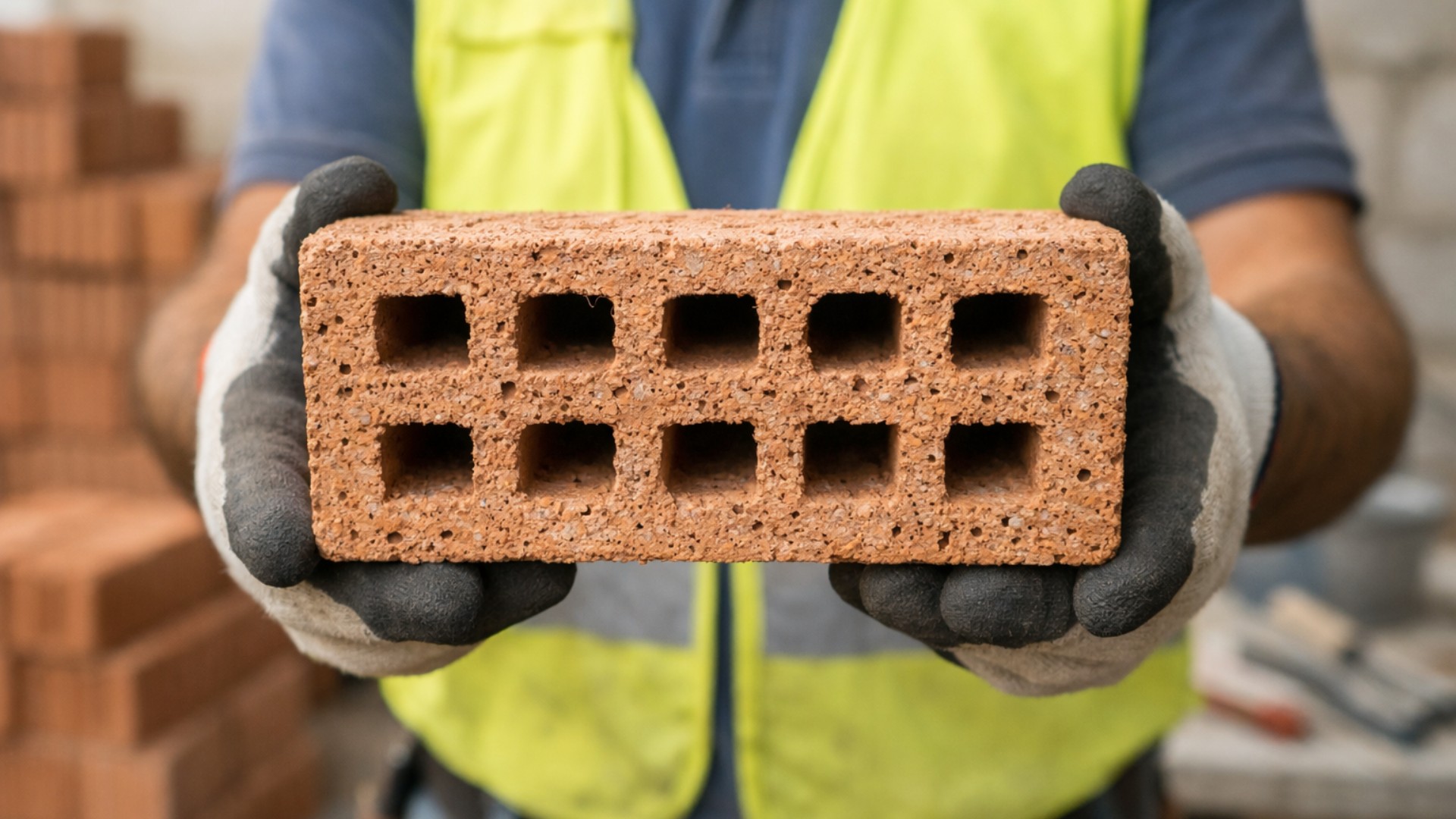
Scientists use sawdust mixed with clay to create a lighter brick, promising efficient thermal insulation and impressing by transforming waste into a solution for construction.
-
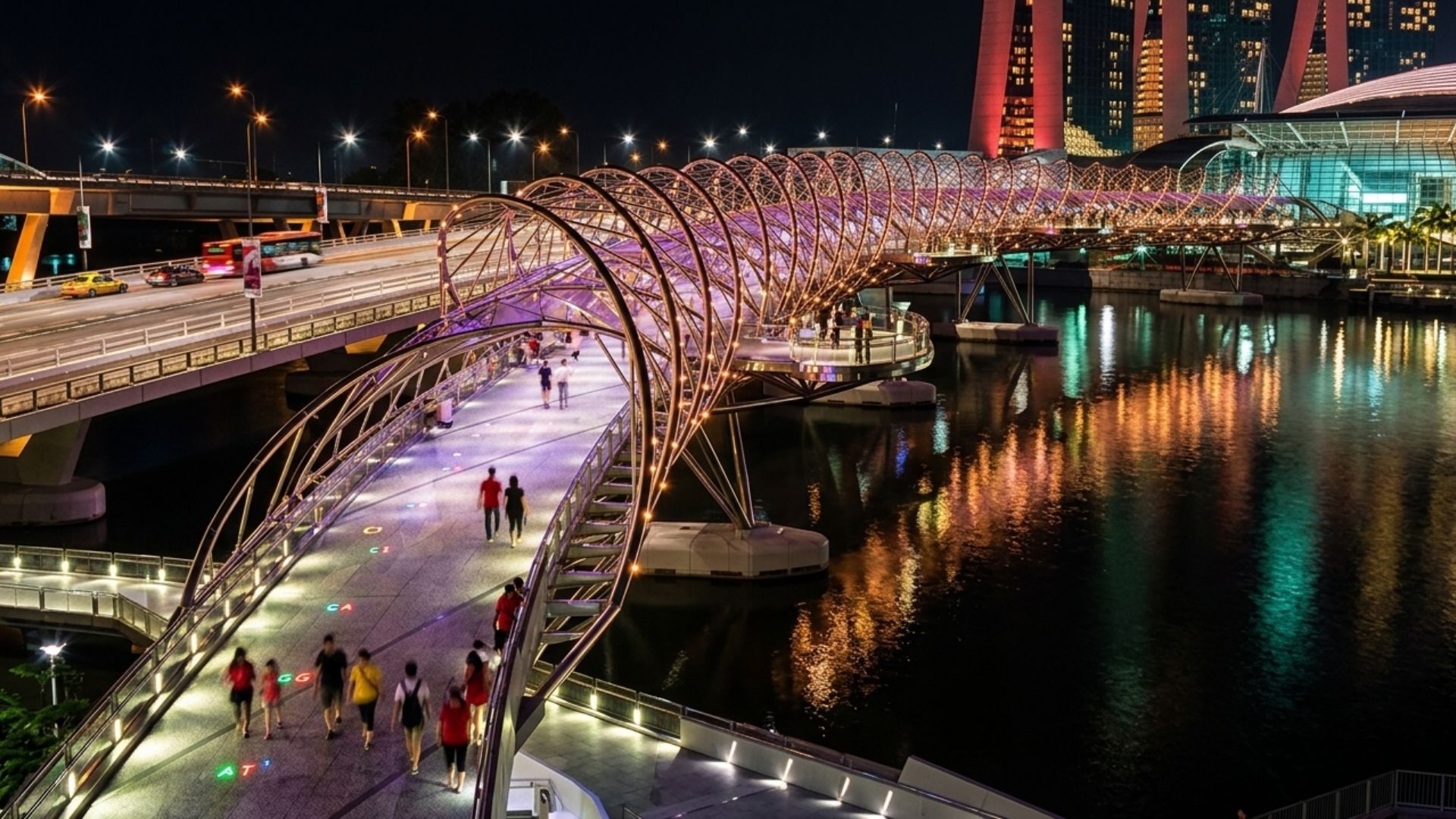
With a DNA shape, this bridge in Singapore draws attention in modern architecture and surprises tourists by transforming a simple crossing into an unforgettable visual experience in the urban heart.

In response, the Japanese government launched one of the largest civil engineering projects of the century. The new structures, detailed by Construction Time, are significantly more robust. In some areas, the walls reach 14.7 meters in height, supported by foundations that go down to 25 meters into the ground. The project was designed to be more resilient, with wider bases and reinforced inner walls, capable of better absorbing the hydrostatic impact of a moving mass of water, preventing the structural collapse that occurred in 2011.
The Engineering Behind The New Walls
The design of the new barriers was based on in-depth analyses of the behavior of the tsunami in 2011. Research, including simulations in specialized laboratories, showed that the wave did not behave like a wall of water breaking, as seen in movies, but rather like a flood that gradually grows and accumulates a colossal hydrostatic force. This discovery was fundamental to the new design of the containment structures.
To avoid the failures of the past, the Japanese disaster manual was updated with new technical recommendations. As reported by Construction Time, this includes the use of geotextile membranes to prevent the filling material of the walls from being washed away by the force of water, widening the protective bases, and using interlocking reinforced concrete blocks. Every detail was considered to create a more cohesive and resilient line of defense, learning from the mistakes that cost thousands of lives.
The High Social And Environmental Cost
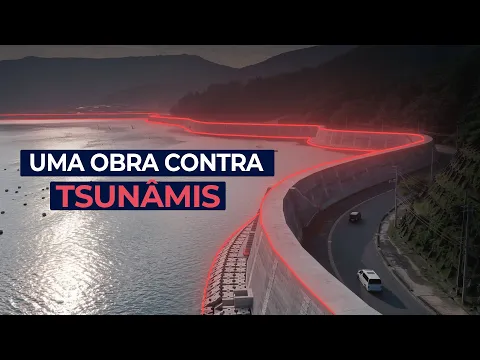

Despite the technical prowess, the impact of the walls on the lives of coastal communities is profound and often negative. In several towns, the concrete walls are as high as a four-story building, completely blocking the view of the sea. Residents who have lived with the ocean landscape for generations report a “sensation of entrapment, as if living in a prison”. This forced separation from nature not only affects quality of life but also the cultural identity of these communities.
In addition to the visual and psychological impact, there are concrete economic and environmental concerns. Tourism, a vital source of income for many of these areas, may be hindered by the industrialized landscape. Fishermen and local workers fear that the walls are destroying livelihoods and fragile marine ecosystems. The physical barrier that blocks the ocean view also disconnects people from the natural cycles that have always guided their lives, resulting in a sense of irreparable loss.
Effectiveness In Question: Can Walls Worsen The Disaster?
Paradoxically, some researchers warn that these oversized structures may, in extreme scenarios, worsen the disaster. The main concern is the so-called “dam effect”. If an exceptionally large wave manages to surpass or break the wall, the structure may hold back the water for a moment, releasing it later as an even more intense and destructive torrent onto the area it was supposed to protect.
It is crucial to understand that the new barriers in Japan are designed for “Level 1” tsunamis, which occur every 50 to 60 years. They were not made to ensure total protection against “Level 2” events, which happen every hundreds or thousands of years and possess much greater force. Therefore, the walls are just part of a broader defense system, which critically depends on public education, efficient evacuation routes, and rapid alert systems.
Alternatives And An Integrated Future
Given the disadvantages of concrete barriers, proposals for more integrated and sustainable solutions are emerging. Projects like the “Morino Project” suggest the construction of breakwaters supported by forests of deep-rooted trees. The idea is that this combination of “gray” (concrete) and “green” (nature) infrastructure can weaken wave force and retain floating debris in a more harmonious way. Another alternative is mitigation parks, which combine hills and vegetation with engineering barriers.
At the same time, Japan continues to invest in other strategies, such as relocating neighborhoods and public facilities to higher ground and prohibiting new constructions in high-risk coastal plains. Civil engineering technology also advances, with buildings equipped with seismic dampers that absorb the impact of tremors. The lesson from 2011 was clear: resilience cannot rely on a single solution, but on a balance between protecting oneself from nature and learning to live with it.
The 400 km of maritime walls in Japan are a monumental engineering feat and a constant reminder of nature’s fury. They represent a courageous attempt to protect lives, but also raise complex questions about the future of coastal communities in a world of increasingly extreme climatic events. The balance between safety and quality of life, between technology and nature, remains the greatest challenge.
This monumental engineering work raises a complex question about our future on a constantly changing planet. Do you believe that building giant walls like Japan’s is the right solution, or do the negative impacts outweigh the benefits? Share your opinion in the comments; we want to hear different viewpoints on this global challenge.






Seja o primeiro a reagir!