





 Português
  Inglês
  Espanhol
  4 min de leitura
  0 comentários


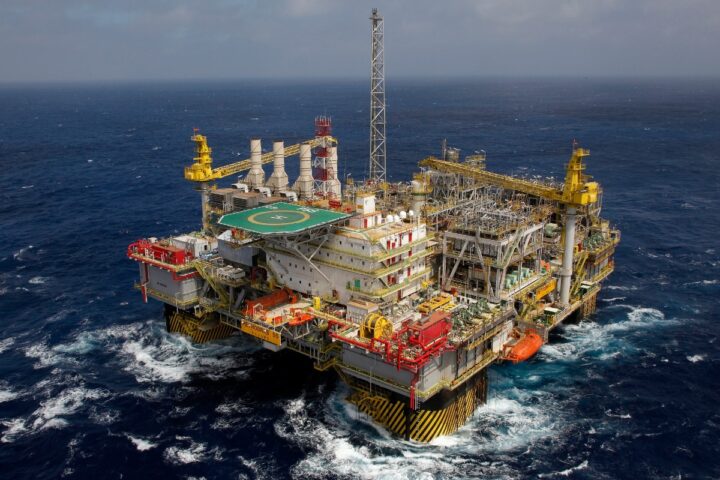
Historic Pre-Salt Auction Promises Billion-Dollar Investments and New Opportunities in Oil and Gas Exploration!
Without a doubt, Brazil is preparing for one of the largest auctions in history in the offshore oil sector. To this end, the National Agency of Petroleum, Natural Gas and Biofuels (ANP) included 28 blocks in the Campos Basin, attracting industry giants in oil and gas.
Moreover, this offering could completely transform the national energy market. Thus, the event significantly boosts the economy.
The auction is scheduled for June 2025, as announced by the Ministry of Mines and Energy (MME) at the end of 2024. This round follows the exploration policy initiated in 2010, when the government implemented the production sharing regime.
-
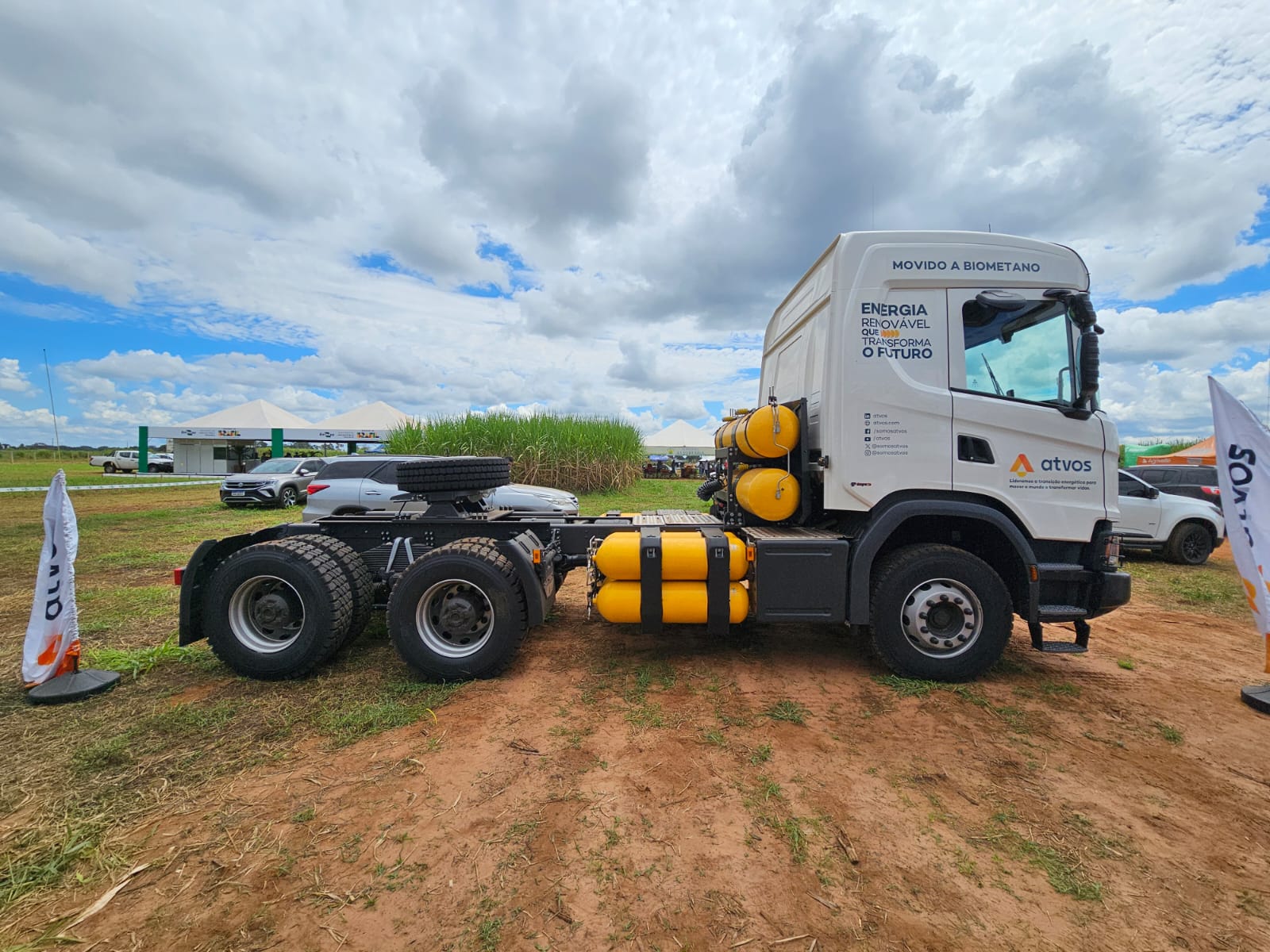
From the field to the pipelines: Mato Grosso do Sul accelerates the energy transition and consolidates a new axis in renewable energy with the arrival of a giant biogas plant.
-
Petrobras surprises the world again by announcing a new discovery in the pre-salt with excellent quality oil.

-
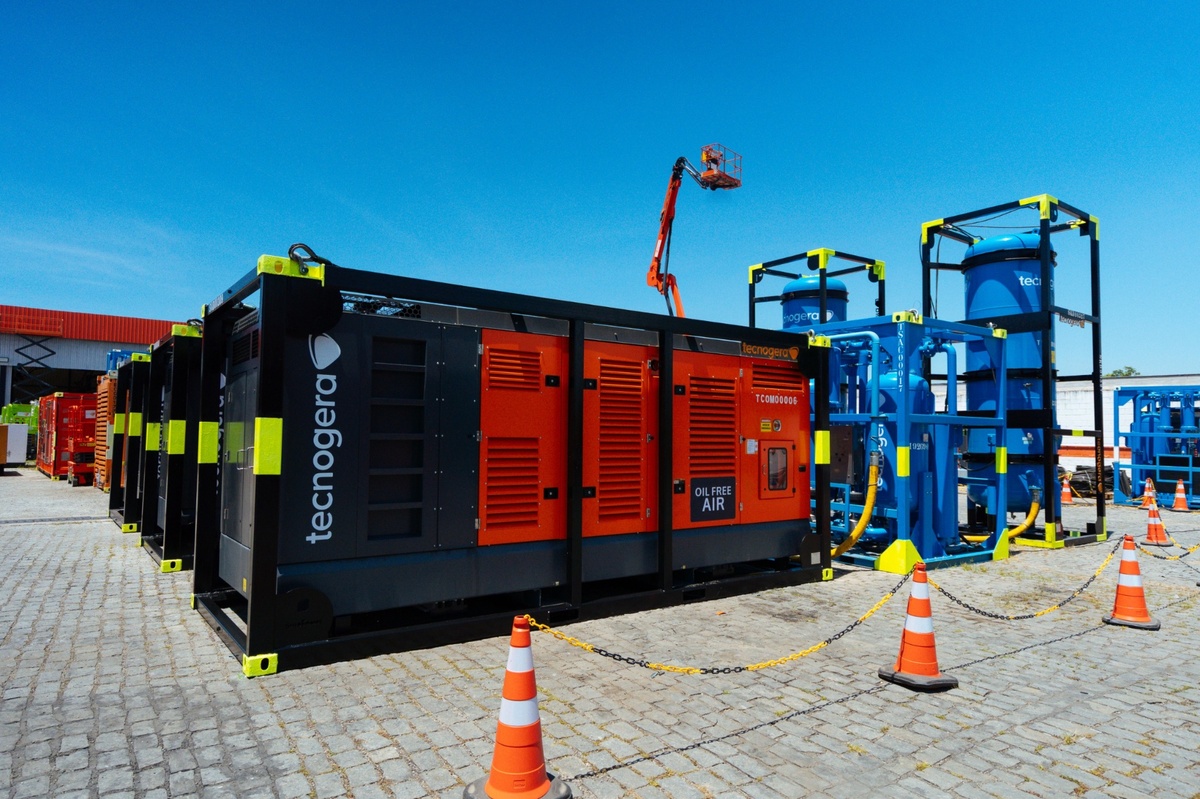
Offshore industrial demand in Macaé skyrockets with the recovery of oil and gas and could grow by up to 396% by 2026 in the Campos Basin.
-
Offshore industrial demand in Macaé surges with the recovery of oil and gas and could grow by up to 396% by 2026 in the Campos Basin.

This model was solidified after the first auction under these rules, held in 2013, which enabled the exploration of the mega-field Libra.
What to Expect from the Pre-Salt Auction and Its Impact on the Brazilian Economy?
Currently, the oil and gas sector in Brazil is experiencing one of the largest opportunities in recent years. For this reason, the Campos Basin is receiving four new blocks, totaling 28 available areas for national and foreign investors.
In this way, the National Energy Policy Council (CNPE) approved this expansion in January 2025, opening up new exploration possibilities.
Additionally, the ANP estimates to raise almost R$ 1 billion in signing bonuses. As a result, production investments could exceed R$ 511 billion over the coming years.
Therefore, Brazil strengthens its position as one of the main global hubs for offshore oil.
More importantly, the pre-salt sharing regime ensures a significant share of production for the government. Thus, revenues increase and boost the economy.
As a consequence, producing regions receive more investments and create new job opportunities.
The auction attracts companies from around the world, which analyze the available blocks considering productive potential, infrastructure, and profitability.
According to the Federation of Industries of the State of Rio de Janeiro (Firjan), the auctions held since 2017 injected over R$ 300 billion into the Brazilian economy.
Cambos Basin: One of the Most Strategic Hubs for Offshore Oil
Undoubtedly, the Campos Basin remains one of the main hubs for offshore oil exploration in Brazil.
After all, since 1974, when Petrobras discovered the first fields in the region, this area has become essential for national production.
Moreover, the expansion of exploration in the area can generate thousands of direct and indirect jobs.
Consequently, investments increase technological development and modernize oil and gas extraction operations.
The favorable geology of the region drives companies’ interest. Thus, companies seek to expand their operations in highly productive fields.
As a result, the auction becomes even more attractive for new business ventures.
On the other hand, the increase in production strengthens Brazil’s energy security and expands its influence in the global market.
According to the Energy Research Company (EPE), pre-salt production already accounts for 75% of the oil extracted in Brazil.
Billion-Dollar Investments and the Future of the Oil Sector in Brazil
Above all, the oil and gas sector represents one of the main engines of the Brazilian economy.
To give an idea, with R$ 511 billion in projected investments, the country consolidates itself as a global reference in offshore oil production.
Moreover, immediate revenue is not the only benefit.
In fact, production from these areas guarantees ongoing revenues for the government and participating companies.
At the same time, the entry of new players into the market accelerates technological innovations and improves exploration and extraction processes.
The auction also drives job creation and fosters economic growth.
According to the Brazilian Association of Oil Service Companies (Abespetro), each new production field activates a productive chain that can generate over 100,000 direct and indirect jobs.
Meanwhile, regulatory security and market conditions play a fundamental role in the success of the tender.
Thus, a favorable environment encourages more investments and strengthens Brazil’s competitiveness in the energy sector.
Conclusion: Brazil at the Center of the Global Oil and Gas Market
Finally, the historic auction by the ANP reinforces Brazil’s position as a key player in the global oil and gas market.
Above all, the Campos Basin, with 28 available blocks, stands out as one of the most promising areas for new investments.
Additionally, the billion-dollar revenue and economic impacts strengthen the pre-salt sharing regime, ensuring significant returns for the country.
Likewise, the increase in production boosts energy security and enhances Brazilian competitiveness.
According to the National Bank for Economic and Social Development (BNDES), the auctions held over the past ten years have helped elevate investments in the sector to record levels.
In 2023, Brazil produced over 3.7 million barrels of oil per day, a growth of 20% compared to 2019.
Therefore, the auction, scheduled for June 2025, sparks global interest and could break investment records.
As a result, the offshore oil sector remains one of the main pillars of the national economy, ensuring a promising future for Brazil in the energy market.








Seja o primeiro a reagir!