





 Portuguese
  English
  Spanish
  5 min of reading
  1 comment


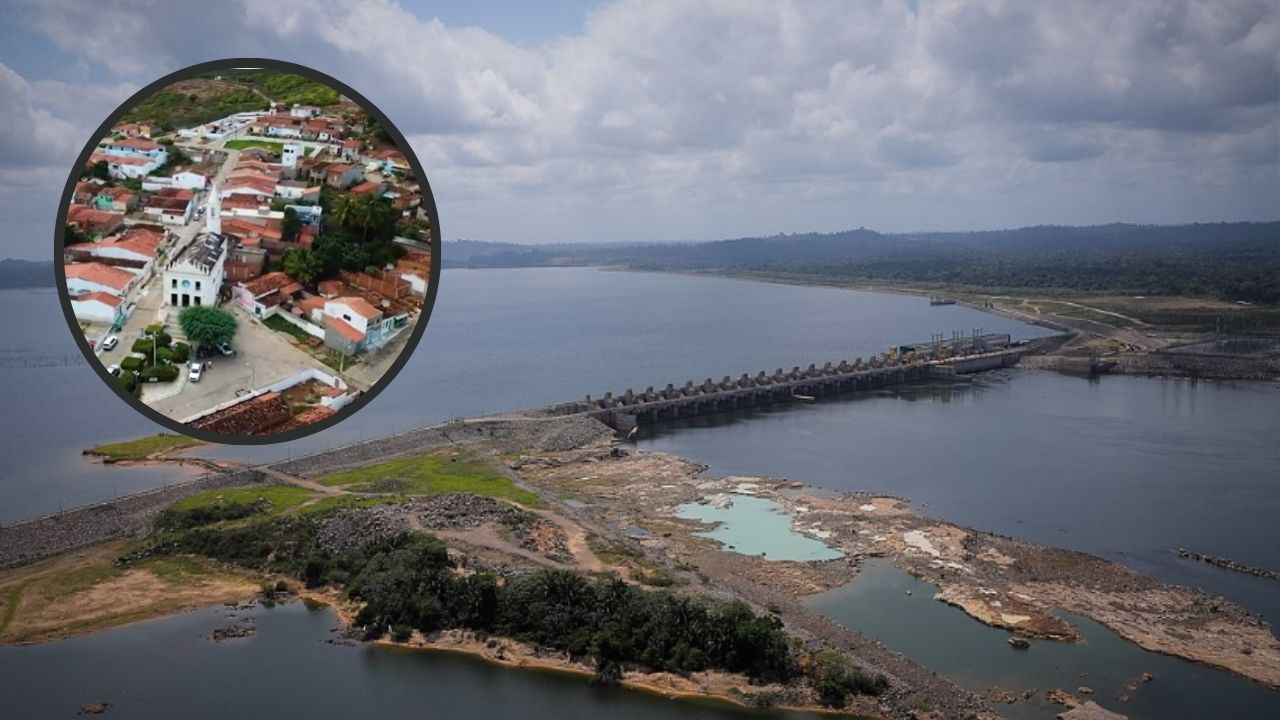


With a Territory Larger Than Portugal and England, the City of Altamira Was the Scene of the Controversial Construction of the Belo Monte Dam, a Project That Redrew Its Ecosystem and Social Fabric Irreversibly.
Altamira, the largest municipality in Brazil, is a territory of continental dimensions in the heart of the Paraense Amazon. Its vastness, which exceeds that of European nations like Portugal and England, was the backdrop for one of the most controversial and impactful infrastructure projects in the recent history of the country: the Belo Monte Hydroelectric Plant. Built in the bed of the Xingu River, a vital artery for ecosystems and traditional peoples, the plant was promised as a landmark of progress, but its legacy is a complex web of environmental devastation and social disintegration.
The project’s implementation triggered chaotic urban growth, the forced displacement of tens of thousands of people, and the drastic alteration of a unique riverine ecosystem. As detailed by the Senate News Agency, the controversy marked the project from its conception, with intense legal battles and protests that had international repercussions. The impacts were so severe that they led to a decision by the Federal Court, described by Brasil de Fato, which recognized the process of ethnocide against Indigenous peoples, while the ClimaInfo portal documented how the dam “disrupted an ecosystem”, causing massive fish deaths and forever altering life in the Xingu River.
A Territory of Superlatives and Vulnerabilities
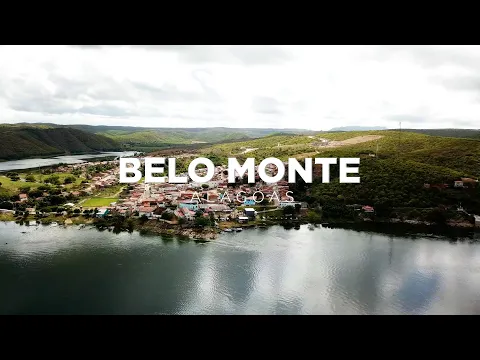

To understand the depth of the transformation imposed by Belo Monte, it is crucial to first dimension the scenario. Altamira is not an ordinary municipality. With an official area of 159,533.328 square kilometers, according to the IBGE, its territory is a vast mosaic of forests and rivers. This magnitude, which makes it larger than countries like Greece, imposes a colossal governance challenge. The structure of a single municipality to manage an area of continental proportions creates a paradox, making the provision of basic services and environmental oversight Herculean tasks.
-
Simple technique with cheap fiber cement tiles is changing the way roofs are made and reducing costs in construction projects.
-
The archaeologists did not expect to find anything at this archaeological site – Then, they came across a Roman village and a bronze artifact.
-
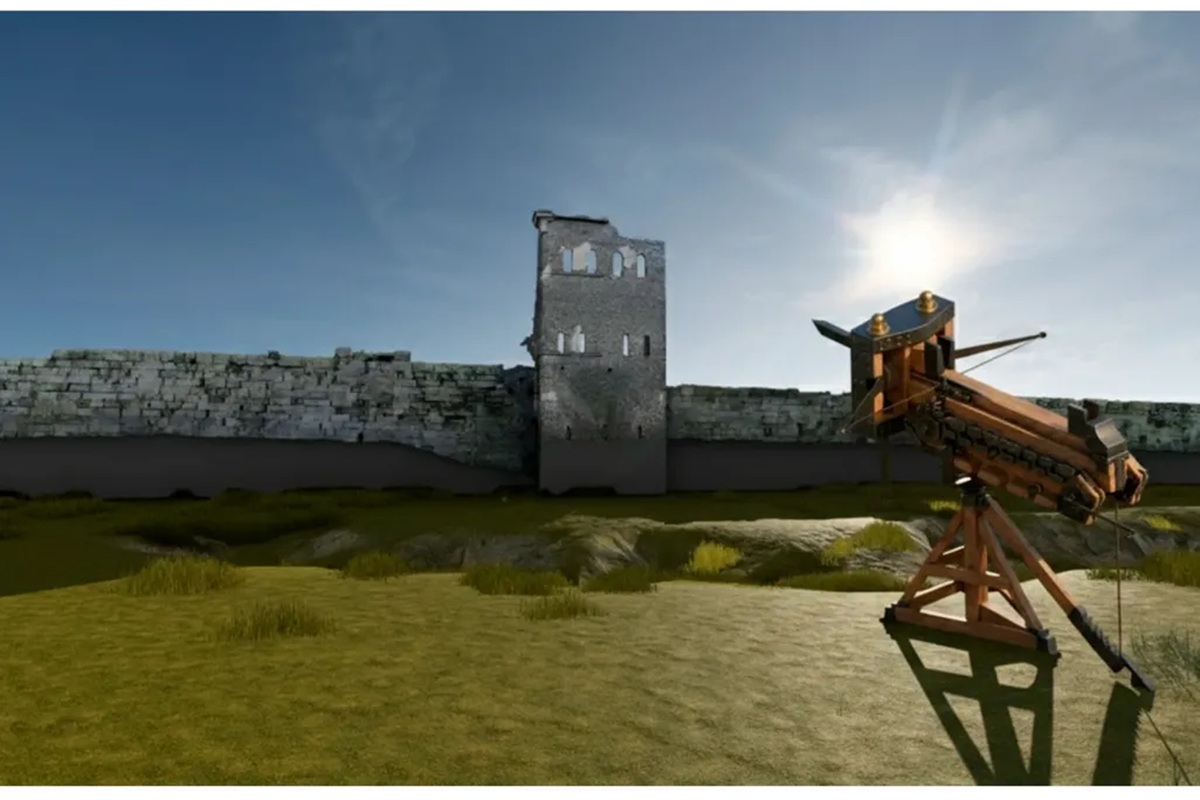
Ancient Rome may have used a type of machine gun 2,000 years ago in Pompeii, and marks on the walls from 89 B.C. are leading researchers to reconstruct how this rapid-fire weapon would have worked.
-
They saw an aluminum can coming out of a stone wall in the forest, opened the container, and found 598 gold coins worth more than $330,000.

This condition of a territory chronically under-governed and difficult to patrol has made the region extremely vulnerable to the explosive development catalyzed by the dam. Cutting through this expanse, the Xingu River is not just a watercourse, but the ecological and cultural backbone of the region, serving as a source of life, food, and identity for hundreds of Indigenous peoples and riverine communities. The decision to dam this river represented a violent clash between two worldviews: that of engineering, which saw the river as a resource to be exploited for megawatts, and that of traditional peoples, who saw it as a living and sacred entity.
Belo Monte: The Promise of Progress and the Legacy of Controversy
Presented as a pillar for Brazil’s energy security, the Belo Monte Hydroelectric Plant is the largest 100% Brazilian power plant and the fourth largest in the world in installed capacity. The project, whose estimated cost surpassed R$ 18 billion, was justified with a narrative of progress, promising the generation of thousands of jobs and social legacies for the region. Defended as a cleaner energy alternative compared to thermal plants, its construction was treated as strategic and non-negotiable by the governments of the time, as highlighted by the coverage from the Senate News Agency.
However, the project was born under the sign of controversy. Since its conception in the 1970s, it faced fierce opposition from a coalition of Indigenous peoples, NGOs, social movements, and academics. The legal battle was intense, with the Federal Public Ministry filing actions that even suspended the plant’s auction twice, highlighting serious flaws in the environmental licensing. The controversy gained worldwide attention, attracting figures like filmmaker James Cameron, who publicly criticized the project. Despite the opposition and warnings, the Brazilian state acted with a “developmentalist bulldozer”, determined to win the battle at any cost.
The Disruption of an Ecosystem and a People
The impacts of Belo Monte manifested as a cascade of interconnected crises. The alteration of the Xingu River’s hydrological regime, which diverted a large portion of its flow, triggered what ClimaInfo describes as the disruption of an ecosystem. The drastic reduction of water flow in the Volta Grande do Xingu, a stretch of 100 kilometers of high biodiversity, resulted in an ecological disaster documented: a massive fish die-off, the silting of the riverbed, and the death of vast areas of forest, turned into “graveyards of trees”.
Simultaneously, the city of Altamira was subjected to an “unprecedented social chaos”. The influx of tens of thousands of workers overwhelmed infrastructure, driving up violence rates and collapsing health services. At the same time, over 30,000 people were forcibly displaced from their homes. The destruction of the river as a source of livelihood forced riverine and Indigenous peoples to migrate to the outskirts of an already collapsing city, trapping them between the loss of their past and the absence of a viable future.
The Energy Paradox and the Permanent Scars of the Largest Municipality in Brazil
The legacy of Belo Monte is marked by a profound paradox. Despite its massive installed capacity of 11,233 MW, the plant delivers a firm energy of only 4,571 MW, less than 40% of its potential, due to the seasonality of the Xingu River. This “energy paradox” questions the cost-benefit relationship of a project that demanded such immense social and environmental sacrifice. The final irony is that while the energy generated in the Xingu powers the industrial centers of the Southeast, many of the local communities that paid the highest price for the dam continue to live in the dark.
The model adopted was that of a classic “extractive enclave”, where a resource is extracted from a peripheral territory to benefit distant economic centers, treating the local population and their environment as a “sacrifice zone”. The economic boom from construction was fleeting, leaving behind a broken social fabric, a degraded ecosystem, and a population that bears the losses while the energy flows away. The scars of Belo Monte in the largest municipality in Brazil are a lasting testament to the unacceptable costs of a development vision that continues to haunt the future of the Amazon.
The story of Altamira and Belo Monte raises a fundamental question about the future of the Amazon. Do you believe that large infrastructure projects like this justify their social and environmental costs? What path should Brazil take to develop the region? Leave your opinion in the comments; we want to understand your perspective on this dilemma.






I must say this article is extremely well written, insightful, and packed with valuable knowledge that shows the author’s deep expertise on the subject, and I truly appreciate the time and effort that has gone into creating such high-quality content because it is not only helpful but also inspiring for readers like me who are always looking for trustworthy resources online. Keep up the good work and write more. i am a follower.