





 Portuguese
  English
  Spanish
 4 min of reading
  5 comments


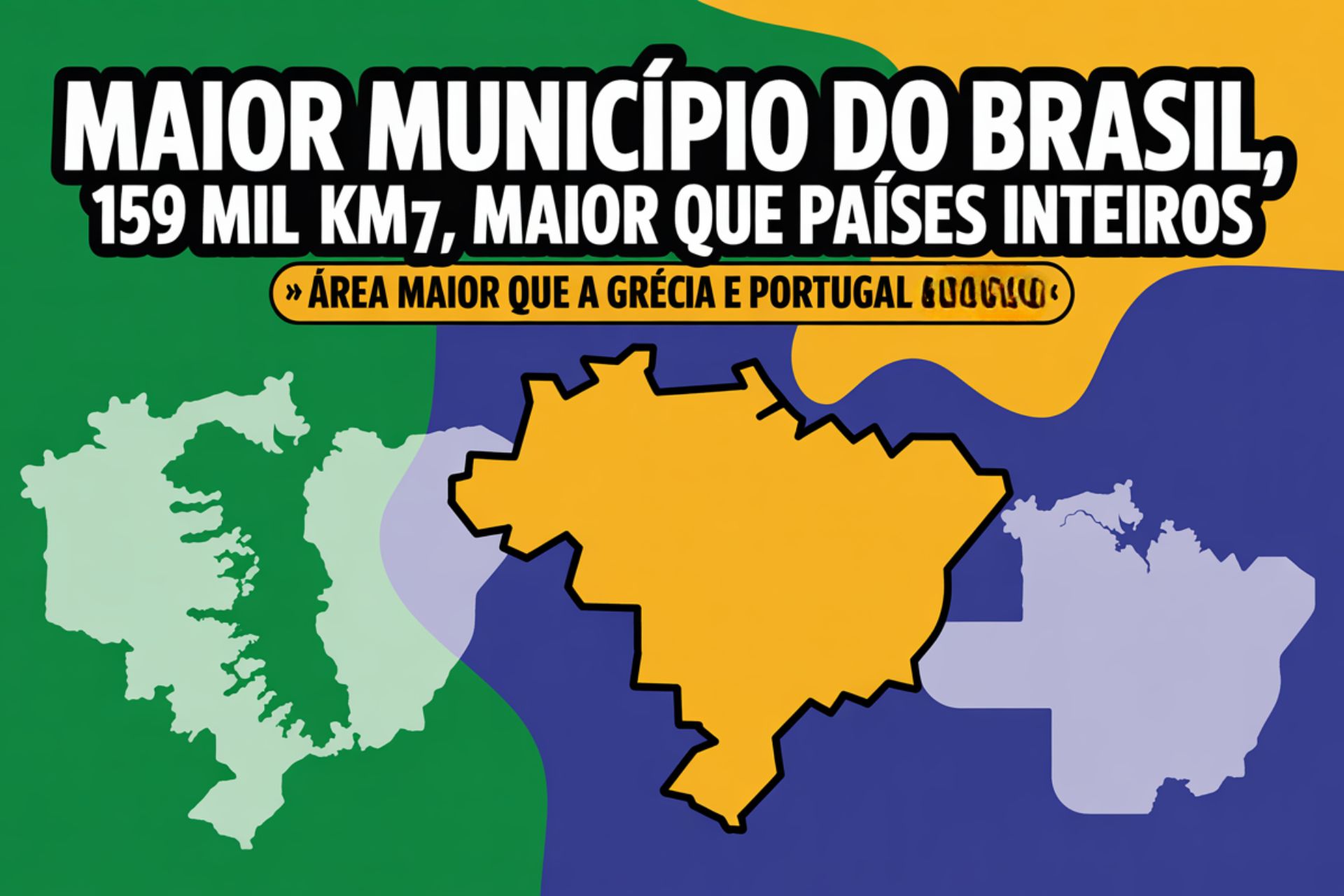


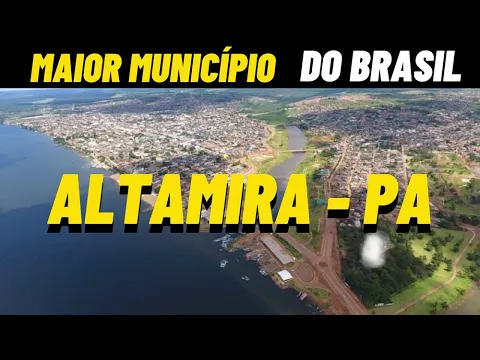
Altamira (PA) Is The Largest Municipality In Brazil, With 159,000 Km² — An Area Larger Than Countries Like Greece And Portugal. Despite Its Mineral Wealth And The Belo Monte Dam, It Faces Logistic, Social, And Environmental Challenges In Managing A Continental Territory.
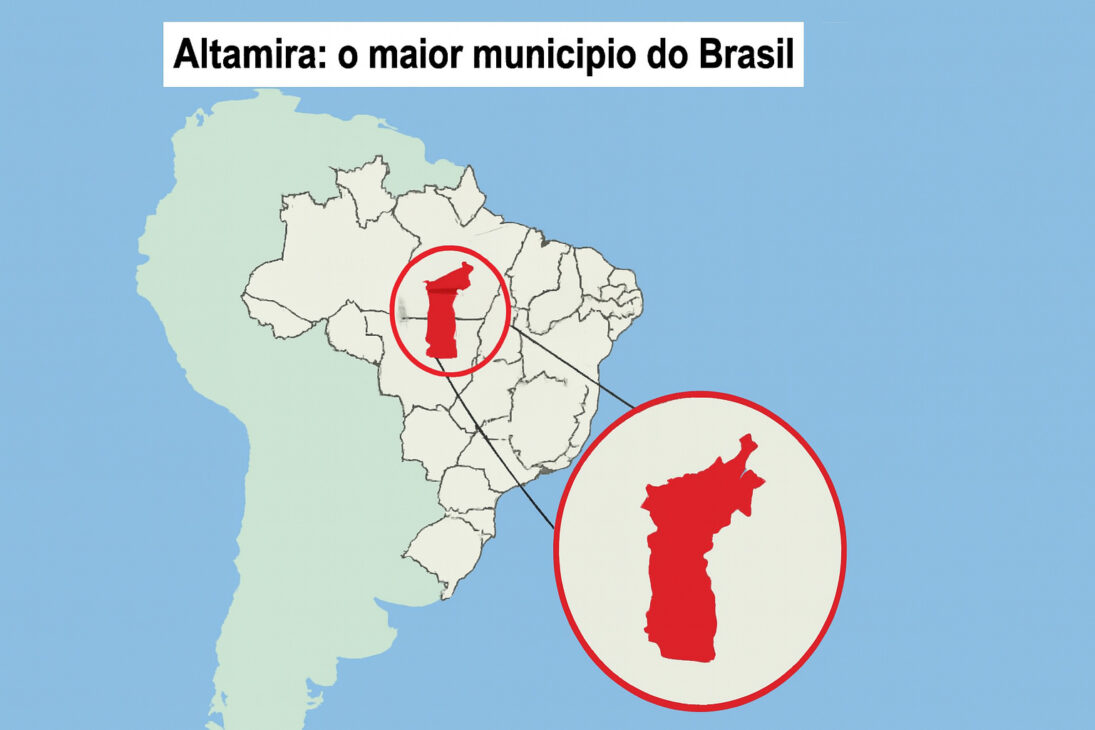
When talking about large Brazilian cities, metropolises like São Paulo, Rio de Janeiro, or Brasília come to mind. But, in terms of territorial extension, none of them come close to the true giant: Altamira, in Pará. According to the IBGE, this municipality has an impressive 159,533 km², making it the largest in Brazil and one of the largest in the world. For comparison, its area is equivalent to twice that of Greece or the entire territory of the state of Pernambuco multiplied by 15.
Despite its colossal size, Altamira has just over 120,000 inhabitants (Census 2022). This means its population density is extremely low — only 0.75 inhabitants per square kilometer, a figure similar to that of desert regions or boreal forests.
A Territory Larger Than Entire Countries

International comparisons help to reveal the greatness of the municipality:
-
Few remember, but the submarine that disappeared in 1968 with 52 crew members was found after 51 years at the bottom of the sea at more than 2,000 meters, intriguing the entire world.
-
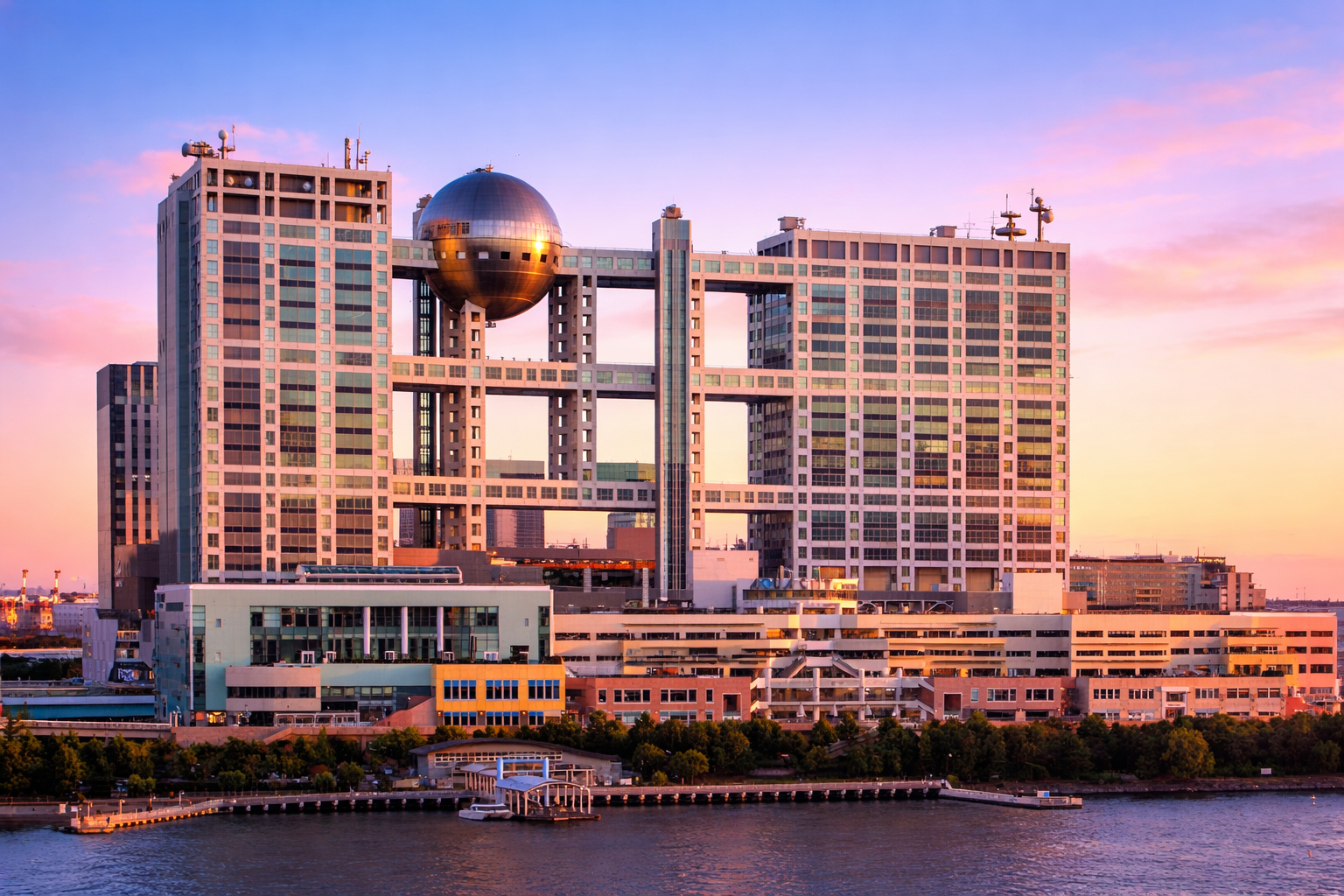
With 1,200 tons suspended, the Japan mega-structure in a grid shape with a floating sphere from Fuji TV features two 25-story towers connected by elevated walkways, titanium panels, and impresses the world with its ability to reduce wind impact.
-
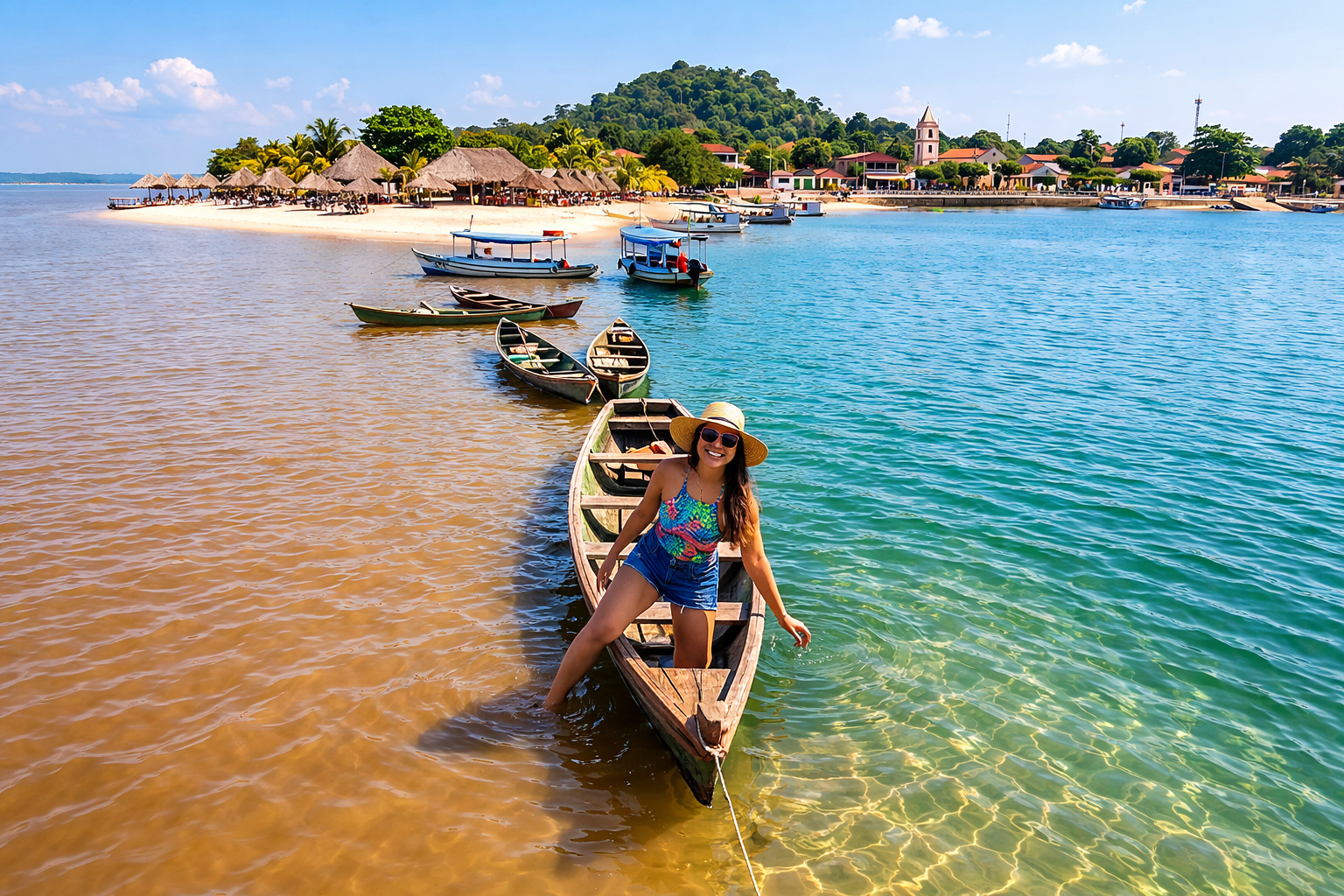
The village where two rivers run side by side without mixing in Santarém and Alter do Chão reveals some of the most beautiful freshwater beaches on the planet.
-
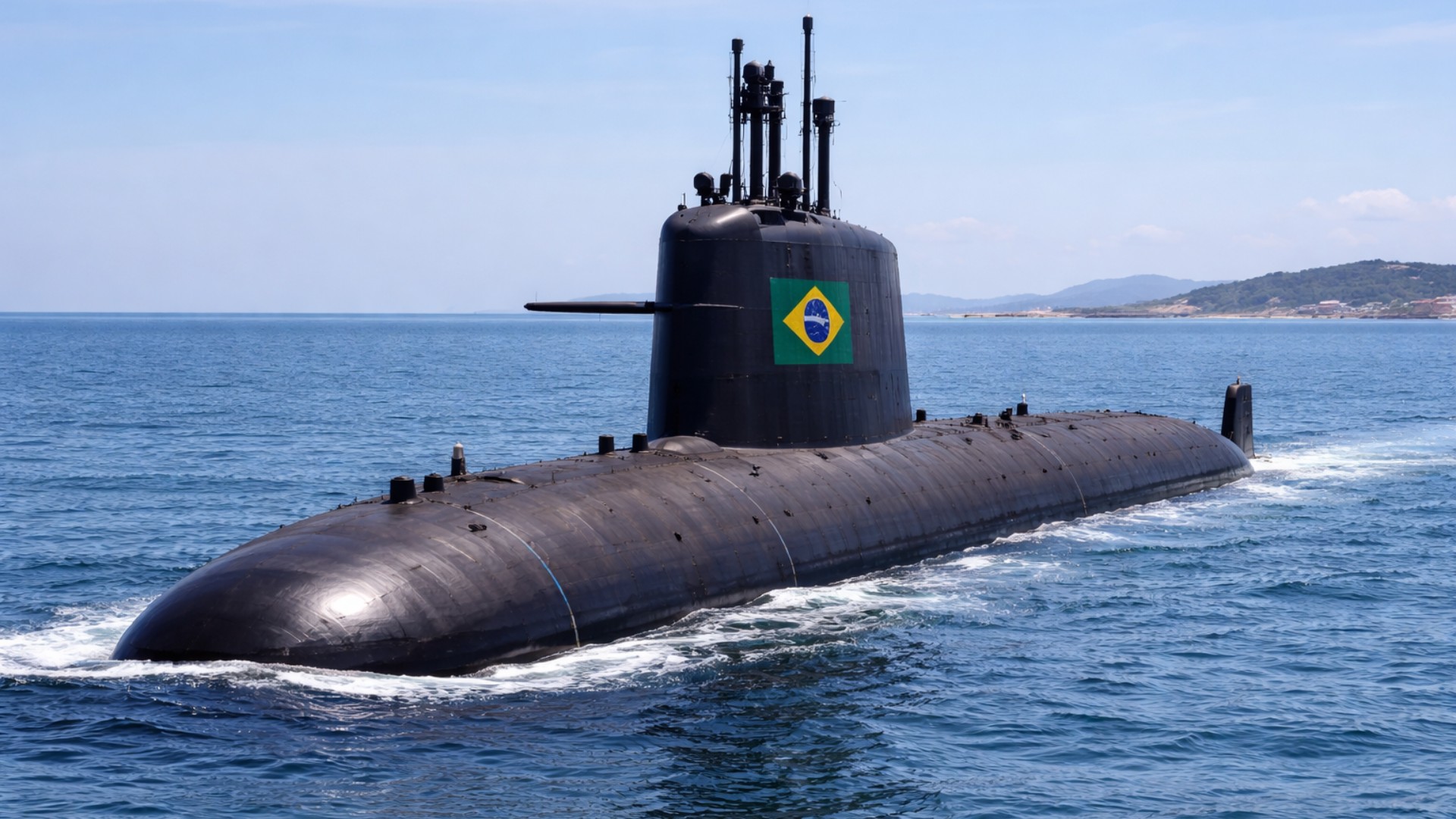
Brazil’s nuclear submarine with a speed 5 times greater than normal advances after nearly 50 years and R$ 40 billion spent.

- Altamira (PA): 159,533 km²
- Greece: 131,957 km²
- Portugal: 92,212 km²
- South Korea: 100,339 km²
- England: 130,395 km²
In other words: Altamira alone is larger than all of these European and Asian countries. In the global ranking of municipalities by area, it ranks among the ten largest on the planet, behind only administrative regions in Australia and Russia.
The Weight Of The Amazon In The Account Of The Largest Municipality In Brazil
The explanation for this grandiosity lies in the fact that Altamira is part of the Legal Amazon, an area that concentrates vast portions of tropical forest, enormous rivers, and low human occupation.
The territory encompasses environmental reserves, indigenous areas, and zones for economic exploitation.
Altamira is traversed by the Xingu River, one of the most important tributaries of the Amazon basin, and also houses part of the Belo Monte Hydroelectric Plant, considered the fourth largest in the world by installed capacity, with 11.2 GW of power.
A Contrast Between Wealth And Challenges
Despite being the stage for mega projects like Belo Monte, the municipality faces enormous management challenges:
- Logistical Difficulties: With such vast dimensions, traversing Altamira is like crossing entire states. Poor roads and rivers hinder transportation.
- Low Population Density: A large part of the area is covered by dense forest, with isolated communities living under very different conditions from the municipal seat.
- Land Conflicts: The expansion of agribusiness pressures indigenous and environmental protection areas, leading to recurring disputes.
- Unequal Infrastructure: While the urban area concentrates basic services, many rural and riverside communities suffer from limited access to health, education, and energy.
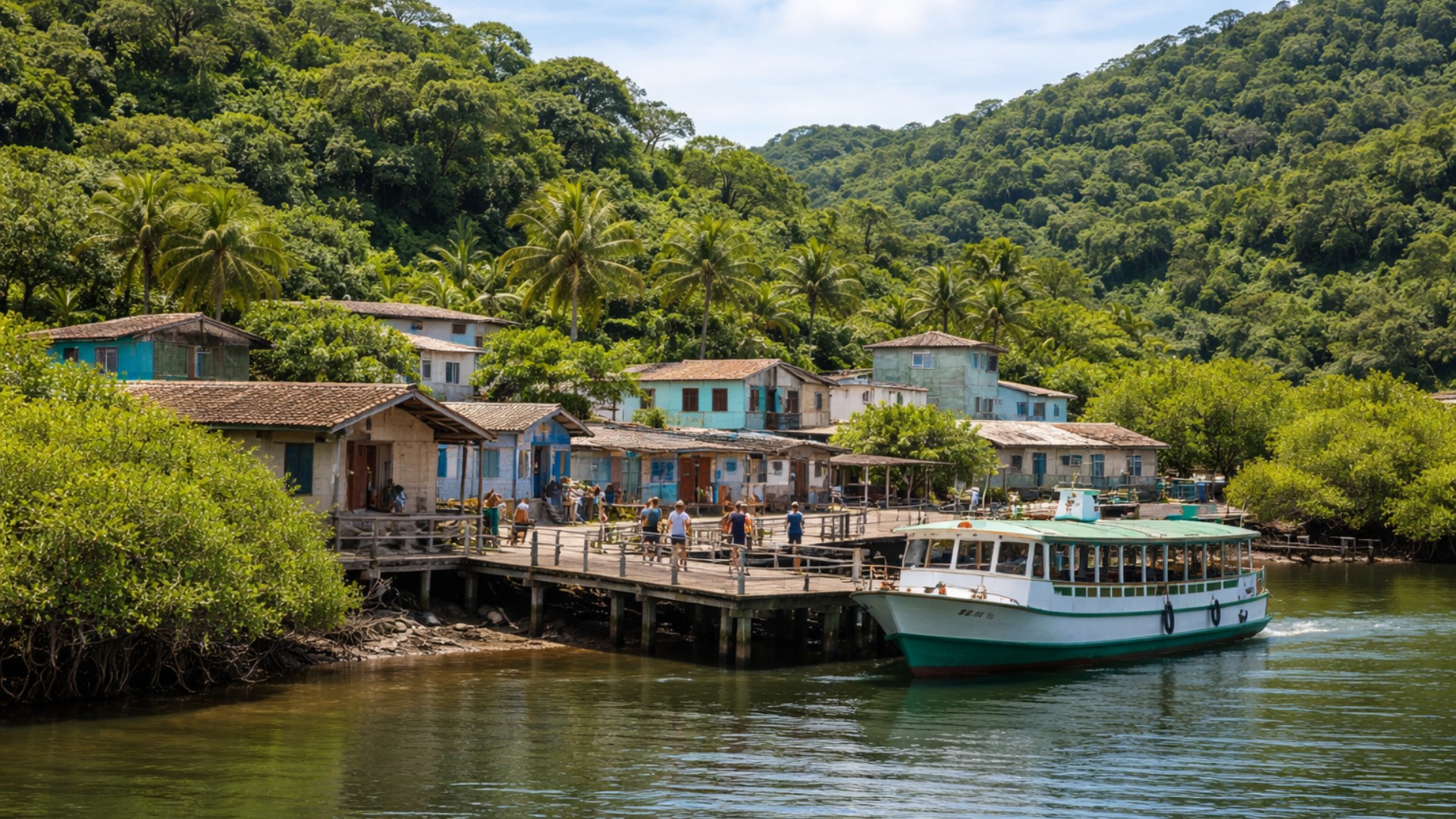
This contrast makes Altamira a living portrait of Amazonian contradictions: a gigantic territory, abundant natural resources, but immense structural difficulties.
The Strategic Importance Of Altamira
The municipality is relevant not only for Pará but for all of Brazil.
- Energy: Belo Monte accounts for a significant share of the electricity consumed in the country.
- Agribusiness: The region has grown as a hub for cattle ranching and soybeans, although amid controversies over deforestation.
- Biodiversity: Altamira houses conservation areas like the Serra do Pardo National Park and Terra do Meio, critical for global climate balance.
- Freshwater: The Xingu is one of the most preserved rivers in the Amazon, with vital cultural and environmental importance.
Altamira also stands out for its human diversity. In addition to urban residents, the municipality is home to indigenous peoples like the Kayapó and Juruna, as well as riverside communities that rely on fishing and subsistence agriculture. This cultural plurality coexists alongside large economic enterprises, often in tension.
National Comparisons
To better understand the size of Altamira, it is worth comparing it to other Brazilian giants:
- Altamira (PA): 159,533 km²
- The Second Largest Municipality, Barcelos (AM): 122,476 km²
- São Paulo (Capital): 1,521 km²
- Rio de Janeiro (Capital): 1,200 km²
This means that Altamira is over 100 times larger than São Paulo or Rio de Janeiro.
The Future Of The Largest Municipality In Brazil
Experts point out that Altamira faces a crossroads: how to reconcile economic development with environmental preservation in such a strategic area?
On one hand, the municipality attracts large investments in energy and agribusiness. On the other, it must deal with international pressures for deforestation and the responsibility of protecting one of the planet’s largest biodiversity reserves.
The solution, researchers from the Federal University of Pará (UFPA) argue, is to bet on a sustainable development model that values both traditional peoples and standing forests.
The case of Altamira shows how Brazil is a country of extremes: while some cities barely reach 3 km² (like Santa Cruz de Minas, the smallest municipality in the country), others, like Altamira, have continental dimensions.
This disparity reinforces the Brazilian territorial diversity but also highlights how much we still need to advance in infrastructure, urban planning, and environmental balance.







15 vezes o estado de Pernambuco kkkkkkk
Quanta desinformação
Dados totalmente equivocados. Pernambuco tem uma área em torno de 98 mil Km2, ou seja, impossível ser 15 vezes maior que o estado. E pelo números informados, não tem como ser duas vezes o tamanho da Grécia. Coloca em dúvida todas as informações do texto.
Realmente o dono dos dados se equívoco ao extremo.
Esses dados postados na matéria são “MADE IN IBGE DE LULA”.
Lembra do no diretor do IBGE?
Acredito que deve ter um erro de digitação, seria 1.5 maior que Pernambuco, o que está correto, as outras informações estão batendo