





 Portuguese
  English
  Spanish
  4 min of reading
  2 comments


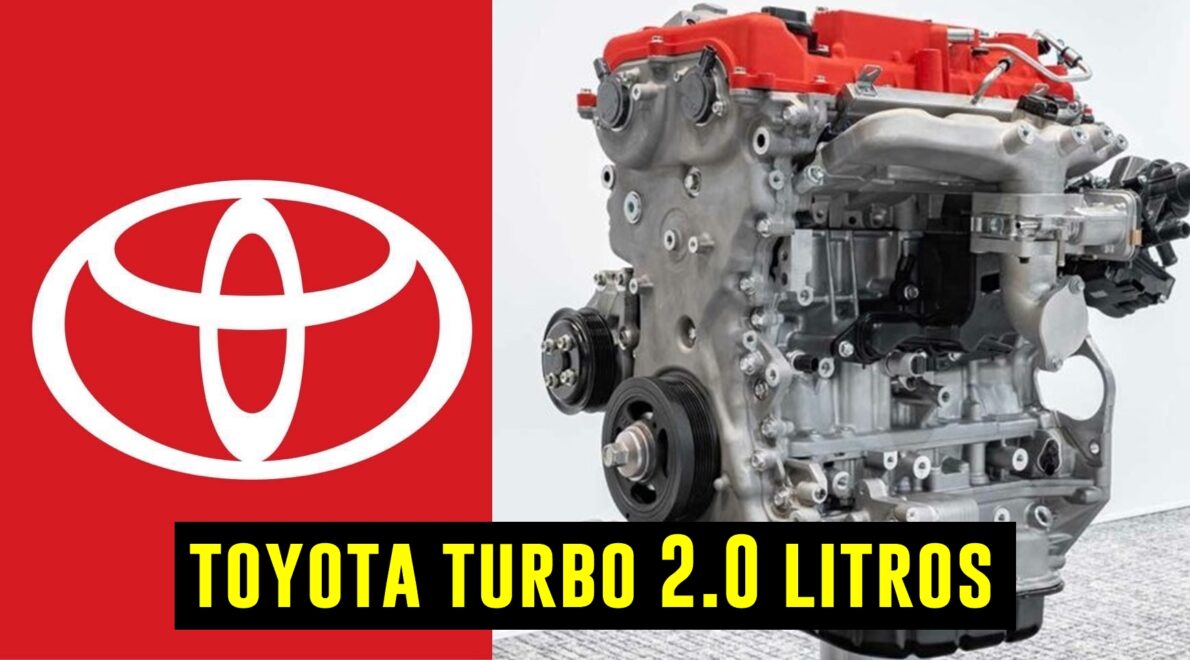


Toyota Developed A 2.0-Liter Turbo Engine With 600 Horsepower, Outperforming The Mercedes-AMG A 45 By 200 Horsepower And Securing The Title Of Most Powerful Engine In The World. Discover This Incredible Innovation
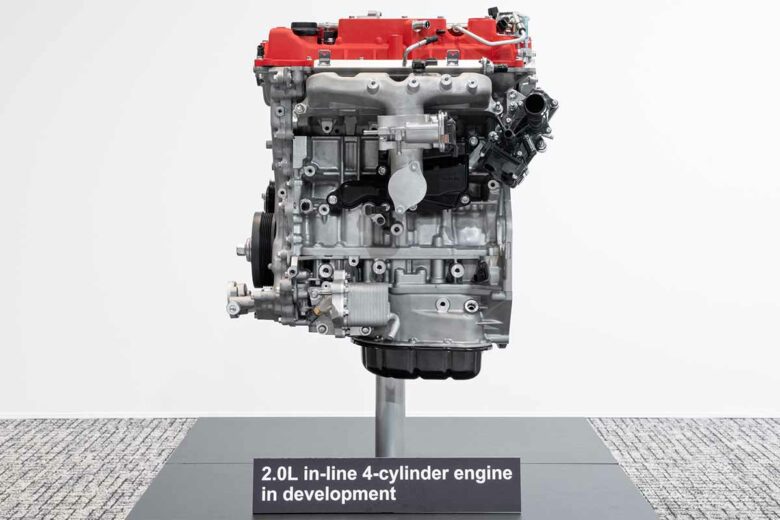
As the global automotive market moves towards electrification, Toyota surprises by continuing to invest in the development of high-performance combustion engines. The Japanese giant is designing a new 2.0-liter turbo engine that promises to revolutionize the sector, reaching the impressive mark of 600 horsepower of power.
This represents a significant increase compared to the current market leader, the Mercedes-AMG M139, which develops 400 horsepower.
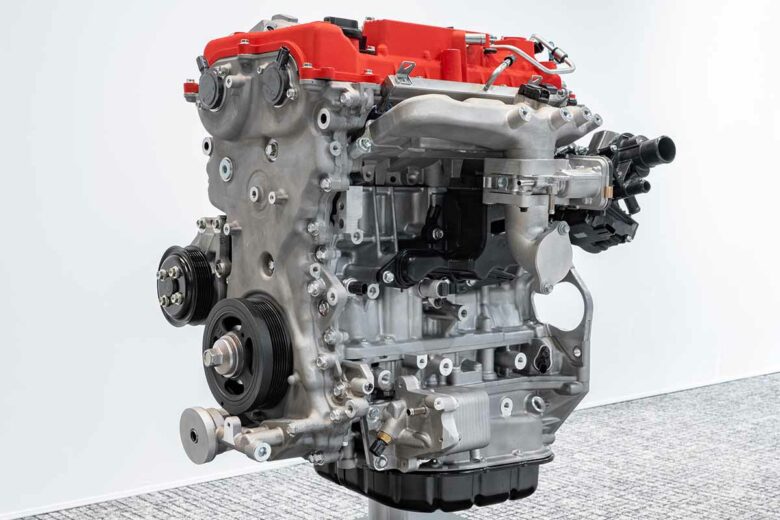
The Future Of Combustion Engines
In recent years, many countries have adopted strict measures to encourage the shift to electric vehicles. Europe, for example, has already established legislation that bans the sale of gasoline and diesel cars starting in 2035.
-
With 122 hp, fuel consumption of up to 17.7 km/l, and a trunk capacity of 440 liters, this hybrid SUV impresses even though it costs up to R$ 47,000 more than the Yaris — meet the Toyota Corolla Cross.
-
600 km with three Chinese plug-in SUVs, same mode and air conditioning on: Jaecoo 7, BYD Song Plus, and Haval H6 hit the road, and the pump reveals who was truly the most economical.
-
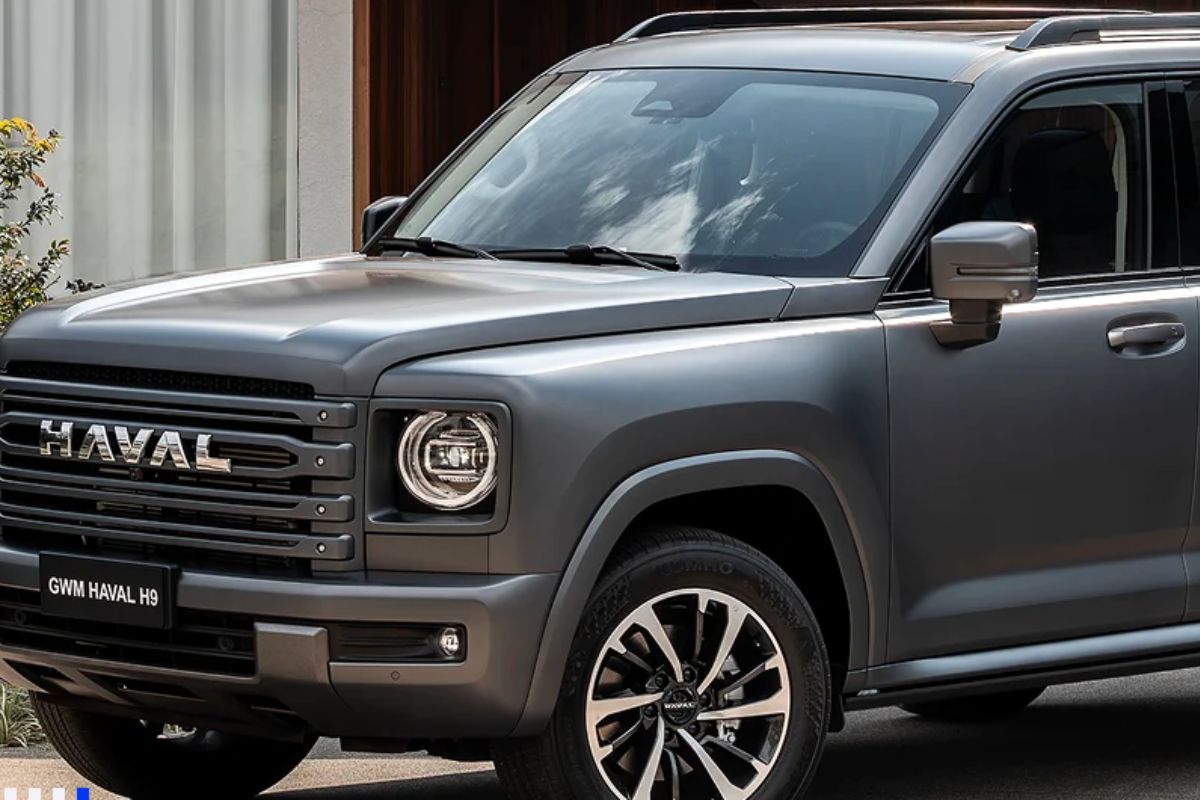
With a price almost R$ 100 thousand lower, the Haval H9 surpasses the SW4 for the first time in March, but Toyota still leads in the accumulated total for 2026; the Chinese SUV bets on technology and premium finishing to compete at the top.
-
6 used cars that cost less than a new Honda CG 160 Titan and still provide trunk space, four seats, and comfort that many new motorcycles cannot offer.

In the United States, California has taken a similar approach, planning to prohibit the registration of new combustion vehicles. However, even in the face of this scenario, some automakers continue to bet on thermal engines.
Toyota, in particular, is following this line, developing technologies that aim to combine high performance and sustainability.
Toyota is not alone in this effort. In partnership with Subaru and Mazda, the company is working on the development of next-generation gasoline engines, which include 1.5 and 2.0-liter versions.
The brand’s bet is that, even with environmental regulations becoming stricter, there will still be a significant market for combustion vehicles.
In addition, Toyota is committed to making its engines compatible with carbon-neutral fuels, minimizing environmental impacts and ensuring the long-term viability of these technologies.
An Engine That Surpasses The Mercedes Competitor
The Mercedes-AMG M139, launched in 2019, is widely recognized as the most powerful 2.0-liter engine in the world. With its 400 horsepower and 500 Nm of torque, it powers the AMG A 45, one of the most prestigious models from the German automaker.
However, Toyota intends to exceed this milestone with its new 2.0-liter turbo engine, which is expected to deliver no less than 600 horsepower. This represents an impressive power density of 300 horsepower per liter, something few manufacturers have managed to achieve so far.
This new super sports version of Toyota’s 2.0 turbo engine reflects the brand’s commitment to staying ahead in performance competition.
The development of this engine also highlights the company’s focus on keeping alive the passion for sports cars, even at a time when many manufacturers are shifting to the electric vehicle market.
Diverse Versions To Meet Different Consumer Profiles
Toyota is not just developing a super sports version of this engine. The brand plans to launch several variants, each with different power levels, in order to cater to a wide range of consumers.
The most basic version of the 2.0-liter turbo engine will offer approximately 300 horsepower and 400 Nm of torque, a more accessible option for those seeking solid performance without sacrificing efficiency.
For those looking for a balance between power and versatility, Toyota will offer an intermediate variant with around 400 horsepower and 550 Nm of torque. This version would serve as a direct alternative to the Mercedes-AMG A 45, allowing performance enthusiasts to choose the option that best suits their profile.
All these versions will be available with a choice between an 8-speed automatic transmission or a 6-speed manual transmission, providing even more customization for consumers.
Future Applications
The new engines developed by Toyota are being designed to equip two iconic models from the brand: the MR2 roadster and the Celica. These vehicles, which are synonymous with sportiness and innovation, will receive the new versions of the 2.0 turbo engine, which should further enhance the performance of both models.
According to Japanese press, the MR2 will be produced in limited numbers and will initially be available only in the local market. The suggested price for the MR2 and the Celica is around €60,800, or about 10 million yen.
Despite the future of the automotive sector being heavily oriented towards electrification, Toyota believes that combustion engines will still have a relevant role in the coming decades. The company estimates that by 2030, about 70% of vehicles in circulation will still be powered by combustion engines.
However, to face environmental regulations, Toyota is developing engines that can operate on carbon-neutral fuels, helping to reduce CO2 emissions and prolong the lifespan of thermal vehicles.










Portanto, Toyota, parabéns por ir no caminho certo. Empresa séria, de confiança!! Não é a toa que é a melhor e maior do mundo. E estes motores 2.0 com 300, 400 e 600 cavalos vão revolucionar o mercado mundial e enterrar VW, AUDI, BMW, MERCEDES, todos os chineses, as já agonizantes Peugeot ,Citroen e Renalt além de outras por aí.
E convenhamos: se a Toyota vai na contramão dos esquerdopat@s, só pode estar certa.
Carro elétrico é mico!! Só funciona pra cidade, SE vc lembrar de carregar e SE vc tiver carregador. E olhe lá!! E pra trocar a bateria é o preço de outro carro. São tantas desvantagens hoje que só “compensa” pra poucos.