





 Portuguese
  English
  Spanish
  4 min of reading
  0 comments


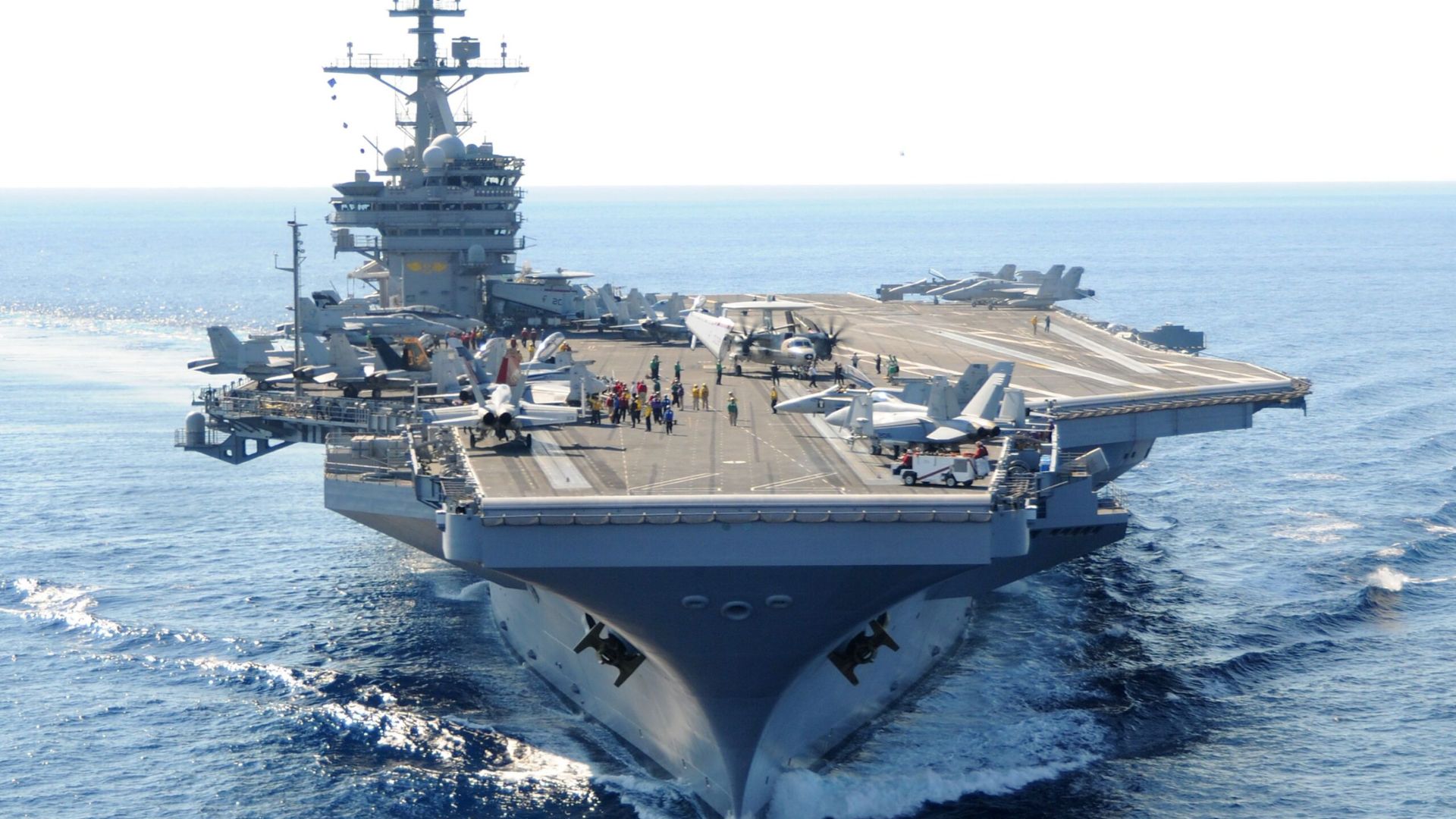
The Arrival of USS Gerald R. Ford in Latin America Intensifies US Military Presence and Increases Pressure on the Regime of Nicolás Maduro, in One of the Largest Naval Deployments of the Decade
The geopolitical climate in Latin America has just gained a new and powerful ingredient. The USS Gerald R. Ford, the largest aircraft carrier in the world, has just arrived in the region to reinforce the naval fleet of the United States amid escalating tension with Venezuela. The movement comes at a time when the US government is increasing its presence in the Caribbean and sending a clear signal of military strength.
According to an official statement from the US Department of Defense, released this Tuesday (11), the vessel was sent with the objective of “combating drug trafficking and dismantling transnational criminal organizations”, as explained by Pentagon spokesperson Sean Parnell. The announcement confirms that the ship arrived accompanied by three escort destroyers, extending the reach of US naval operations in the region.
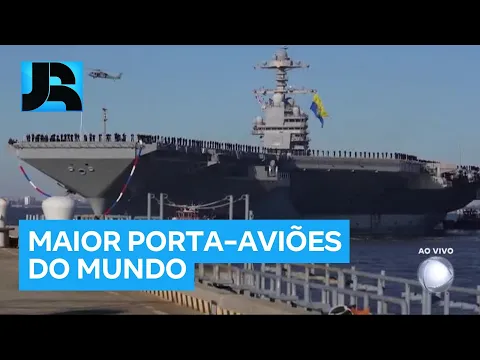

The Largest Aircraft Carrier in the World in Action in the Southern Hemisphere
At over 337 meters long, the USS Gerald R. Ford is a true floating city equipped with cutting-edge technology and capacity for more than 75 aircraft. Valued at US$ 13 billion, the ship represents the pinnacle of US naval engineering and is the first of a new generation of super aircraft carriers powered by nuclear energy.
-
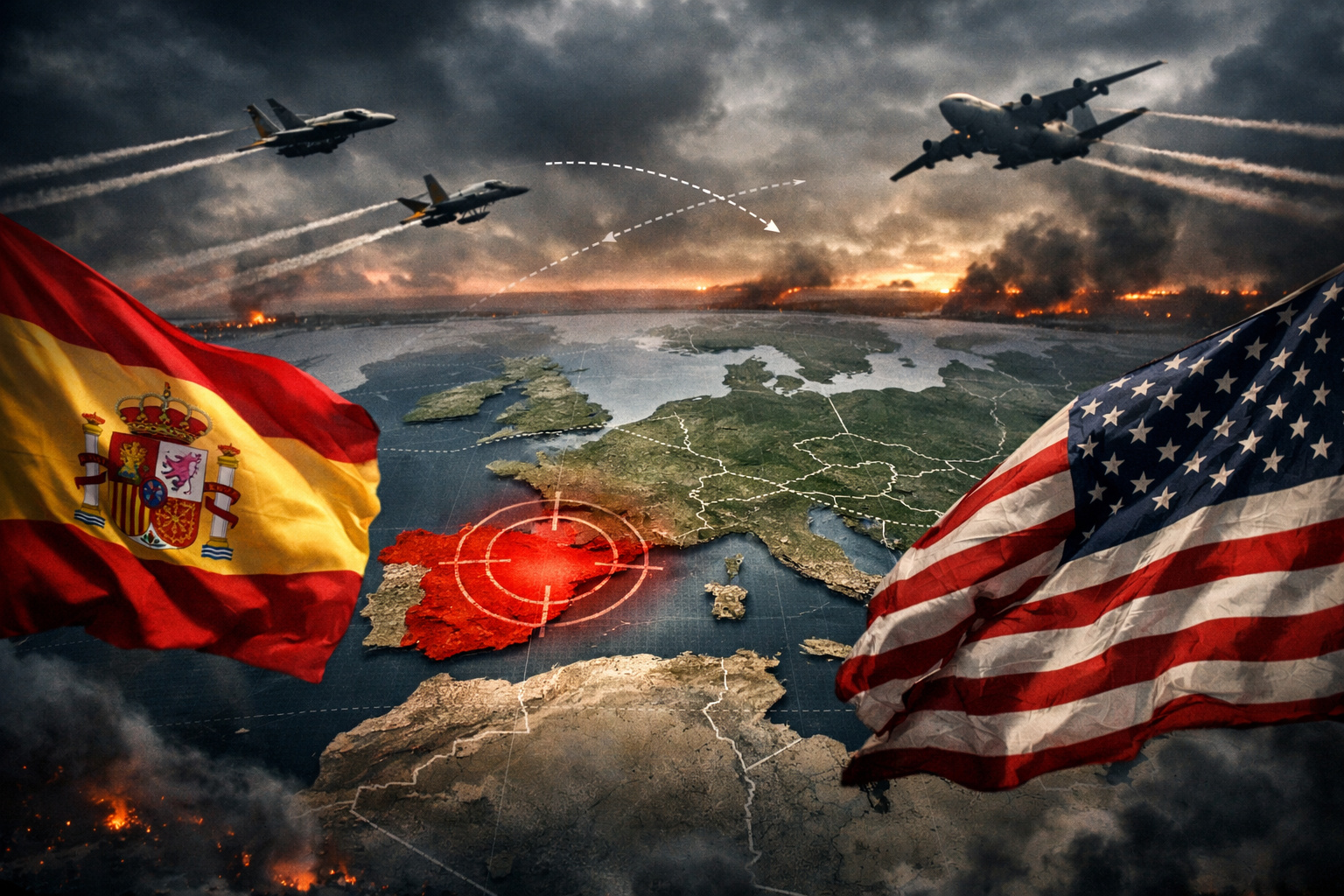
Spain challenges the USA and closes its airspace for operations against Iran, raising global tension and provoking the threat of a trade rupture.
-
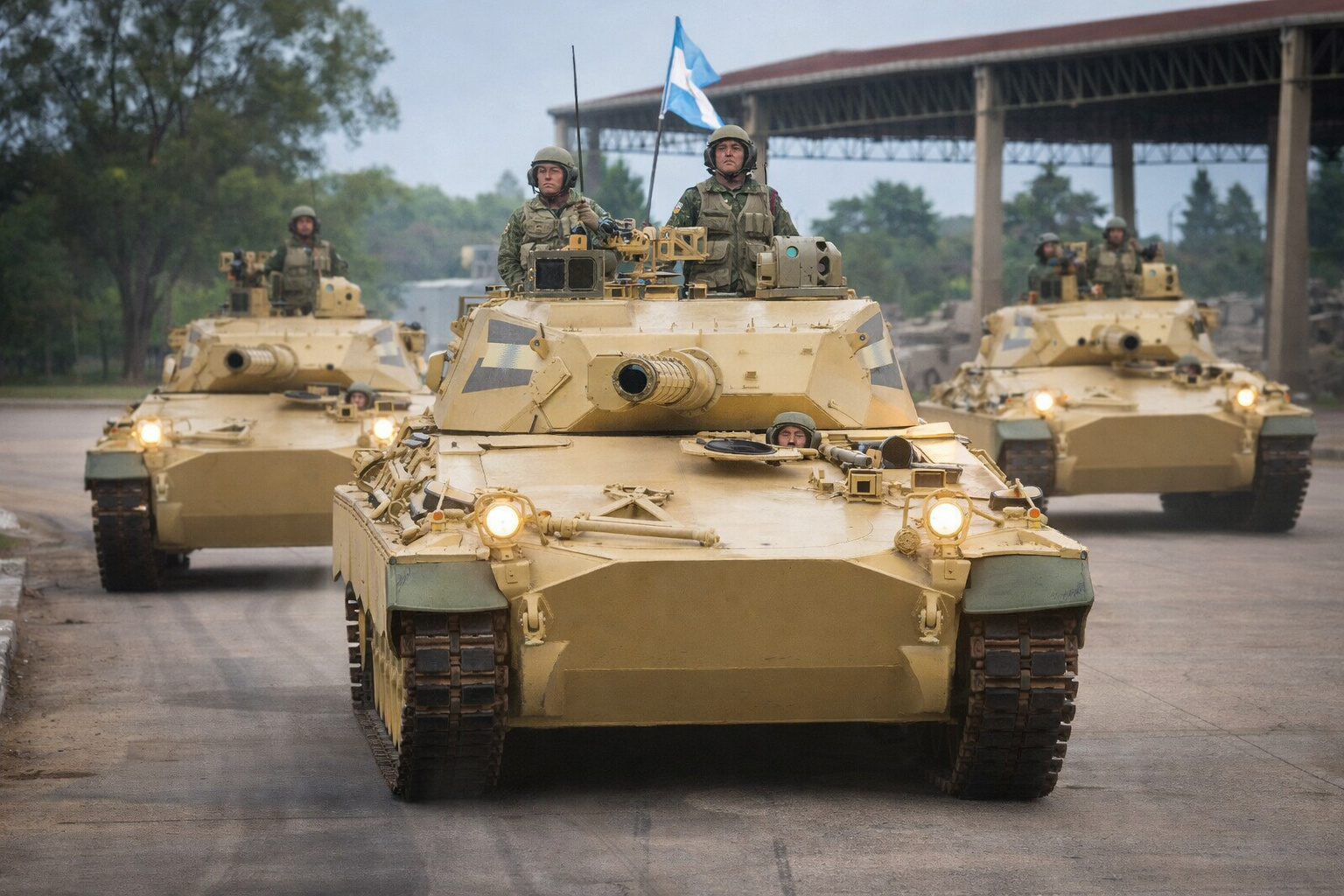
While no other country manufactures tanks in Latin America, Argentina activates the TAM 2C-A2 and raises a curiosity about the technological lag in the region.
-
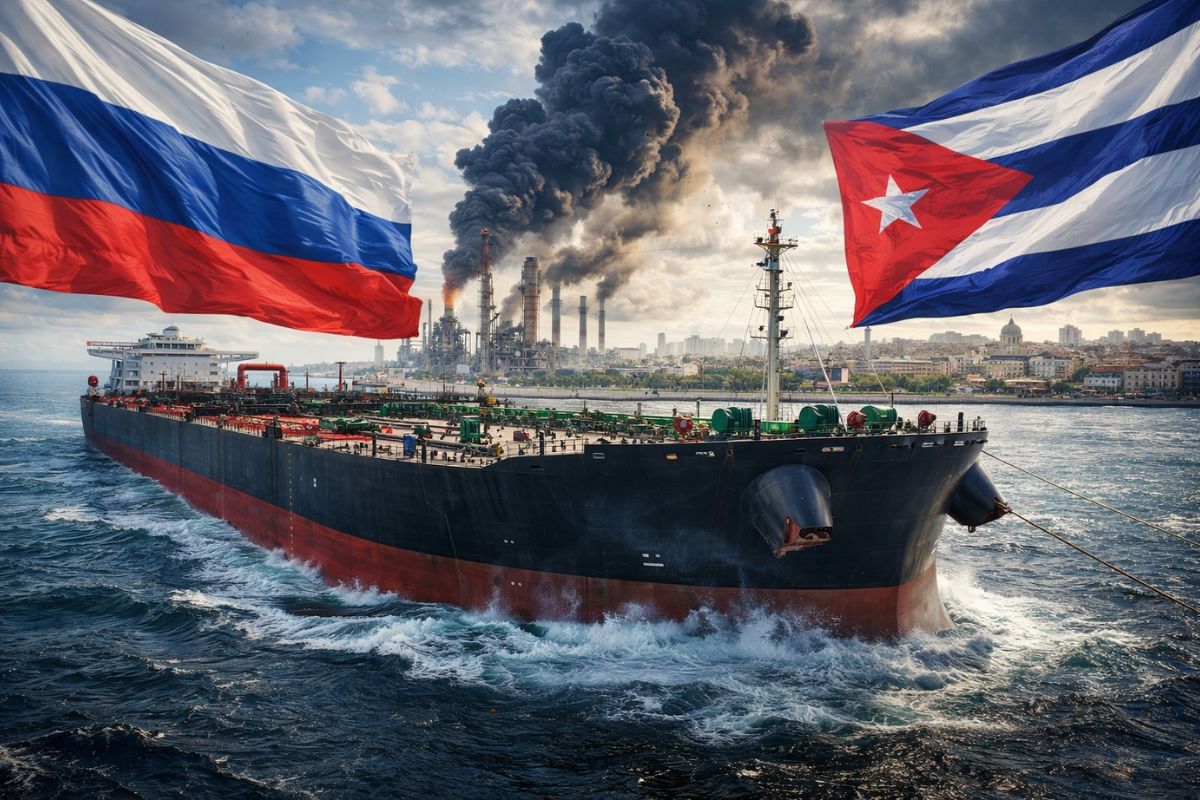
A Russian ship with 730,000 barrels of oil has just arrived in Cuba while Mexico negotiates fuel sales through private companies: the communist island is desperately seeking alternatives after losing its supply from Venezuela due to American military action.
-
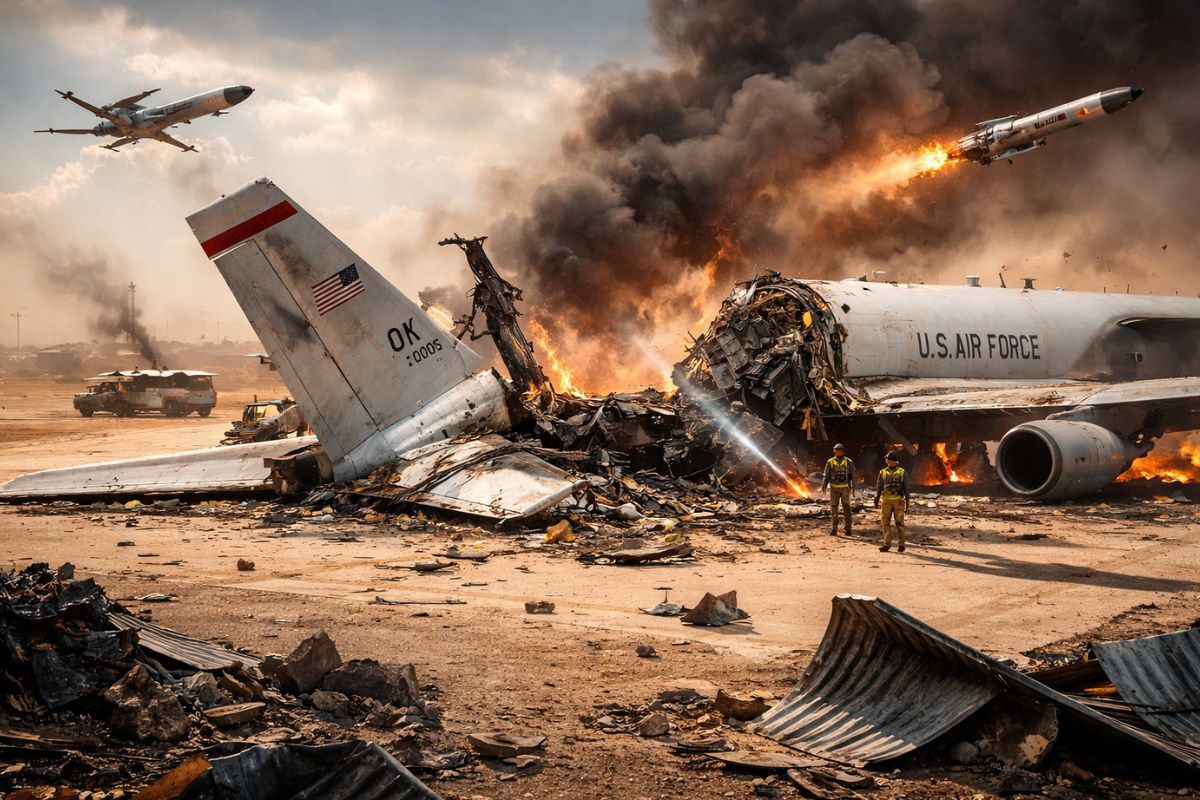
Iranian drones and missiles destroyed a 270 million dollar American spy plane in Saudi Arabia, splitting the E-3 Sentry aircraft in half and injuring 12 military personnel in an attack that exposes the vulnerability of U.S. bases in the Persian Gulf.

According to the Washington Post, the Gerald R. Ford is not yet officially in the Caribbean Sea, but is already operating within the area of responsibility of Southern Command (SOUTHCOM), covering parts of the Atlantic and important trafficking routes in the Pacific. This strategic presence allows the US to monitor suspicious activities and respond rapidly to maritime incidents in the region.
The decision to transfer the vessel was signed on October 24 by Secretary of War Pete Hegseth, one of the main military allies of Donald Trump‘s government. With this movement, the number of US warships close to Venezuela exceeded a dozen, consolidating one of the most significant naval campaigns in the recent history of the country.
Naval Campaign Intensifies Pressure on Maduro and Petro
Since September, the US Armed Forces claim to have sunk 20 vessels and arrested more than 75 people accused of involvement in drug trafficking, according to official data from the Pentagon. These operations took place in Caribbean and Pacific waters, under the justification of combating illegal routes controlled by transnational cartels.
The regime of Nicolás Maduro in Venezuela reacted harshly to the American military presence near its borders, classifying the actions as “imperialist provocations”. Colombian President Gustavo Petro also criticized the exercises, despite political pressures from the US. Both have been pointed out by former President Trump as governments complicit with drug trafficking, further increasing diplomatic friction in the region.
For military analysts, the arrival of the Gerald R. Ford marks a symbolic turning point in the balance of power in the southern hemisphere. The operation is seen as part of a broader US strategy to contain the influence of regimes allied with Russia and China in Latin America, especially in Venezuelan territory.
A Strategic Message to the World
Beyond the regional impact, the dispatch of the USS Gerald R. Ford is interpreted as a global geopolitical message. The US government seeks to demonstrate power on multiple fronts — while keeping its focus on Asia and Eastern Europe, it also reinforces vigilance over the Caribbean and South America.
Defense experts emphasize that the aircraft carrier does not just act as a launch base for fighters and helicopters, but also as a forward command center capable of coordinating communications, intercepting signals, and overseeing joint naval missions. This combination of force and intelligence makes the Gerald R. Ford a key asset in projecting US power.
The information was initially reported by Gazeta do Povo, with additional details from Washington Post. Both highlight that the American move rekindles memories of the Cold War and signals a new phase of strategic disputes in Latin America, where maritime control once again plays a central role.








Seja o primeiro a reagir!