





 Portuguese
  English
  Spanish
 4 min of reading
  82 comments


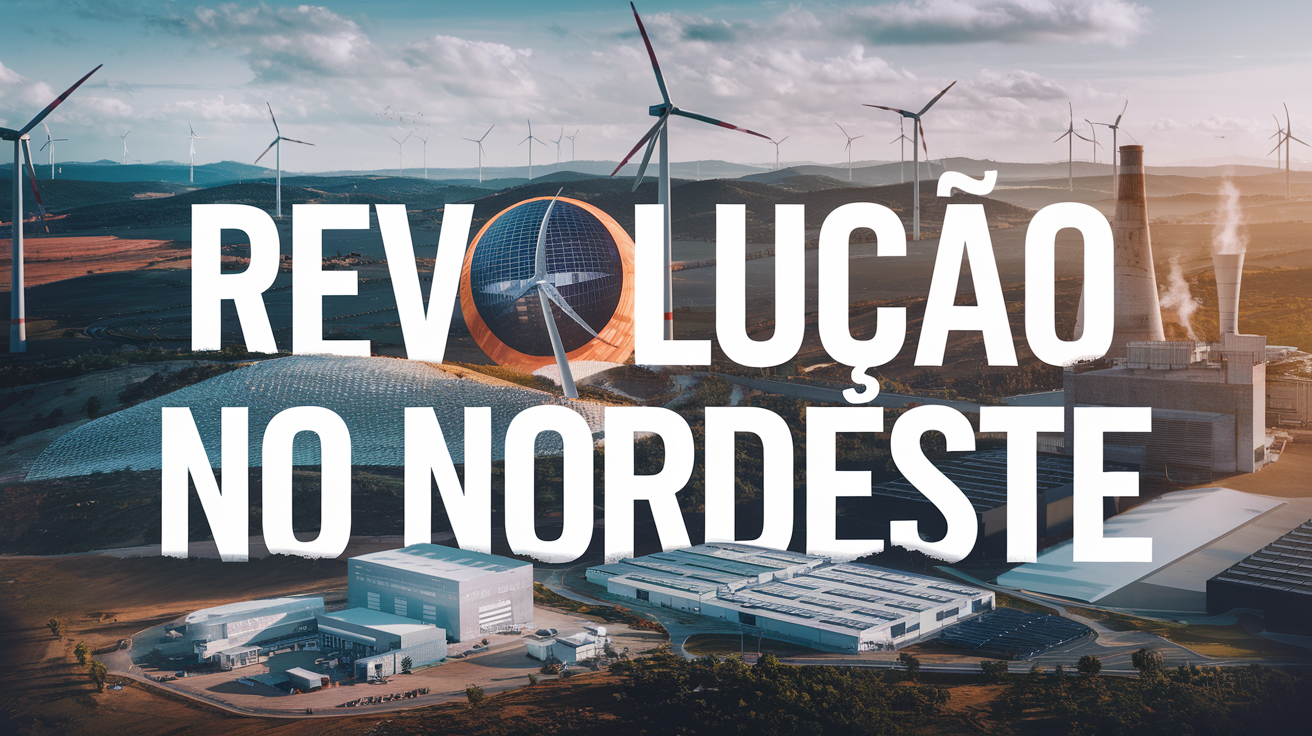


The Brazilian Northeast Is About to Become the Epicenter of an Economic Revolution. With Billion-Dollar Chinese Investments, the Region Leads in Renewable Energy, Infrastructure, and Technology, Promising a Bright Future for Millions.
In recent years, Brazil has been establishing itself as a key player in China’s global strategy.
The Asian giant, which is already the country’s largest trading partner, is promoting billion-dollar investments in the Northeast, a region that, historically, has not received attention proportional to its potential.
But what is behind this strategic movement that could change Brazil’s economic landscape?
-
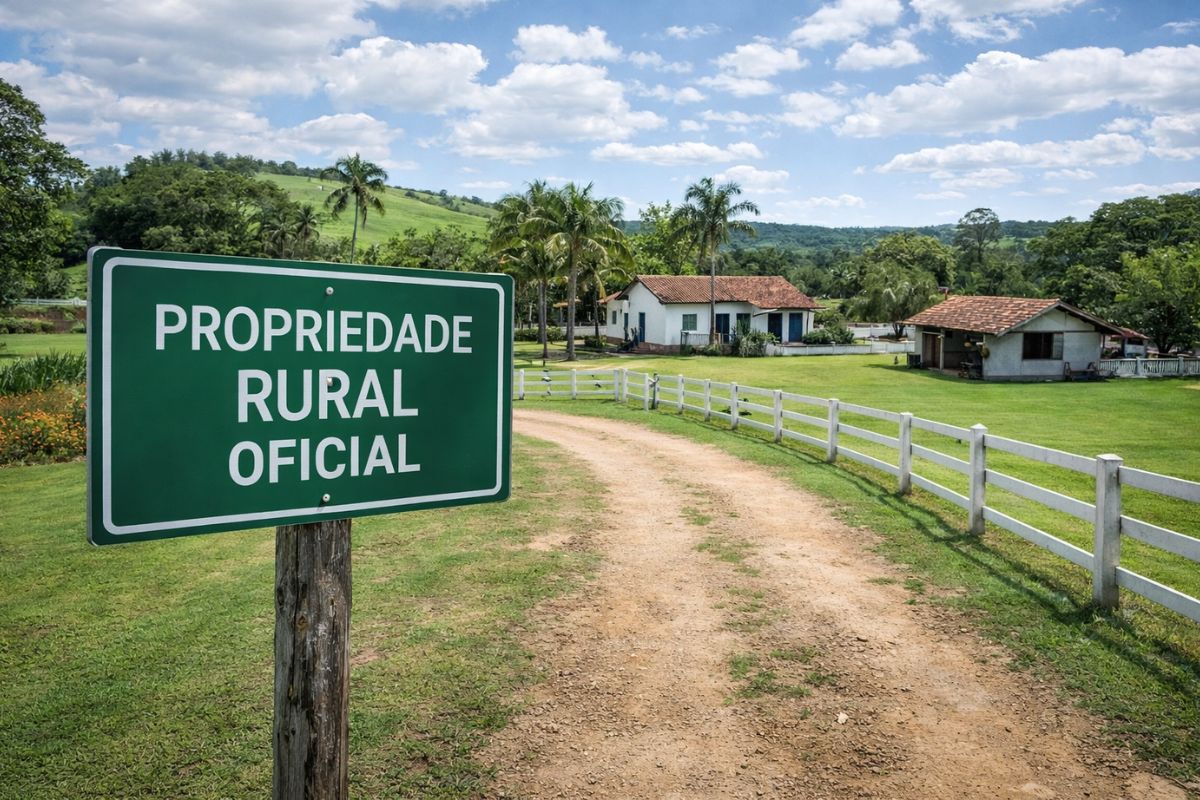
The chamber approves a project that transforms plots of up to 2,000 square meters into official rural properties, allowing thousands of small producers who were invisible to the government to now access credit, tax exemptions, and technical assistance.
-
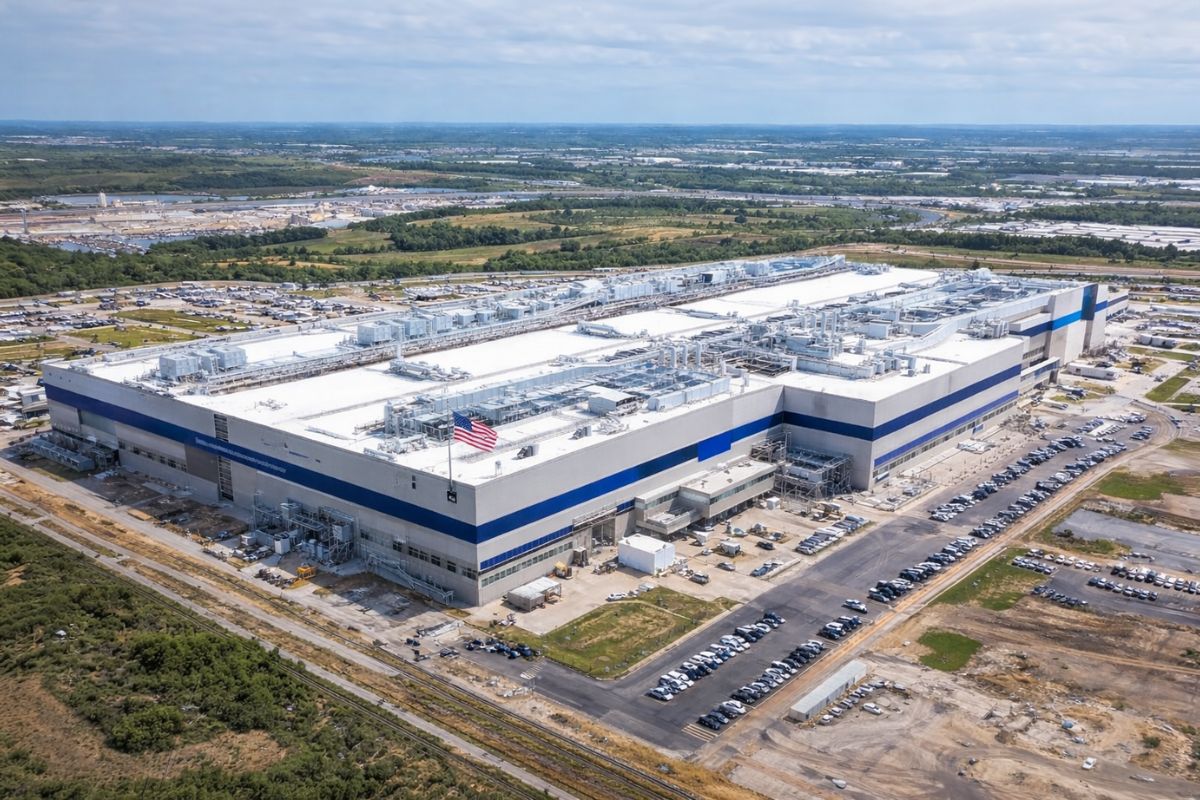
Factory 52, in the USA, cost over $5 billion, covers 270,000 square meters, and manufactures cutting-edge chips: it was named Project of the Year by the world’s largest engineering magazine, marking the global race for semiconductors.
-
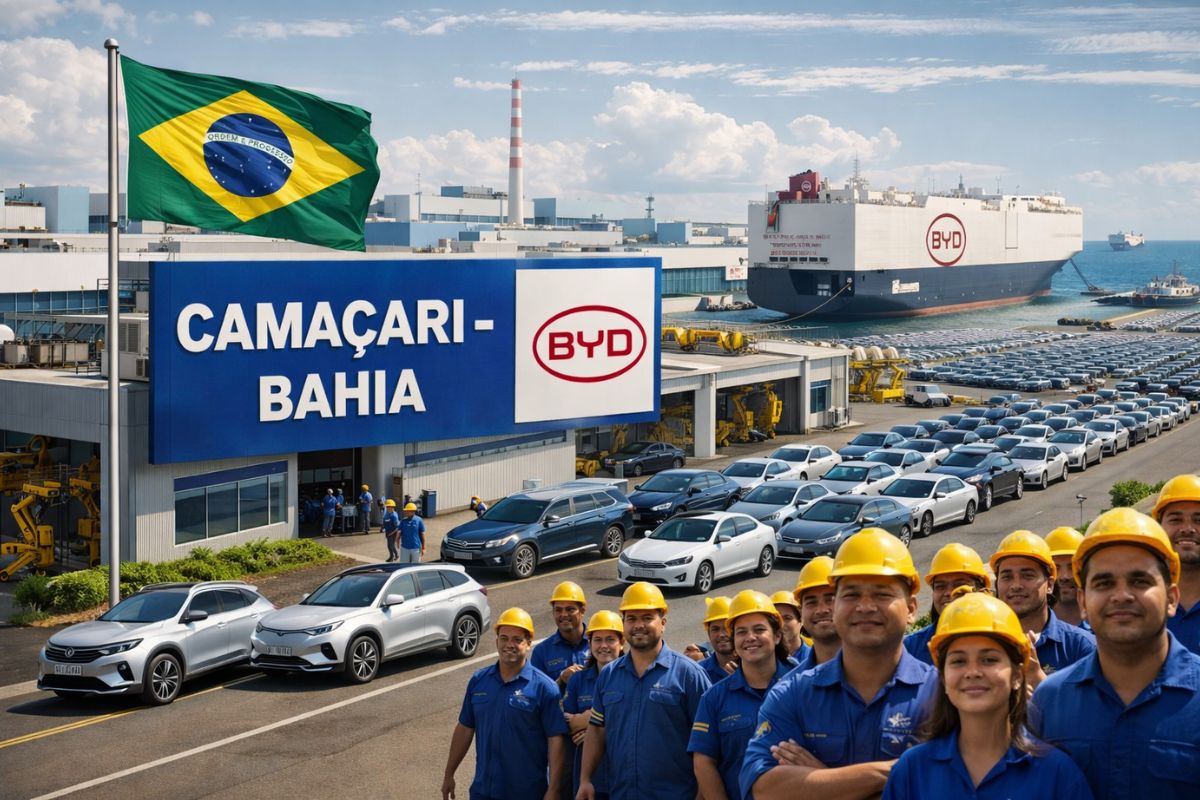
While BYD lays off 100,000 in China due to falling profits, the factory in Brazil remains strong: the unit in Camaçari, Bahia, could generate up to 20,000 jobs and become an export hub for all of Latin America.
-
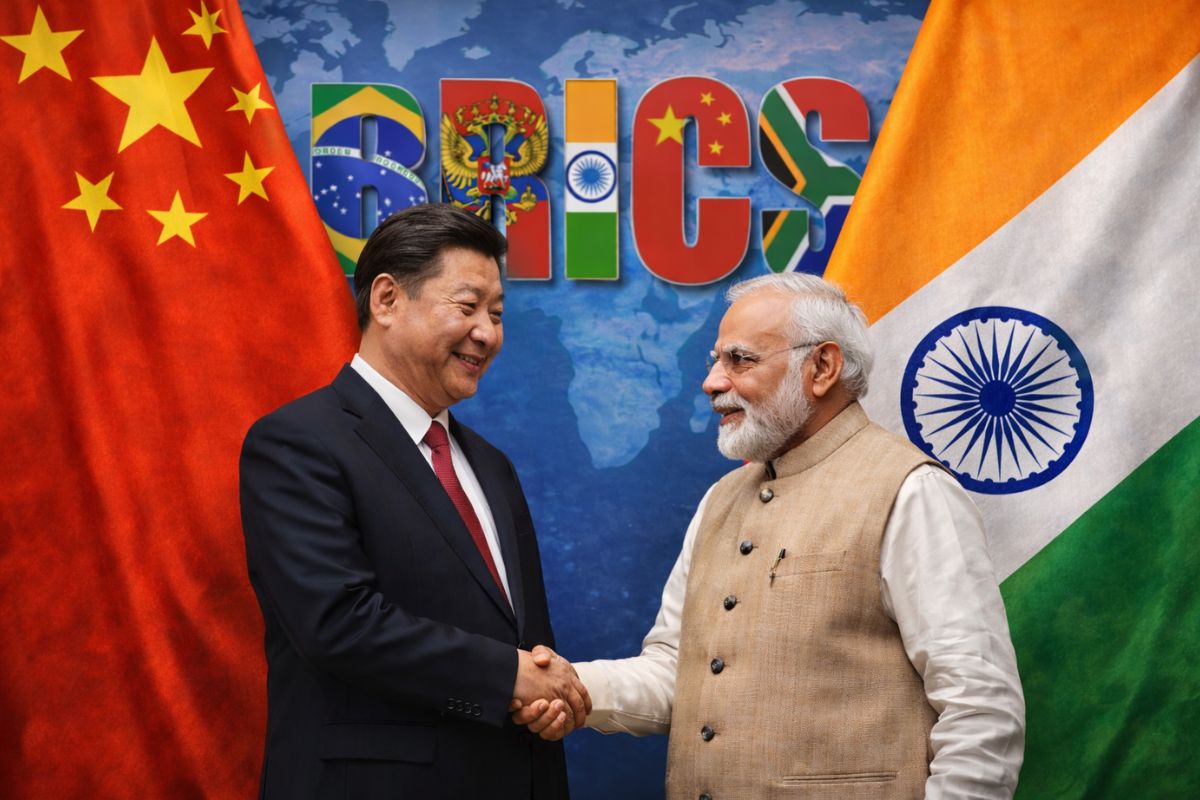
The two largest powers of BRICS are putting rivalries aside: China and India are making historic advances in rapprochement and plan to use their consecutive presidencies of the bloc to deepen ties and reshape the global balance of power.
As pointed out by the channel “Ricardo Clipes”, the ongoing projects promise not only to create thousands of jobs but also to transform the region into the heart of renewable energy production in Latin America.
China: The Largest Trading Partner of Brazil
The relationship between Brazil and China has strengthened over the past decades. In 2001, the Asian country accounted for only 3% of Brazilian exports, but this percentage jumped to 27% by 2024, consolidating China as Brazil’s largest trading partner.
“Ricardo Clipes” emphasizes that the growing Chinese influence is linked to the country’s rapid economic growth and its ambition to surpass the United States in the race for global leadership.
Brazil, in turn, attracts the Chinese with its abundant natural resources and strategic potential.
This partnership has already resulted in investments in infrastructure exceeding R$ 280 billion, with the Northeast standing out as the main area of interest.
Why Is the Northeast the Focus of the Chinese?
Although not always fully exploited by Brazil itself, the Northeast region has characteristics that make it ideal for investments in renewable energy.
According to the channel “Ricardo Clipes”, the Northeast has consolidated itself as the largest power in solar and wind energy in South America, attracting major Chinese companies from the energy sector.
Among the main projects is the work of CGN Brasil Energy, which invested R$ 5.7 billion in wind and solar parks in Piauí.
These ventures include the installation of 65 wind turbines and nearly 1 million solar panels, generating enough energy to supply thousands of homes.
Another highlight is the partnership between the government of Rio Grande do Norte and CTIC Group Corporation, which will allocate R$ 2.5 billion to build solar plants with the capacity to generate 430 MW per year.
In addition, State Grid, which has already invested R$ 30 billion in Brazil, announced an additional investment of R$ 18 billion to expand energy transmission lines in the region.
Green Hydrogen: The Energy of the Future
One of the most promising bets of the Brazil-China partnership is green hydrogen, considered the fuel of the future as it is produced from renewable sources such as solar and wind energy.
Ceará is emerging as a leader in this field, with projects to host the largest green hydrogen plant in the world.
Chinese companies such as Mingyang Smart Energy and SPIC are investing in offshore wind power plants and solar plants in the state, aiming to increase the capacity for clean electricity production.
According to “Ricardo Clipes,” these projects reinforce China’s commitment to lead the transition to sustainable energy in Brazil.
Investments That Go Beyond Energy
The Chinese are not only looking at the energy sector. BYD, the world’s largest electric vehicle manufacturer, has decided to make the Northeast its main production hub in Brazil.
The company acquired the former Ford factory in Bahia and plans to invest R$ 5.5 billion to produce electric and hybrid vehicles, generating more than 5,000 direct and indirect jobs.
Still in Bahia, the Stil group signed a memorandum of understanding to build an integrated industrial park, which includes a steel mill and a cement factory with a capacity to produce 5 million tons per year.
The total investment will be R$ 8 billion, with plans to create around 30,000 direct jobs.
Another highlight is the modernization project of railways in Piauí, with investments that may reach R$ 3 billion.
These projects aim to facilitate the transportation of goods to ports, making exports more efficient.


Technology and Innovation in the Northeast
China is also investing in technology and innovation in the region.
In Paraíba, an agreement was signed with the Yangzhou Department of Science and Technology to create the Yangzhou-Paraíba Joint Space Science Center.
According to “Ricardo Clipes,” this project is a unique opportunity to strengthen education and research in Brazil.
In Rio Grande do Norte, Huawei is leading technological modernization initiatives that include telehealth, telemedicine, and digital security.
These projects not only boost the local economy but also improve the quality of life for the population.
The Future of Partnerships Between Brazil and China
Despite the optimism generated by these investments, not all initiatives are viable.
Recently, rumors circulated about a supposed investment of R$ 9 trillion to build a futuristic city in Paraíba.
However, this information was denied by Brazilian and Chinese authorities.
“Ricardo Clipes” concludes that Chinese investments in the Northeast bring mutual benefits: they create jobs and development for Brazil while expanding China’s geopolitical influence.
The partnership between the two countries is strategic and promises to shape the economic future of Latin America.
And you, do you believe that the Northeast can become the richest region in Brazil with these projects? Leave your opinion in the comments!





Sempre acreditei no potencial energético do NE e com mão de obra barata e em número expressivo,além da maior proximidade da Europa e Norte da África , contornada por oceano tranquilo e e inexplorado, só poderia ser uma região super atrativa e produtiva. O SE e o SUl que se cuidem. Como professor de Geografia e Geo-politica previ e acreditei, há mais de 30 anos atrás.
Esse projeto vai dar certo! O solo Nordestino é o mais limpo do Brasil, onde pode-se plantar alimentos orgânicos!
Se refere ao NE como aquela Região de 50 anos atrás. Há muito mais de 30 anos o NE é a Região que mais recebe investimentos, principalmente de infra estrutura, e com o maior crescimento do PIB.