





 Portuguese
  English
  Spanish
  5 min of reading
  18 comments


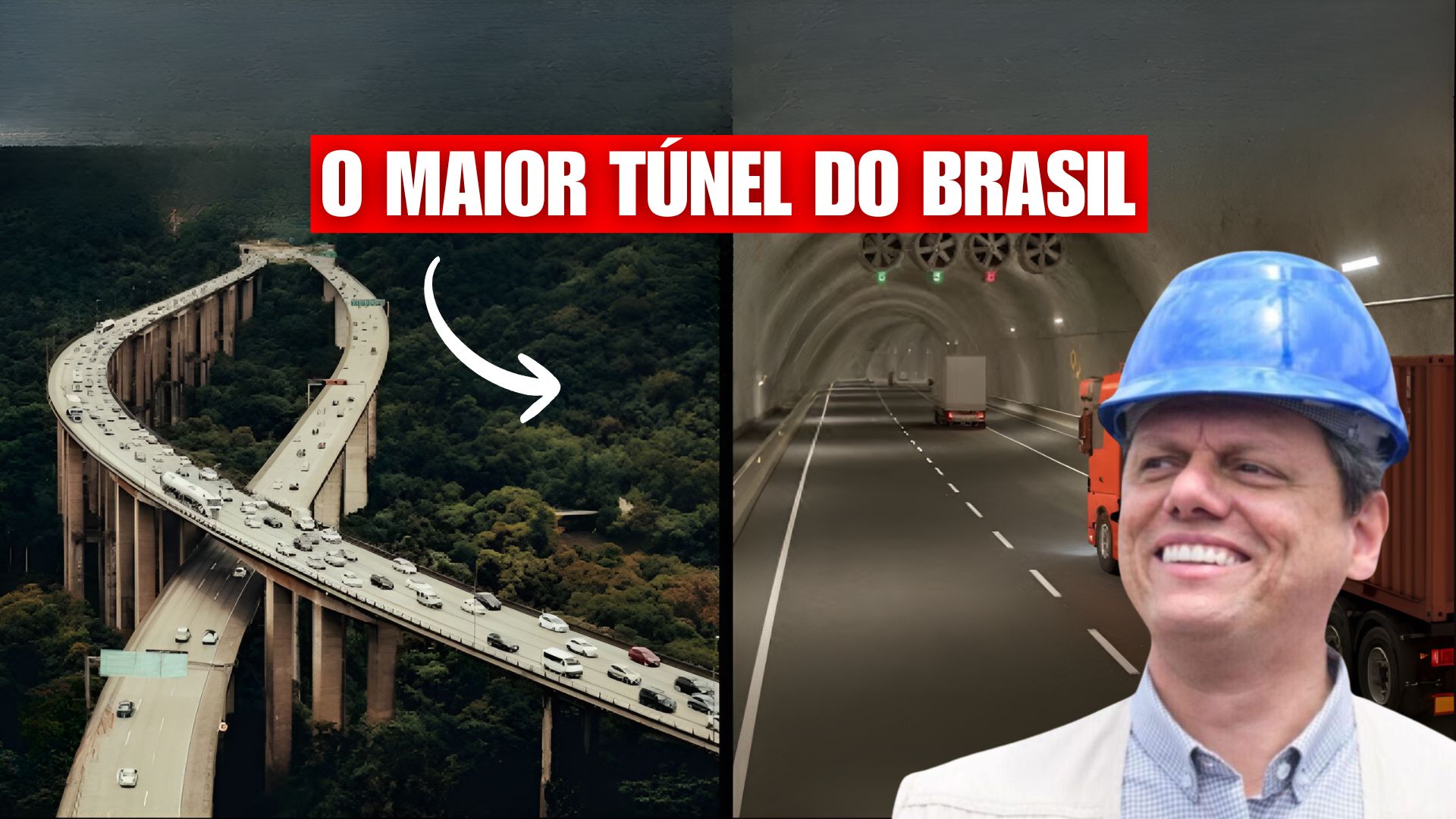


A New Highway Section Planned for Serra do Mar Promises to Change Logistical Dynamics Between Capital and Coast and Reignites Environmental Discussions While Making Progress in Planning.
The state of São Paulo is preparing one of the largest highway projects in recent years: the third lane of the Rodovia dos Imigrantes, with a new mountain alignment of about 21.5 kilometers and approximately 17 kilometers in tunnels under the Serra do Mar.
Budgeted at around R$ 6 billion, the project is expected to increase the capacity of the Anchieta-Imigrantes System by about 25% and by approximately 145% for the descent of heavy vehicles heading to the Port of Santos, considered one of the main axes of Brazilian exports.
At the same time, the project reignites the debate about the impacts of infrastructure in preserved areas of the Atlantic Forest.
-
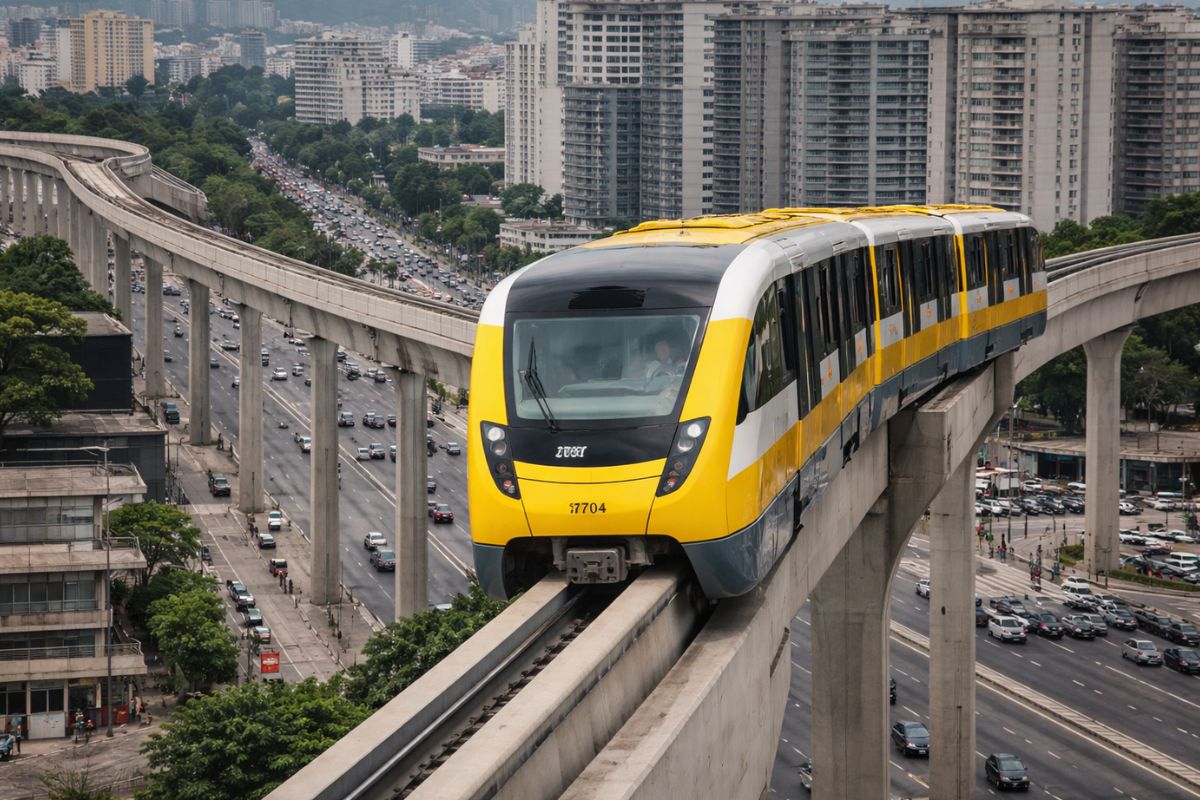
The project that was supposed to be ready for the 2014 World Cup in Brazil debuted with a 12-year delay and nearly R$ 6 billion invested: the Line 17-Gold of the São Paulo monorail opened with reduced hours and is only expected to operate fully in October.
-
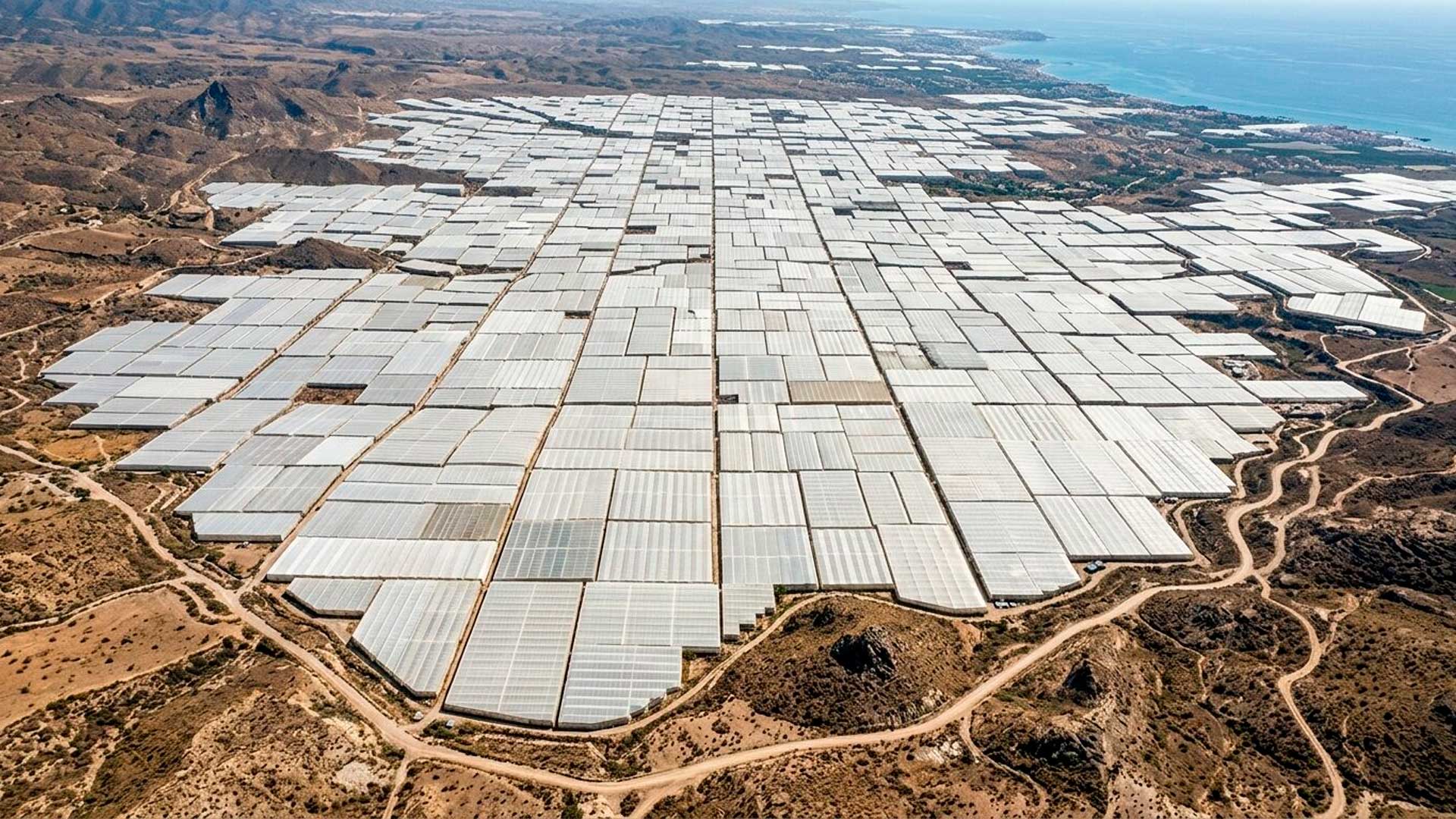
Neither the Pyramids nor the Great Wall of China, this gigantic construction in Spain is the human mark on planet Earth that intrigues the most when seen in images from space.
-
Surrounded by cliffs, mist, and chilling stories, the ancient Hotel del Salto has been reborn as a museum while still unable to shake off its reputation as a haunted place.

-
This star-shaped fortified construction, hidden near the border of Spain, may be the largest fortress on the planet.


Serra do Mar and Growing Pressure on the Capital–Coast Connection
Since the mid-20th century, the connection between the São Paulo capital and the coast has become one of the pillars of the national economy.

The Via Anchieta, inaugurated in 1947, was the first major highway to cross the Serra do Mar and supported the industrial growth of São Paulo and the consolidation of Santos as a reference port in the country for decades.
With the advancement of industrialization, the increase in fleet size, and the expansion of the port, the Anchieta began to operate near capacity.
The Rodovia dos Imigrantes was then planned as an alternative with more modern technical characteristics, including a layout adapted to the terrain and greater capacity.
The new road redistributed traffic, influenced tourism in the Baixada Santista, and contributed to the smooth transportation of cargo.
Over the years, however, the combination of port growth, expansion of the industrial hub in Cubatão, increased tourism, and high daily traffic flow has created new bottlenecks.
During peak demand periods, such as holidays and vacations, special operations for ascents and descents are recorded, in addition to prolonged traffic jams, according to operational data from the concessionaire.
Layout of the New Lane and Key Technical Features
The third lane of the Imigrantes was structured to face this saturation and offer greater predictability for the logistical flow between the interior, the São Paulo Metropolitan Area, and the coast.

The new mountain section will have about 21.5 kilometers, with approximately 80% in tunnels and the remainder in viaducts.
One of the tunnels is expected to reach about 6 kilometers, which, according to technical information presented by the state government and the concessionaire, could make it the largest operational road tunnel in Brazil.
The layout was developed with a focus on operational efficiency.
The lane will have two lanes and a shoulder with the possibility of reversible use.
The average planned gradient, around 4%, was designed to ensure continuous descent with less braking requirement for heavy vehicles.
According to the functional project, access will occur at km 43 of the Rodovia dos Imigrantes (SP-160), integrated into the Rodoanel Mário Covas.
On the coast, the connection will be at km 265 of the Rodovia Cônego Domênico Rangoni (SP-055), near the industrial hub of Cubatão and access to both banks of the Port of Santos.
Expanded Capacity and Expected Effects on Logistics

Although the new lane will also accommodate light vehicles, documents submitted to the government indicate that the sizing prioritizes freight transport.
Estimates released by technicians involved in the project indicate an increase of about 25% in the total capacity of the Anchieta-Imigrantes System and approximately 145% for the descent of trucks.
The more direct connection to the Rodoanel allows for the routing of cargo from corridors such as Régis Bittencourt, Anhanguera-Bandeirantes, Castelo Branco, and Dutra.
This reduces the circulation of heavy vehicles on urban roads in the capital.
For periods of high tourist movement, the possibility of reversing the lane should increase operational flexibility, according to the concessionaire.
The strategy is similar to operations already adopted in the current system but includes an additional lane specifically planned to absorb variations in demand.
Schedule, Investments, and Current Status of the Project

The state government has authorized the development of basic and executive projects in partnership with Ecovias, responsible for the concession.
The functional project has been presented, and detailed studies of engineering, geology, and construction methods are underway.
The expectation communicated by state authorities and the concessionaire is to complete the project and environmental licensing phase by mid-2026.
The start of construction is scheduled for the second half of the same year, provided that all authorizations are granted.
Completion is estimated for 2031, a timeline that considers tunnel excavation, construction of emergency structures, implementation of ventilation systems, drainage, and integration with existing lanes.
The estimated investment is R$ 6 billion.
As is the case with works under concession contracts, the concessionaire will make the initial investment and may request economic-financial rebalancing from the state according to regulatory rules and actual costs.


Environmental Debate in Serra do Mar and Licensing Requirements
The area planned for the project includes preserved sections of the Serra do Mar, which has drawn the attention of environmental and oversight agencies.
Because it contains significant fragments of Atlantic Forest, the layout will be analyzed through specific studies on fauna, flora, water sources, and slope stability.
The predominance of tunnels and viaducts was presented as a measure to reduce vegetation suppression.
The methodology follows principles adopted in other projects in the region, such as the expansion of the Rodovia dos Tamoios, according to information from the concessionaire itself.
The Public Prosecutor’s Office of São Paulo has opened a civil inquiry to monitor the licensing, request additional technical analyses, and evaluate alternative layouts.
Ecovias stated that it meets legal requirements and that reducing environmental impacts is among the project’s premises.






Só que temos um problema, agiliza a descida da serra e quando chega aqui enagrgala tudo, hj a cônego e a Anchieta ficam travadas no final de tarde, pela manhã no sentido São Vicente e santos também, ah mas vai descer direto na cônego que também trava em época de movimento. Isso td deve ser levado em consideração no estudo.
Precisa fazer um túnel na Mogi Bertioga pra ir até Mogi 40 km está gastando 4 horas uma vergonha ainda maís colocou pedágio uma vergonha para Tarcísio eu apoiava agora reprovo enchendo de pedágio tudo ****
Muito bom para a Baixada Santista.
Governador Tarcísio. O senhor poderia fazer uma ampliação dessas na Rodovia Oswaldo Cruz , SP383 ? A descida e muito perigosa, e a subida também não e fácil.