





 Portuguese
  English
  Spanish
  5 min of reading
  0 comments


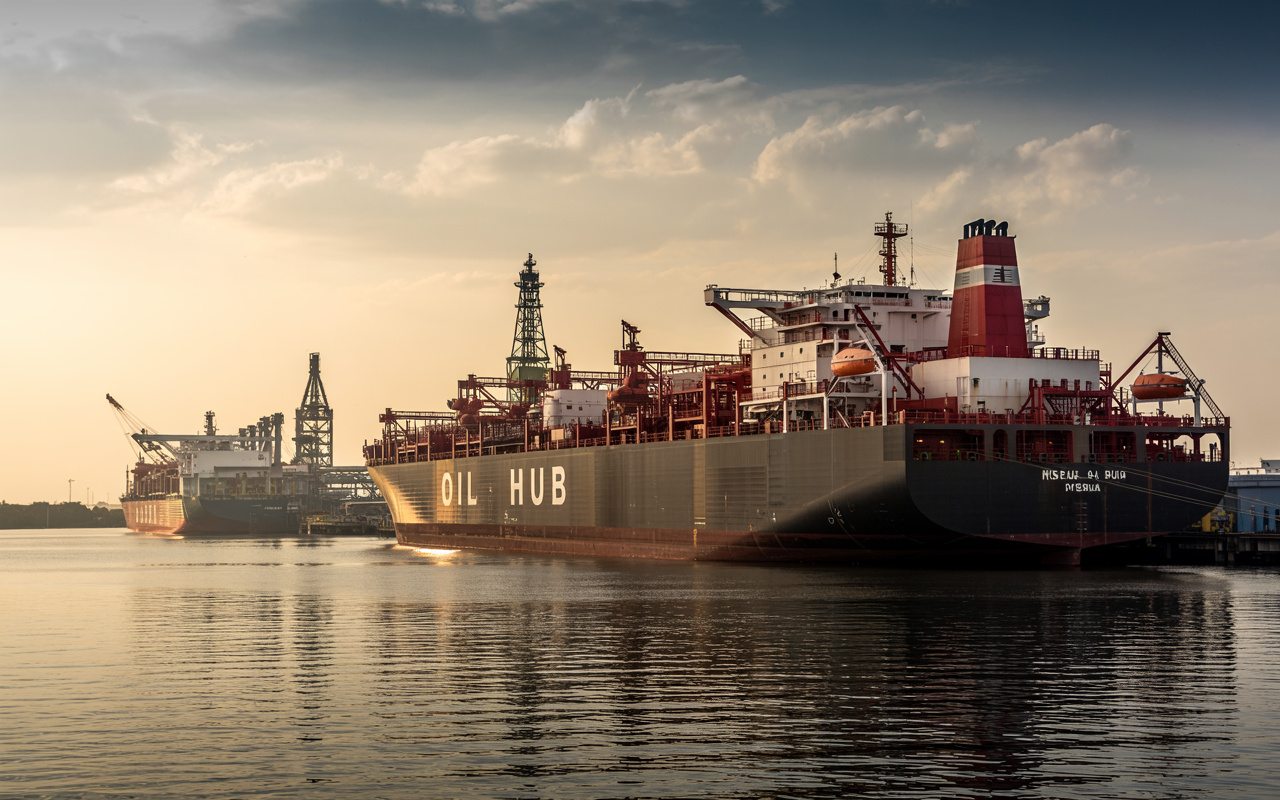
With Port for Ships of Up to 300 Thousand Tons, the Dangote Refinery in Nigeria Is Set to Transform the Country into Africa’s Largest Fuel Exporter.
For decades, Nigeria exported crude oil and imported refined fuels. This dependency generated extremely high costs, product shortages, and loss of added value. But this is about to change. On the shores of the Gulf of Guinea, a billion-dollar project is set to reshape the energy and logistical future of the African continent: the Dangote oil and gas complex, which includes one of the largest refineries in the world and a deep-water port terminal designed to operate with ships of up to 300 thousand tons.
Located in Lekki, 40 km from Lagos, the mega-complex was envisioned by billionaire Aliko Dangote, the richest man in Africa, and is already handling giant vessels of oil, fertilizers, and derivatives. Once fully operational, the site will be able to process 650 thousand barrels per day, becoming the largest refining and exporting hub of oil in sub-Saharan Africa — and one of the largest in the world.
A Historical Turn for the African Energy Sector
For years, Nigeria — the largest oil producer in Africa — operated with extremely limited internal refining capacity. More than 90% of gasoline, diesel, and kerosene consumed in the country were imported, even with immense reserves of crude oil.
-
New escalation of tensions and oil crisis in the Middle East forces world powers to accelerate energy transition plans.
-
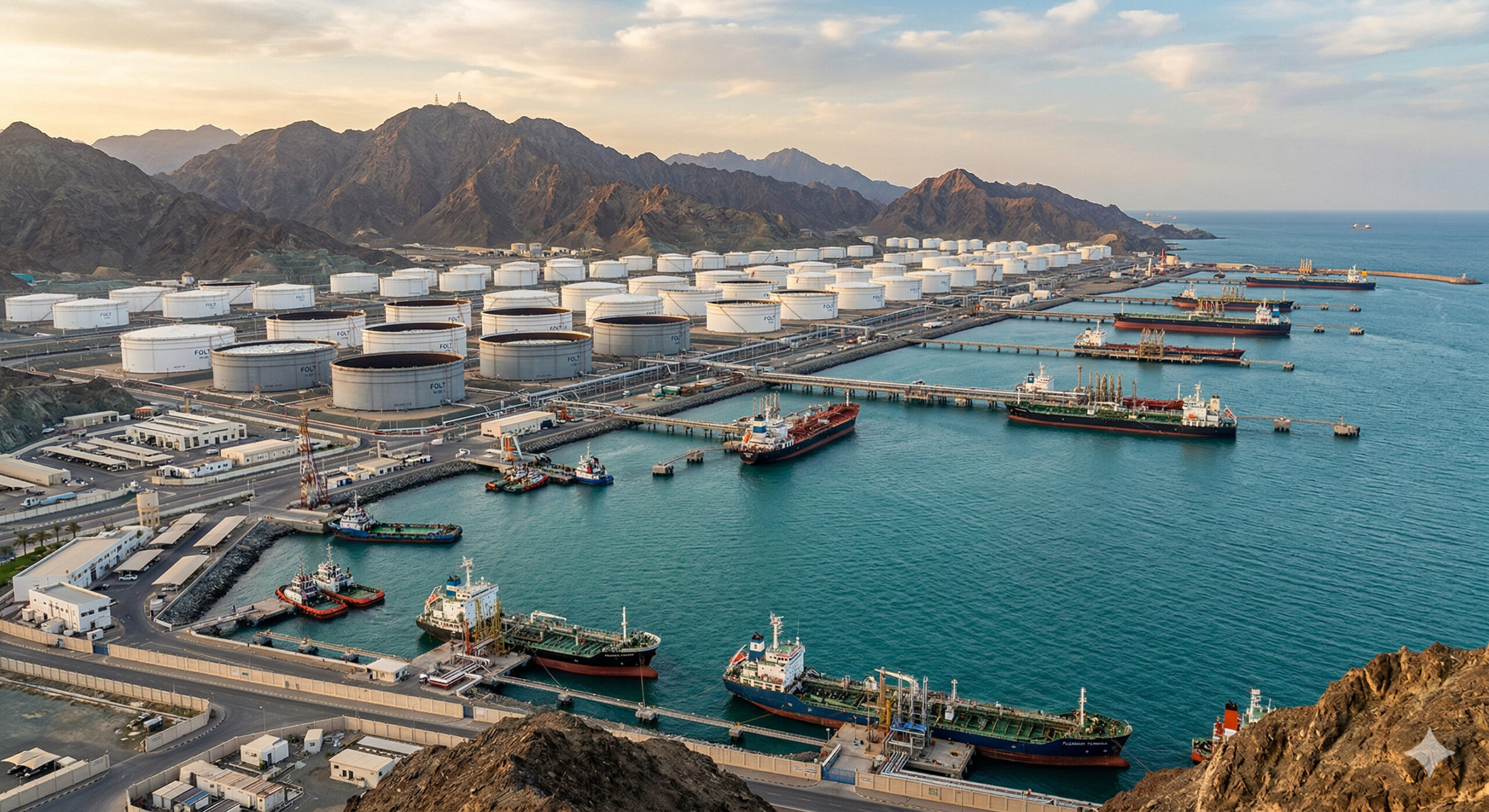
Giant reservoirs with a capacity of 18 million cubic meters have turned Fujairah into one of the largest energy vaults on the planet. This facility, located outside the Strait of Hormuz, stores oil on a colossal scale and has become a silent piece that supports the global flow of fuels.
-
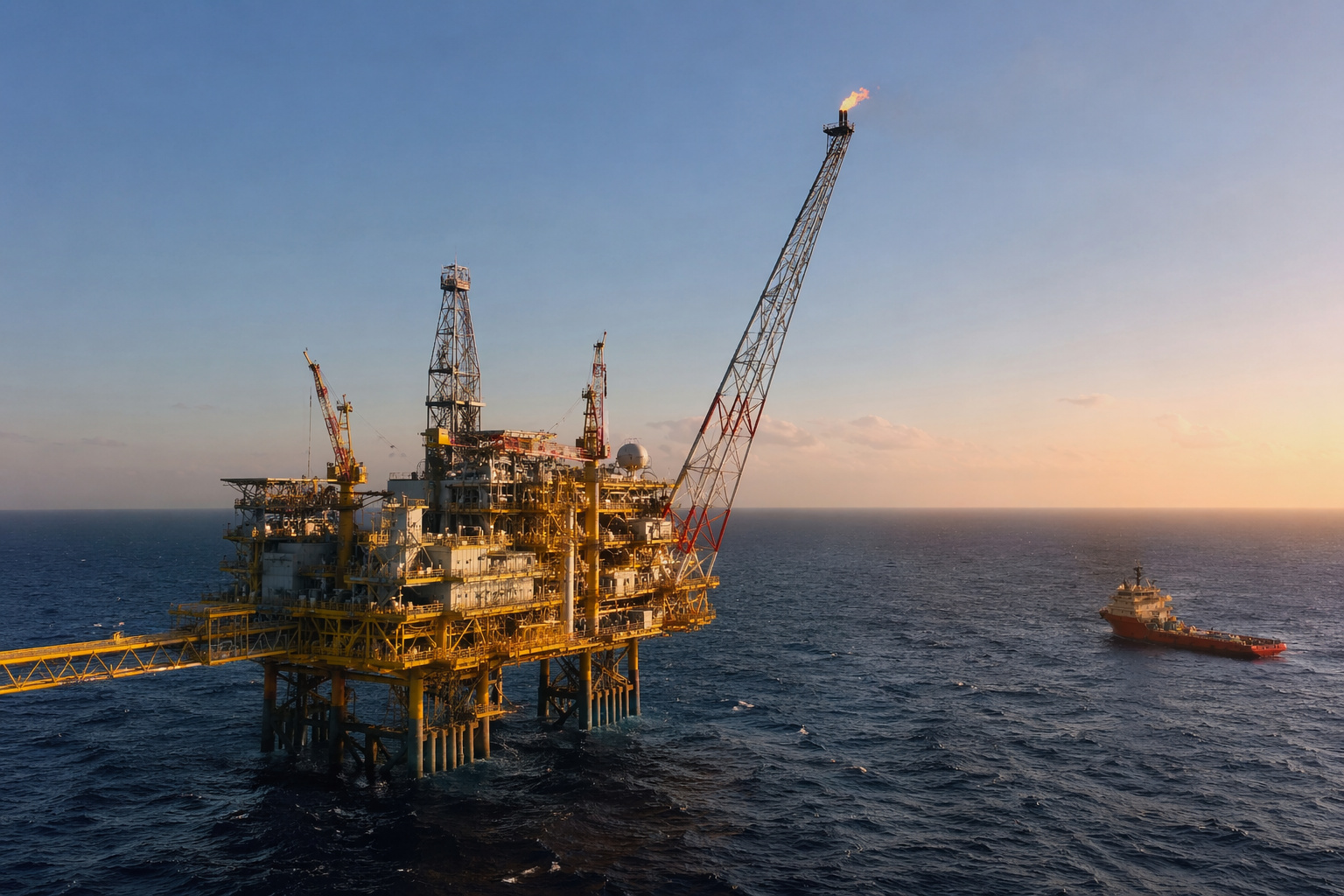
The next exploration auction in the pre-salt will offer 23 blocks in the Campos and Santos basins and may change the interest of oil companies in Brazil.
-
The next exploration auction in the pre-salt will offer 23 blocks in the Campos and Santos basins and could change the interest of oil companies in Brazil.
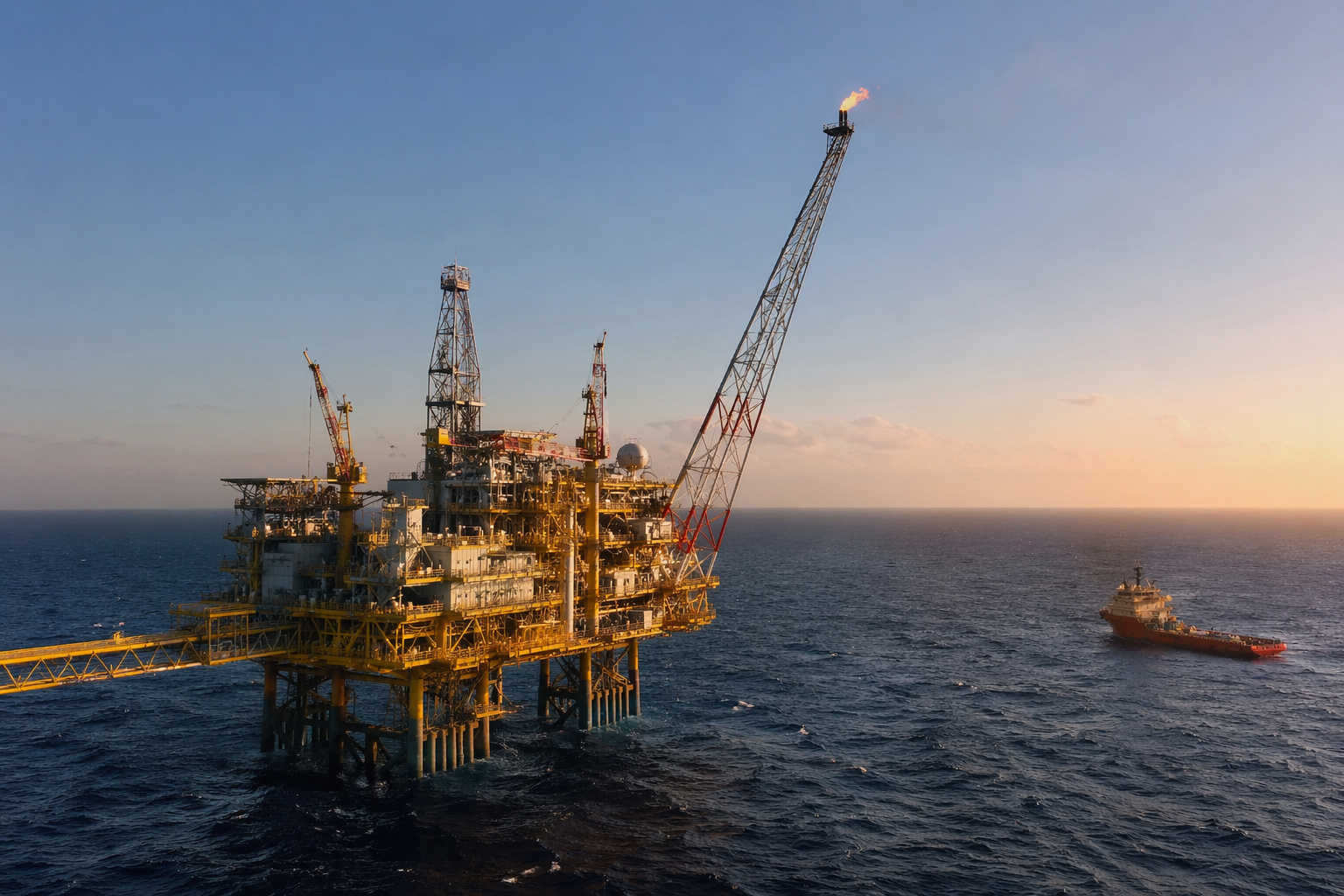
The Dangote refinery aims to break this cycle of dependency, enabling the country to become self-sufficient in fuels and start exporting derivatives to the rest of the continent and the world. The plant is located within the Lekki Free Trade Zone, which offers tax incentives and state-of-the-art infrastructure for large industrial projects.
The Deep-Water Port: Key Piece of the Operation
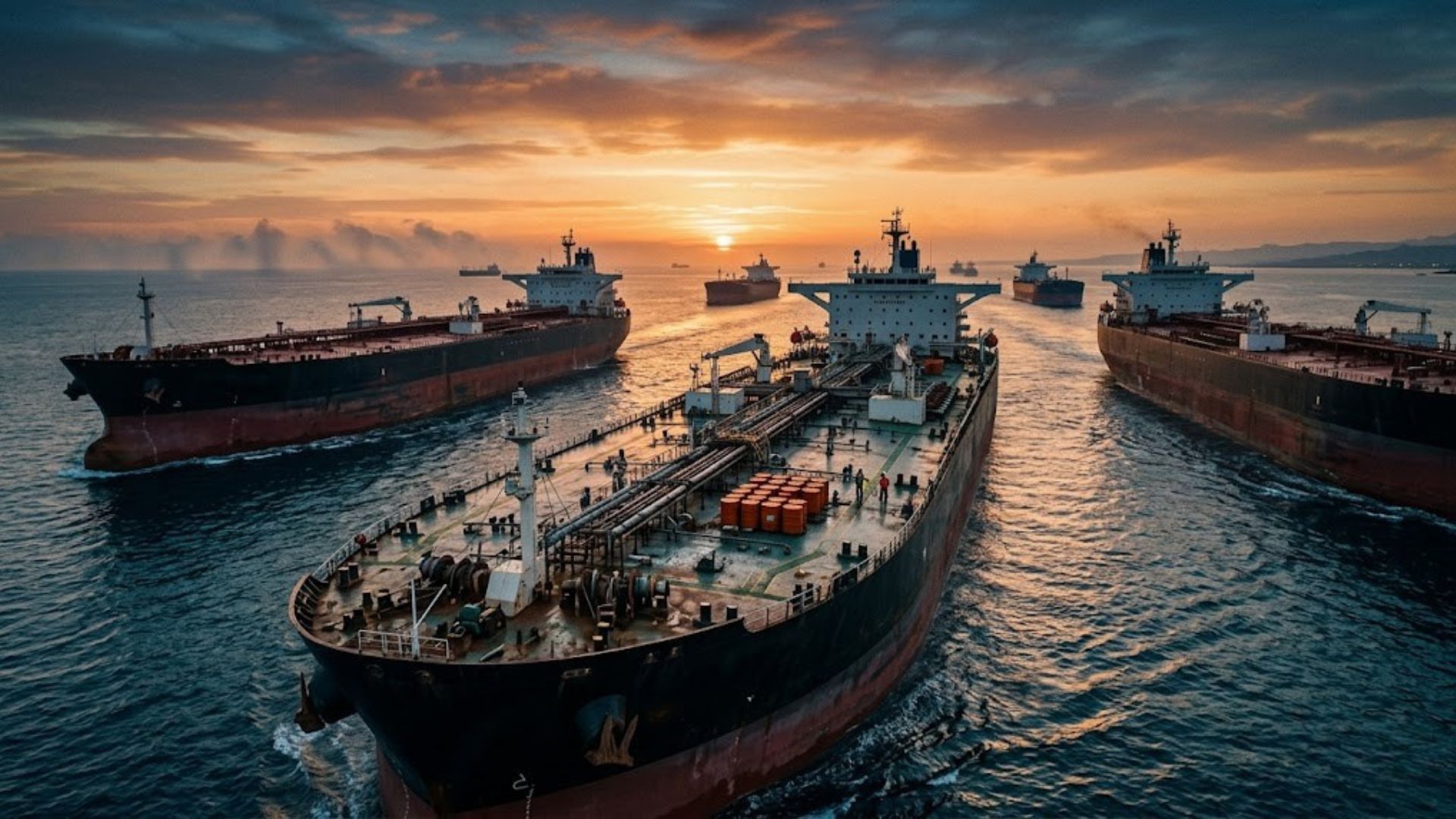
Beyond the refinery itself, what truly makes the project unique is the deep-water terminal built alongside the complex. With four main berths for liquid cargo, the port is designed to accommodate VLCC (Very Large Crude Carrier) vessels, with capacity of up to 300 thousand tons of gross tonnage.
The access channel has over 18 meters of depth, allowing for the safe docking of supertankers with deep draft — a rare feature along the African coast.
The terminal also includes:
- Facilities for transferring refined fuels, fertilizers, and dry cargo
- Capacity to operate up to 3 ships simultaneously
- Automated loading and unloading systems with high logistical efficiency
According to Dangote Group, the port was designed to serve both the refinery’s production and independent commodity movements, becoming a multimodal export hub.
Production Capacity and Logistical Impact
The refinery will have an impressive capacity of 650 thousand barrels per day (bpd), even surpassing facilities from Shell, Exxon, and Total located on the continent. This will place Nigeria ahead of countries like Angola, Algeria, and Egypt in terms of internal refining.
Additionally, the complex also houses:
- Fertilizer factory with an annual production of 3 million tons
- Hydrocracking and desulfurization units to produce clean fuels
- Storage facilities with tanks of up to 100 thousand cubic meters
This structure will allow the country to export derivatives such as diesel, gasoline, naphtha, and aviation kerosene to markets in West Africa, South America, and even Europe, eliminating historical logistical bottlenecks.
Technology and Scale: The Largest Industrial Project in Africa
With an investment exceeding US$ 20 billion, the Dangote mega-complex is the largest private industrial project ever undertaken in the history of the African continent. In total, it involved:
- Over 1 million tons of steel used
- 65 thousand direct and indirect workers during construction
- Fully automated production lines with digital controls and remote monitoring
- Partnerships with companies such as TechnipFMC, KBR, UOP, and MAN Energy
The plant will be powered by a self-owned power generation facility with 435 MW, ensuring energy autonomy for operations — which is crucial in a country with frequent failures in the public electricity grid.
The Role of Dangote Refinery in African Oil Geopolitics
The start of operations at the Dangote refinery and port marks a turning point for the energy market on the continent. Nigeria, previously dependent on imports, will be able to:
- Dramatically reduce foreign currency consumption
- Increase the export of high-value-added products
- Supply neighboring countries with cheaper and better-quality fuels
- Attract new productive chains around the Lekki logistics and industrial hub
Moreover, the ability to operate with VLCCs places Nigeria on the same logistical level as major global hubs, such as Singapore, Rotterdam, and Fujairah — something unprecedented in Africa.
Challenges and Transformative Potential
Although the project is promising, there are still considerable obstacles:
- The customs and tax bureaucracy of the country
- Risks of systemic corruption and political interference
- Need for technical training of the local workforce
- Maintenance of security around port areas and pipelines
Still, the international community watches with optimism. Organizations such as the African Development Bank (AfDB) and OPEC have already expressed support for the project as a model of industrial and energy integration in Africa.
Nigeria as the New Energy Center of Africa
If everything goes as planned, the Dangote complex will allow Nigeria to:
- Replace 100% of gasoline and diesel imports
- Export surplus to over 20 African countries
- Become a global reference in the export of derivatives and fertilizers
- Attract chemical, petrochemical, and manufacturing companies to its industrial zone
The Lekki port, in turn, will gain its own scale, with new terminals planned for dry cargo, containers, and even liquefied natural gas (LNG) facilities in the future.
The Dangote complex in Lekki is more than a refinery. It is a symbol of structural transformation, showing that African countries can move away from the dependency of exporting only raw resources and start developing complete production, export, and job creation chains.
In a continent still struggling against energy poverty, this mega-project is an ambitious response — and an example of how vision, capital, and technology can change the fate of an entire nation.






Seja o primeiro a reagir!