Portuguese
  Spanish


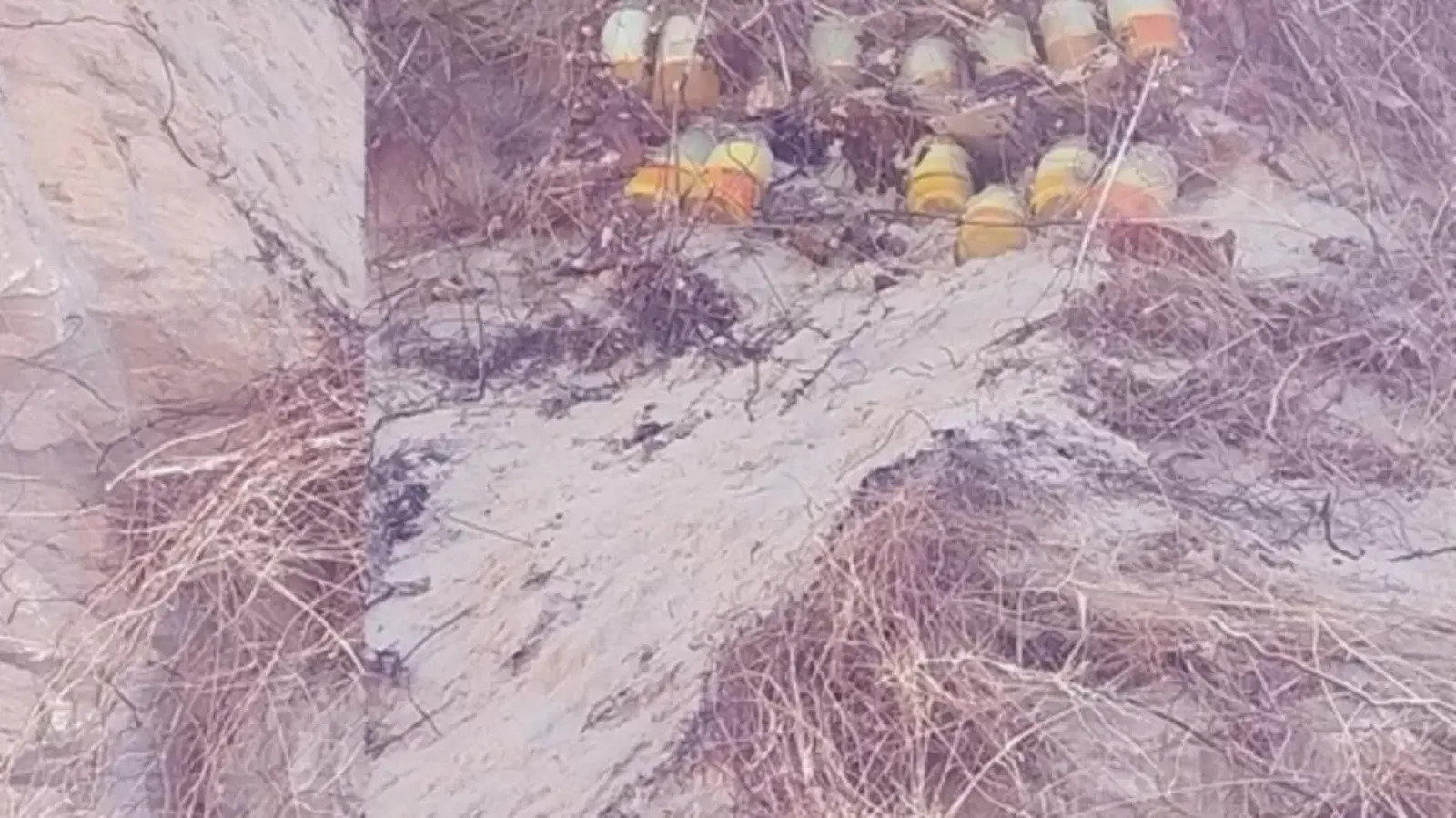

Beach near Hartlepool was cordoned off after more than 150 World War II phosphorus grenades were found and exploded in the sand
Police, specialists, and Army teams cordoned off Crimdon Dene beach, near Hartlepool in northern England, after the discovery of more than 150 World War II phosphorus grenades, a find that led to controlled explosions and an expanded search.
Beach cordoned off after find
Teams were called on Tuesday morning after several suspicious artifacts were found in the sand and ended up catching fire.
The incident mobilized Cleveland Police and initiated the cordoning off of the beach.
-
Brazilian Airport to Receive $2.8 Million Investment, Completion Expected Within a Year

-
UN Warns of AI’s Environmental Impact and Calls for Greater Corporate Transparency

-
Former Atacadão Employee Turns Online Cake-Baking Lessons into a Confectionery Brand with Factory, Store, Delivery, and Nearly $400,000 in Revenue
-
Brazilian Startup Sells Nearly 9 Million Surprise Bags of Near-Expiry Food, Prevents Thousands of Tons of Waste, Aiming for $42 Million Revenue by 2026




Identification of the grenades
Army specialists identified the items as self-igniting phosphorus grenades. These devices are designed to ignite upon contact with air and produce flames, which increased the risk in the area.
To safely dispose of the grenades, the corporation carried out controlled explosions. The operation continued with the support of experts, who remained on site to check for more artifacts scattered across the sand.
Search and public alert
The police reported that a cordon was maintained to allow inspection of a larger area of the beach.
The experts will remain on site until they are sure that the entire area has been completely cleared.
During the operation, the guidance was for the public to keep their distance. The aim is to avoid risks while the search continues and while any dangerous remnants can still be located.
Tides may expose old ammunition
The Hartlepool Coast Guard rescue team stated that finding unexploded ammunition in the sand is not common.
Even so, bad weather and high tides can expose old and dangerous objects today.
The team emphasized that the coast holds remnants of the past, and some still pose a threat. The final recommendation is not to touch or move unknown items and to call emergency services.
With information from UOL.