





 Portuguese
  English
  Spanish
  3 min of reading
  0 comments


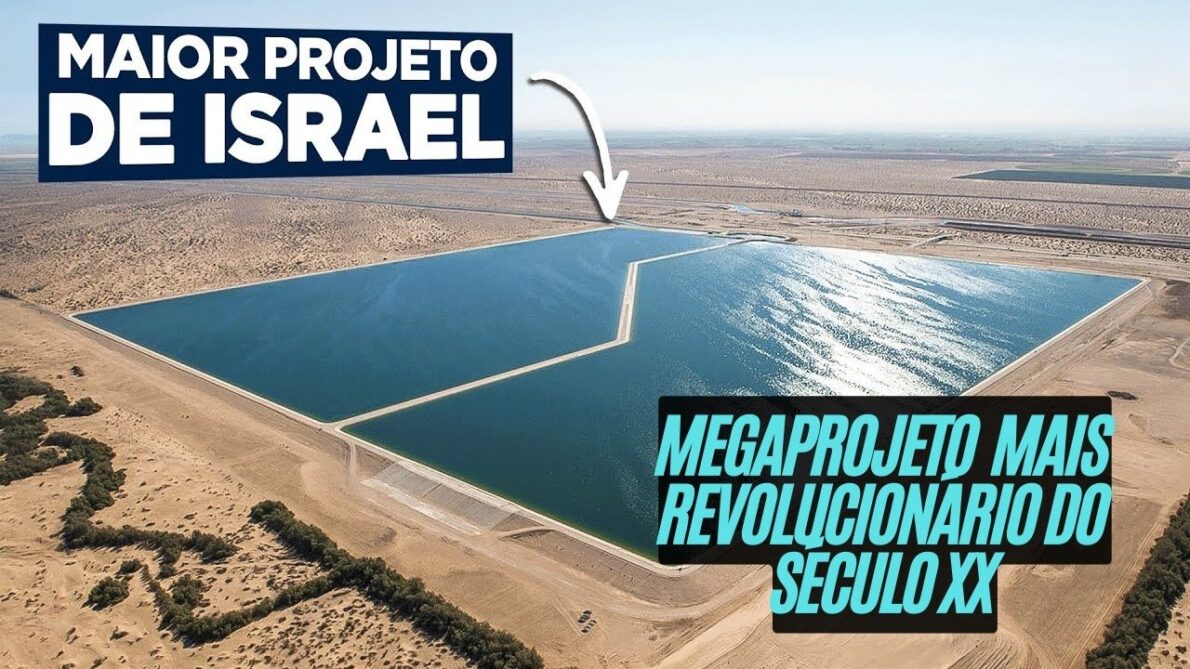
Imagine An Engineering Project So Grand That It Literally Made The Desert Bloom. A Megaproject That Not Only Brought Water To The Most Arid Regions Of Israel, But Also Redefined The Country’s Water Infrastructure, Facing Geographic And Climatic Challenges On An Epic Scale. The “National Water Carrier” Is The Project That Not Only Changed The Fate Of Israel, But Also Placed The Country On The Map Of Innovative Water Solutions Worldwide.
The reality was challenging: a country with only a few months of rain per year, most of which falls in the north, where ensuring water for every corner was crucial for survival. And it was this necessity that drove the most revolutionary engineering megaproject of the 20th century, the National Water Carrier, a system that transformed desert areas into fertile lands and made sustainable growth in Israel possible.
The National Water Carrier megaproject began construction in the 1950s, at a time when Israel faced an accelerated population growth and the challenge of making the Negev desert habitable. The idea was simple, but the execution was incredibly complex: to capture water from the Sea of Galilee in the north and transport it south, crossing mountains and deserts.
Megaproject In Israel Passes Through Tunnels Dug In The Mountains
The water’s journey begins 209 meters below sea level, at the Sea of Galilee, where it is pumped to an altitude of 44 meters above sea level, using a pumping station equipped with three gigantic 30,000 HP pumps. This advancement allowed the water to traverse a network of more than 130 kilometers, overcoming gravity and the variations of the rugged terrain. Along its path, this engineering marvel passes through tunnels dug in the mountains, siphons that cross deep valleys, and reservoirs that ensure continuous supply to the country.
-
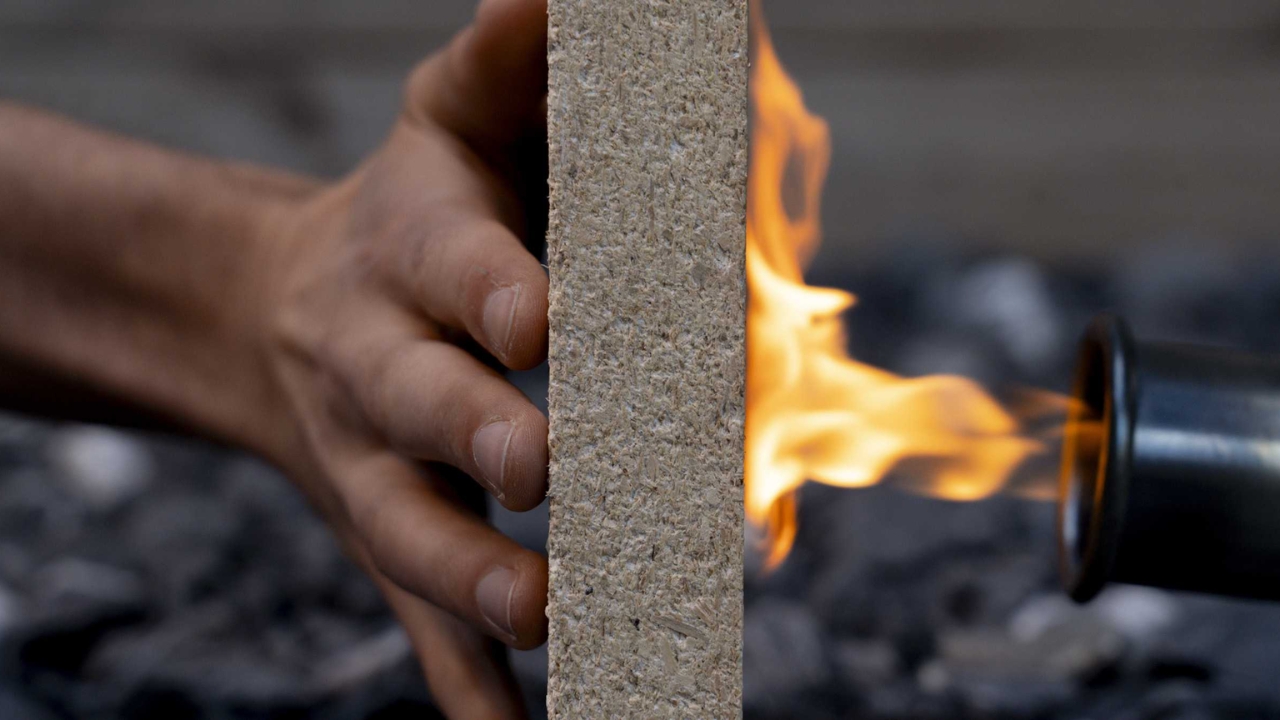
Scientists transform sawdust into fire-resistant panels, stabilize the compound with an enzyme extracted from watermelon seeds, and turn waste into promising material for construction.
-
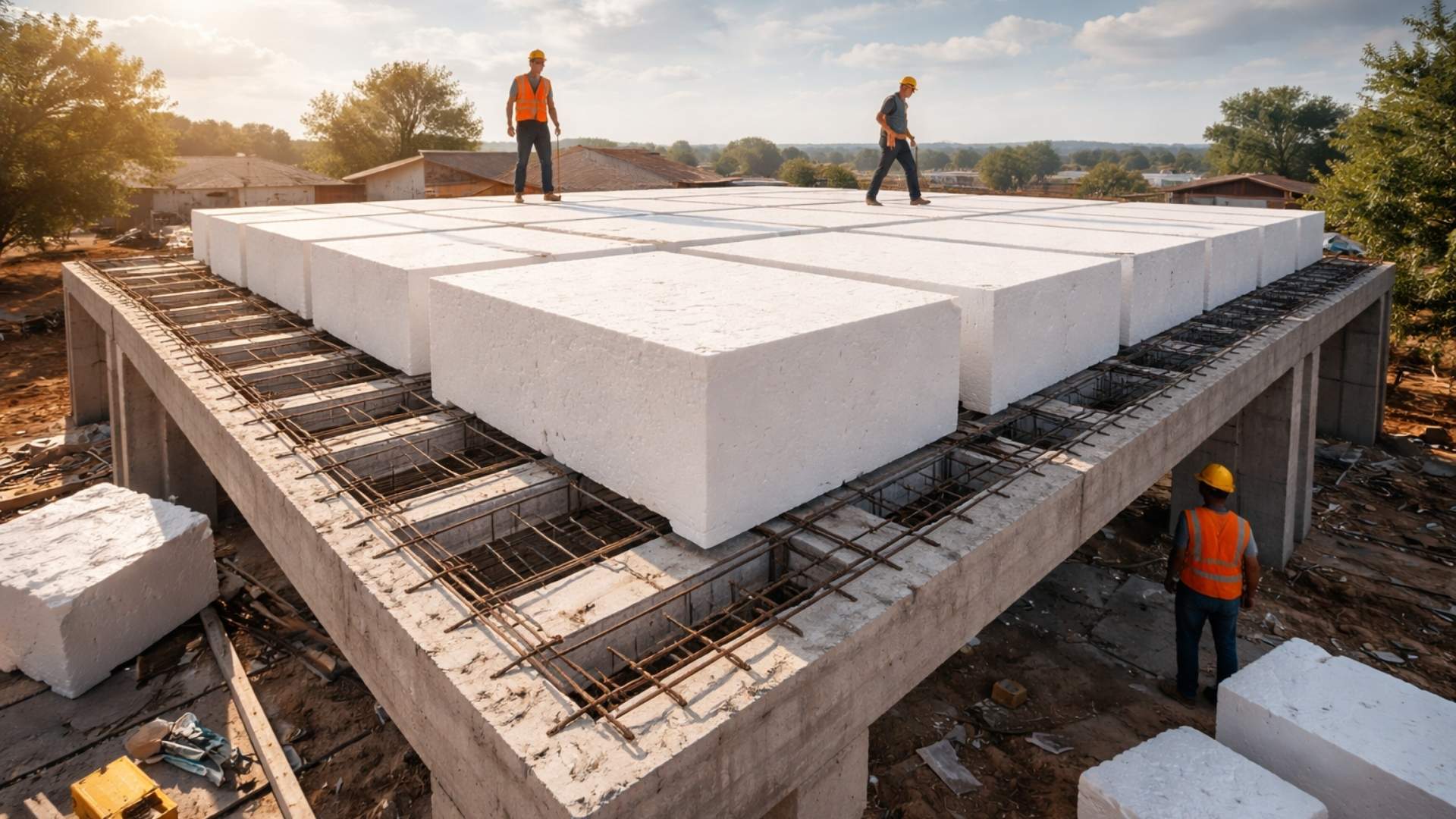
Forget concrete: architects are replacing tons of concrete with giant blocks of expanded polystyrene to build the roofs of houses and reduce structural weight by up to 50%, cut costs, improve thermal insulation, and speed up construction.
-
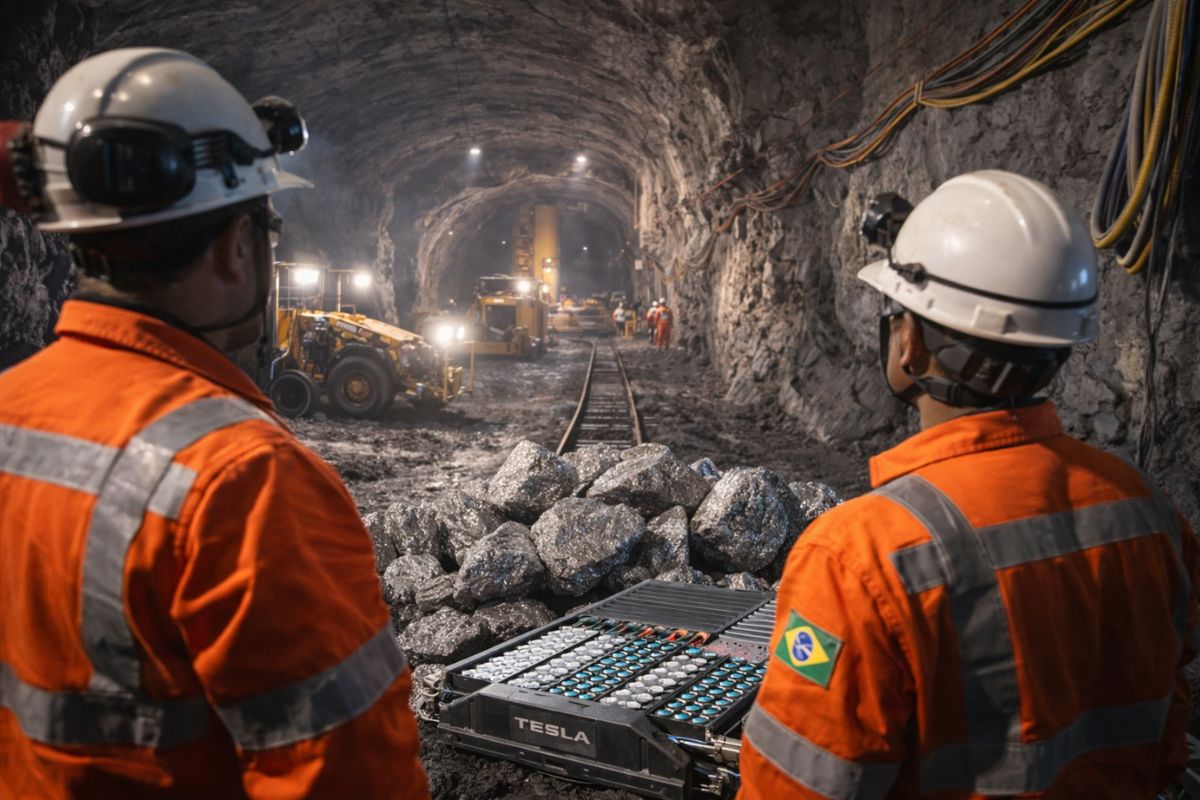
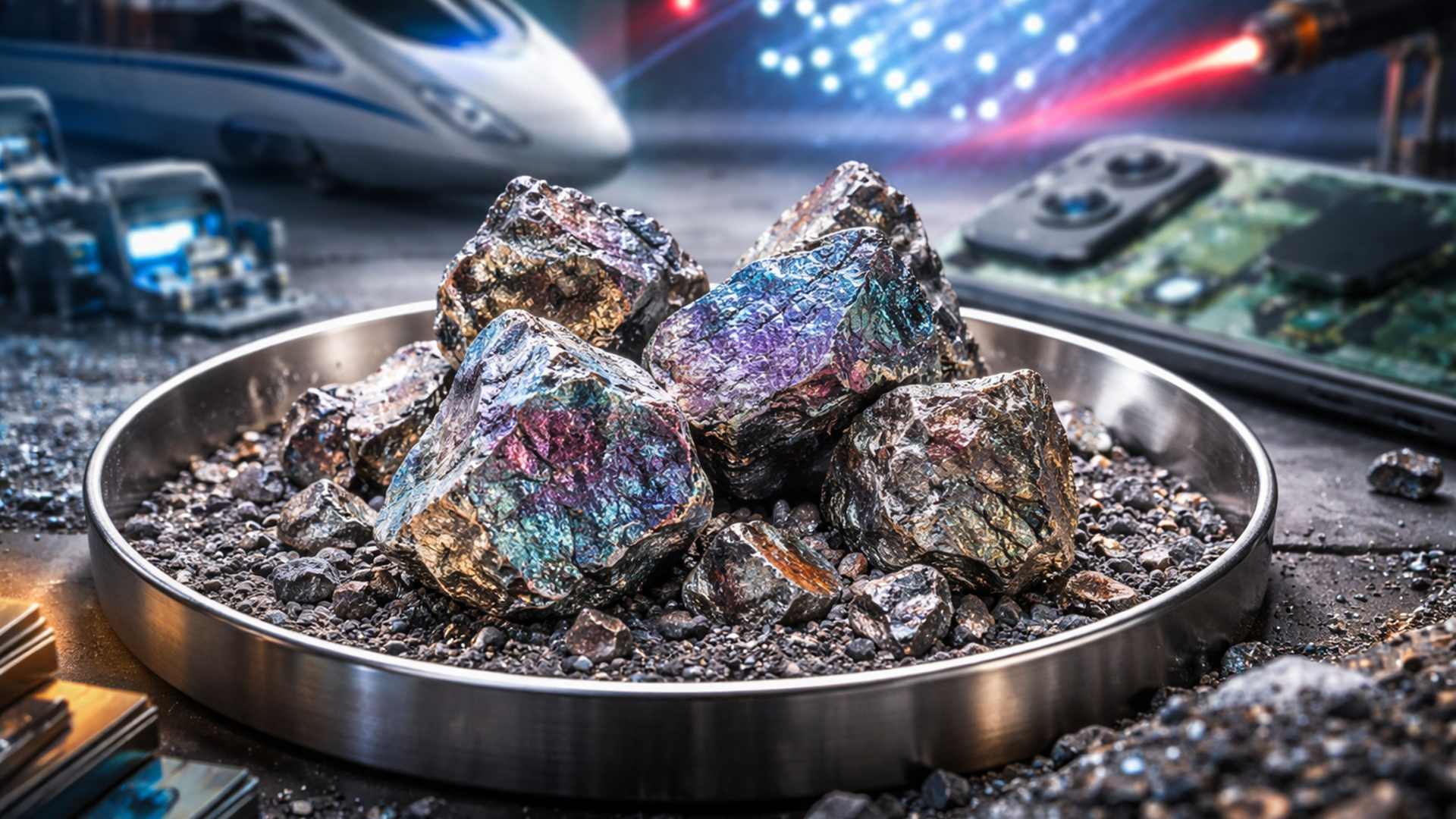
The Brazilian state enters the center of the global race for critical minerals by starting the construction of the largest underground nickel mine in Latin America, a mineral essential for electric car batteries that the entire world is competing for at this moment.
-
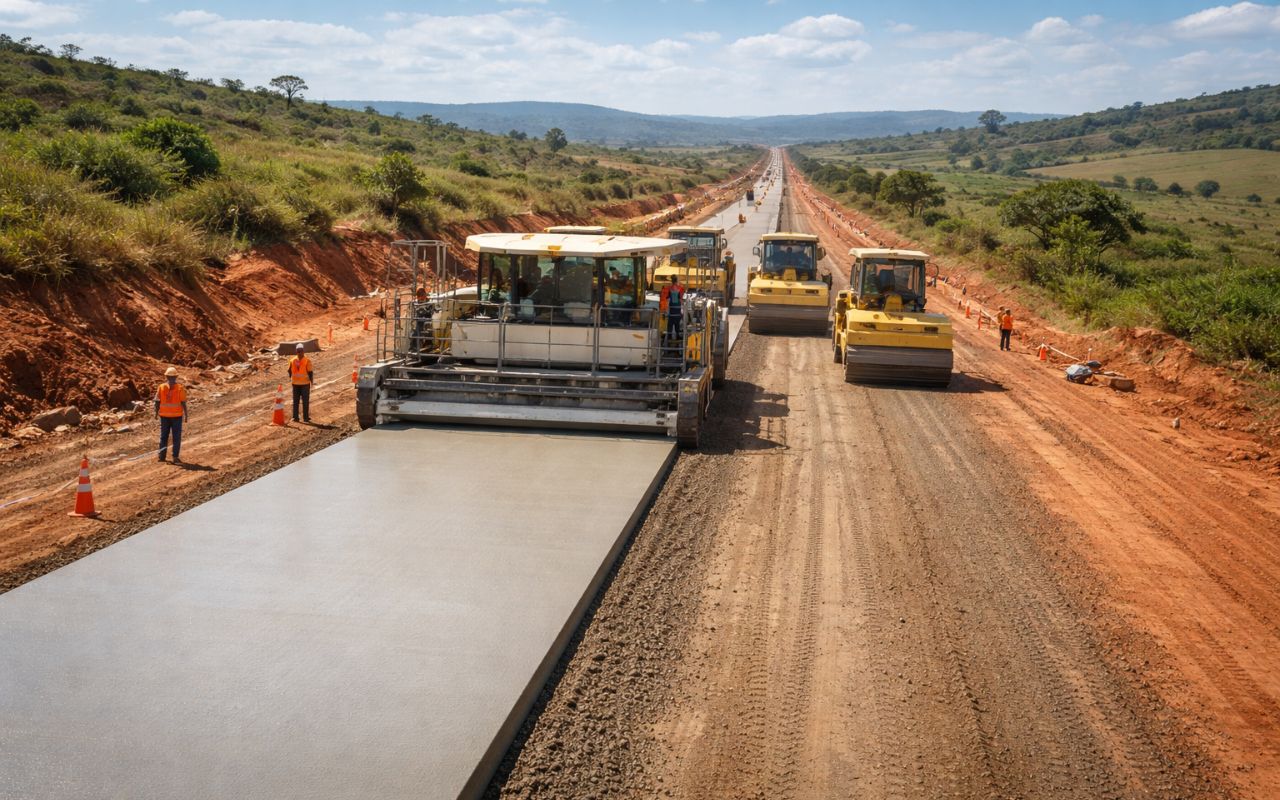
New CCR concrete paving technology promises roads up to 3x more durable, less maintenance, and cost reduction in Brazil.

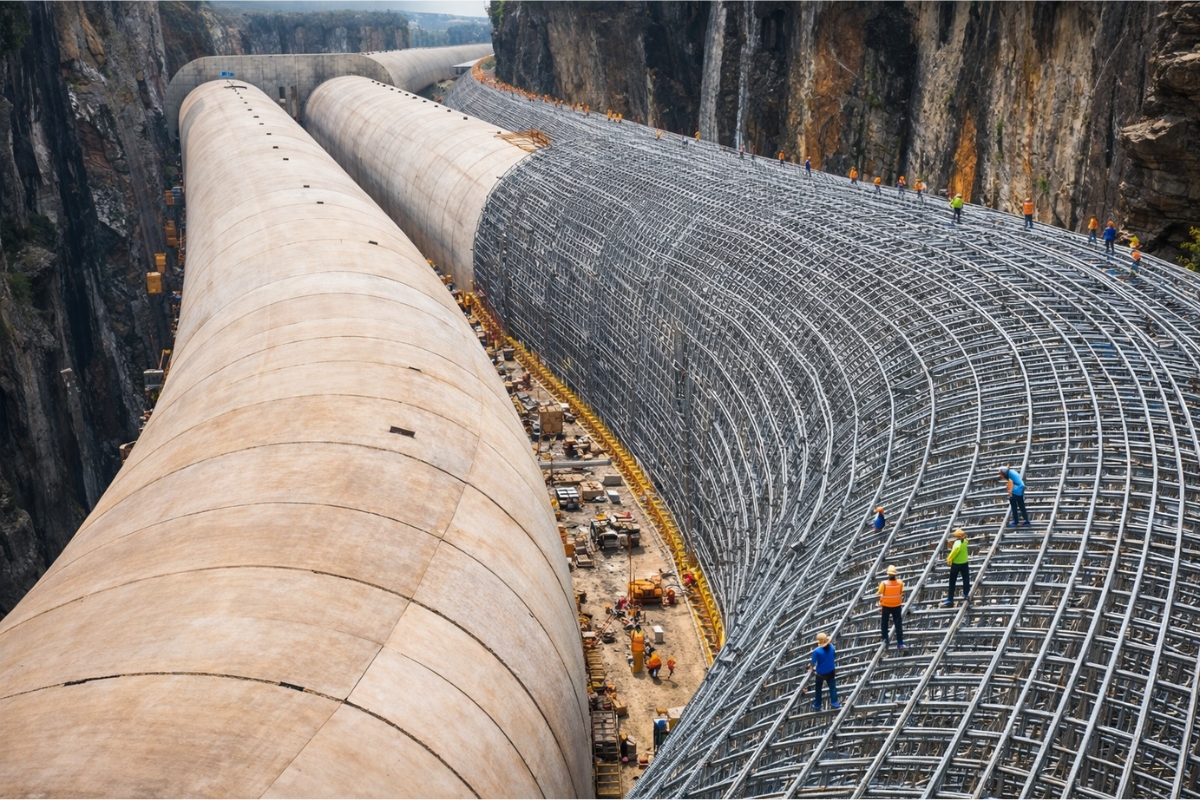
The numbers are as impressive as the project itself. The main pipelines, which have a diameter of up to 3.6 meters, transport millions of cubic meters of water annually, supplying agricultural areas and urban centers throughout Israeli territory. The water is distributed through three main lines, each with a strategic function: one carries high-quality drinking water, another handles brackish water, and the third is dedicated to recycled water for agriculture, providing 140 million cubic meters of water annually for irrigating the Negev desert.
Drip Irrigation
The megaproject not only ensured water for millions of Israelis but also spurred the development of new technologies like drip irrigation, which now enables Israel to produce 95% of its food and export over $2.5 billion in agricultural products annually. In addition, the country was able to reclaim contaminated aquifers and reforest large areas, making Israel one of the few countries in the world to end the 20th century with more trees than it started.
This inspiring achievement did not remain isolated. Many countries, like Brazil and China, took inspiration from the Israeli megaproject to create their own water supply and treatment systems. In Brazil, the transposition of the São Francisco River is presented as one of the largest water projects in Latin America, moving large volumes of water over hundreds of kilometers. Meanwhile, the Chinese South-North Water Transfer Project brings billions of cubic meters of water to the northern part of the country, facing challenges and incorporating technologies similar to those pioneered in Israel.
In an era where water scarcity is a growing global problem, the National Water Carrier stands out as a model of sustainability, innovation, and efficiency. Israel accomplished what many believed impossible: transforming one of the most arid regions on the planet into a modern, prosperous nation that is self-sufficient in water resources. This megaproject is a symbol of how engineering, when combined with determination and strategic planning, can overcome even the most insurmountable obstacles.







Seja o primeiro a reagir!