





 Portuguese
  English
  Spanish
  3 min of reading
  2 comments


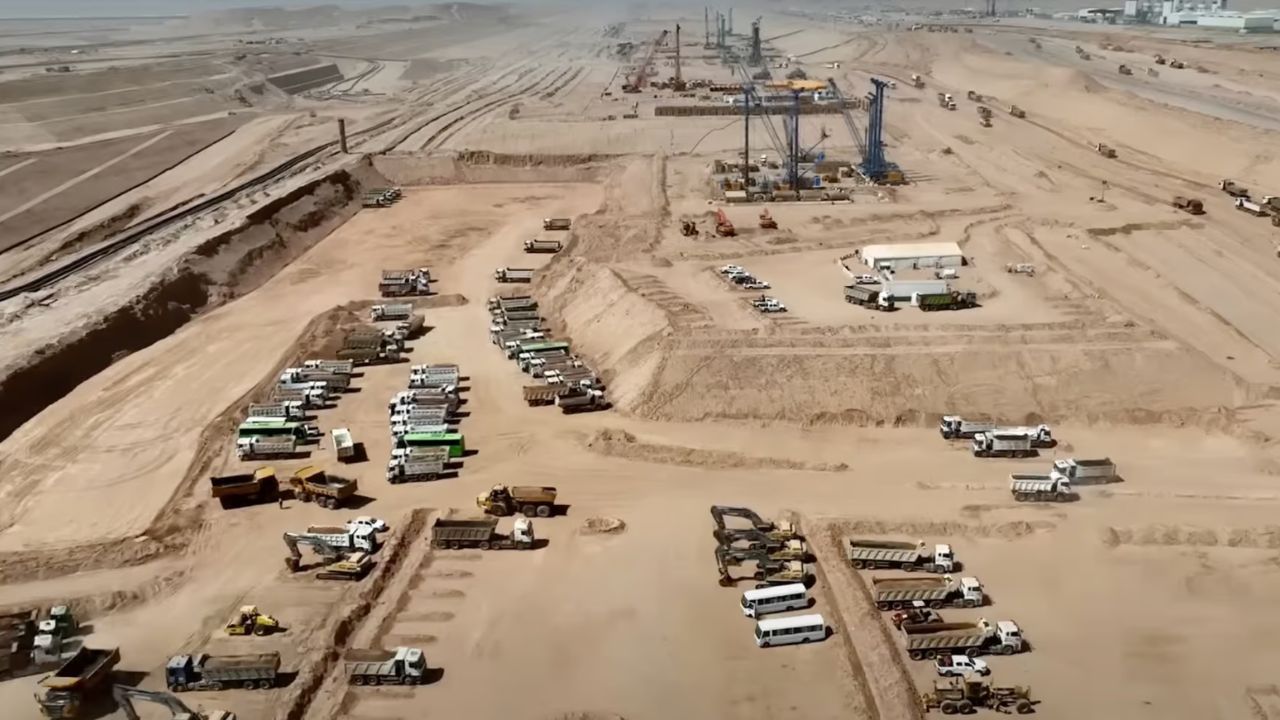


The Line: The 170 Km Linear City Planned in the Saudi Desert Promises to House 9 Million People, Function 100% on Renewable Energy, and Eliminate Cars While Facing Technological, Ethical, and Environmental Challenges.
Imagine a futuristic Manhattan in the middle of the Saudi desert, stretching 170 km, with a height of 500 meters and a width of 200 meters. It sounds like a movie scene, doesn’t it? But this is the proposal of the megaproject The Line, part of the futuristic city of Neom, which promises to revolutionize the concept of sustainable urbanization. And now, new details about this bold undertaking have been revealed, including what life will be like inside The Line.
What Is the Megaproject The Line?
The Line is a true reinvention of what we understand by city. Planned as the capital of Neom, this linear structure will operate as a vertically stacked megacity, where all daily needs will be just minutes away. Imagine a skyscraper that extends for 170 km! It’s as if the entire city of New York were placed inside a single building.
The project is part of the Saudi plan to diversify its economy and reduce dependency on oil. The goal is to create a sustainable urbanization model that operates 100% on renewable energy, using artificial intelligence to manage energy, waste, and other urban aspects. Ambitious? Without a doubt. Achievable? That is the big challenge.
-
Scientists transform sawdust into fire-resistant panels, stabilize the compound with an enzyme extracted from watermelon seeds, and turn waste into promising material for construction.
-
Forget concrete: architects are replacing tons of concrete with giant blocks of expanded polystyrene to build the roofs of houses and reduce structural weight by up to 50%, cut costs, improve thermal insulation, and speed up construction.
-
The Brazilian state enters the center of the global race for critical minerals by starting the construction of the largest underground nickel mine in Latin America, a mineral essential for electric car batteries that the entire world is competing for at this moment.
-
New CCR concrete paving technology promises roads up to 3x more durable, less maintenance, and cost reduction in Brazil.


Impressive Details of the Construction
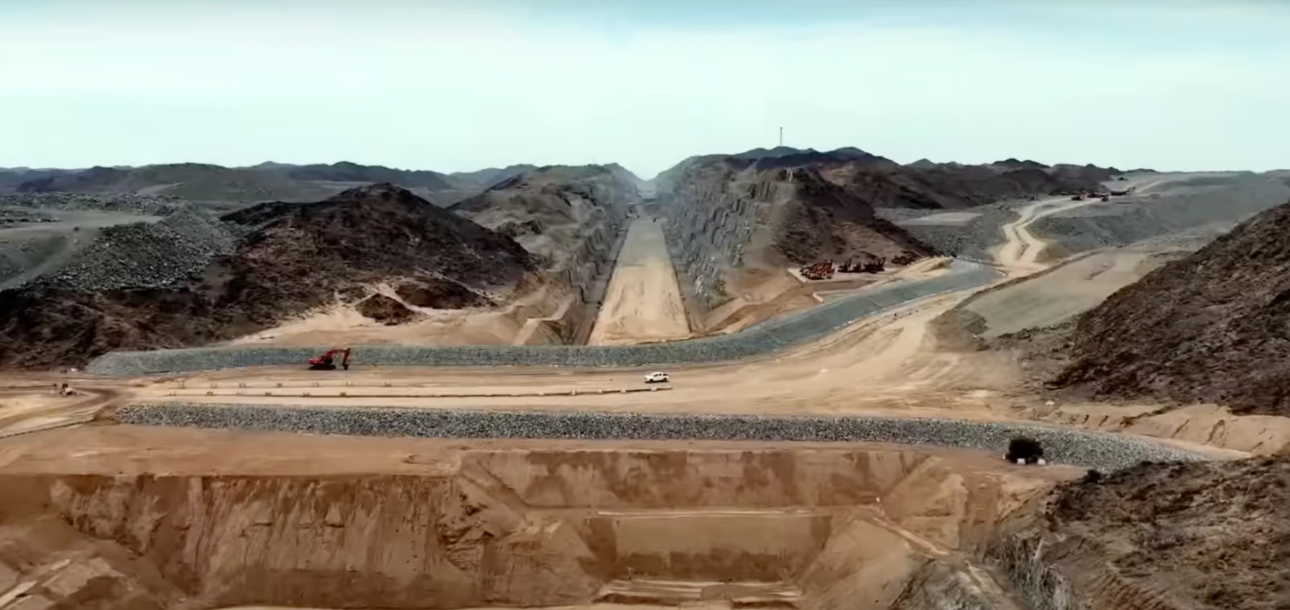
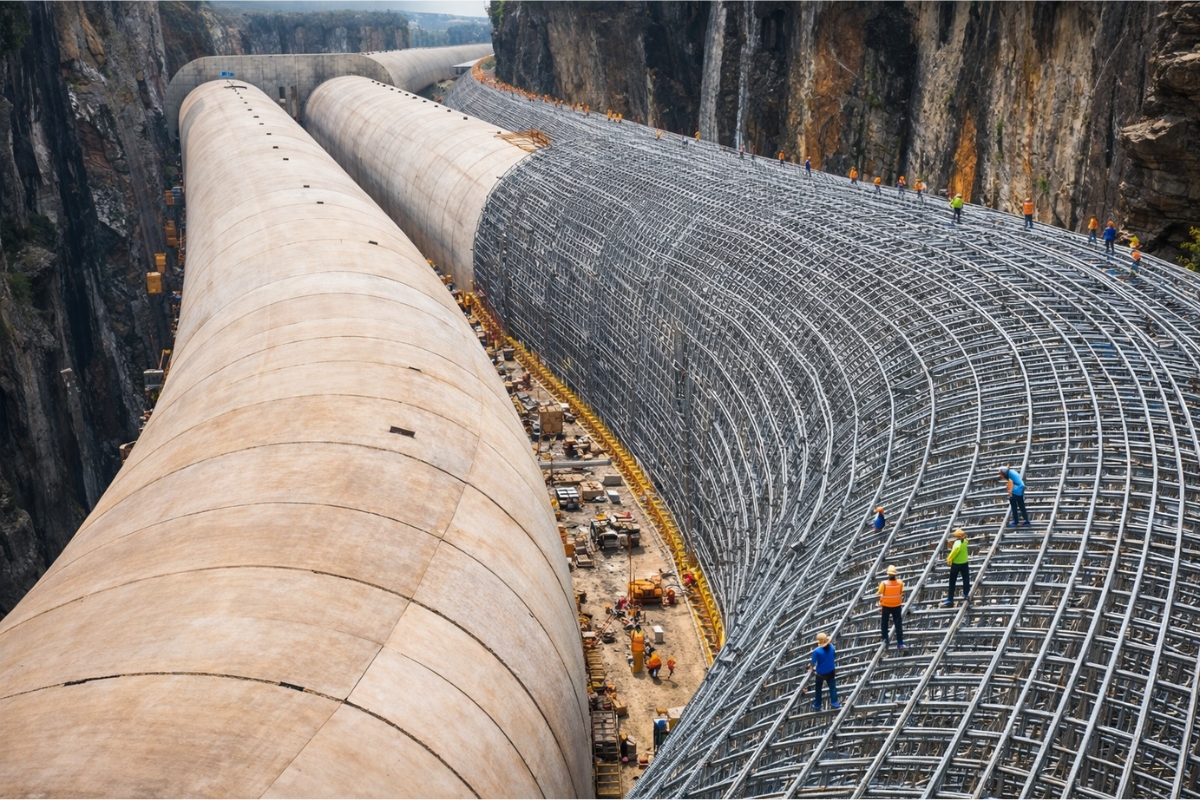
Standing at 500 meters, The Line will be one of the largest structures in the world. The first phase is already underway and is expected to be completed by 2030, with 2.4 km of habitable space that will accommodate 300,000 people initially. To give a sense of the scale, construction is consuming a large portion of the steel available in the global market.
The city will be fully integrated with technology, featuring AI-based surveillance systems to monitor everything from energy capacity to waste levels. Every detail has been planned to create an efficient and futuristic urban experience.
Life Inside The ‘Line’
The idea is not for people to be confined 24 hours a day inside the structure. Just as New Yorkers have Central Park, residents of The Line will be able to explore the surrounding Saudi desert. It’s a way to balance modernity with nature.
Even as a futuristic city, The Line was designed to interact with the local ecosystem. This integration aims to promote tourism and provide a distinctive quality of life for its residents.
Sustainability and Renewable Energy
One of the project’s promises is to eliminate the use of cars. All transportation will be done through high-speed public transit, ensuring travel in minutes and drastically reducing carbon emissions.
Although the goal is to operate entirely on solar and wind energy, many experts question whether this will be feasible in such a massive structure. In any case, the proposal is a significant step towards sustainability.
Criticisms and Controversies
Like any large project, The Line is not immune to criticism. Reports of human rights violations in the construction area have sparked debates about the ethical costs of a project of this magnitude.
Another concern is how the city will be populated. The estimate of 9 million residents may take up to 100 years to be reached, raising doubts about the project’s economic and social viability.





Um projeto para virar pô em muito pouco tempo , afinal acreditem ou não , não ficará pedra sobre Pedra nesse planeta , depois da única purificação , que será feita por Deus , novo céu e nova terra .
Bem vindo a cidade do futuro,parabens aos construtores