





 Portuguese
  English
  Spanish
  3 min of reading
  1 comment


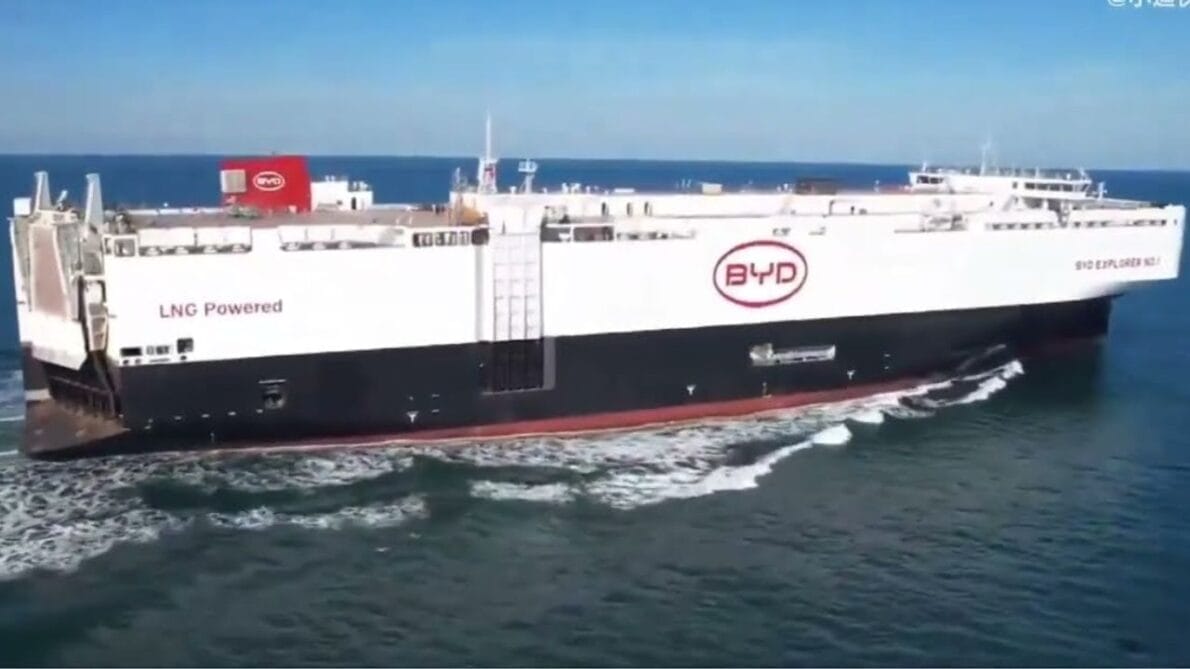

Have You Ever Imagined How Thousands of Cars Arrive in Our Country? BYD, One of the Largest Electric Vehicle Manufacturers in the World, Has Found an Efficient Solution: Building Its Own Fleet of Ships. Meet the Explorer 01, a Giant of the Seas That Is Revolutionizing the Transportation of Electric Cars.
The logistics of transporting vehicles is complex. To sell a large volume of cars worldwide, manufacturers have two main options: build factories in several countries or develop an efficient way to transport vehicles globally. While the factories are being completed, BYD opted for an innovative strategy: launching its own fleet of car-carrying ships.
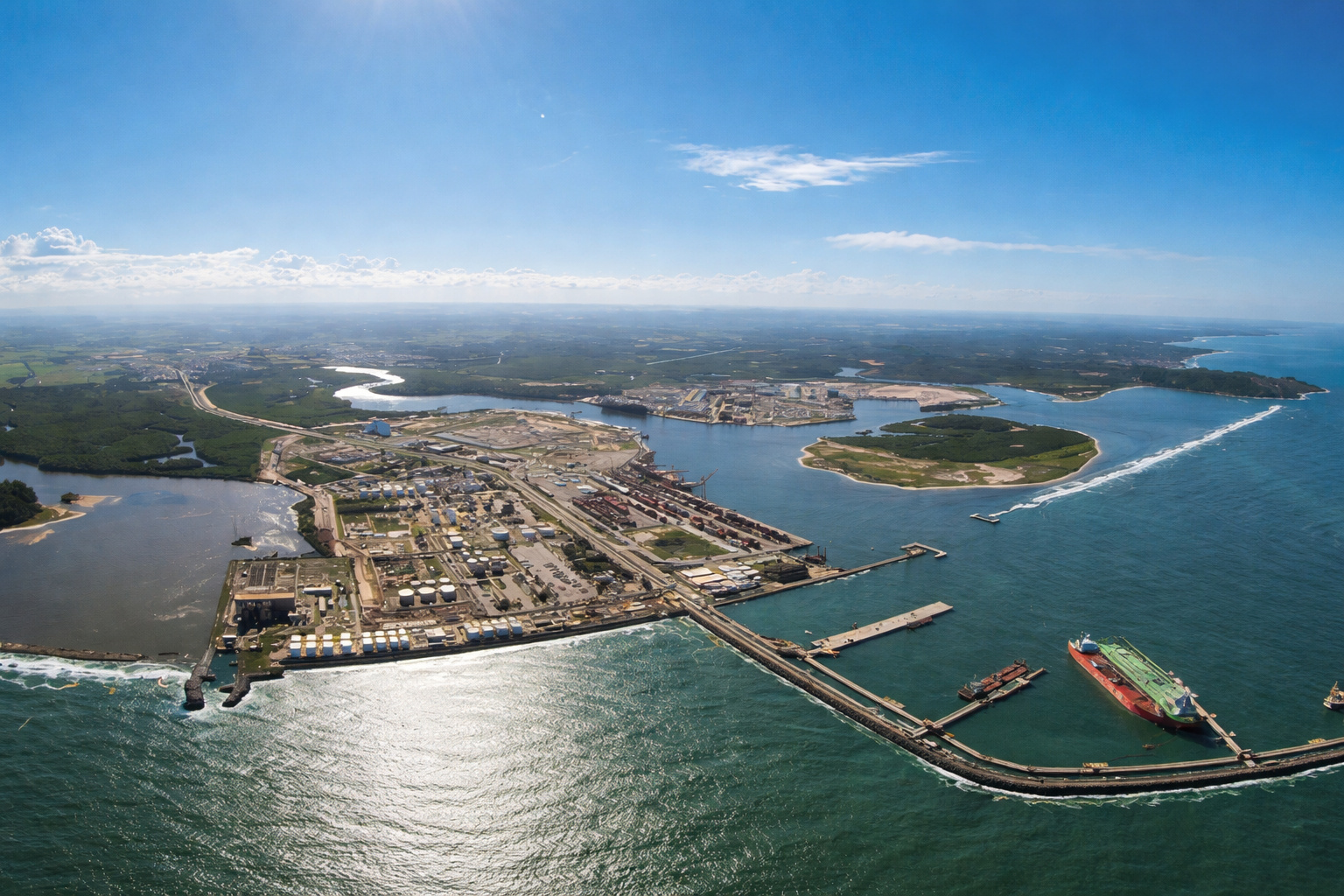
The first ship in this fleet, the Explorer 01, arrived in Brazil for the first time last Monday, the 27th, unloading hundreds of cars at the port of Suape in Pernambuco. This giant of the seas is just the first of eight ships that the manufacturer will have by 2026 to transport its electric cars.
Transporting Cars Across the Oceans Is Not a Simple Task. RoRo (Roll-On/Roll-Off) Ships Are Needed That Function as Floating Parking Lots, Capable of Carrying Up to 7,500 Vehicles


These vessels have ramps that allow cars to enter and exit easily, making the loading and unloading process much more efficient. However, these ships take years to build, and the growing demand for electric cars cannot wait. Renting ships could be a quick solution, but the available quantity is limited. In 2023, an analysis revealed that there are 700 RoRo ships in the world, but only 15% of them are under Chinese control. To circumvent this limitation, BYD decided to build its own ships.
-
São Paulo surprises the world with a colossal railway network project that promises over 1,000 km of tracks, R$ 194 billion in investments, and 40 projects connecting the capital to the interior with fast and sustainable trains.
-
The world’s largest escalator, measuring 905 meters in China, reduces urban travel time from 1 hour to about 20 minutes and transforms mobility in mountainous regions with an engineering solution adapted to the terrain.

-
A R$ 300 million logistics giant is taking shape in Serra with over 100,000 m² and raises a question: how can this transform e-commerce and distribution in the state?
-
Could Uber Rides Lose Minimum Fare? Understand What’s Happening!


Between 2015 and 2022, China manufactured 100 RoRo ships. Now, the forecast is for Chinese shipyards to deliver twice that number between 2023 and 2026. BYD has ordered eight of its own ships, investing around 3 billion reais, to ensure logistical independence and meet the growing demand for its electric vehicles in international markets.
The Explorer 01, the First of These Ships, Is a True Marvel of Naval Engineering
Measuring 199 meters long and a width comparable to a 10-story building lying down, it impresses with its colossal dimensions. But it is not just the size that makes this ship a landmark in the history of automotive logistics. It’s the technology and detailed planning involved in its construction that truly stand out.
The construction involved close collaboration between naval engineers and automotive logistics specialists. Every detail was optimized to ensure that the ship could transport large volumes of vehicles safely and efficiently. The wide decks allow for organized storage of up to 7,500 cars, while the robust ramps ensure that loading and unloading are quick and safe.
The BYD Ship Is Equipped with Cutting-Edge Navigation Systems That Allow Precise and Safe Navigation Even in the Most Challenging Conditions
The safety of the vehicles during transit is a priority, and every aspect of this giant of the seas has been designed to minimize risks and maximize efficiency. Another important aspect of the ship is its emphasis on sustainability. BYD is committed to reducing the carbon footprint of its operations, and the Explorer 01 is proof of this commitment. The ship uses advanced technologies to reduce fuel consumption and pollutant emissions, contributing to a greener future.
BYD did not choose Brazil by chance. The country represents a crucial emerging market for electric vehicles, with a growing demand for sustainable mobility solutions. Just this year, the brand sold over 25,500 cars in Brazil, an impressive number that reflects the growing interest of Brazilian consumers in electrified vehicles.








Acho que a aposta da BYD em navios próprios é realmente estratégica, principalmente considerando o crescimento do mercado de carros elétricos no Brasil