






 Portuguese
  Spanish
  2 min of reading
  2 comments


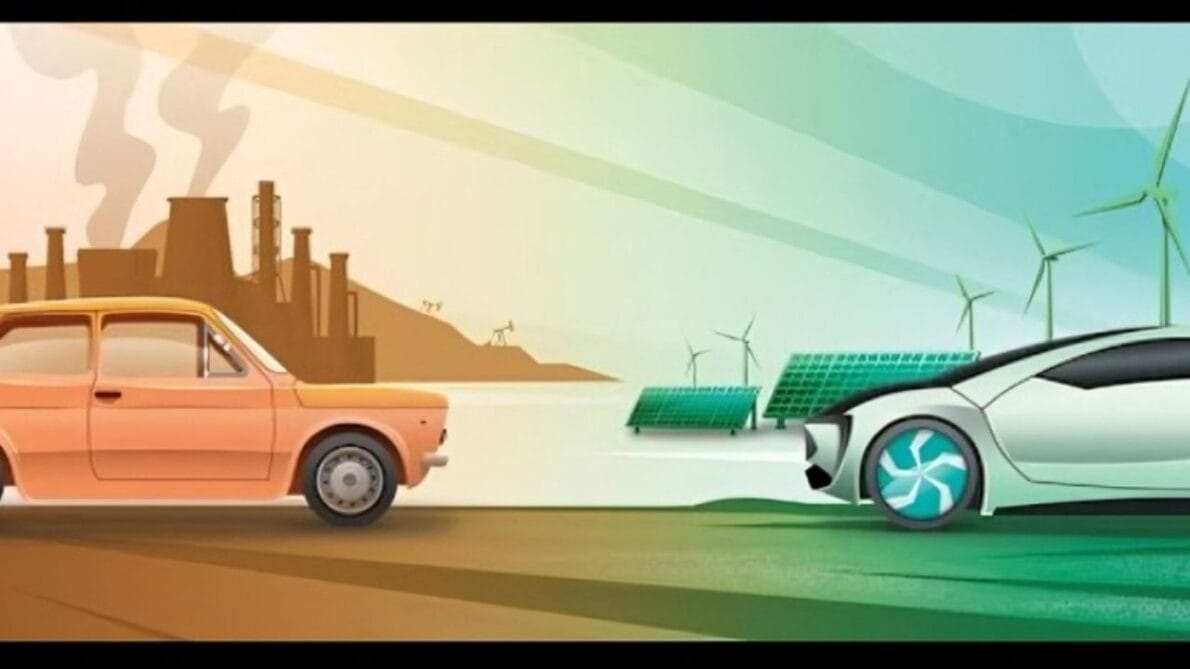


The Discussion About Which Car Pollutes More, The Electric Car or The Combustion Car, Is Becoming Increasingly Relevant. Let’s Analyze If Electric Cars Really Produce Less Carbon Emissions Than Combustion Cars.
Many believe that the production process of electric cars, especially the mining of metals for batteries, causes more harm to the environment than combustion engines. However, the issue is more complex and involves several factors, from production to vehicle use.
The gasoline we use in combustion cars starts with oil extraction, which consumes a huge amount of energy. In the United States, for example, there are about 435,000 oil wells that use suction pumps, consuming more than 4,300 gigawatt-hours of electricity per month. This would be enough to power 15 million electric vehicles in the same period.
Offshore Drilling Uses Diesel Generators That Consume Large Amounts of Fuel


It is estimated that offshore oil platforms use over 13 billion kilowatt-hours of energy per month, enough to power 70 million electric vehicles. The extracted oil needs to be transported to refineries, using pipelines that consume even more energy. There are over 540,000 kilometers of pipelines in the world, along with maritime transport, which is one of the largest sources of pollution on the planet, emitting about 1 billion tons of CO2 per year.
-
Two new 300cc models from QJ Motor are expected to arrive in Brazil as SBM to target the CB 300F and shake up the low-displacement market, with more power and liquid cooling than Honda.

-
Camaro may reappear in 2027, but not as you remember: Chevrolet prepares the return of the icon with four doors, manual transmission, and an extreme performance version to face the new era of sports cars.

-
Is the BYD Song Pro worth it? The Anderson Sincero channel says it doesn’t exceed R$ 140,000, and the price dropped by R$ 47,000, reinforcing the depreciation of the plug-in hybrid in the Fipe table.
-
Caoa Changan CS75 arrives for R$ 199,990 with 4.77 m in length, a trunk of up to 1,620 liters, 8-speed Aisin transmission, 180 hp, 37.2 inches in screens, and Zero Gravity seat with massage.


The refining of oil consumes a lot of energy and generates significant pollution. Refineries are major sources of pollution in many cities, increasing the risks of lung diseases for the local population.
The Internal Combustion Engines of Combustion Cars Are Extremely Inefficient, Wasting About 70% of Energy as Heat
In comparison, electric cars are more efficient, as electricity can be produced in a cleaner way and used directly to power the vehicles.
Although lithium mining for electric car batteries also has an environmental impact, it is much lower compared to the complete lifecycle of fossil fuels. For example, Australia, which produces 50% of the world’s lithium, faces more pollution from oil refineries than from lithium mining.
Electric Car Batteries Can Be Recycled or Reused as Energy Storage Systems, Further Reducing the Environmental Impact
After their useful life, batteries can be disassembled to recover valuable metals and used in new batteries. Considering all aspects, from extraction to end use, electric cars are more sustainable and cause less harm to the environment than combustion cars. The transition to electric vehicles can be an important step toward a cleaner and more sustainable future.


Se você busca um veículo sustentável e silencioso, o carro elétrico pode ser a melhor opção
Carro a combustão é uma tecnologia de século passado, já estamos entrando numa nova era , e mesmo os mais tecnológicos tem sua eficiência inferior a 70%, o que faz com que 30% ou mais seja desperdiçado de sua queima além de trazer danos ao meio ambiente quantidade de peças necessárias manutenção e autonomia atrelada a um ciclo vicioso que afeta a economia de qualquer país , já dependemos hoje do transporte para qualquer coisa que exige a logística