





 English
  Francês
  Alemão
  Italiano
  Japonês
  Norueguês
  Portuguese
  Spanish
  2 min of reading


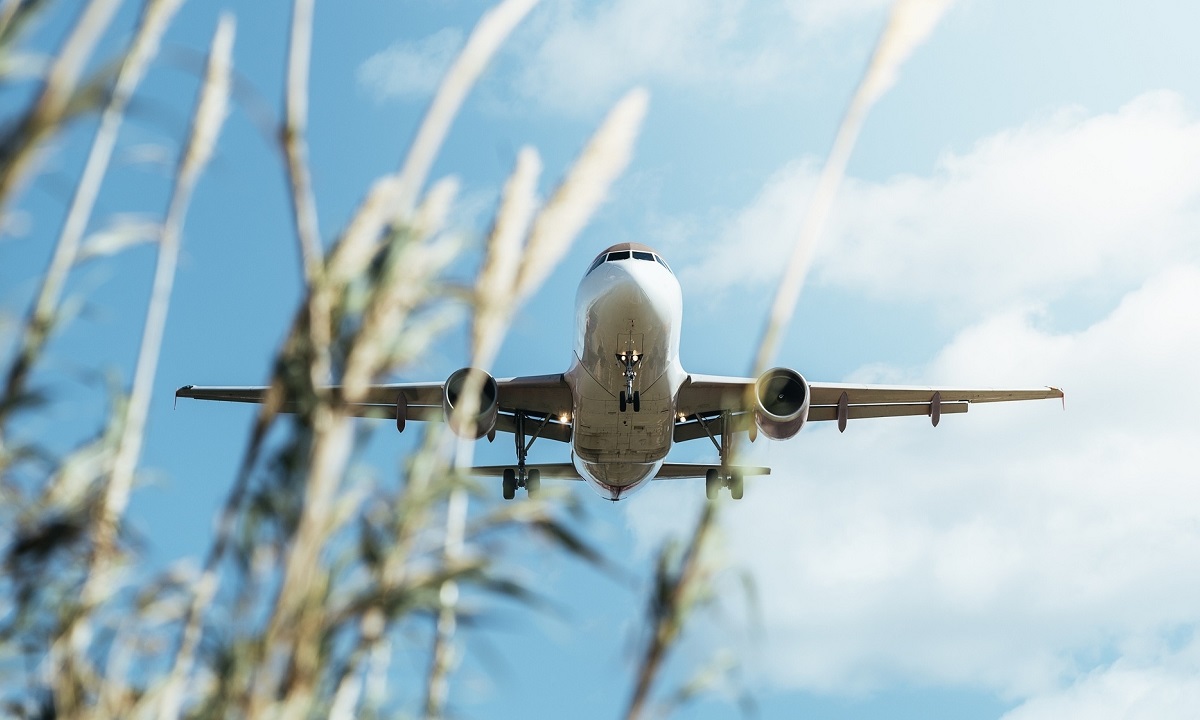
Being One of the Sectors That Emit the Most Carbon into the Atmosphere, Aviation Is Now Investing in Fuel Made from Grass to “Offset” the Environment
The aviation sector, facing various criticisms for its carbon emissions into the atmosphere, has decided to “offset” the environment by launching green fuel made from grass. Although in practice the sector’s contribution is much smaller than most other forms of transportation, the aviation sector will also face its challenges in order to decarbonize all aircraft, especially long-haul flights.
A large portion of road transportation can be electrified; however, there is still no technology that provides electric airplanes capable of flying intercontinental distances, meaning that sustainable jet fuel offers a possible solution, and Alder Fuels believes it is the most viable option.
Approximately one-fifth of global carbon emissions come from aviation transportation, and 24% if only the direct use of energy is considered. Overall, aviation accounts for only 11.6% of the carbon footprint of transportation, or 2.5% of the total. This fact is obviously much lower than the 15% of global emissions from road transportation, yet it is still a significant figure.
-
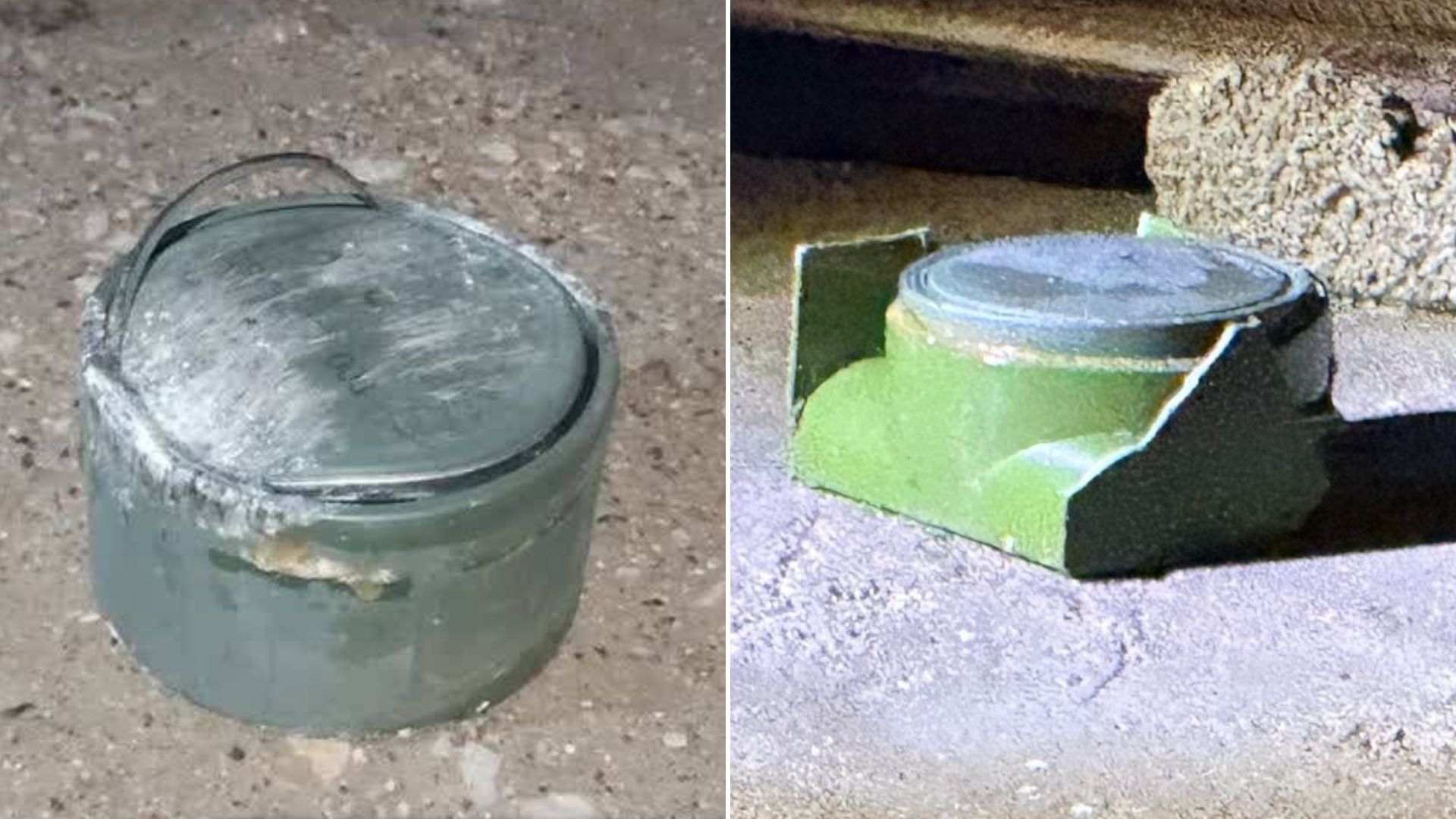
Anti-tank mines appear near a missile base in Iran, causing fatalities and raising suspicion of a new move to block underground launchers.
-
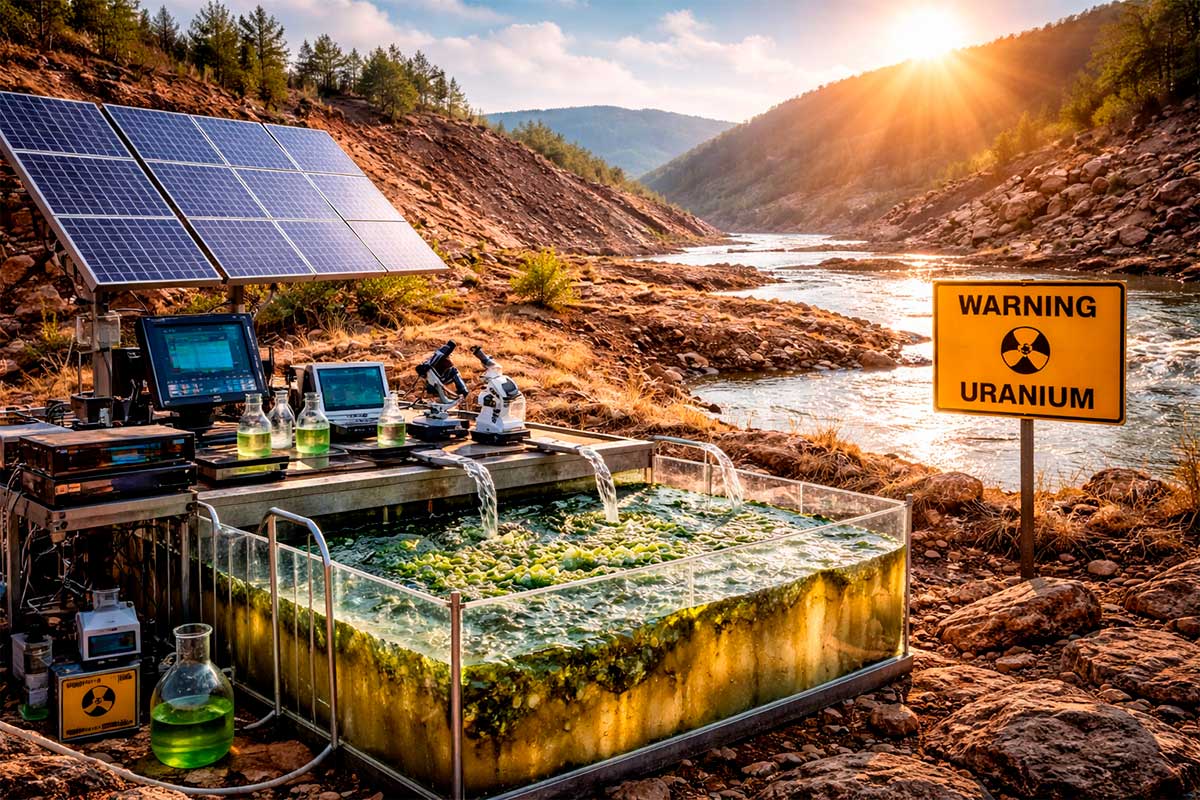
Contaminated water from uranium threatens mining areas, and Chinese scientists have created a solar-powered living filter that could change environmental decontamination.
-
Archaeologists find in Mexico a sacrifice altar over 1,000 years old, surrounded by skulls, human bones, and signs of rituals from the Toltec Empire.

-
Goodbye to the traditional oven? IKEA draws attention with a 3-in-1 microwave that combines an air fryer, grill, and heating in the same compact, affordable appliance designed for small kitchens.


MEET THE TRADITIONAL FUELS USED BY AIRPLANES
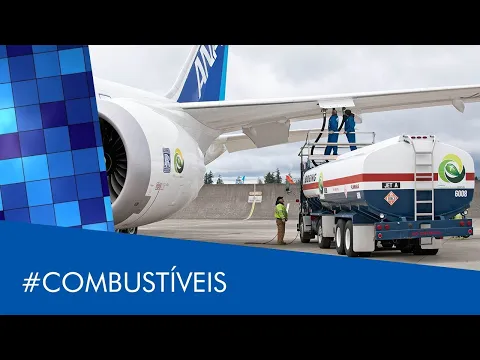

Carbon Emission Could Decrease by Up to 50 Years with Fuel
In light of the sector’s novelty, research shows that the volume of carbon from road transportation that moves people will decrease to almost zero in 50 years, while that of the aviation sector will remain almost unchanged during the same period, when it will be the main contributor to transportation.
If our goal is to meet global warming reduction targets, we need to find an alternative to aviation fuel, since the current option is fuel made from “oils and fats residue” (also known as FOG). These are the residual byproducts of the food industry, such as beef tallow.
In 2016, AltAir Fuels successfully tested the production of fuel from this source, using a converted refinery in southern California and technology from Honeywell UOP.
The Functioning of Green Fuel
However, as not everything is perfect, Bryan Sherbacow, who was the COO of AltAir, noted that there was not enough FOG to scale up this fuel, no matter how well it worked. In 2021, he founded Alder Fuels, which aims to create sustainable fuels from plant biomass.
There is still some skepticism regarding biomass-derived fuels, as they can lead to the conversion of arable lands perfectly good for food production, or the destruction of primary forest.






Seja o primeiro a reagir!