





 Portuguese
  English
  Spanish
 3 min of reading
  0 comments


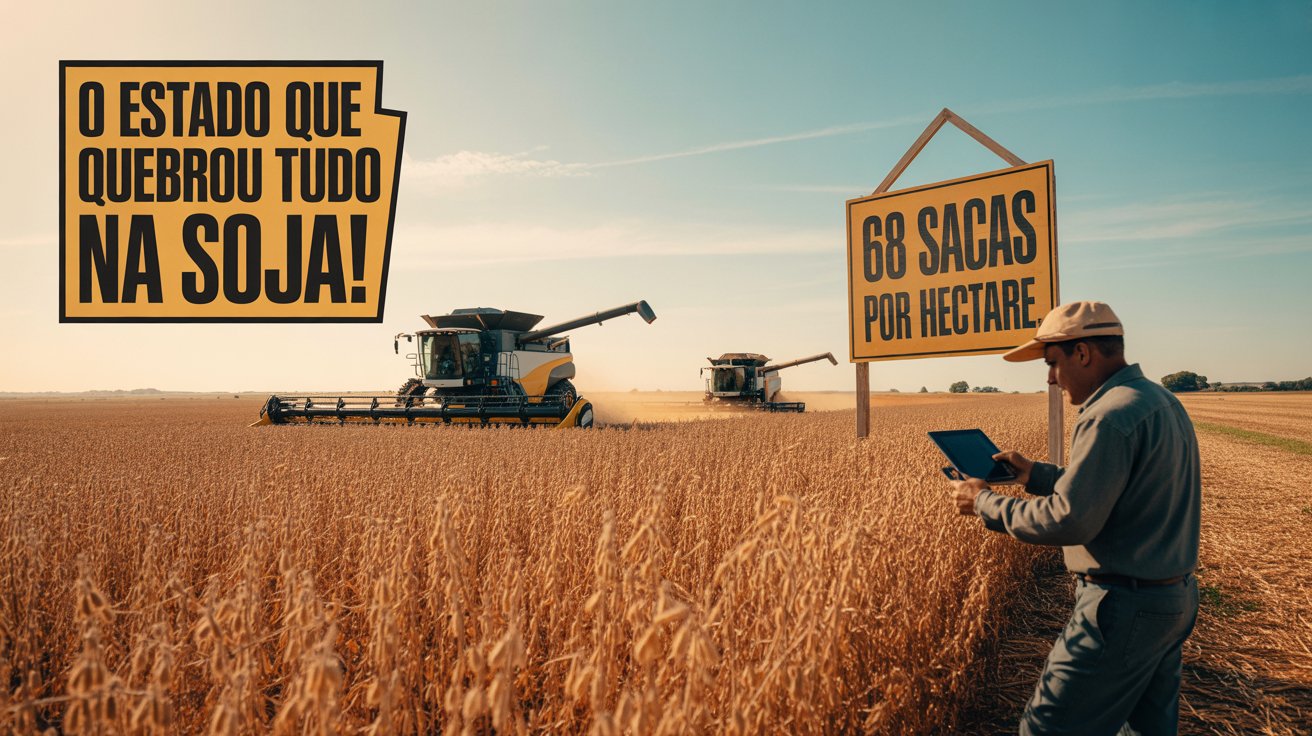
In A Season Of Losses And Instability In Various Producing Regions, State Surprises With The Highest Soy Productivity In Three Decades, Highlighting Itself In The National Agricultural Scenario With Technology, Management And Favorable Climate As Pillars Of Success.
The high productivity of soy in Bahia draws the attention of the sector and marks a new level for regional agriculture.
The result contrasts with the situation in other Brazilian regions, which faced severe losses caused by climatic instabilities and rising production costs.
According to the Technical Council of the Bahia Association of Farmers and Irrigators (Aiba), 8.7 million tons of soy were harvested over an estimated area of 2.1 million hectares.
-
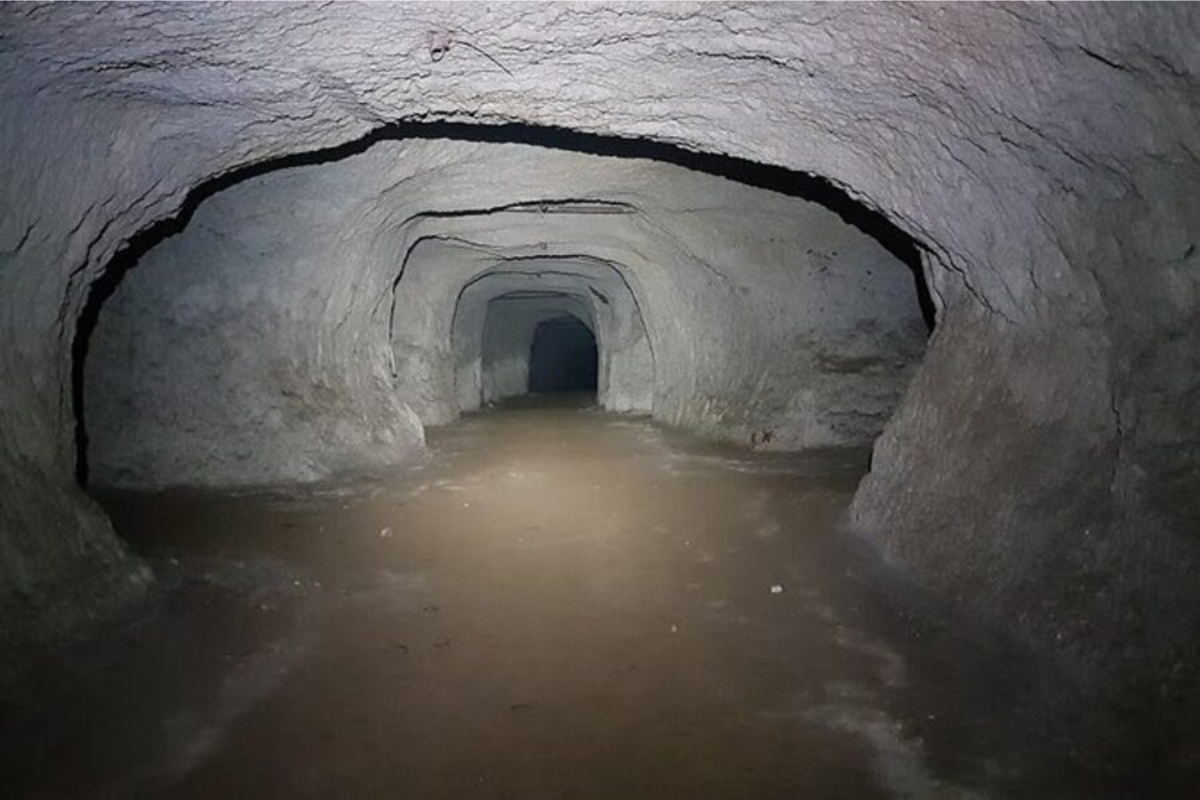
Discovery of a 15-kilometer labyrinth beneath the buildings of Rome raises alarm for collapses and reveals the largest underground network ever found in the Italian capital.
-
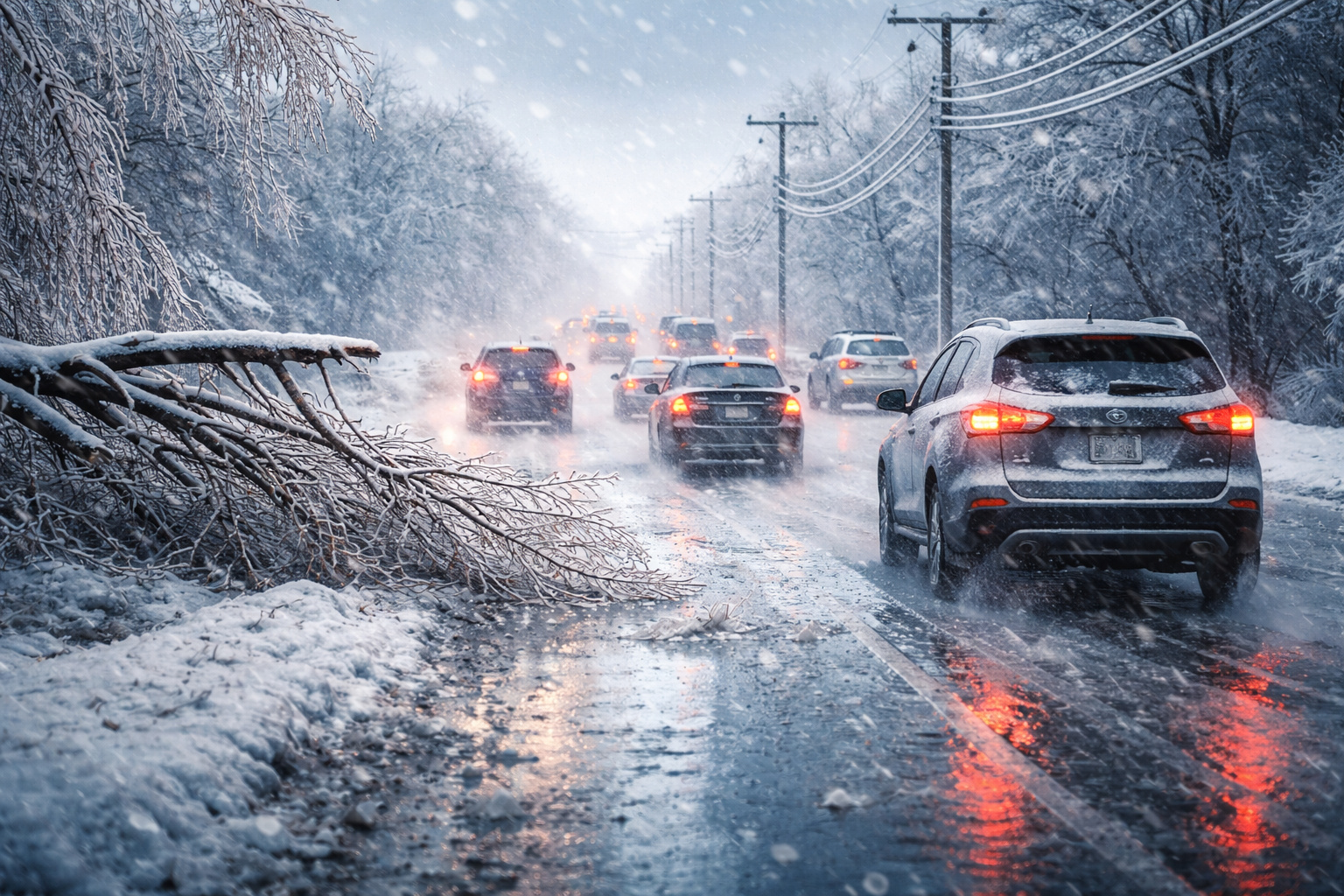
A rare storm phenomenon in the United States alerts meteorologists worldwide due to four different forms of water falling from the sky, which freeze immediately upon touching the ground, poles, cars, or trees.
-
IPTU exemption for seniors in 2026: see how to secure the benefit.

-
He has been using a wheelchair for almost 10 years, lives alone, is independent, and decided to become a delivery driver for an app: Samuel makes up to 6 deliveries a day, covering routes of 1 km in his wheelchair and has even managed to do 2.5 km in a single run.


The impressive productivity reflects the combination of favorable climate, use of advanced agricultural technology, and efficient soil management.
Although Bahia is among the largest soy producers in the country, its participation is still less recognized outside of technical circles.
The state is part of Matopiba — an area formed by Maranhão, Tocantins, Piauí, and Bahia — which has stood out as one of Brazil’s most dynamic agricultural frontiers in recent years.
Stable Climate And Cutting-Edge Technology Drive Productivity
This set of factors was decisive for the increase in soy productivity in Bahia, especially in comparison to states that faced losses.
According to Darci Américo, president of the Brazilian Soy Producers Association in Bahia (Aprosoja-BA), the regularity of rainfall was crucial for the good result.
He describes this harvest as one of the best of his career.
Producers reported the use of foliar nutrition, corrections with macro and micronutrients, in addition to the cultivation of cover crops such as brachiaria and millet, which enhance the biological quality of the soil and increase crop resilience.
Soil Management Sustains Crops Even In Adverse Scenarios
Well-cared-for soil plays a central role in the achieved results.
Techniques such as no-till farming, use of straw, and crop rotation have allowed for the maintenance of plant health even in periods of lower humidity.
Agricultural producers emphasize that practices like these preserve nutrients and reduce exposure to pests and diseases.
According to local experts, the prior preparation of the land was essential to ensure full utilization of rainfall and extend the productive longevity of the crop.
Bahia Escapes The Crisis And Gains National Highlight
In contrast to regions such as the South and part of the Midwest, which recorded decreases in productivity due to drought and excessive heat, Bahia stood out with technical efficiency and consistency in results.
According to the National Supply Company (Conab), the national average this harvest was around 56 sacks per hectare — 12 below the Bahia index.
Industry analysts point out that the agricultural model adopted in the state can serve as a reference for other regions, especially in light of increasing climate instability and the need for sustainable practices to maintain competitiveness.


Optimistic Expectation For The Next Agricultural Cycle
The performance achieved this season motivated local producers to bet on an even stronger harvest in 2025/2026.
The expansion of irrigated areas, the increasing use of precision agriculture, and the strengthening of regional cooperatives should further enhance the results.
The movement of production through ports in the Northeast, coupled with improvements in internal logistics, also strengthens the state’s position as one of the main vectors of Brazilian agricultural production.
National Visibility Is Still A Challenge For The State
Despite the impressive performance, Bahia remains off the national media spotlight when it comes to soy.
States like Mato Grosso, Paraná, and Rio Grande do Sul still attract the most attention, both due to history and gross production volume.
However, Bahia’s participation in Matopiba and the figures from this harvest indicate that the state can consolidate, in the coming years, an image of productive excellence, especially if it maintains the technical and climatic regularity observed recently.
In light of this scenario, to what extent can Bahia cease to be a supporting player and begin to lead, also in public perception, the new phase of Brazilian agribusiness?




-

Uma pessoa reagiu a isso.