





 Portuguese
  English
  Spanish
  3 min of reading
  27 comments


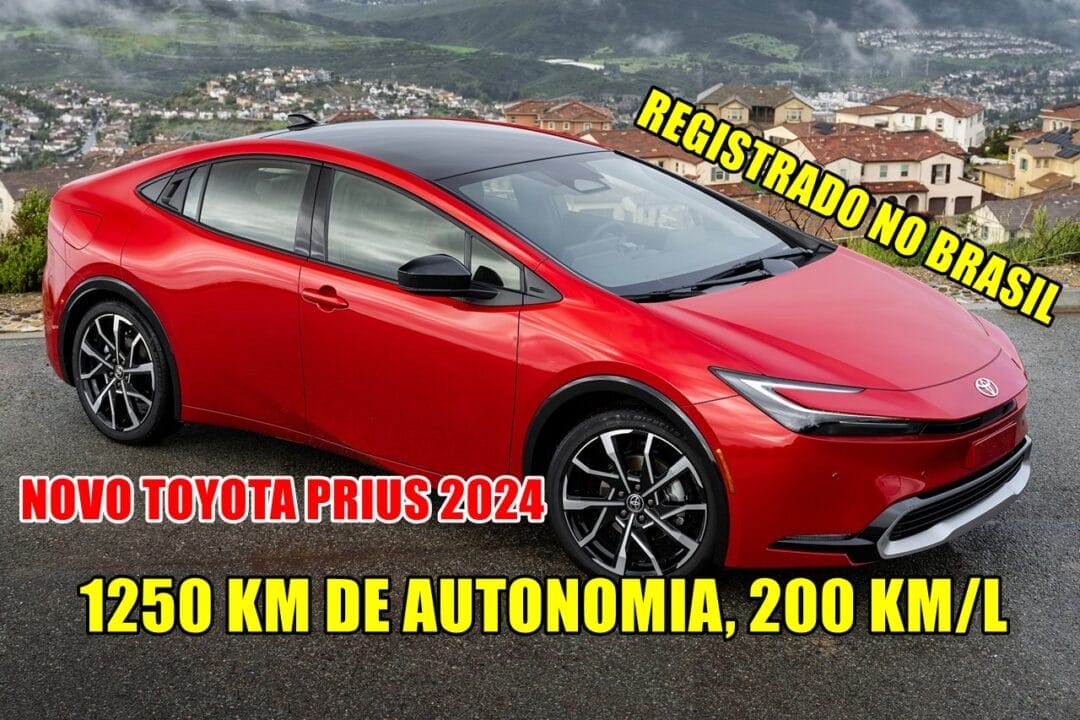

Economy And Power Define The New 2024 Toyota Prius: Plug-In Hybrid With Consumption Of 200 Km/L, 223 Hp, And 1250 Km Of Autonomy.
The fifth generation of the Toyota Prius arrives on the market to redefine expectations around vehicle efficiency, achieving an impressive milestone of 200 km/l, as announced by Grupo Estadão and according to the WLTP (Worldwide Harmonized Light Vehicles Test Procedure), an international standard for measuring fuel consumption and emissions.
This advancement places the Toyota Prius at the top of the list of the most efficient vehicles available, even surpassing the new wave of electric SUVs that have dominated the automotive landscape.
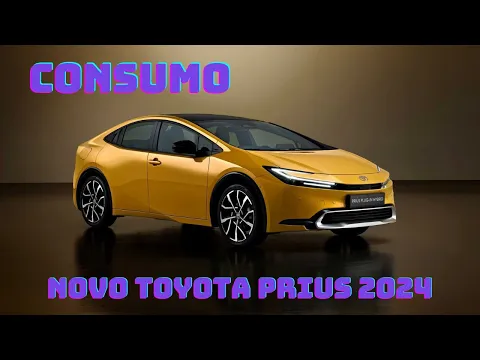

Advanced Technology For Maximum Efficiency
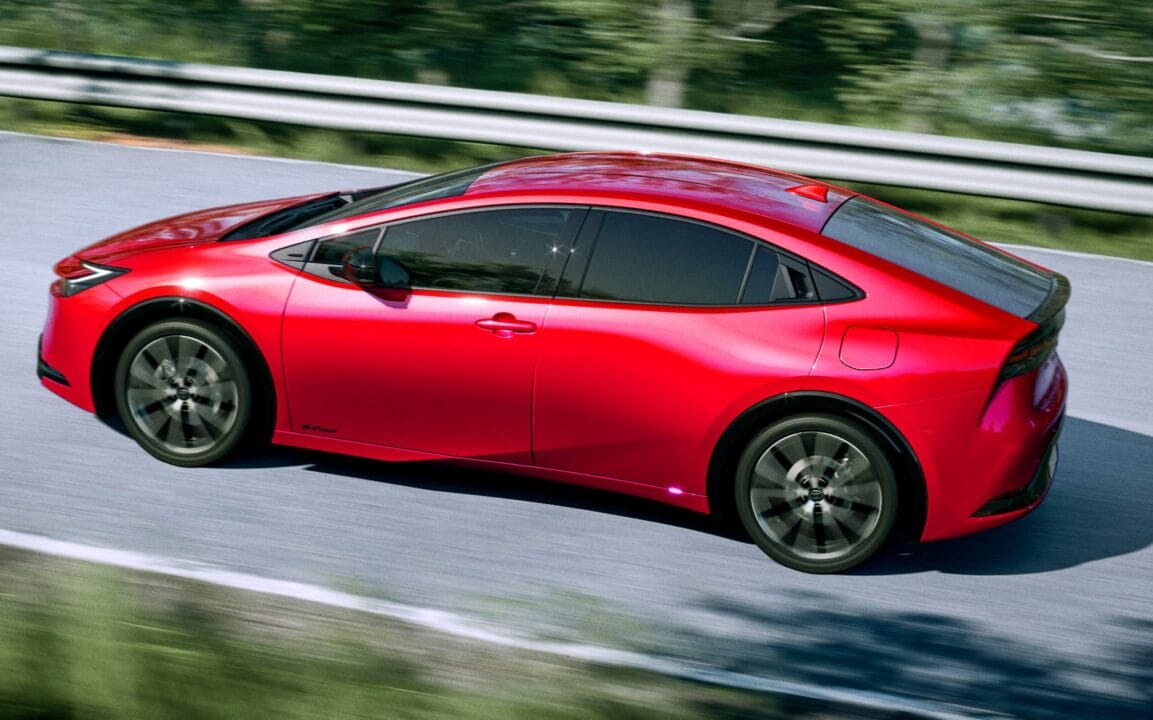
The secret behind these extraordinary numbers lies in the innovative combination of a 2.0-liter gasoline engine, capable of producing 152 hp, with a rear electric motor that adds 163 hp. Together, they provide the vehicle with a total of 223 hp, allowing for a zero to 100 km/h acceleration in just 6.7 seconds while offering all-wheel drive. More than just numbers, the advanced mechanics of the plug-in Prius exemplify a perfect balance of power and sustainability.
-
It surpassed the T-Cross, Creta, and Tracker: with nearly 8,000 units sold, the Volkswagen Tera was the best-selling SUV in March 2026.
-
Honda performs miracles in fuel consumption with a hatch that marks 13.2 km/l in the city and 15 km/l on the highway, leaving Polo, HB20, 208, and Onix behind and becoming a reference among compact cars without resorting to turbo or hybrid systems.

-
Six diseases that seem common but can prevent the renewal of the driver’s license for the elderly throughout Brazil and surprise experienced drivers — could any of them affect you without showing clear signs?

-
With 122 hp, fuel consumption of up to 17.7 km/l, and a trunk capacity of 440 liters, this hybrid SUV impresses even though it costs up to R$ 47,000 more than the Yaris — meet the Toyota Corolla Cross.

Performance And Record Consumption
In addition to its acceleration capabilities and power, the new Toyota Prius plug-in impresses with its average combined fuel consumption of just 0.5 liters per 100 km, equivalent to approximately 200 km/l. This efficiency results in extremely low CO2 emissions, at just 11 g/km, while the consumption in purely electric mode varies between 11.4 and 12.6 kWh/100 km. These results not only establish the Prius as a leader in energy efficiency, but also highlight the potential of plug-in hybrids to significantly contribute to reducing the environmental impact of transportation.
Extended Autonomy For An Unlimited Experience
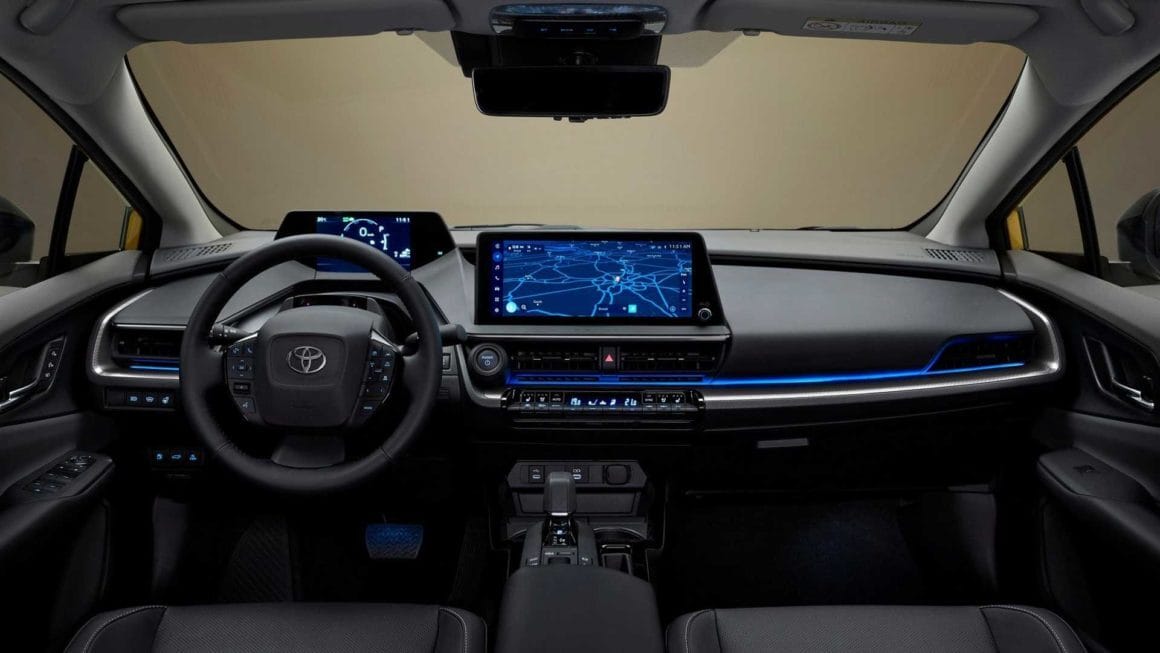
The vehicle’s autonomy, a crucial aspect for environmentally conscious drivers, has also seen a significant improvement. With a 13.6 kWh lithium-ion battery — a considerable upgrade from the previous generation’s nickel-metal hydride battery — the Toyota Prius now offers nearly 95 km of autonomy in 100% electric mode, a 50% increase compared to the previous generation. This, combined with a total combined range of 1,250 km on both systems, ensures that the Prius is up to any challenge, whether for short urban trips or long journeys.
The Future Of The Prius In Brazil
Despite its confirmed presence through registrations at INPI, the arrival of the fifth generation of the Toyota Prius in Brazil remains a topic of speculation and expectation. With the promise of bringing the plug-in hybrid version, the Toyota Prius aims not only to revitalize its image in the Brazilian market but also to redefine what we expect from efficiency and sustainability in vehicles. As Toyota prepares to possibly introduce this revolutionary model next year, all eyes are on the impact it will have in an increasingly eco-friendly solutions-oriented market.









Pessoal, façam login com usas redes sociais! Deste forma, vocês serão notificados quando alguém responder ou curtir seus comentários, as empresas poderão contactar vocês e socializar melhor!
Para calcular a eficiência e a autonomia do carro, deve-se contabilizar todos os combustíveis consumidos: gasolina, álcool e energia elétrica. Todos eles custam dinheiro e é necessário parar para reabastecer se eles acabarem. A eficiência em km/l não pode incluir a energia elétrica carregada pela rede, apenas a gerada no próprio carro. Ou seja, tem começar a medida com a bateria descarregada.
O mesmo sistema do Haval, na frenagem, o carro recarrega sozinho, deve ser isso
Acho que tem angu nessa salada…. Muito blá blá blá e as fábricas estão só fazendo o povo de cobaia, o prejuízo é somente do proprietário. Quero ver assumirem o q falam, mas depois sempre vem a desculpa.
Brasil, esse é o nome da nossa garantia kkkkkk
Para curtas distâncias (até 200km) ele usa 1L de gasolina, caso você queira andar mais que 200km ele vai usar mais gasolina e menos bateria. Os 200km por 1L é a combinação de usar 95% elétrico e 5% combustão e caso você não queira nem usar o 1L de gasolina você tem autonomia de 95km somente elétrico. É só ler a matéria.