





 Portuguese
  English
  Spanish
  3 min of reading
  54 comments



While The Panama Canal Suffers From Restrictions, Mexico Surprises With A 300 Km Railroad That Connects Oceans In 72 Hours And Already Attracts Companies Like Hyundai
A new logistics route is gaining momentum in Latin America and promises to rewrite the rules of trade between oceans. While the traditional Panama Canal faces limitations and growing queues, Mexico is betting on a bold alternative: a rail corridor capable of connecting the Pacific and Atlantic oceans in less than three days — with the potential to directly rival the Panamanian route.
A Strategic Response To The Global Logistics Crisis
The project named Interoceanic Corridor of the Tehuantepec Isthmus (CIIT) has started to take shape as a concrete alternative to the challenges faced by the Panama Canal. With its traffic affected by droughts, draft limitations, and the growth of global vessels, the Panamanian canal can no longer efficiently meet the growing demand of world trade.
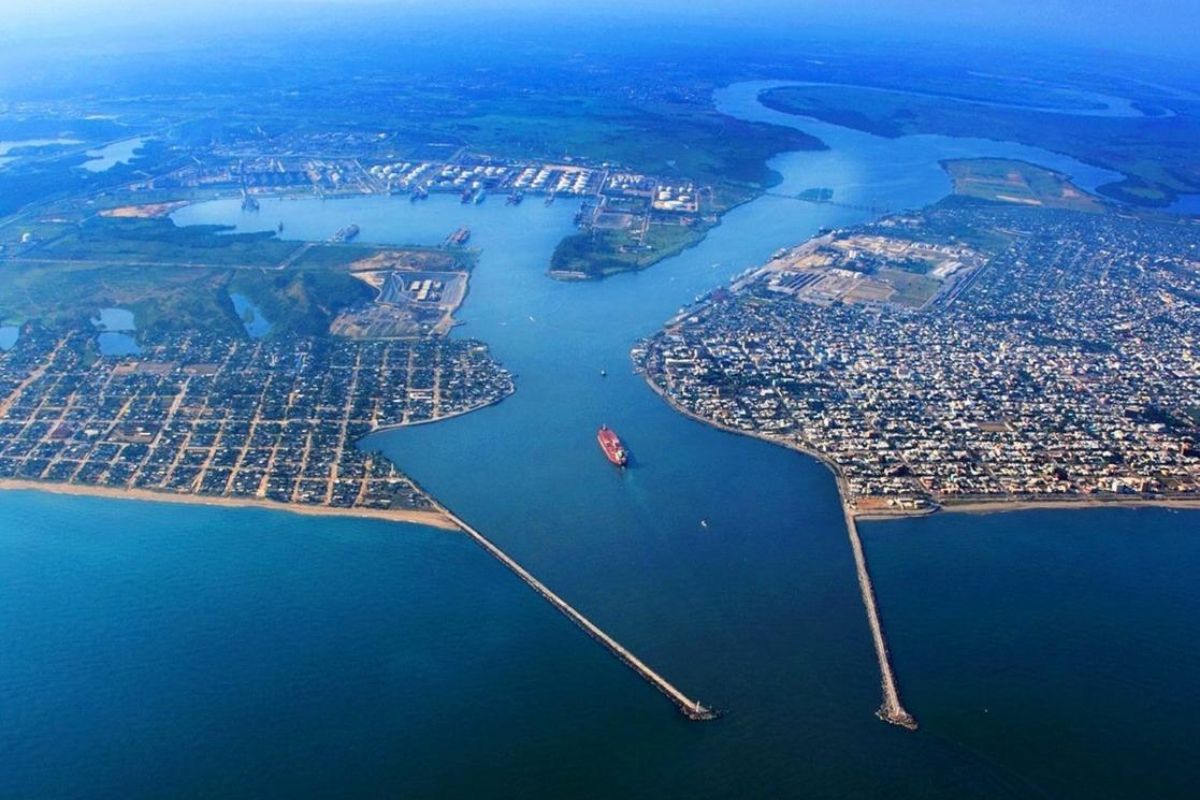
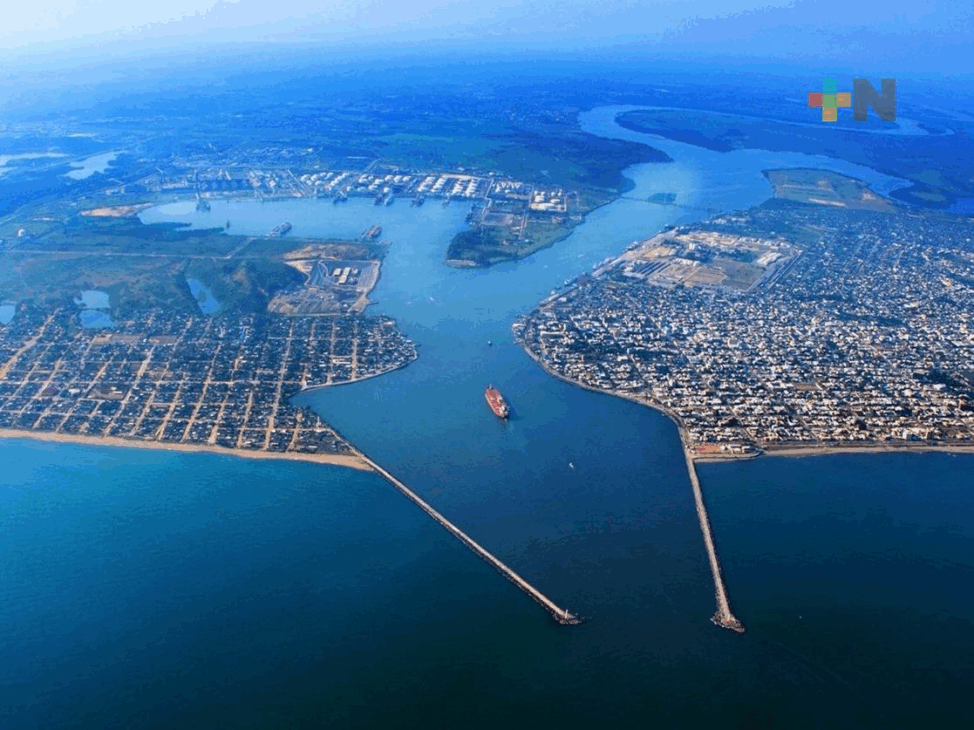
In light of this, Mexico decided to invest in a modern land solution: a railway line between the ports of Salina Cruz (Oaxaca), on the Pacific Ocean, and Coatzacoalcos (Veracruz), on the Gulf of Mexico. The route, approximately 300 km long, is being modernized and is partially already operational. According to the Mexican government, the total completion is expected by the first half of 2026.
-
Congonhas receives the monorail promised for the 2014 World Cup after more than a decade of delays and becomes the first airport in Brazil with integrated subway.
-
Goodbye, concrete: a new trend in civil construction reduces the weight of the structure by up to 30%, accelerates projects by up to 40%, cuts costs on steel and labor, and improves thermal insulation with EPS.
-
Russian engineers create an innovative propeller blade for aircraft that could completely change the way airplanes and helicopters operate.

-
Couple finishes building PVC chalet on the beach on the last day, with air conditioning and curtains, but discovers the bathroom drain is inverted: water escapes from the drain, risking breaking the floor, and the rush continues before the trip.


In April 2025, a large-scale pilot operation was successfully carried out, transporting 900 Hyundai vehicles between the two ports in just 72 hours. The result: a drastically lower time than the 15 to 20 days required to cross the Panama Canal with the same type of cargo, considering waiting time and maritime route.
Technology, Investments And Regional Impacts
The new Mexican logistics corridor is not only faster. It also represents an attempt to reposition the country in the global geopolitical landscape. According to an article from The Logistics World, the CIIT offers advantages in time and cost that could transform the isthmus region into a new strategic industrial hub for global companies interested in moving production between the world’s two largest markets: North America and Asia.
The South Korean giant Hyundai, the sixth largest vehicle manufacturer in the world, has already expressed support for the project with concrete actions. The company indicates interest in expanding its operations in the region, which could attract a global production chain around the rail corridor.
In addition to the logistical gain, the socioeconomic impact is also significant. According to estimates by the Mexican government itself, the project is expected to generate up to 50,000 direct and indirect jobs in the southern-southeastern region of the country, traditionally marked by high rates of poverty and unemployment. The plan also includes the creation of 10 industrial hubs along the railway, with tax incentives to attract international companies.
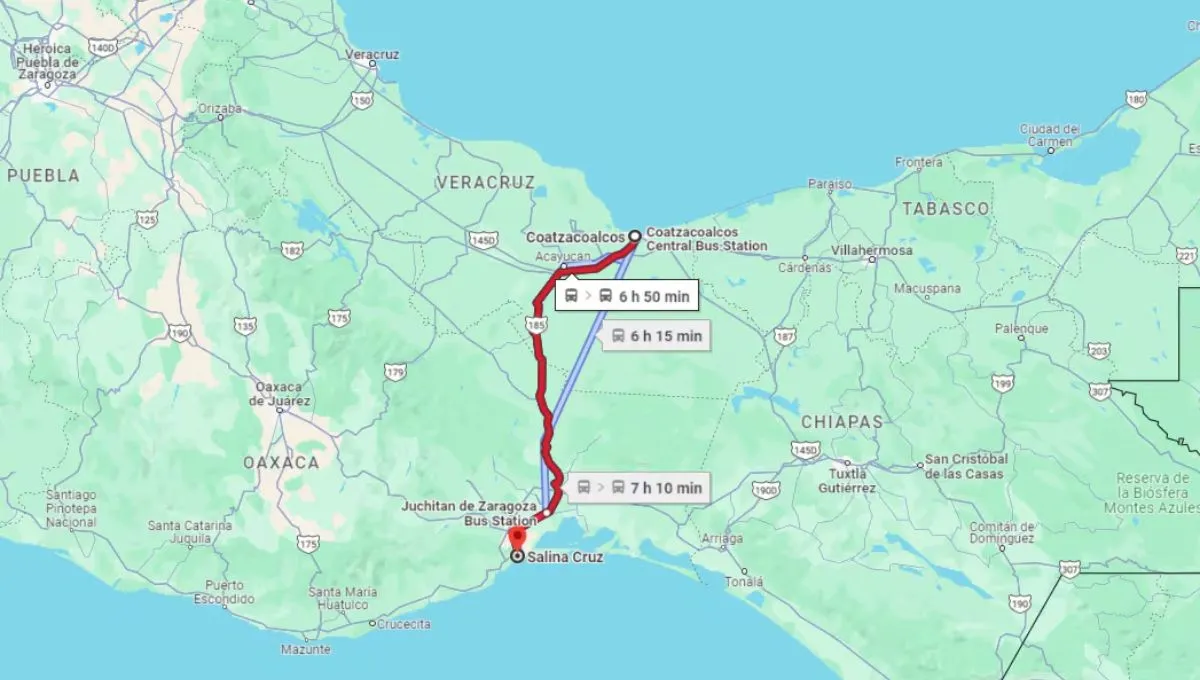
A Modern Alternative In The Face Of The Panama Canal Challenges
While the Panama Canal continues to face traffic restrictions due to a lack of rainfall and rising operational costs, the Mexican corridor positions itself as a modern, resilient, and economically attractive land solution.
The initiative to connect oceans by land is not new — it had been considered in previous centuries — but is now gaining traction in a context of global logistics instability, trade wars, and restructuring supply chains. And, unlike utopian megaprojects like the Nicaragua Canal, the Mexican plan is tangible, has a defined schedule, and has already started to yield concrete results.
For Brazil, the leading economy in Latin America, the existence of a new efficient route between the Atlantic and Pacific may bring future opportunities. Products exported via North and Northeast ports could gain new connection alternatives with Asia, especially if there is regional integration among Latin American logistics systems.






México, na América Latina aí pegou heim
Não sabia disso, fico feliz dessa alternativa que irá trazer benefícios para grande parte da população
Um navio leva até o porto. E tem leva até o outro oceano. E lá no outro oceano? Contrata se outro navio???