





 Portuguese
  English
  Spanish
  4 min of reading
  7 comments


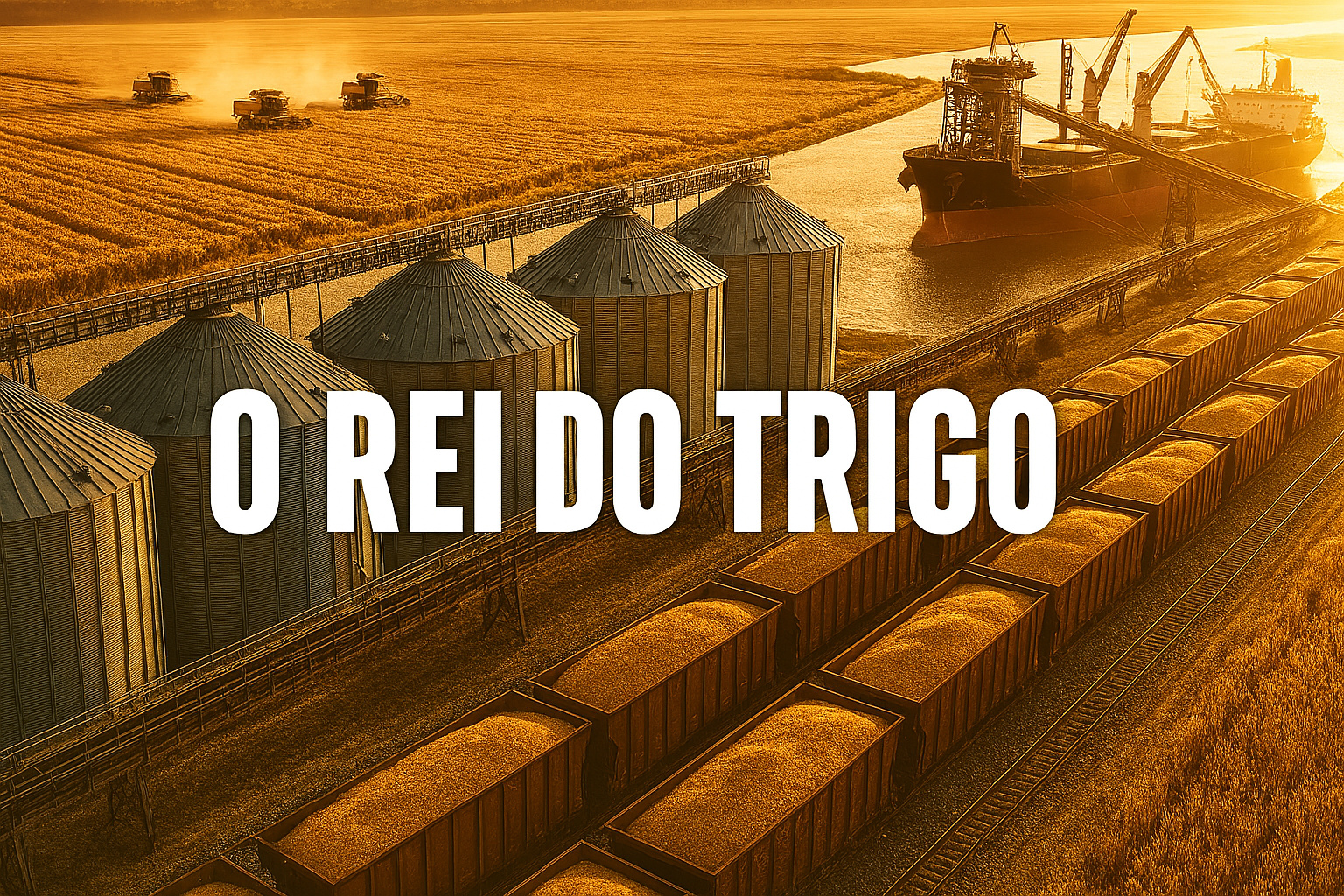


Russia Dominates The Global Wheat Market, Exporting Tens Of Millions Of Tons Per Year And Supplying Europe, Africa And The Middle East With Strategic Logistics.
Few foods are as strategic to global food security as wheat. The basis for producing bread, pasta, cookies, and countless industrialized products, the cereal is directly linked to the social and economic stability of dozens of countries. In this scenario, Russia has established itself as the world’s leading wheat power, taking a dominant position in both production and, mainly, in exporting the grain.
In recent harvests, the country has produced volumes exceeding 90 million tons per year, regularly exporting between 45 and 55 million tons, numbers that place Russia ahead of traditional competitors such as the United States, Canada, European Union, and Australia. This leadership is not only explained by its territorial size but by a combination of agricultural productivity, strategic logistics, and geopolitical positioning.
How Russia Became The World’s Leading Wheat Power
The Russian turnaround in the wheat market began to solidify in the 2000s when the country started to invest heavily in modernizing agriculture after the collapse of the Soviet Union. Regions such as Krasnodar, Rostov, Stavropol, and Volgograd became true production belts, with fertile soils, favorable climates, and a growing adoption of agricultural technology.
-
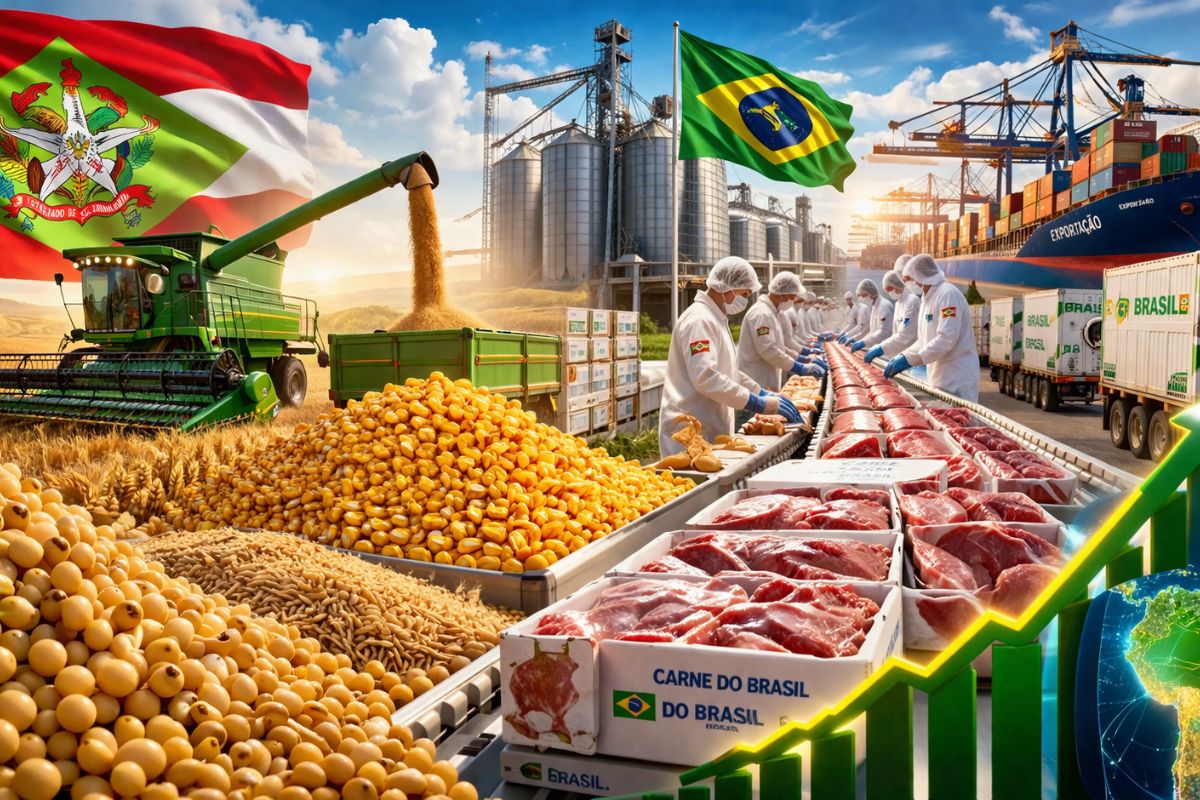
Santa Catarina harvested 7.85 million tons of grains and exported 2 million tons of meat in 2025: a growth of almost 6% in the food industry, which is four times higher than the national average and drives the entire Brazil.
-
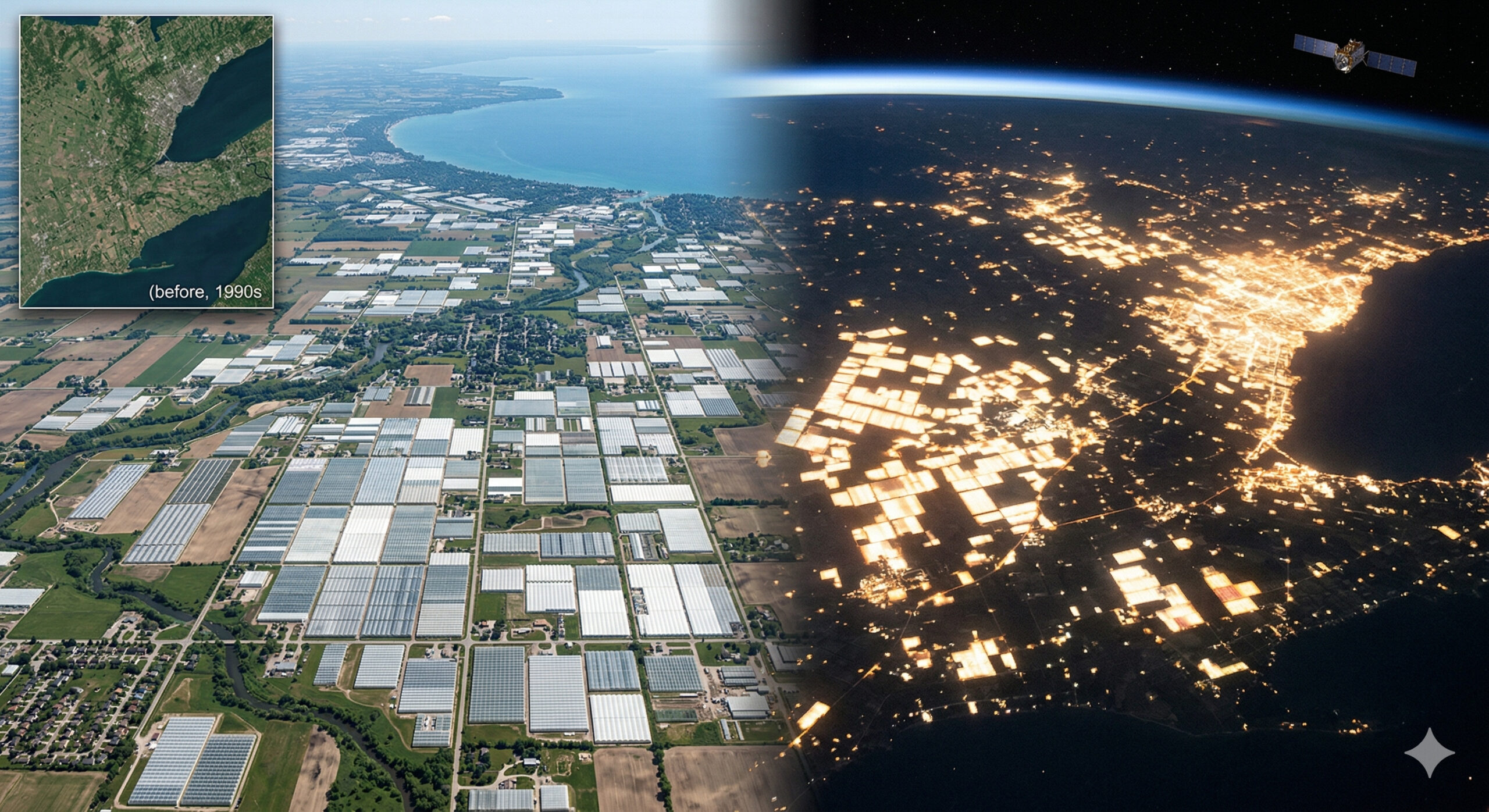
The expansion of greenhouses in southern Canada has become so intense that it has changed the appearance of the soil and even the nighttime glow of the region, transforming Ontario into one of the most visible agricultural hubs in North America from space.
-
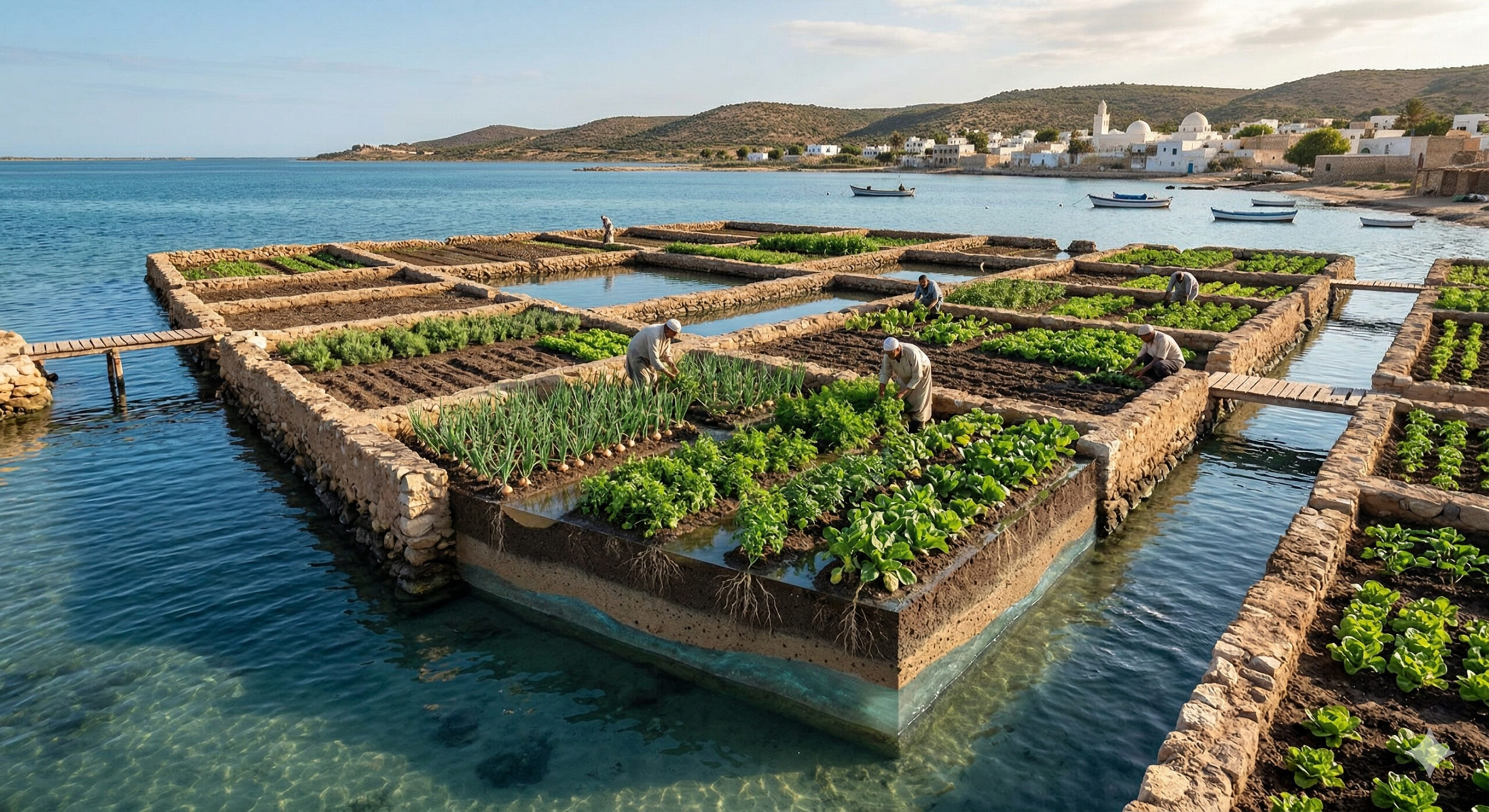
Almost nobody imagines it, but farmers in Tunisia grow food in the sand and make the roots drink fresh water that floats on top of seawater in an agricultural system considered unique in the world.
-
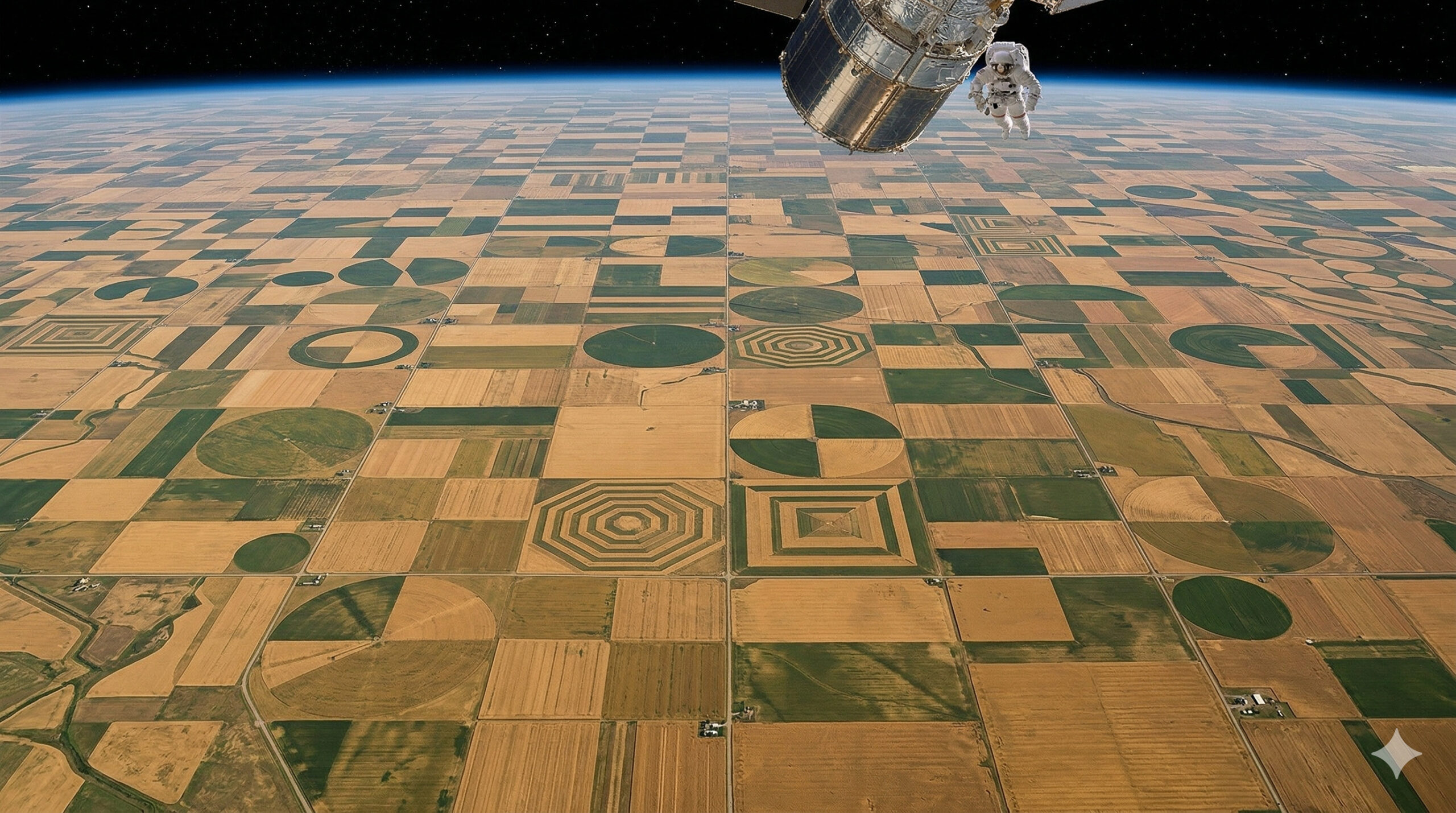
More than 20,000 km² of wheat fields form nearly perfect lines and geometric shapes in Montana, creating an agricultural pattern so symmetrical that the landscape looks like an abstract artwork visible from space.

Russian wheat benefits from large continuous expanses of farmland, allowing production on a continental scale, intensive mechanization, and lower average costs per ton produced. This factor is crucial for the competitiveness of the grain in the international market.
Gigantic Production And Exports That Shape The Global Market
Currently, Russia accounts for about 20% to 25% of all wheat traded in the world. In some specific markets, such as North Africa and the Middle East, this share is even greater. Countries like Egypt, Turkey, Iran, Algeria, and Bangladesh are among the main buyers of Russian wheat.
The impact is so relevant that any variation in the Russian harvest—whether due to climate, internal politics, or trade restrictions—triggers immediate fluctuations in international prices, affecting everything from large industries to end consumers in importing countries.

Logistical Operations That Connect Three Continents
One of Russia’s great assets is its wheat-focused export logistics. The country operates efficient corridors that link producing regions to the ports on the Black Sea, especially Novorossiysk, Taman, and Rostov-on-Don.
From these terminals, the grain is shipped via bulk carriers to Europe, Africa, and the Middle East, directly covering three continents.
This geographical position reduces freight costs to strategic markets, making Russian wheat extremely competitive compared to producers located further from major import centers.
Comparison With Other Major Global Producers
While countries like the United States, China, and India also harvest significant volumes of wheat, there is a fundamental difference: a large part of the production in these countries is consumed domestically.
Russia, on the other hand, directs a much larger portion of its harvest to the external market, making it the primary effective international supplier.
The European Union appears as a relevant competitor but faces higher costs, strict environmental regulations, and fragmented production among several countries, making it difficult to respond as aggressively as Russia in the global market.
The Geopolitical Role Of Russian Wheat
More than an agricultural commodity, wheat has become an instrument of international influence. For countries highly dependent on imports, ensuring a regular supply of the cereal is a matter of social stability.
In this context, Russia has taken on a strategic position, especially in sensitive regions like North Africa and the Middle East.
This centrality has become even more evident in recent years, as conflicts, sanctions, and climatic instabilities have placed global food supply under pressure.
Challenges And Limits Of This Leadership
Despite current dominance, Russian leadership is not free of risks. The sector heavily depends on favorable weather conditions, continuous logistical infrastructure, and unrestricted access to international markets.
Furthermore, economic sanctions, geopolitical conflicts, and changes in trade routes can affect the export flow.
Still, even in the face of these challenges, the country maintains a production and distribution capacity that few competitors can match.
By producing and exporting tens of millions of tons per year, Russia not only leads a market. It feeds entire populations, influences global prices, and plays a central role in the geopolitics of food. In an increasingly sensitive world to supply crises, Russian wheat has become one of the silent pillars of the global economy.






Se a Rússia não tivesse perdido tantas décadas com economia planificada por burocratas soviéticos, mas deixado o livre mercado interno florescer e usado o incentivo governamental para alimentar a concorrência interna, talvez hoje fosse uma das economias entres a primeiras, à frente de Japão, Alemanha e disputando o primeiro lugar no mundo da economia.
A Rússia é forte na produção de alimentos,especialmente na produção de trigo e o país é grande em territorial e o clima é muito favorável
Estão precisando de revisor de texto e redator?
Ia falar a mesma coisa.