





 Portuguese
  English
  Spanish
  5 min of reading
  5 comments


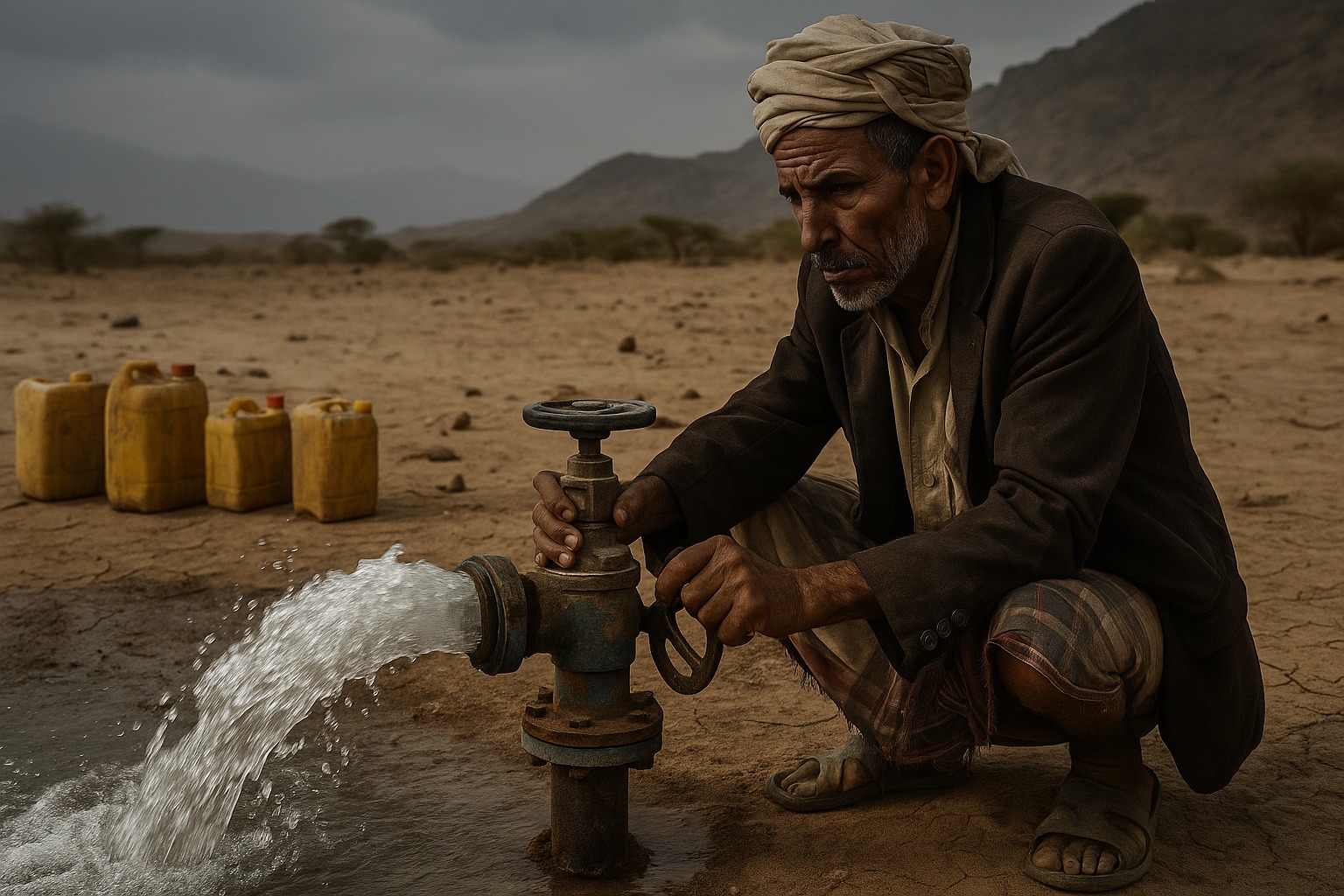


The Annual Water Supply of Only Between 80 and 140 m³ Per Year Per Inhabitant, Agricultural Pressure and War Reveal How Yemen Depends on Deeper Wells
The average availability of water in Yemen has dropped to extreme levels as each inhabitant accounts for only between 80 and 140 cubic meters per year, far below the regional 1,000 cubic meters. The difference exposes a severe picture of water stress.
The aquifers sustain the country. However, groundwater levels have plummeted over decades without effective control.
This reinforces the idea that the poorest country in the Arab world has also become the most water-scarce, a situation that worsens with each season.
-
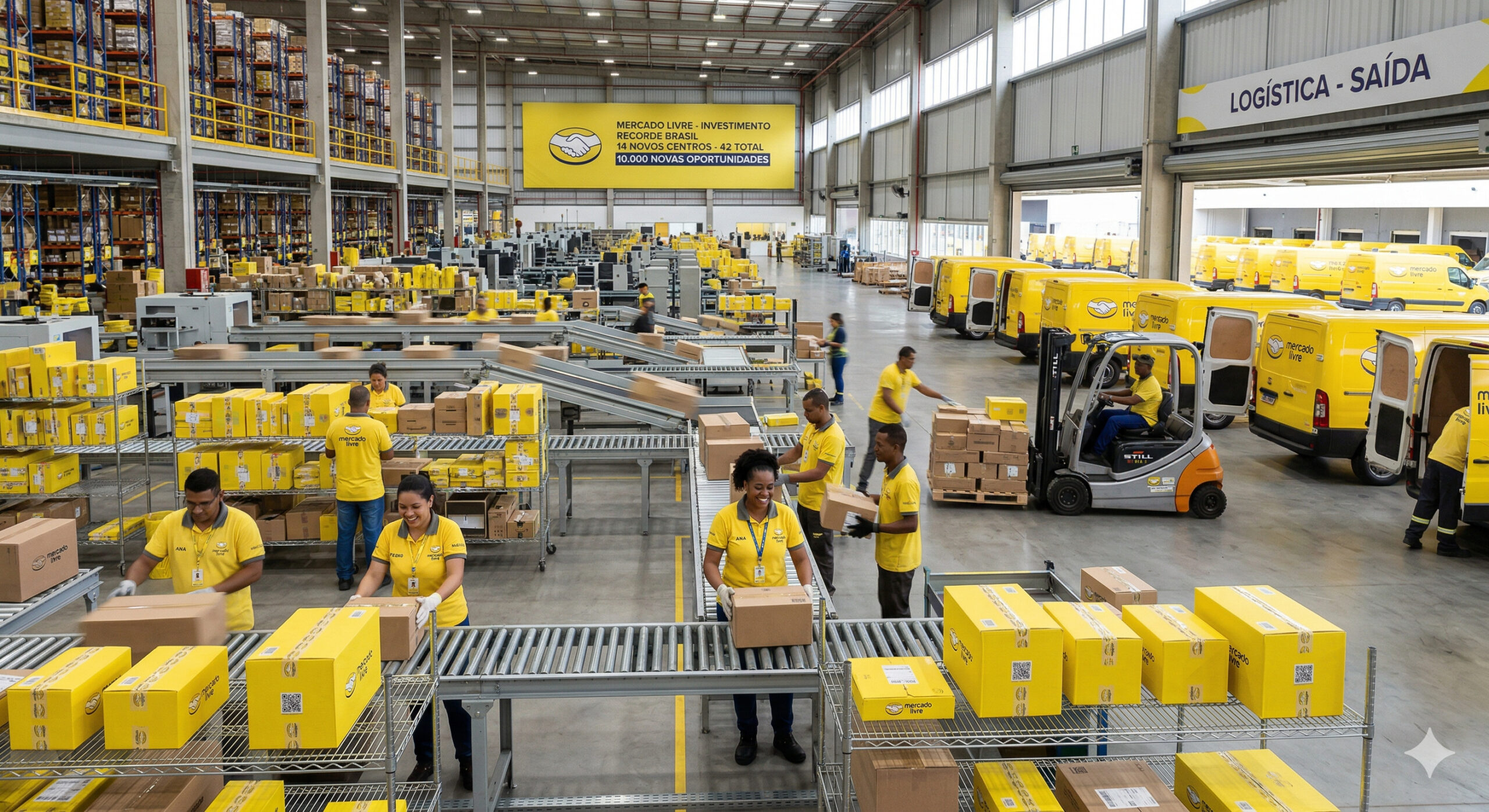
Mercado Livre “opens the vault” and announces a record investment of R$ 57 billion in Brazil in 2026, a value 50% higher than the previous year, with an expansion plan that includes 14 new logistics centers, totaling 42 units in the country and hiring an additional 10,000 employees.
-
How investment in technology can revolutionize the national economy and enhance industrial gains, according to a study that highlights the direct impact on productivity, innovation, and wealth retention within Brazil.

-
The largest food company on the planet, JBS, has just opened a 4,000 square meter laboratory in Florianópolis to develop customized proteins that modulate muscle mass gain, immune response, and metabolic performance.

-
After nearly 30 bids and competition among industry giants, a Spanish company purchases one of the largest airports in Brazil for almost R$ 3 billion and takes over the management of Galeão in a concession that will last until 2039.


Accelerating Decline of Groundwater Levels
In the 1970s, Sana’a had water at 30 meters deep. By 2012, some areas already depended on drilling that reached 1,200 meters.
The leap reveals unviable costs and pressures communities unable to maintain such deep systems.
Renewable resources amount to 80 m³/year per person. Total demand reaches 3.4 billion cubic meters.
Therefore, the imbalance against the 2.5 billion renewable deepens the annual decline of the aquifers.
The reduction in levels varies widely. In Tuban Abyan, it drops about 1 meter per year. In the Sana’a basin, between 6 and 8 meters annually.
The pace confirms alerts about the risk of the country literally running out of usable water, something experts have been repeating for some time.
Dependence on Privately-Owned Wells Without Regulation
The country houses between 45,000 and 70,000 wells, many without licenses. Most are in private hands and hinder any coordinated management.
Moreover, the dependence on deep artesian extractions is growing, both for direct consumption and for irrigation.
Agriculture uses about 90% of the available water. It contributes only 6% of GDP but sustains countless families.
Therefore, small producers operate pumps intensively to maintain crops even in arid areas, generating a cycle of overburden on the aquifers.
Intensive Use for Khat Cultivation
Half of the agricultural water comes from scarce aquifers directed towards khat. The narcotic plant absorbs 37% of the total used for irrigation.
The cultivation does not feed the country but remains sustained by internal demand. Thus, water use grows where the supply already proves insufficient.
On the coast between Mukalla and Aden, communities depend on wells less than half a mile from the shore. They capture layers of fresh water that float above the sea.
These fragile reservoirs are fed by runoff from the highlands and increasingly irregular rainfall.
Limited Access in Rural Areas
In most rural areas, piped water is an exception. Many families use wells or cisterns.
Women walk up to two hours each way, twice a day, carrying containers on their heads or on donkeys, a routine that drains and limits income and education.
In 2011, estimates showed that 55% of the population had access to improved water and 53% to sanitation.
Yet there was a significant disparity between urban and rural areas. This scenario repeats, as improvements advance at an uneven pace.
Marked Differences Between Cities and Villages
In rural areas, only 47% had improved water and about 33% had sanitation. In cities, the rates reached 72% and 93%, respectively.
Even so, there was frequent intermittency and networks prone to failures, something that consumers have come to consider normal.
In Taiz, the public network delivers water once every 40 days. This pushes families to seek trucks for water from private wells.
The quality is questionable. In Ibb and Bajil, distribution occurs only once a week, which reinforces precarious domestic storage.
Positive Perception Despite Failures
A 2008 survey in seven cities showed that 88% of customers were satisfied. About 77% drank tap water.
Expectations were so low that many considered intermittency acceptable. This data reveals how the population adapts to the persistent scarcity scenario.
The country has more than 17 urban sewage treatment plants and over 15 rural ones. Many systems use stabilization ponds, Imhoff tanks or activated sludge. However, there are units that do not meet standards for fecal coliforms.
Insufficient Modernizations
The largest plant, located in Sana’a, was completed in 2000. Between 2003 and 2005, it underwent modernization after operational problems and unpleasant odors.
Even with these improvements, the reuse of treated and untreated effluents remains common in agriculture.
Hospital waste continues to go untreated. The result is an environment vulnerable to recurrent contaminations, which increases risks in regions with faulty networks.
War Intensifies the Water Crisis
After 2015, the civil war worsened the situation. About 80% of the population began facing difficulty obtaining drinking water and maintaining hygiene.
Bombings displaced residents and overloaded wells in zones considered relatively safer.
Infrastructure was hit. In January 2016, attacks destroyed the desalination plant in Mokha.
The impact interrupted the supply in the city itself and in Taiz. This increased dependence on water trucks and vulnerable wells.
Costs Multiplied During the Conflict
With the conflict, 20 million people began to need water and sanitation, 52% more than before.
Many families spend a third of their income just to obtain minimal water. It is an unsustainable cost for a large part of households.
In 2018, water supplied by trucks in Sana’a cost seven times the public rate. In Aden, prices were 25 times higher. Untreated water reached 7.30 dollars per cubic meter. Desalinated water could reach 20 dollars.
Epidemics Related to Water Scarcity
In June 2017, the country faced the worst cholera outbreak in the world. The lack of safe water and sanitation was decisive.
More than 2,000 deaths occurred between April and August. Dengue and malaria also increased because makeshift storage creates environments conducive to mosquitoes.
Sana’a is seen as a possible first global capital to run out of water. Wells already range from 790 to 1,190 meters. The 125 state wells meet only 35% of demand, which pressures private networks and water trucks.
Studied Alternatives and Practical Limits
Reverse osmosis kiosks have emerged to purify groundwater. They charge more, but many residents consider the treatment indispensable.
Another proposal is to pump desalinated water from the Red Sea over 249 kilometers, overcoming mountains of 2,700 meters.
The journey to Sana’a would raise the cost to about 10 dollars per cubic meter. In 2007, Minister Abdulrahman al Eryani stated that the local basin consumes water ten times faster than it is replenished. He suggested relocating residents to the coast as a preventive measure.
Legal Framework and Regulatory Challenges
Since 2002, a law has been attempting to organize resources and decentralize services. However, regulation is weak because political and tribal pressures hinder control over drilling and extraction. Rural systems remain expensive, oversized, and often inoperative.
With the war, UNICEF and other organizations have begun prioritizing trucks, reservoirs, solar systems, chlorine, latrines, and quick actions against cholera. The aim is to prevent total collapse.
Today, the country survives thanks to thousands of artesian wells and aquifers in constant decline. The combination of overuse, poverty, conflict, and drier climate creates a real risk of running out of water too quickly for millions of Yemenis.
The data in the article is based on this Wikipedia article.








De o governo brasileiro la na decada de 1976, tivesse CAPTADO a ideia de MUAMAR EL KADAFI, jz teria construído um Estação de Captação, tratamento, distribuição, abastecimento nacional e ate de venda de água para o mundo a 1 real o galão de 20, -( que aqui mesmo em BH, a indaiá, ja esta custando 22 reais)- o Porto de TUBARAO el VITORIA, estaria lotado de super navios de 300, 400 mil tonelada. Aguardando sua vez para transportar, agua para: chade, iran, yemen e outros paises
A água está se acabando… Santo Deus, quanta ignorância! E como a água se acaba?
Poso adeciano? Nova técnica de explorar água subterrânea?