





 Portuguese
  English
  Spanish
  9 min of reading
  0 comments


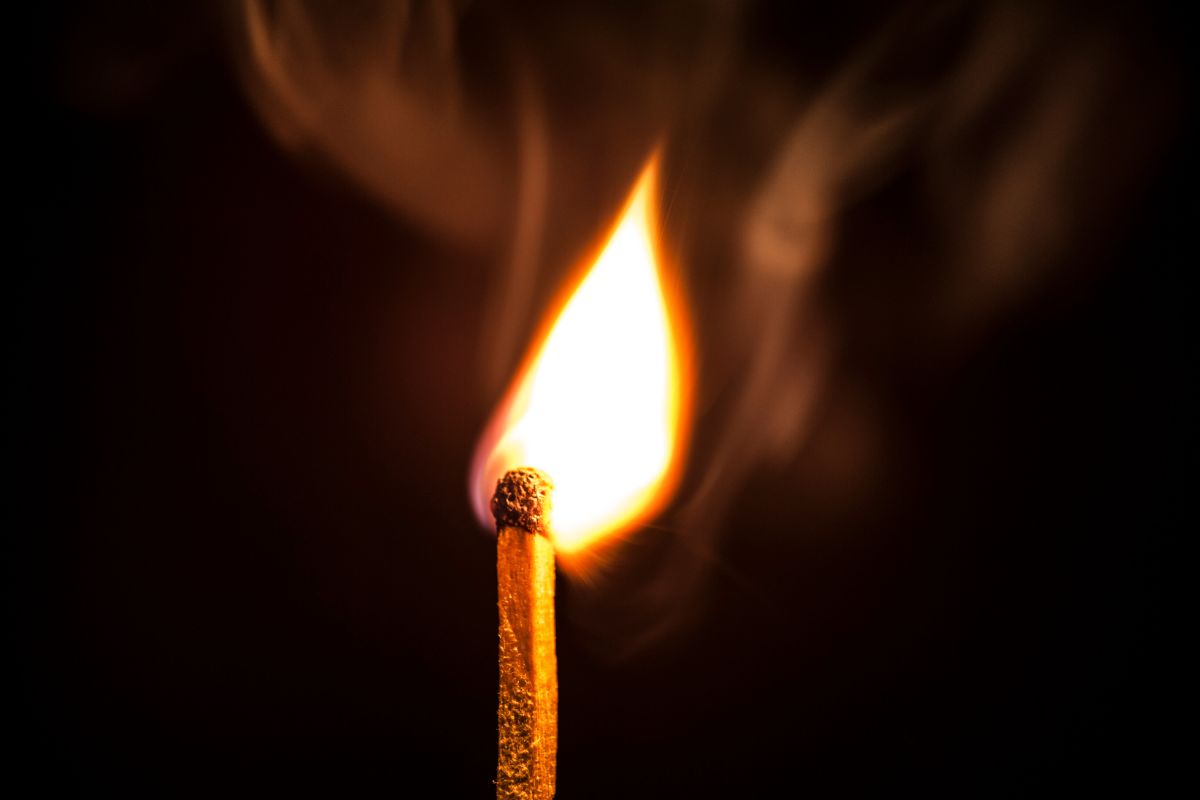
A Simple Matchstick In Your Drawer Has Been Responsible For One Of The Greatest Revolutions In Humanity. Discover How A Laboratory Accident In 1826 Forever Changed The Way We Live, Why Matchboxes Can Be Worth Thousands Of Reais, And The Most Unusual Applications You Never Imagined For This Little Giant!
Have you ever stopped to think about the last time you held a matchstick? Do you know what I discovered? This seemingly simple little thing has such an incredible history that it will leave you in awe. Just imagine: you’re there, wanting to light a romantic candle or turn on the stove to make that special breakfast, and you simply strike a matchstick. Done! Fire right away. It seems normal, but our great-grandparents would be amazed by this “magic” that we do without even thinking twice.
Today, I want to tell you a story that will completely change the way you see this common object. Get ready to discover how the matchstick revolutionized our lives in a way you never imagined.
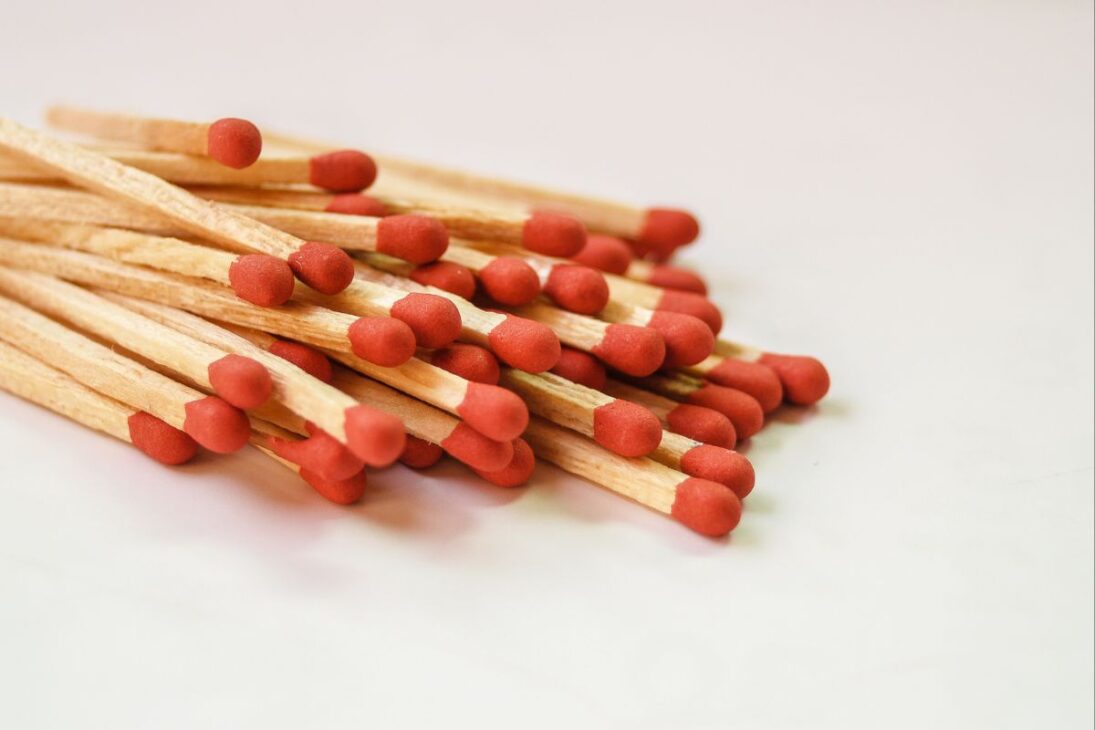
Before The Matchstick: A Time Nothing Easy To Live
Let’s take a trip back in time. Imagine you living 300 years ago. It’s dark, you need fire to cook, stay warm, or simply see something. People had to rub stones, use dry pieces of wood, doing a whole workout to get a flame. And it didn’t always work on the first try. Many times it took hours to get a fire going. So, when they finally succeeded, they did everything to keep it from going out.
-
Tourists on Everest were poisoned by guides who mixed substances in food to provoke false symptoms of altitude sickness while helicopter operators and hospitals charged inflated rescue fees to insurance companies.

-
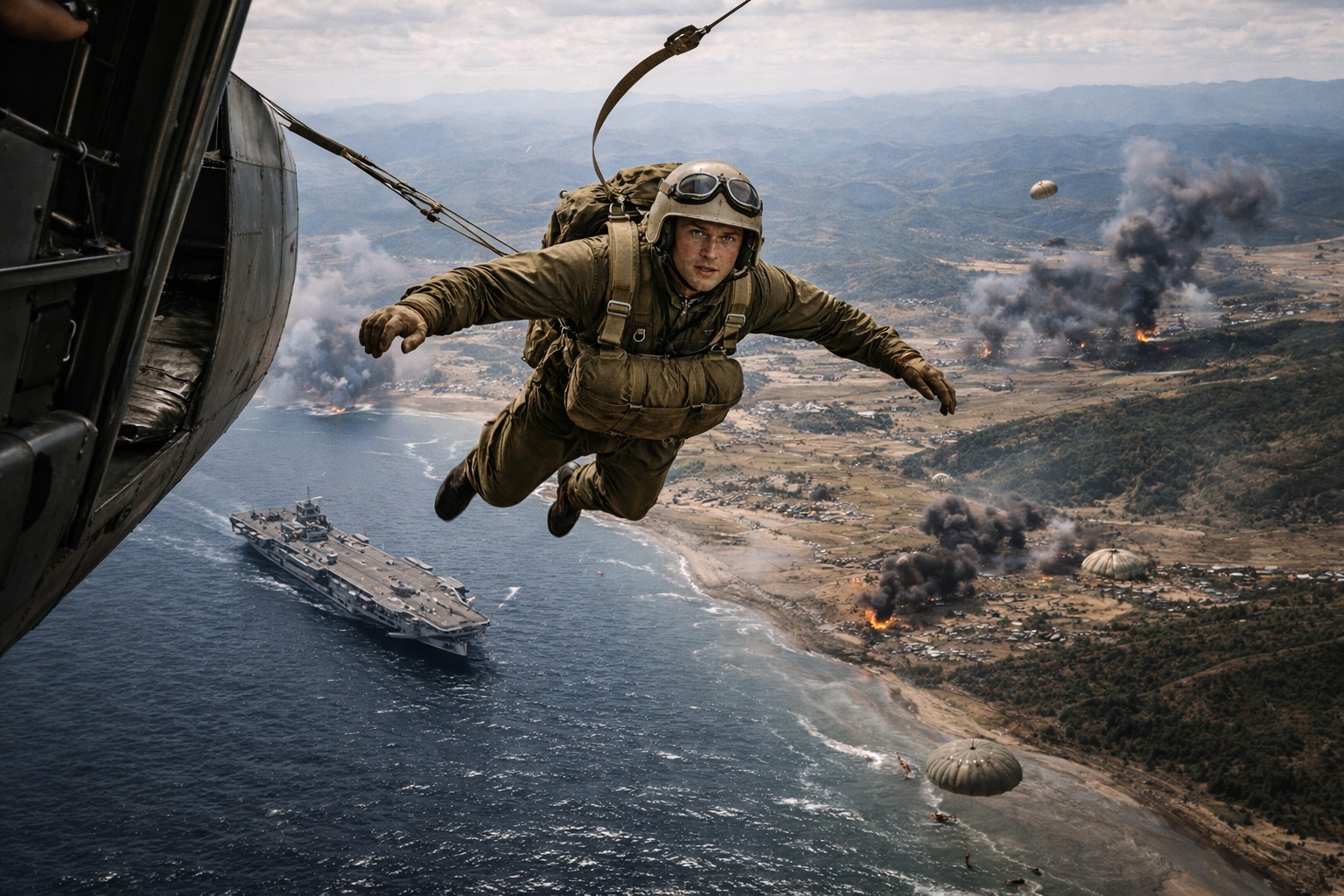
Few people know this, but Neil Armstrong, one of the most famous NASA astronauts in history, survived the Korean War after jumping from the plane during his seventh combat mission aboard the USS Essex aircraft carrier of the United States.
-
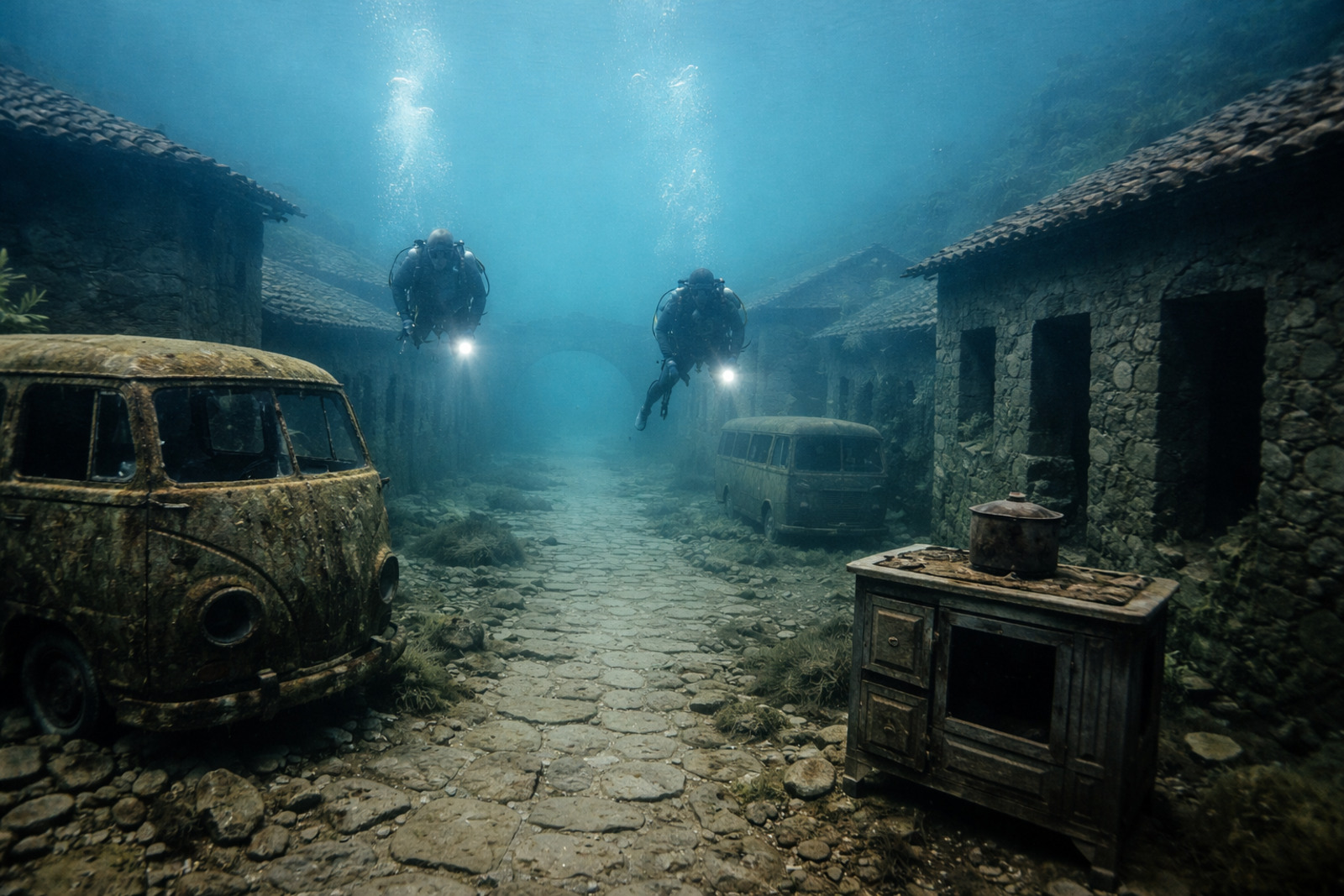
Diving with a camera in Lake Furnas reveals a submerged city with an entire street, almost intact houses, a preserved bridge, a wood stove, a Kombi, and even a bus at the bottom of the largest lake in the Southeast.
-
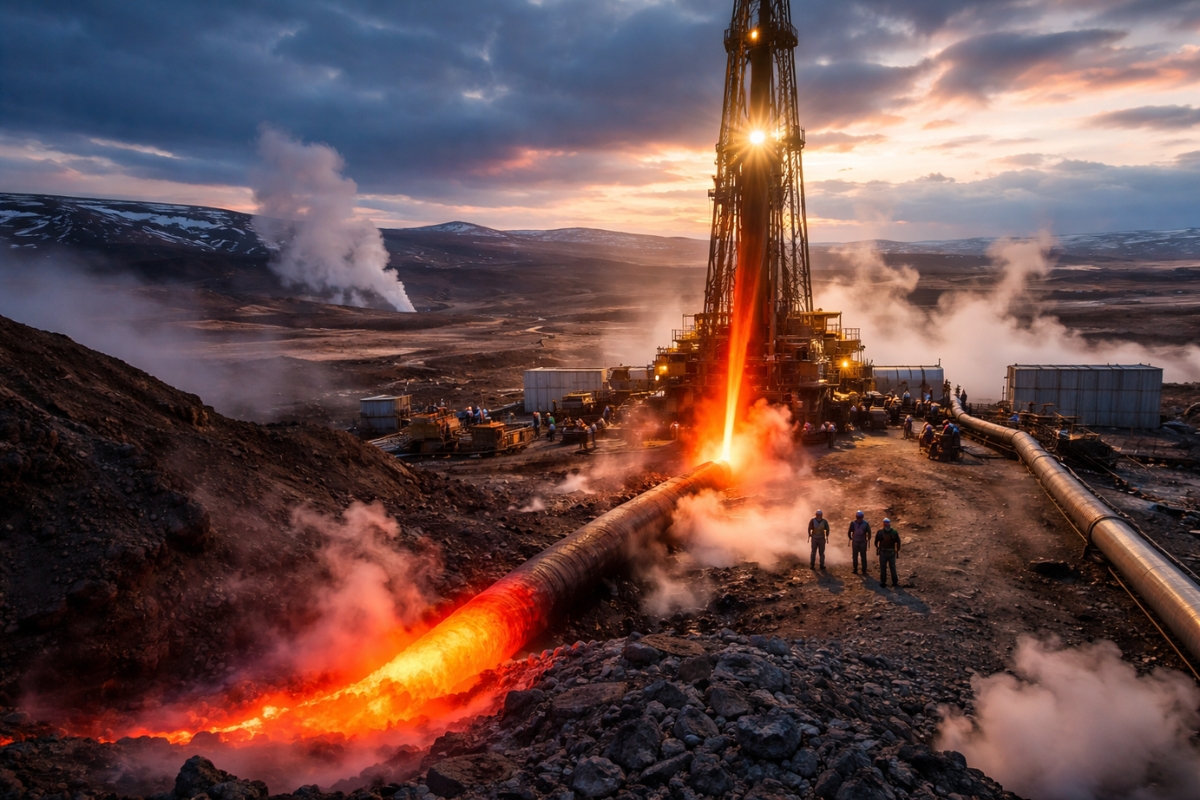
Iceland accidentally drilled into a magma pocket at 2,100 meters and revealed that the extreme heat beneath the crust could pave the way for a new source of continuous energy.
Think about the situation: you got home after a tiring day, wanted to make a warm meal, but first had to spend hours trying to light the fire. What a hassle. Thankfully, today we have the matchstick to save us from all that work.
How The First Matchstick Was Born
Now comes the most interesting part of the story. It all started with a man named Hennig Brand back in 1669. This story is so unusual that it seems like a lie, but it’s true. The man was trying to discover how to make gold and ended up discovering a substance that glowed in the dark.
But the real hero of our story is John Walker, an English pharmacist who, in 1826, made a completely accidental discovery. He was mixing some chemicals in the lab when, accidentally, he scraped a dirty matchstick on the bench. And guess what? The stick caught fire right away!
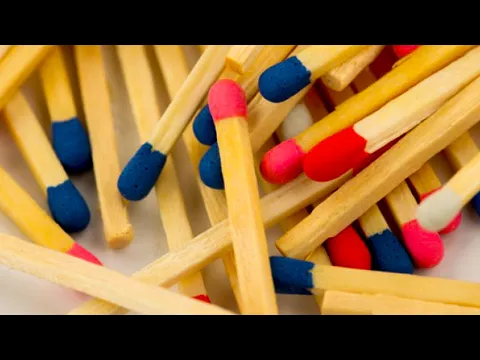
Can you imagine Walker’s surprise? It must have been something like, “Whoa, what happened here?”. But he was smart and realized he had something revolutionary in his hands. He started making more sticks like that and called them “Congreves.” Later, people began to call them “Lucifers.” The most interesting part is that Walker never patented the invention. He simply let everyone use and improve on the idea.

The Revolution Of The Safe Matchstick
Now comes a somewhat scary part of the story. The first matches were somewhat dangerous. They could catch fire by themselves, out of nowhere. Imagine you keeping a box of matches in your pocket and suddenly it catches fire?
That’s when Gustaf Erik Pasch, a Swedish chemist, came onto the scene with a brilliant idea in 1844. He thought, “Why not separate the ingredients?”. So, he put one part of the “recipe” on the stick and the other part on the box’s striking surface. The result? The matchstick only caught fire when you struck it on the right surface!
Then came the Lundström brothers, who perfected everything and created the safety matches we know today. They were so good at what they did that their company, Swedish Match, dominated the global market for decades. It still exists today and is the leader in the industry.
How The Matchstick Changed Everyone’s Life
This is where the story gets really exciting. When the matchstick became popular in the 19th century, it was a total revolution in people’s lives. Before, only those with money could keep a fire burning all the time because they needed servants to manage it constantly.
Suddenly, anyone could have fire whenever they wanted. A housewife could quickly light the stove, a worker could light his lamp, and children could help light the candles. It was a total democratization of fire.
But not everything was rosy, unfortunately. Match factories employed many women and children under very poor conditions. Many workers fell ill from hazardous chemicals. A disease called “phossy jaw” was common among them. Fortunately, over time, conditions improved a lot and today match production is much safer. But it’s important to remember this part of the history to appreciate how far we’ve come.
The Crazy Things They Did With Matches
Now comes the most fun part. Did you know that the matchstick has been used for much more than just lighting fire? During World War II, soldiers used matches as stopwatches. They calculated how long the match took to burn and used that to time explosions. Doctors discovered that used matchsticks (without the chemical part, of course!) were perfect for performing neurological exams. And dentists began using them as delicate tools in some procedures.
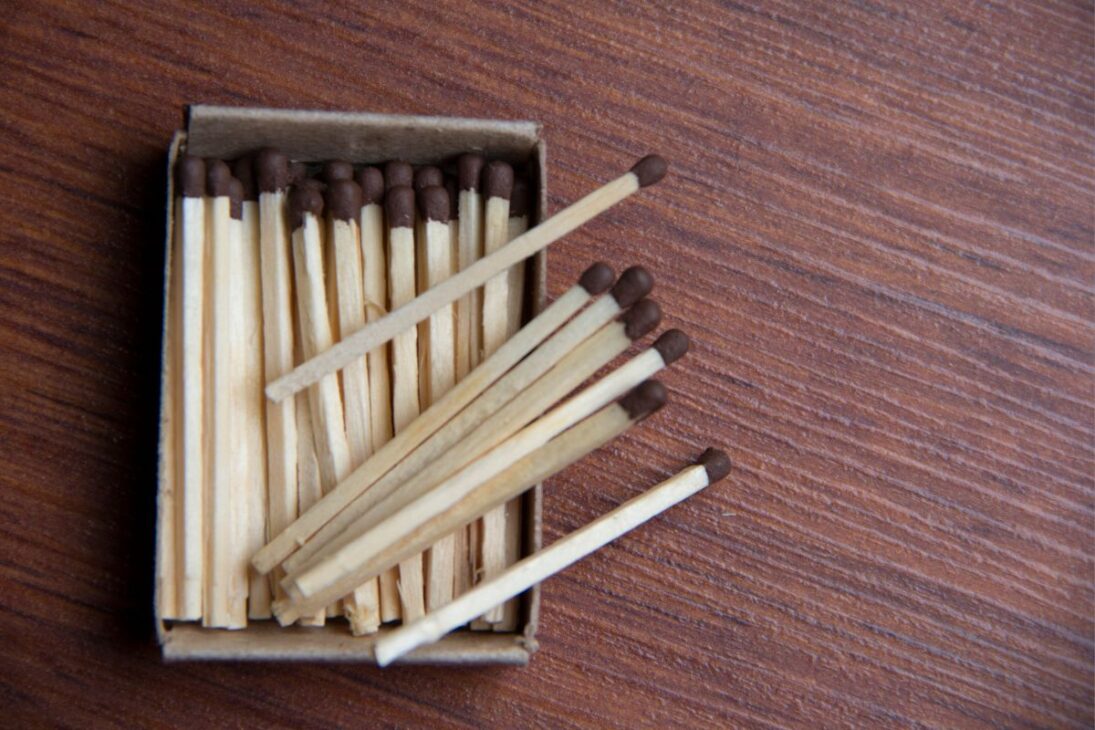
But what impresses me the most are the artists who create entire sculptures with thousands of matches. I’ve seen replicas of famous buildings, huge ships, even entire cities made only with matchsticks. It must be an incredible amount of work, but the result is beautiful. And some people collect old matchboxes. Some are worth a fortune. There are rare boxes that cost thousands of reais. Who would have thought that something so simple could become a collector’s item?
How Matches Are Made Today
Have you ever wondered how they make so many matches? Modern factories can produce millions of matchsticks a day. It’s a real production line. First, they cut the wood into tiny sticks. Then, they dip the tips into a special chemical mixture (much safer than in the past). Next, they dry everything and package it. It seems simple, but there’s incredible engineering behind it.
The cool thing is that today companies care much more about the environment. Many use reforested wood, others are testing alternative materials like recycled cardboard. There are even biodegradable matches that decompose on their own in nature. Of course, there are still environmental challenges, especially with the chemicals used in production. But it’s great to see the industry making an effort to be more sustainable.
The Future Of Matches: Do They Still Have A Place In The Modern World?
This is a question that many people ask: “Are matches still needed nowadays?”. With so many electronic lighters, automatic igniters, and other technologies, will our beloved matchstick survive? I believe so! Do you know why? Because there are situations where nothing replaces a good match. When the lights go out, when you’re camping, when you need to light a special candle… the match is always there, ready to help.
Moreover, the industry hasn’t stopped innovating. Today there are waterproof matches (perfect for fishermen and adventurers), aromatic matches that release a pleasant scent when they burn, and even versions that burn longer. There’s also the nostalgia and charm factor. It’s not the same to light a romantic candle with a lighter as it is with a match, don’t you agree? The match has a whole special romance.
Tips For Using A Matchstick
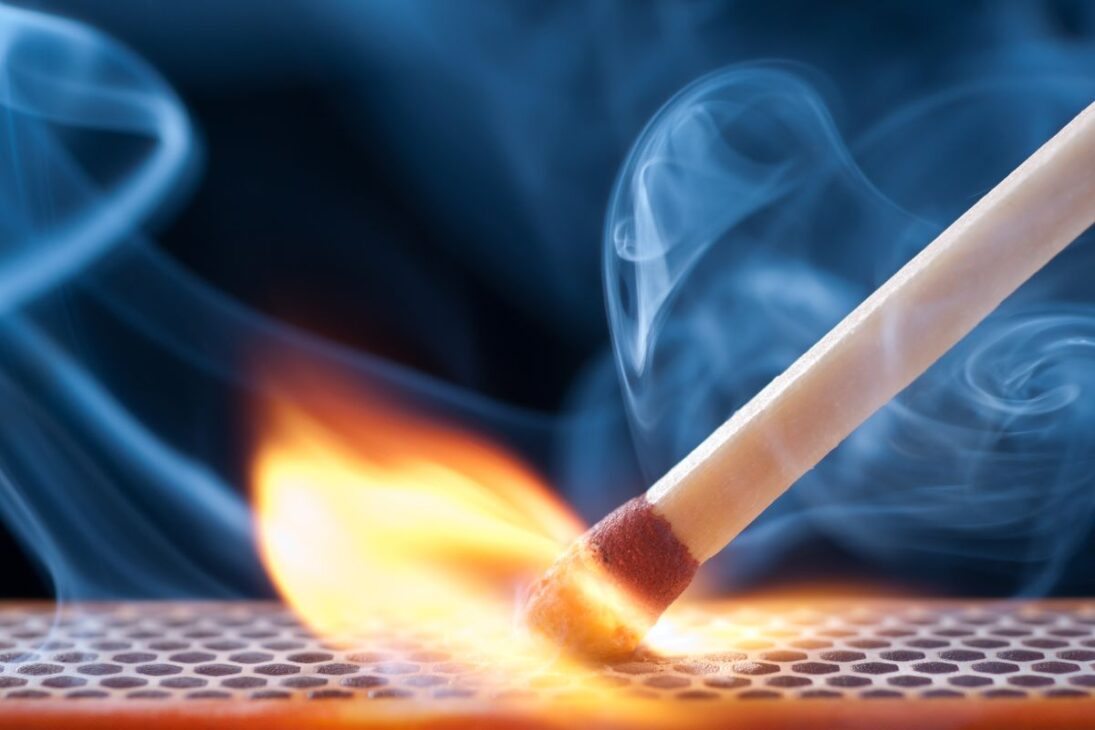
Now I’m going to teach you some essential tricks to use your matchstick more efficiently and safely. In fact, they are simple tips, but they make all the difference in the final result. Firstly: always store your matches in a dry place away from heat. This is because moisture is the biggest enemy of matches.
Then, when lighting, hold it very close to the head and then make a firm and quick motion. However, you don’t need to apply too much force or it will break, but you also can’t go too slow. In fact, it’s really a matter of practice. On the other hand, here’s a valuable tip: when the match lights, hold it slightly tilted down. This way, the flame rises along the stick more evenly, giving you more time to use it. By the way, this technique really works well.
Equally important: to extinguish, never blow! After all, this can scatter hot particles and cause accidents. So, the best is to shake it strongly or dip it in water. And even more, always, always check if it’s fully extinguished before throwing it away. Definitely, safety first!
Finally, an extra tip for emergencies: if you have few matches and need to light a campfire, first light a piece of paper or dry leaf with the match, and then use that to light larger materials. This way, it’s an intelligent way to “save” your matches.
Each Flame Tells A Story
It’s incredible how something so small and simple can carry so much history, innovation, and importance for humanity. From that curious pharmacist who discovered the invention by accident, to the artists who create masterpieces with thousands of matchsticks, every match has a story to tell. And the coolest part is that this story is still being written.
The next time you grab a matchstick to light a candle, make a barbecue, or simply illuminate a dark corner, remember this fascinating journey. You’re not just lighting a fire – you’re participating in a millennia-old tradition of mastering one of nature’s most important elements.
And you, do you have any funny or curious stories with matches? Have you ever tried making any art with them? Do you know someone who collects old matchboxes? Or maybe you have a special memory from when you were a child watching the flame dance in awe?
Share here in the comments! I love hearing personal stories, and I’m sure other readers will enjoy them too. Let’s create a big conversation circle about these little giants in our daily lives.
Most Common Questions About Matches
It’s because of the “recipe” of the match head’s chemicals. Some have ingredients that make more noise at ignition, while others are quieter. It’s like cake recipes – each one has its special way.
Better not risk it! When a match gets wet, the chemistry of the head may be altered. It might not work properly or even be dangerous. It’s best to use new matches and keep the others in a well-dried place.
A regular matchstick burns between 15 to 30 seconds, depending on size and conditions. There are some special ones that last up to a minute! That’s enough time to light whatever you need.
It’s like anything collectible! The rarer, older, and better preserved they are, the more valuable. Some boxes have beautiful designs or are from special historical events. They are like little works of art!
Wooden ones are sturdier and burn longer – ideal for lighting fireplaces and candles. Paper matches are cheaper and more eco-friendly, but burn faster. Each has its special function!






Seja o primeiro a reagir!