





 Portuguese
  English
  Spanish
  4 min of reading
  0 comments


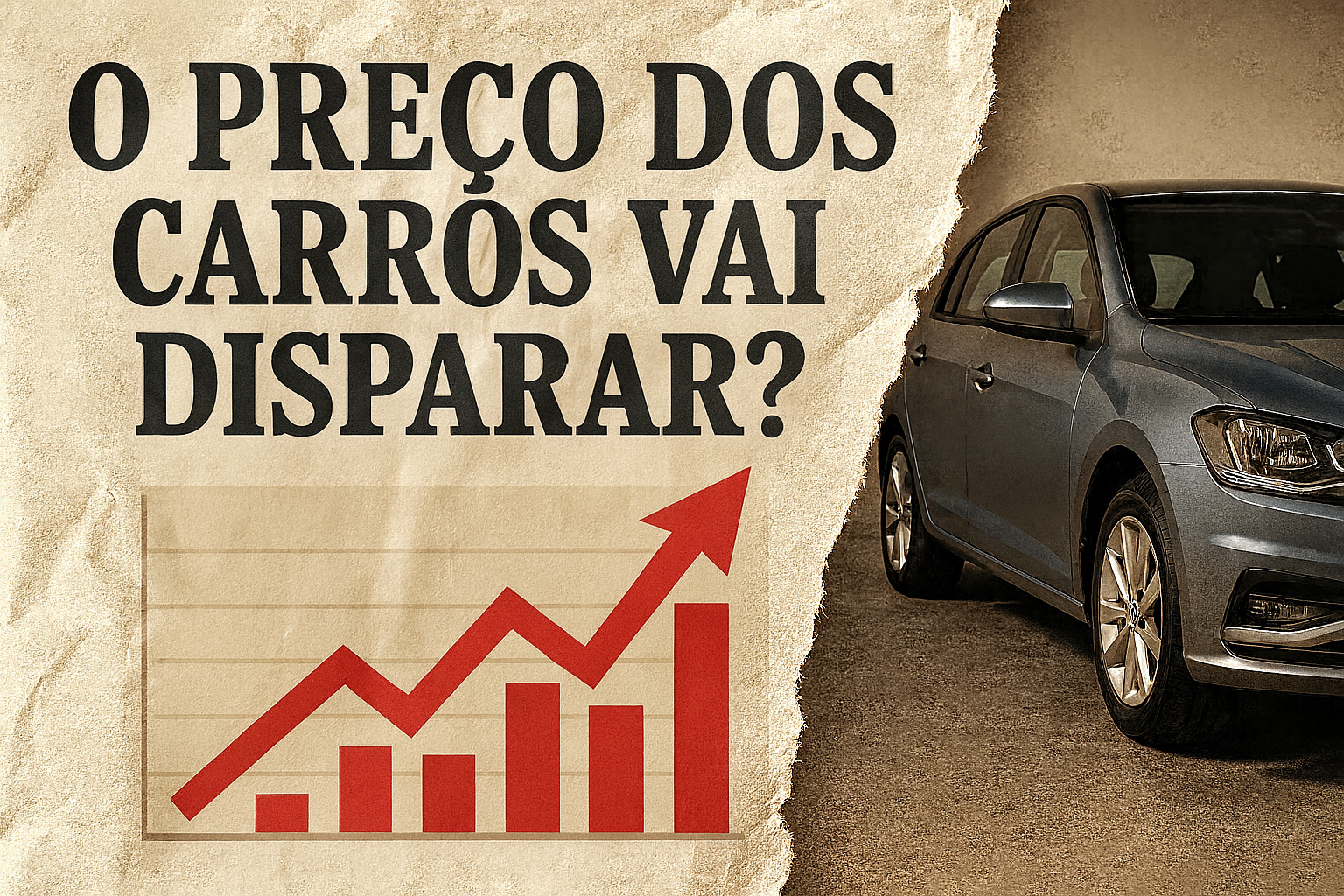
Between The Increase In The Use Of Automotive Steel, The New IPI Rules And The Impact Of The Global Tariff, The Price Of Cars In Brazil Continues To Rise And Puts More Pressure On The Population’s Wallet
In recent years, Brazilians thinking of changing cars have faced a harsh reality: prices have skyrocketed and show no signs of retreat. In 2016, for example, a Fiat Mobi cost R$ 31,900. Today, the same brand new model starts at R$ 79,060 — a rise of 148%, while the official inflation, measured by the IPCA, was 63% during this period. This difference exposes a phenomenon that directly affects consumers: the price of cars is rising well above the average of the economy.
The movement is not coincidental. Three factors combine to push prices up: more safety equipment (which increases weight and requires more automotive steel), changes in IPI (Tax on Industrialized Products), and the international tariffs known as “tariff.”
Safety And Automotive Steel: Expensive Protection
The popular car from two decades ago was simpler, lighter, and cheaper to produce. In 2000, a Fiat Uno Mille weighed 765 kg; in 2010, that number rose to 830 kg. Today’s models easily surpass the 1,000 kg mark. This weight gain is linked to the incorporation of mandatory safety equipment.
-
China alone accounts for 70% of trade within the BRICS, while Brazil establishes itself as an essential supplier of food and minerals: understand how the group, which already represents nearly 40% of the world’s GDP, is changing the game.

-
Starting in May, those who do not have registered biometrics will not be able to apply for Bolsa Família, sickness benefits, or unemployment insurance: understand the new rule that changes access to benefits for millions of Brazilians.

-
A new law being voted on in Brazil proposes a minimum fare of R$ 10 per trip and R$ 2.50 per kilometer for Uber and 99 drivers, and promises to ensure they earn as well as taxi drivers did during the golden age of taxis in the country.
-
Bauer Group collapses after failed judicial recovery: 25 years, 800 vehicles, and a network of gas stations leave a debt of R$ 50 million and 100 layoffs, exposing costs, tight margins, and expensive credit in Brazil.

Since 2014, new cars sold in Brazil must come equipped with dual airbags and ABS brakes. Starting in 2020, electronic stability control became mandatory, and in 2021 daytime running lights were introduced. The European Union has also adopted robust safety technology packages, influencing global standards.
These requirements make vehicles safer, but also more expensive. Reinforcing the structure means adding automotive steel, a material that can vary between R$ 9 and R$ 35 per kilogram. If a car has gained 265 kg compared to the model from two decades ago, this increase represents R$ 6,625 just in steel costs, considering an average price of R$ 25/kg.
Additionally, the price of the input has tripled from 2000 to 2020: the ton of rebar went from R$ 200 to R$ 600. The result is clear: the consumer pays for the sum of more equipment, more steel, and the increased value of steel itself.
IPI: Promise Of Relief That May Not Reach The Consumer
Another component of this equation is IPI. The federal government announced that by 2026 some cars will have a zero rate, but with strict criteria. These include type of propulsion, energy efficiency, power, safety level, and recyclability.
In practice:
- 100% electric vehicles receive a 2% reduction in IPI;
- gasoline models will see an increase to 6.5%;
- diesel vehicles increase from 12% to 18%;
- flex models, which represent 76.2% of the fleet, will see no changes;
- hybrids, which account for 0.6%, may see increases or reductions depending on the configuration.
Cars below 115.5 horsepower may receive discounts, provided they meet other requirements. The base rate mentioned for automobiles is 6.3%.
Despite this, experts remind us that automakers do not always pass the benefit on to the buyer. Oftentimes, the tax reduction is incorporated as profit margin. This means that even with the incentive, the price of cars may continue to rise for most models.
International Tariff: Global Effect That Reaches The Dealership
The third factor is external. The adoption of trade tariffs, especially in the United States, has caused changes in the global automotive industry. The so-called “tariff” raises the cost of imported vehicles and forces automakers to redirect their production to other markets.
Brazil emerges as a likely destination for some of this surplus. In theory, greater supply could reduce prices. But the reality is more complex: these cars arrive with built-in tariffs, which pressures the final price. Additionally, Brazil exports 48% of its steel to the U.S., also with tariffs, and then reimports vehicles that use this same steel. The tariff cycle raises costs at each stage.
Recently, there was a partial relief with the reduction of the rate on manufactured steel and aluminum from Brazil from 50% to 25%. Even so, the burden remains higher than in the past. This keeps the trend of high prices for both new and used vehicles.
So Now: What Is The Solution For The Consumer?
With these three combined factors — more safety, expensive automotive steel, changes in IPI, and tariffs — the scenario points to a continuation of the price escalation. If new cars are getting more expensive, used cars are also following suit, as demand grows in that segment.
For those planning to buy, the recommendation is to be extra cautious. Comparing versions, observing technical specifications, power, and equipment can make a difference in taxation and, consequently, in the final price. Additionally, following the steel market and trade policies helps to understand why prices aren’t budging.
Brazilians are paying more for cars that are indeed safer and more technologically advanced, but that also reflect a global chain of costs and tariffs. The price of cars is unlikely to return to levels seen in previous years.







Seja o primeiro a reagir!