





 Portuguese
  English
  Spanish
  4 min of reading
  0 comments


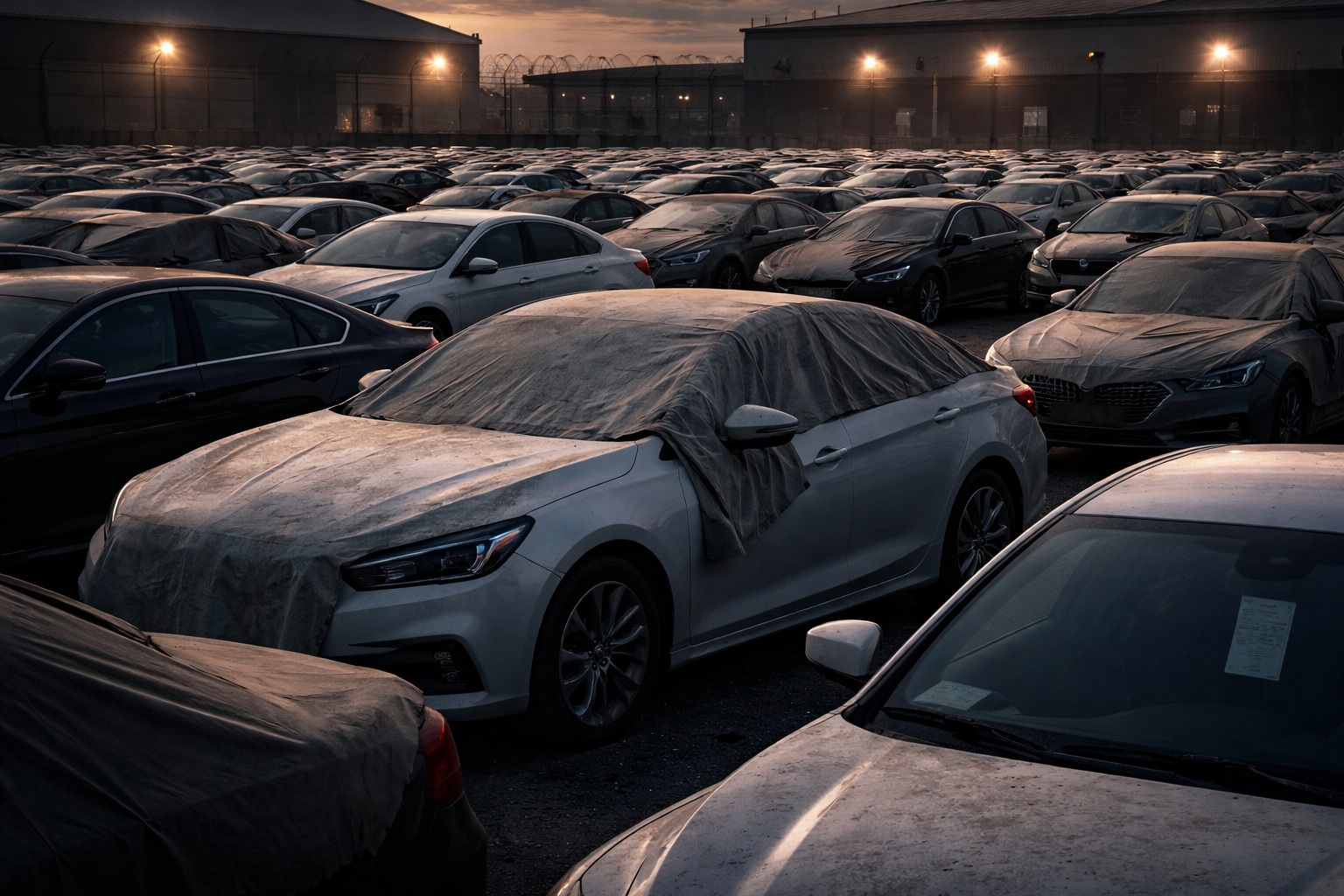
What Happens to Cars That Don’t Sell at Dealerships? See How Unstable Inventory, Hidden Discounts, Corporate Depletion, and Exports Work.
Not every car displayed at a dealership finds a buyer quickly. Some sit for weeks, others for months, and there are cases where the model simply stagnates. For the consumer, these vehicles seem to disappear off the radar, but in practice, they enter a silent circuit of business decisions. This is one of the lesser-known aspects of the automotive industry, where stagnant inventory costs money, pressures margins, and forces manufacturers and dealerships to act away from the spotlight.
Why Cars Stagnate at Dealerships
A car may not sell for various reasons. Unrealistic price, less desired version, stagnant color, generational change, or imminent launch often cause demand to stall.
When this happens, each day parked represents tied-up capital, financial costs, and threatened sales targets. From this point on, the car ceases to be a product and turns into a management problem.
-
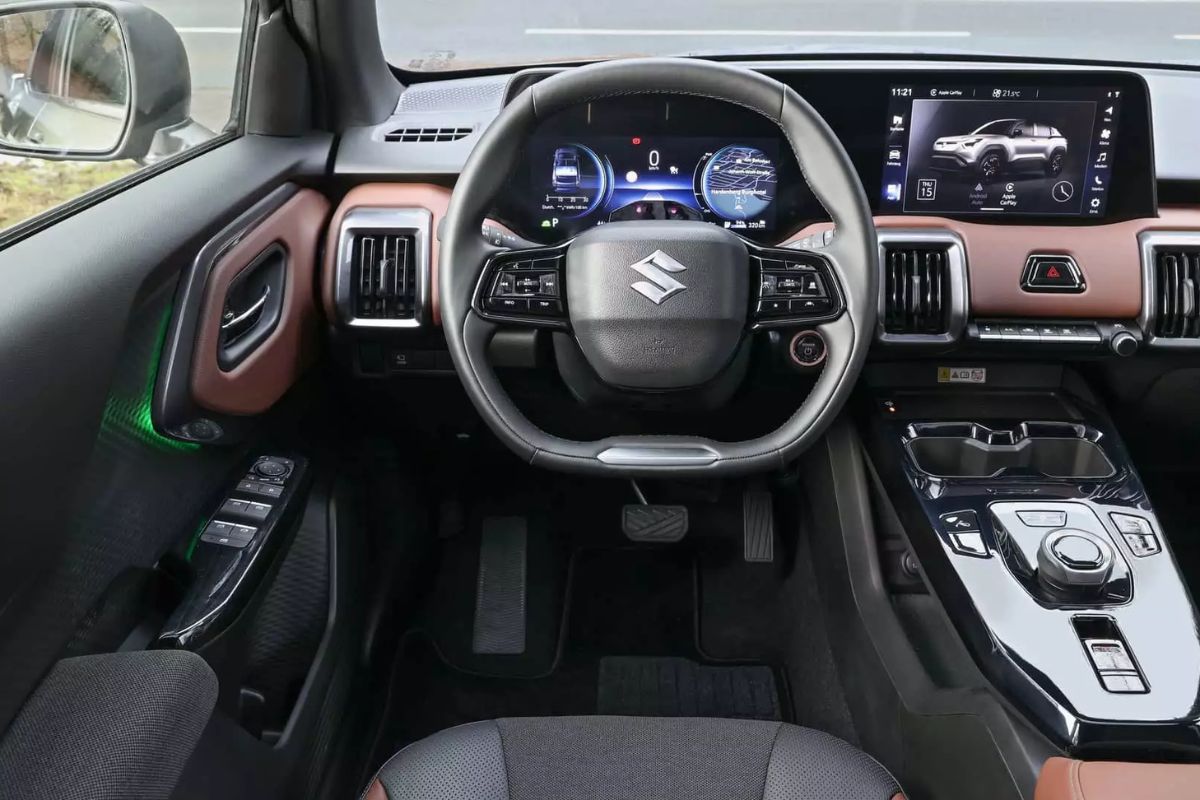
The 2026 electric Vitara arrives in Brazil and proves that Suzuki is not leaving: 4×4 traction, 184 hp, 61 kWh LFP battery, 293 km range, R$ 259,000, and a trunk capacity of 224 L.
-
Hyundai has unveiled the Boulder, a square SUV with a body-on-frame design, 37-inch mud tires, and carriage-style doors that seems to be made to take on the Ford Bronco and the Scout Traveller in the United States.

-
The Toyota Hilux is R$ 75.5 thousand cheaper and bets on the 2.8 turbodiesel engine with up to 204 hp and 50.9 kgfm to catch up with the VW Saveiro, which leads with 4,472 sales.

-
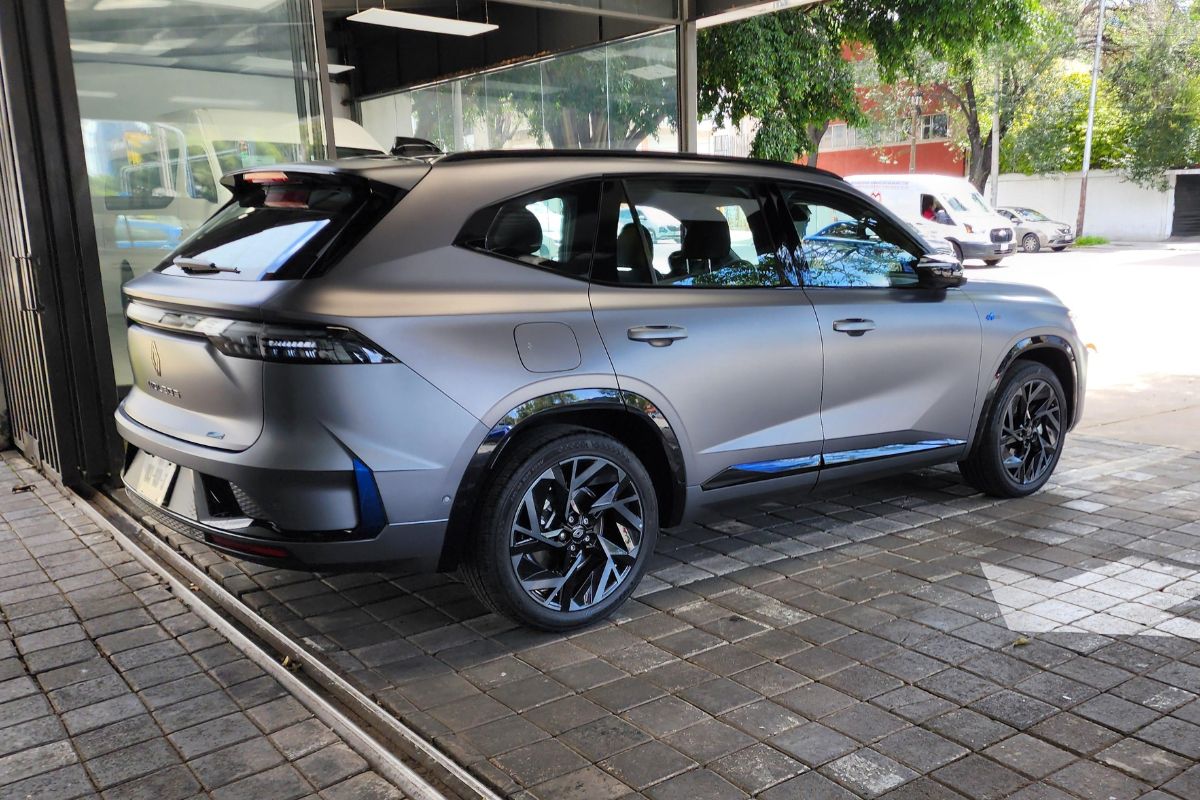
The new Renault Koleos has a screen exclusively for the passenger that is invisible to the driver, heated rear seats, and 29 assistance systems, but its Chinese competitors cost R$ 40,000 less and deliver more power.

The Financial Burden of Stagnant Inventory
Maintaining cars in inventory isn’t cheap. Dealerships finance a good portion of these vehicles through banks or the manufacturer itself, paying interest and monthly fees while the car doesn’t sell.
The longer the vehicle remains unsold, the greater the pressure to “resolve” that inventory, even if it means reducing margins or operating at the edge of profit.
Silent Discounts That Don’t Appear in Ads
Contrary to what many believe, the first step is not to announce a clearance sale. Instead, silent discounts emerge, offered only in face-to-face negotiations.
These discounts may involve hidden bonuses, artificial appreciation of the trade-in, “free” accessory packages, or financing with a reduced rate. On paper, the price seems the same; in practice, the car was sold for less.
Corporate Depletion: When the Car Changes Audience
If the car remains stagnant, corporate depletion comes into play. Fleets, rental companies, and large institutional buyers become the target.
In these cases, the vehicle can be sold at a significant discount, as the goal shifts from margin to inventory turnover. Many “new” cars sold to rental agencies started as stagnant units.
Internal Transfers Between Dealerships
Another common route is transfers between stores of the same network or between dealerships in different regions. A car that doesn’t sell in one city may find a buyer in another.
This process happens away from the end consumer and helps redistribute inventory, reducing losses without publicly exposing discounts.
Silent Exports and Alternative Markets
In some cases, especially with locally produced models, the manufacturer opts to export stagnant units to other markets where the model still has demand.
These exports are almost never disclosed as “depletion.” Officially, they enter as part of the normal flow of foreign trade, but in practice, they help clear out lots and balance production.
There are situations where the car is strategically registered to meet internal targets and then sold as used, even with very low mileage.
These vehicles appear on the market as “new with discounts,” but have already gone through the accounting relief cycle of the dealership.
Why the Consumer Rarely Notices This Process
All this happens discreetly because publicly devaluing the product harms the brand. If the customer notices that a car stagnates, they begin to expect a discount — and this undermines future sales.
That’s why the industry prefers to solve the problem behind the scenes, maintaining an image of stability and control.
How This System Affects the Final Price of Cars
This silent game explains why some consumers achieve much better deals than others, even when buying the same model.
Those who understand the right timing, end of the month, generational change, quarter-end — end up accessing discounts that never appear in official ads.
When a car doesn’t sell at the dealership, it doesn’t disappear. It enters a hidden path of business decisions, going through silent discounts, corporate sales, internal transfers, or even exports.
This hidden side shows that the automotive market is much less rigid than it seems. Behind the full price in the ad, there is always a negotiation happening — it’s just not for everyone to see.










Seja o primeiro a reagir!