





 Portuguese
  English
  Spanish
  3 min of reading
  1 comment


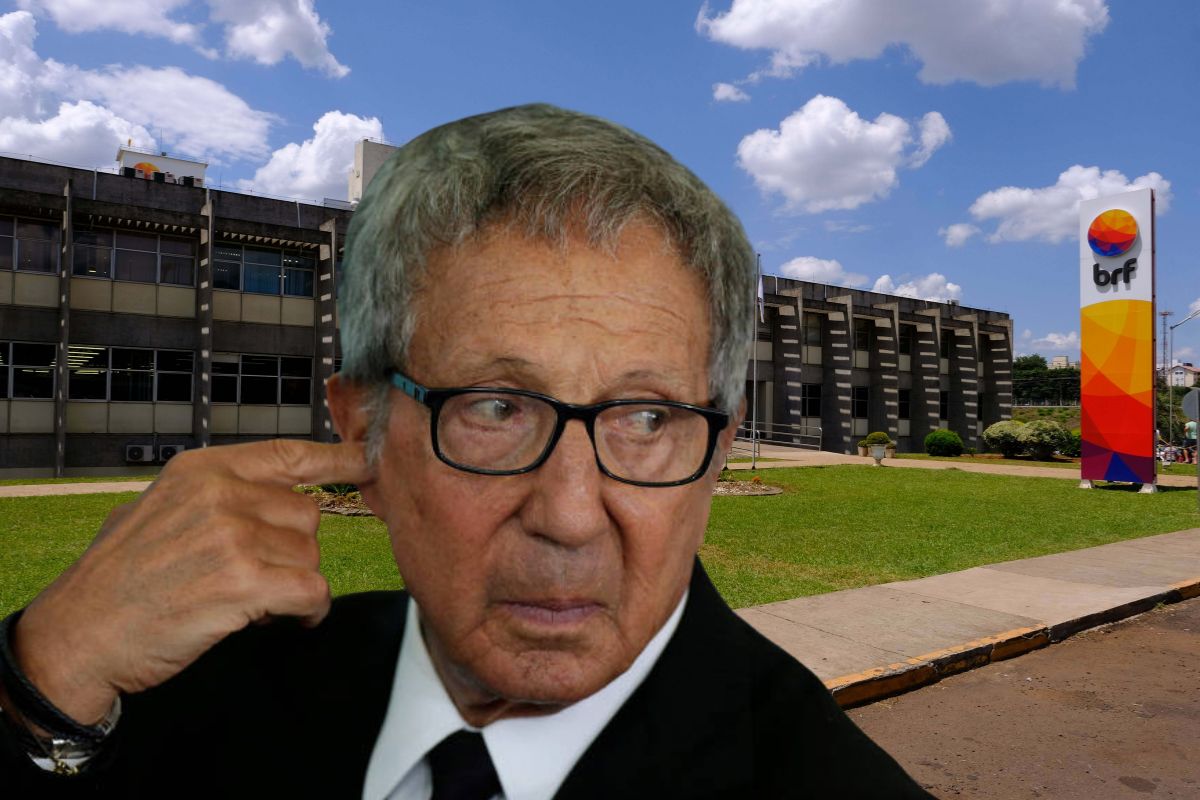


The History of BRF: From the Origin of Sadia and Perdigão in SC, Through the Merger, Financial Crises, Operation Carne Fraca and the Recent Turnaround Under the Command of Marfrig.
Financial scandals, boardroom fights, and even expired meat. All these elements are part of BRF’s history. The Brazilian food giant was born from the union of rivals Sadia and Perdigão.
Its trajectory had twists worthy of a series. It started in the interior of Santa Catarina and turned into a global conglomerate, marked by crises and recoveries.
Sadia and Perdigão: The Catarinense Roots of Future BRF
The origin of BRF is in the interior of Santa Catarina. It began with two families of Italian immigrants. Perdigão was founded in 1934, in Videira, by the Brandalise and Ponzoni families. It initially focused on pork. Ten years later, in 1944, Attilio Fontana founded Sadia in Concórdia.
-
Brazil produces too much clean energy and doesn’t know what to do with it: over 20% of solar and wind capacity was wasted in 2025 while investors flee and 509 renewable generation projects were abandoned in the last year.

-
Piauí will produce a new fuel that replaces diesel without needing to change anything in the truck’s engine and reduces pollutant gas emissions by half: truck drivers from all over the Northeast are already celebrating the news that will arrive later this decade.

-
A new Brazilian shopping center worth R$ 400 million will be built in an area equivalent to more than 4 football fields, featuring 90 stores, 5 cinemas, a supermarket, a college, and parking for 1,700 cars, potentially generating 3,000 jobs.

-
Larger than entire cities in Brazil: BYD is building a 4.6 km² complex in Bahia with a capacity for 600,000 vehicles per year, but the discovery of 163 workers in conditions analogous to slavery has shaken the entire project.


Sadia focused on exports and technology from the start. The two companies grew and became major rivals in supermarkets. They launched competing products, such as the Seasoned Turkey (Sadia) and the Chester (Perdigão).
Risky Bet and Forced Merger: The Birth of BRF

In the late 2000s, Sadia faced a serious crisis. The company made a big bet on the decline of the dollar in the currency market. The global crisis of 2008 came, and the dollar skyrocketed. Sadia lost R$ 1.2 billion in one quarter due to currency derivatives. The situation became unsustainable, leading to the departure of directors.
The only way out was to unite with rival Perdigão. In 2009, Perdigão incorporated Sadia. Thus, Brasil Foods was born, which was later rebranded as BRF. The merger was only fully approved by CADE (antitrust agency) in 2013, with the requirement to sell assets.
Abilio Diniz in Command: The Frustrated Dream of the ‘Ambev of Foods’
In 2013, Abilio Diniz, former Pão de Açúcar, gained influence in BRF alongside the manager Tarpon. The goal was to transform the company into the “Ambev of Foods.” The management focused on cutting costs and seeking efficiency. In the process, many experienced executives from Sadia and Perdigão were dismissed.
The company lost important technical knowledge. There were strategic errors, such as wrong bets on grain prices (2015). Attempts to reposition the brands Sadia (premium) and Perdigão (popular) did not work well. In 2016, BRF recorded its first net loss since the merger.
The Scandal that Shook BRF
The problems of BRF worsened with police scandals. In March 2017, Operation Carne Fraca investigated a corruption scheme in meatpacking plants. BRF was cited for alleged irregularities, including the use of expired food. In 2018, Operation Trapaça targeted BRF directly.
The accusation was of fraud in laboratory tests between 2012 and 2015 to hide quality issues. The impact on reputation and finances was devastating. Shares plummeted, and the company incurred a loss of R$ 1.1 billion in 2017. BRF denied the accusations and implemented compliance measures.
Marfrig Takes Control: Marcos Molina and the New Era of BRF


Amid the crisis, Abilio Diniz left BRF in 2021. In the same year, Marcos Molina, the controller of Marfrig, began buying shares of BRF. In 2022, Marfrig became the largest shareholder, holding 33.25%. Molina took over as chairman of the board, bringing his team.
Representatives of the founding families and pension funds lost influence. In December 2023, Marfrig increased its stake to 50.6%. Rumors of a total merger between BRF and Marfrig resurfaced, although not officially confirmed.
Recovery and New Directions
Under the new management, led by CEO Miguel Gularte and Molina’s board, BRF underwent a strong restructuring. Financial results significantly improved in 2024. The company reported a record cash generation (R$ 6.5 billion) and profit (R$ 1.1 billion in Q2 2024), in addition to the lowest leverage in nine years.
BRF also made international moves (Saudi Arabia, China). The current strategic focus is on processed foods (nuggets, lasagna, etc.), which have higher margins. The company also resumed investments in the pet food segment in 2025. With strong cash flow, BRF entered 2025 leaner and more focused.









Se administrar uma empresa fosse algo fácil, não existiriam tantas falências no mundo. Um bom administrador é acima de tudo um grande estrategista, tem que prever com antecedência e virar o jogo ao seu favor, antes mesmo que os problemas aconteçam evitando, crises em sua administração.