





 Portuguese
  English
  Spanish
  5 min of reading
  0 comments


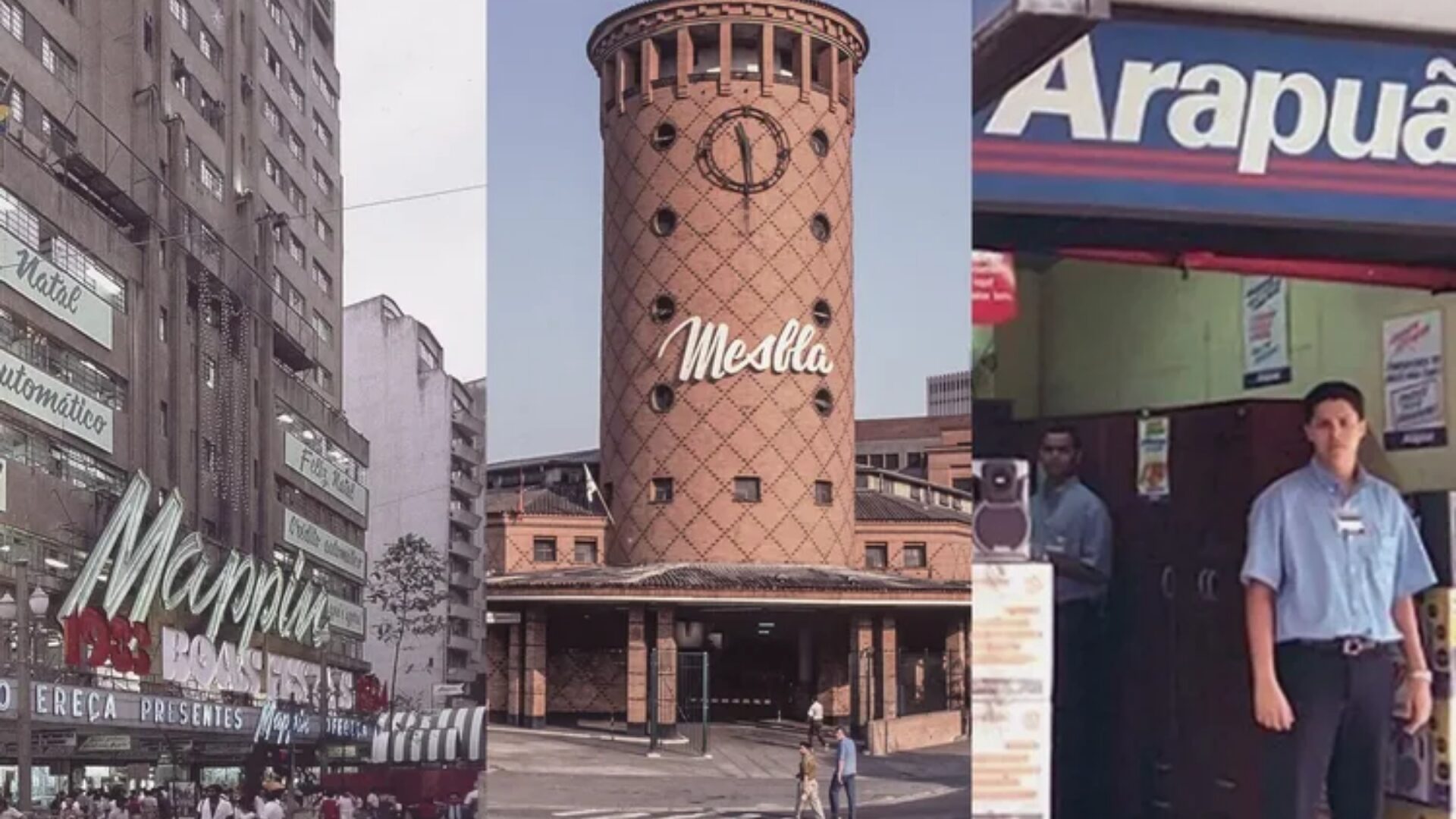
Discover The Journey of These Iconic Retail Brands That Shaped The Childhood of Many Brazilian Families and Their Current Destinations
In the 1980s, visiting large department stores like Mesbla, Mappin, Arapuã, Jumbo Eletro, and Ultralar was a special event for many Brazilian families.
Without the convenience of online shopping, these stores were the meeting point for consumers looking for various products.
However, over time, many of these stores lost their luster and faced major crises. Here’s what happened to each of them.
-
Brazil surprises the world by cloning a pig with human genes in an attempt to save humans with transplants, a technique with only 1% to 5% success rate, editing 3 genes, inserting 7 human genes, and impacting 48,000 patients on the waiting list.
-
With a height of 8.7 meters, the giant termite mound found in Somalia has entered history as the largest ever recorded and reveals how insects just a few millimeters tall build three-story structures.
-
Measuring about 50 cm in wingspan, the merlin, the smallest bird of prey in the world, is at risk of extinction and could disappear by 2050, according to research published in Nature.
-
With 96 rooms, 37 bathrooms, and five kitchens, the mansion of the heir to Pernambucanas is worth R$ 50 million, has a pool, two terraces, and has become the target of a legal dispute after the owner fell into a coma in 2016.

Mesbla: The Retail Giant That Couldn’t Withstand The Crisis
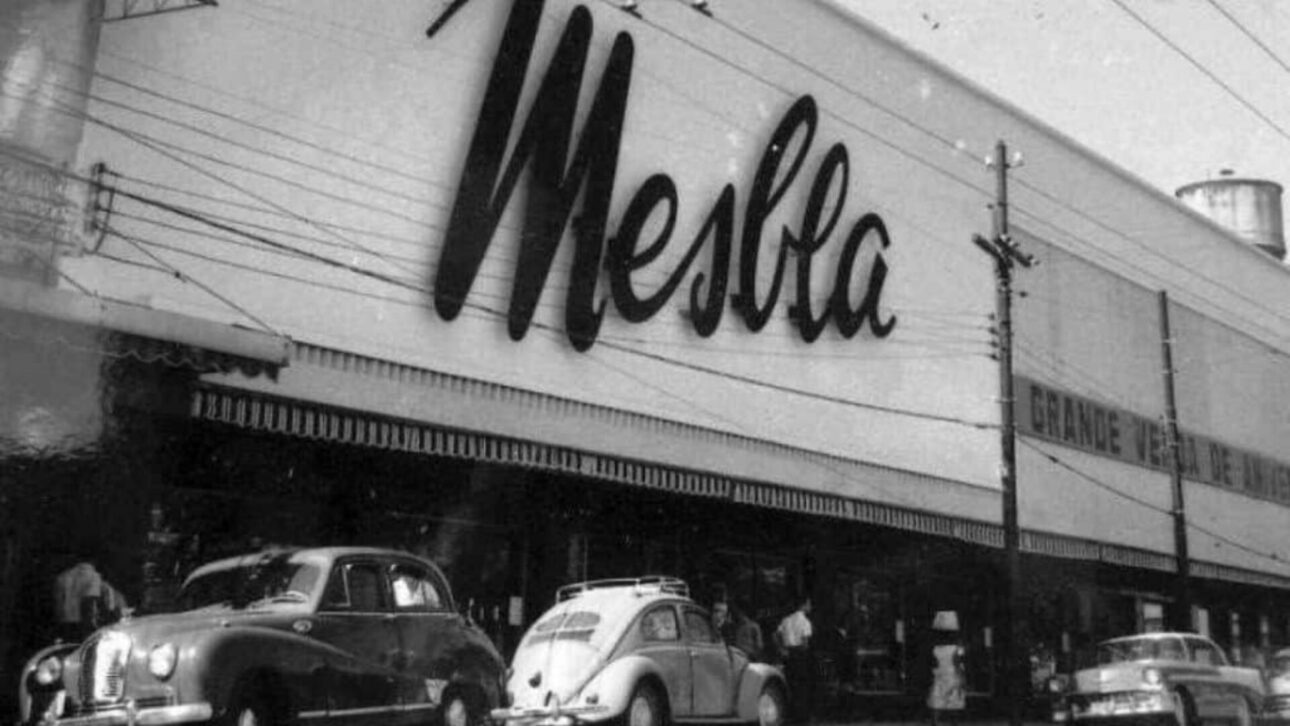
The Mesbla was one of the largest retailers in Brazil, founded in 1912 in Rio de Janeiro.
During its peak, in the 1980s, the chain had 180 sales points and was known for its product diversity, which included appliances, clothing, and furniture.
The store stood out for its customer service and the wide variety available on its shelves.
It was common to hear employees say that they sold almost everything there, except for coffins, in a joking manner.
However, the rise of specialty stores and the advent of shopping centers in Brazil negatively impacted the company.
The hyperinflation at the end of the 1980s also contributed to the crisis, with many companies facing financial difficulties.
The Mesbla accumulated enormous debts and entered bankruptcy in 1995, a tool for judicial recovery at that time.
After a recovery process, the company was sold in 1997 to businessman Ricardo Mansur, who tried to revive the brand by focusing on low prices and catering to lower classes.
However, this strategy was not enough, and Mesbla went bankrupt in 1999.
In recent years, the brand was reactivated as an online marketplace after an investment of 500 thousand reais by new entrepreneurs, trying to leverage the nostalgia and history of the brand.
Mappin: The Iconic Store in São Paulo That Said Goodbye to Retail
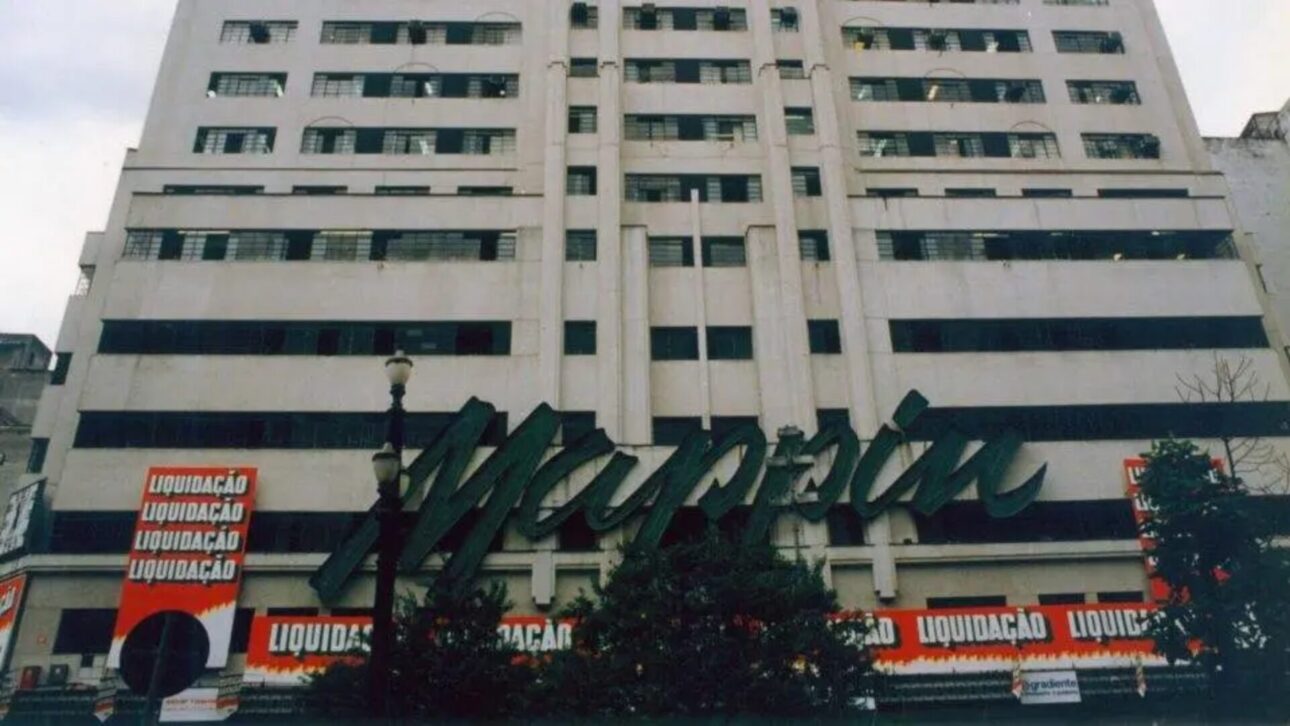
Founded a year after Mesbla, Mappin became a reference in Brazilian retail, especially for its store in Praça Ramos de Azevedo, in São Paulo.
In the 1980s, the brand was at its peak, even surpassing Mesbla in popularity.
Mappin was known for its glass displays and innovation in its operations, being one of the first to offer credit to consumers.
However, the acquisition of Sears in the 1990s resulted in financial problems and bookkeeping mismanagement. In 1995, Mappin reported a loss of nearly 20 million reais.
In 1996, the company was sold to Ricardo Mansur, who tried to transform the business model into franchises but also did not succeed.
The store went bankrupt in 1999.
In 2010, the brand was acquired by Rede Marabraz for 5 million reais at a public auction, which launched an e-commerce that remains active today.
This represents a significant effort to keep the brand and its history alive, even if in a different format.
Arapuã: The Appliance Chain That Didn’t Recover
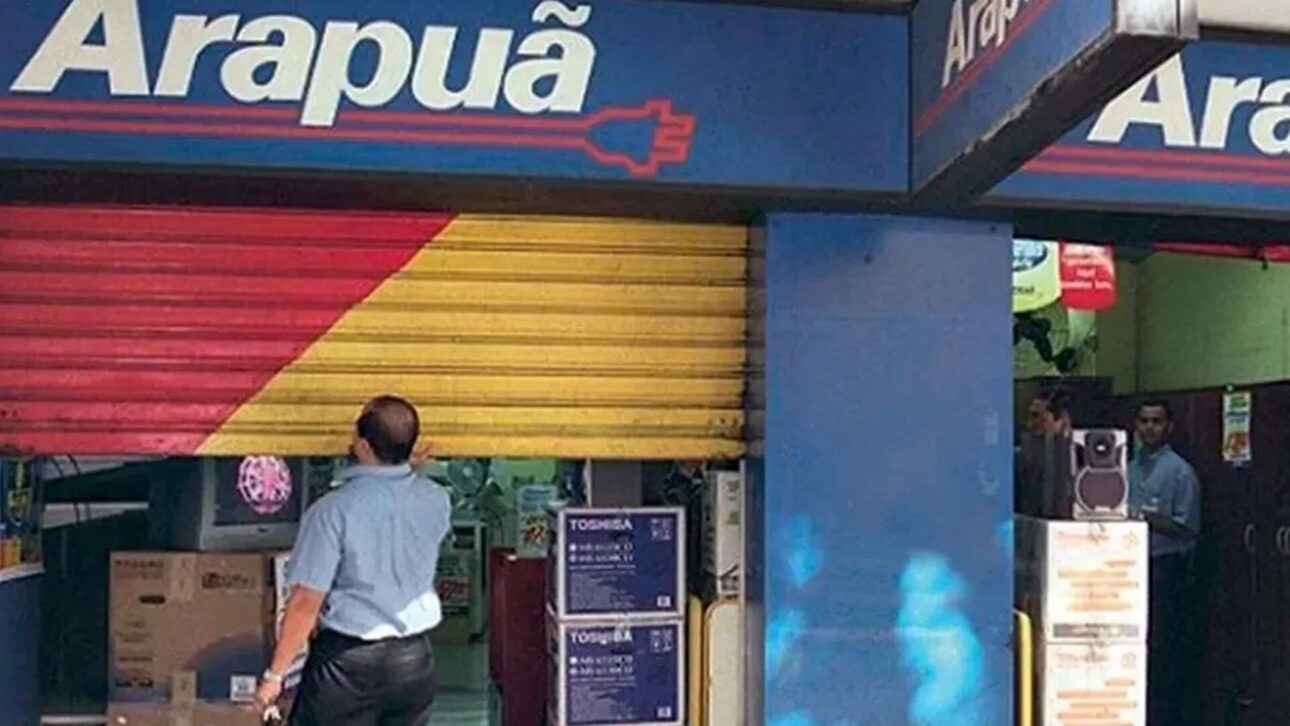
The Arapuã was one of the largest retail chains in Brazil, especially in the 1970s and 1980s, with over 220 stores primarily dedicated to selling appliances.
The company stood out for offering quality products at accessible prices, meeting a growing demand in Brazil.
In 1996, Arapuã achieved a billion-dollar revenue of 2.2 billion reais, and its net profit was 119 million reais. However, high delinquency in installment sales led to debts exceeding 1 billion reais.
In 1998, Arapuã entered bankruptcy, but could not reverse its financial situation.
After a lengthy legal process that lasted 22 years, the company was declared bankrupt in 2020, ending an era of success in Brazilian retail.
The case of Arapuã is emblematic as it shows how the lack of adaptation to market changes and poor financial management can lead even the largest companies to bankruptcy.
Ultralar: From Gas Distributor to Declining Retailer
The Ultralar was born in 1956 as a branch of Ultragás, initially focusing on selling gas stoves.
The idea was to encourage the use of gas products in Brazil, as well as help with the sale of gas cylinders.
Over time, the store expanded and became one of Brazil’s main retailers, listed on the stock exchange.
The operation gained scale, and in 1974, the company opened its first hypermarket called Ultracenter Ultralar, which was later sold to Carrefour.
However, in the 1990s, the group began selling its businesses that were not related to gas distribution, and thus, Ultralar was sold to Grupo Susa Vendex.
Competition from specialty stores and a lack of modernization resulted in the closure of Ultralar in 2000, with its units acquired by Casas Bahia.
However, the company’s legacy is still remembered as it was part of Brazilian retail history for decades.
Jumbo Eletro: The Transformation of Eletroradiobraz
The Eletroradiobraz, founded in the 1940s, started by fixing radios and small appliances but soon expanded into a large department store.
In 1971, the company entered the supermarket business but faced financial and administrative issues, selling its operations to Grupo Pão de Açúcar.
With the sale, the supermarkets became Pão de Açúcar and the hypermarkets were renamed Jumbo Eletro. Years later, the brand was changed to Extra, and in 2021, all Extra stores were sold to Assaí.
This change reflects the market’s adaptation and the search for new opportunities, even if it means the end of a historic brand.
These large stores, which marked an era, reflect not only changes in consumer behavior but also the challenges faced by retailers over the decades.
The transformation of the market and adaptation to new realities are essential for the survival of any brand.
The stories of Arapuã, Mesbla, Mappin, Jumbo Eletro, and Ultralar serve as a reminder that while the past is important, it is the ability to reinvent itself that determines the future.
SOURCE: EXAME






Seja o primeiro a reagir!