





 Portuguese
  English
  Spanish
 3 min of reading
  6 comments


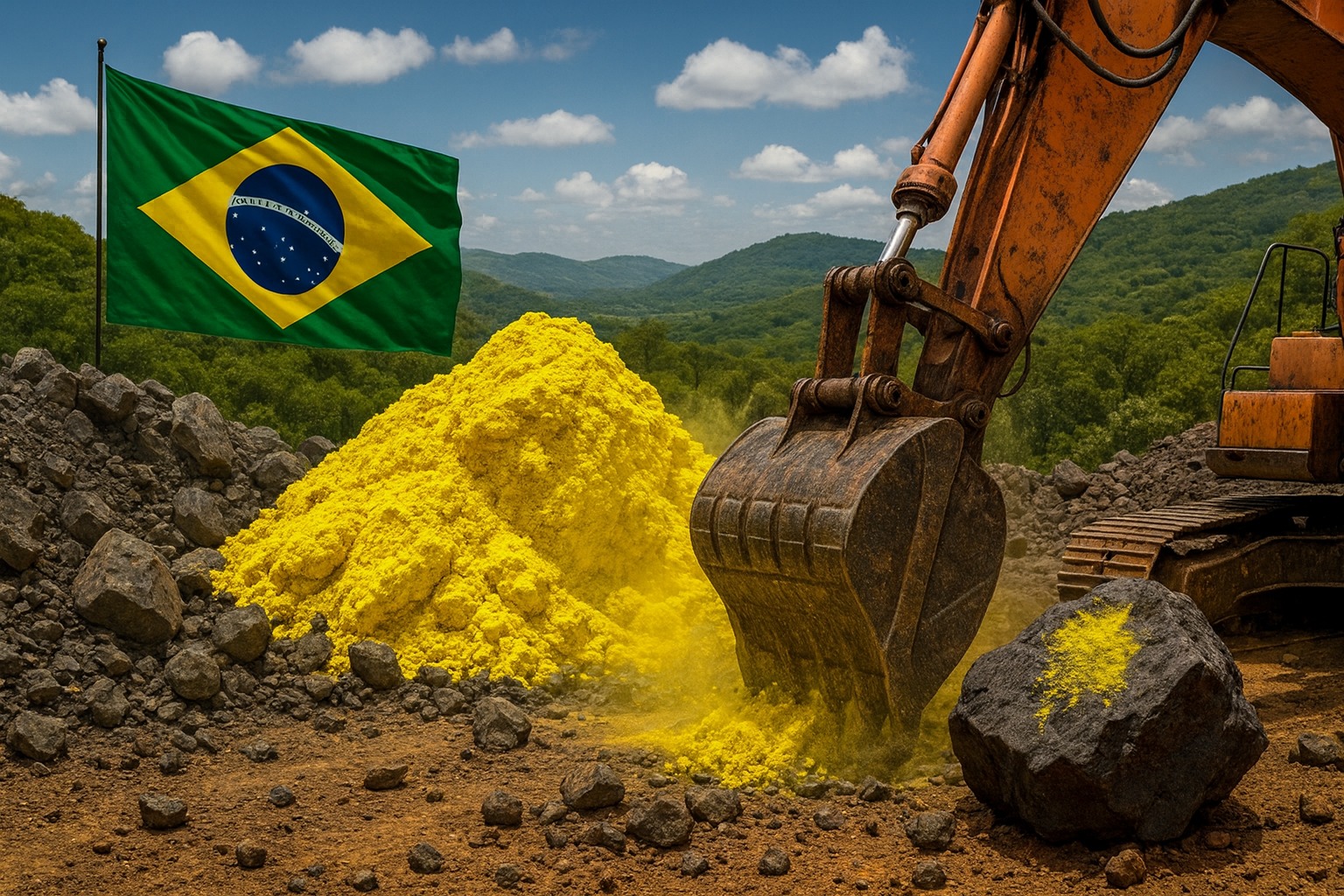


Caetité, in the Bahian Sertão, Concentrates Brazil’s Only Uranium Mine, Producing 400 Tons Annually and Projecting National Strategic Expansion
Located 645 kilometers from Salvador, in the northeastern region, in the heart of Bahia’s Sertão, is Caetité, a municipality with just over 54,000 inhabitants. The site has become essential in the mineral sector because it houses Lagoa Real, the only operating uranium mine in Brazil.
Production in this northeastern location is considered strategic for the country but also involves controversies related to radioactivity and environmental impact.
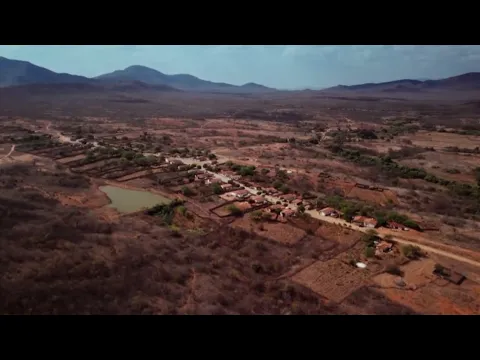

Production and Expansion Capacity
According to the Brazilian Mining Institute (IBRAM), the unit produces an average of 400 tons of uranium concentrate per year, known as yellowcake.
-
The Federal Revenue Service now automatically cross-references everything you declare with data from banks, credit cards, brokerage firms, and insurance companies, and any discrepancy between your income and your expenses triggers an alert in seconds.

-
Amid global tensions, Brazil blocks the United States’ proposal at the WTO and paves the way for a trade crisis and possible retaliations.

-
Shopee opens the largest logistics warehouse in Brazil in Guarulhos: 220,000 m² on Dutra, contract signed before construction, pays R$ 45/m² and accelerates deliveries at scale, putting pressure on Mercado Livre and Amazon.
-
After mistakenly transferring R$ 50,000 via Pix, a man will receive the amount back along with R$ 10,000 for moral damages from the recipient.


This number could double to 800 tons if new projects advance, such as the Engenho Mine and underground mining.
After years of stagnation, activities resumed in 2020, supported by environmental licenses and growth plans.
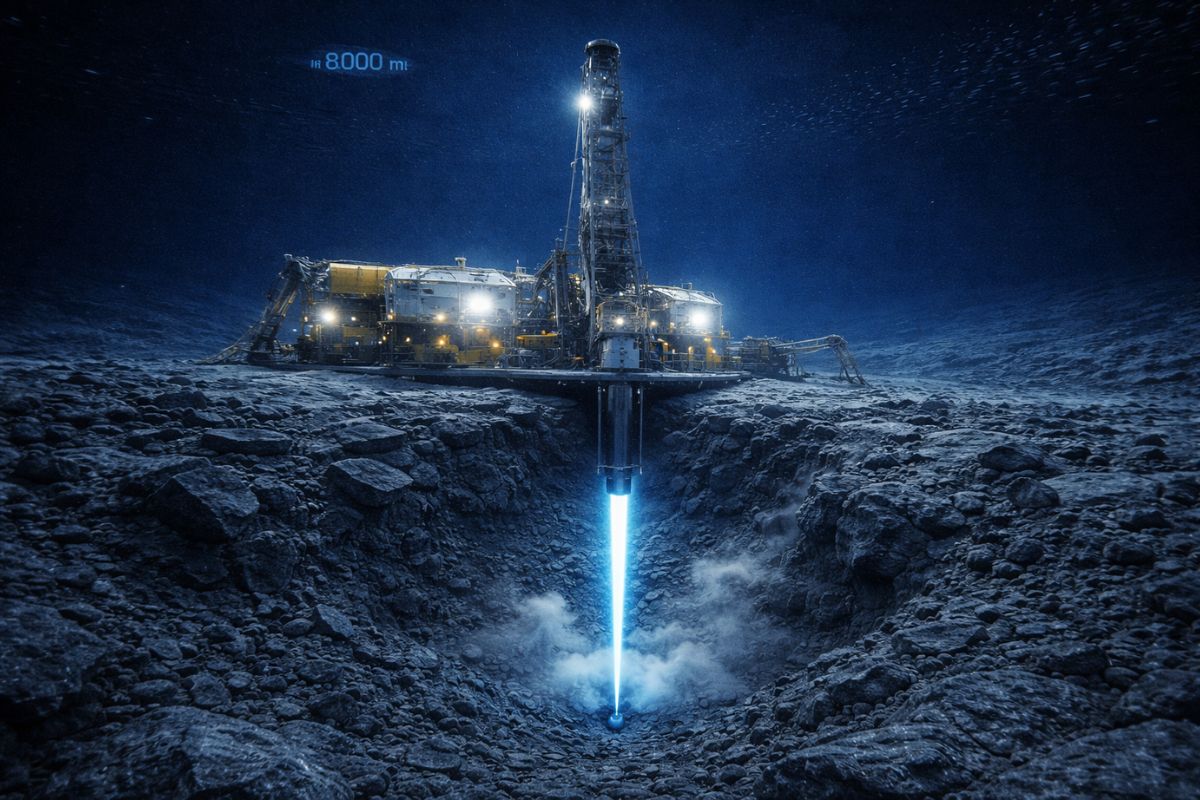
Caetité encompasses the first two phases of the nuclear fuel cycle: extraction and processing.
Brazilian Reserves in the Global Context
Data from the Red Book 2024, a publication by the International Atomic Energy Agency (IAEA) in collaboration with the Nuclear Energy Agency (NEA), indicate that Brazil has 167.8 thousand tons of known uranium reserves. This corresponds to approximately 3% of the global total.
This volume places the country in 9th position globally, behind leaders such as Australia, Kazakhstan, and Canada.
At Lagoa Real alone, over 99 thousand tons have been confirmed, consolidating the region’s strategic potential.
The Decadal Geology Plan (PLANGEO 2026–2035) outlines additional studies to expand prospecting and attempt to position Brazil at higher levels in the international rankings.
New Projects Underway in the Northeast
In addition to Bahia, another hub may gain prominence in the future: Santa Quitéria in Ceará. The project envisions a capacity of 2,300 tons of yellowcake annually.
The proposal is being developed in partnership between the Nuclear Industries of Brazil (INB) and Galvani. Currently, it is in the environmental licensing phase.
If approved, it will have a dual effect: reducing the need for uranium imports and simultaneously increasing the production of phosphated fertilizers.
Benefits and Risks
Despite its strategic nature, mining in Caetité also raises concerns. Residents and environmentalists question potential health risks and the preservation of groundwater.
The government and sector representatives, on the other hand, argue that exploitation is essential for Brazil’s energy and agricultural future.
This is because uranium supports the expansion of the nuclear matrix and can ensure vital inputs for agriculture.
Why Is It Dangerous?
The presence of this radioactive mineral makes the site strategic for nuclear energy production but also carries significant risks for workers and nearby communities.
The extraction process releases dust and waste that may contain radioactive elements.
When inhaled or ingested, these particles pose a serious health threat, increasing the chances of cancer and respiratory diseases.
Therefore, any failure in safety systems could have serious and long-term consequences.
Additionally, there are environmental risks. Contamination of rivers and aquifers is one of the greatest fears because water is essential for the Sertão.
Any radioactive leak would compromise not only human supply but also agriculture and livestock, which are pillars of the local economy.
Insecurity is heightened by residents’ historical complaints about suspected contamination in artesian wells.
Even with monitoring by the state-owned Nuclear Industries of Brazil (INB), the feeling of vulnerability remains.
Caetité concentrates wealth and danger in the same territory. While uranium fuels plants, the population daily deals with the shadow of the invisible risks of radioactivity.
With information from Diário do Comércio.




Um absurdo publicarem isso …. a radioatividade existente lá é muito baixa e não é nociva a ninguém!! O autor poderia ter procurando um especialista antes de escrever tantas bobagens!!
Com certeza, num pais sem lei como o nosso, onde não estão nem aí pra populaçao, so querem saber de lucro e a cada dia vendem nosso pais para os estrangeiros, aliás, desde o descobrimento somos explorados, com a diferença de que antes era às escondidas, hj não tem essa preocupação, vcs acham que els vão se preocuoar se a popoulaçao vai ser extinta ou não? Quem ira por freio nessa exploração desumana e irresponsavel? E mais pra onde vai o dinheiro de toda venda dessas riquezas? Para os paraísos fiscais no exterior? CHEGA, TEMOS QUE DIZER NÃO À ESSAS EXPLORAÇÕES! O SER HUMANO É MAIS IMPORTANTE!
Posso até aceitar em partes suas críticas, por isso estamos em um país que podemos expressar o que pensamos. Mas é muito fácil criticar quando um ação quando estamos em uma posição confortável não precisando de nada. Nosso país precisa crescer se desenvolver para isso precisamos de novas tecnologias e insumos com esta nessa cidade. O que temos que cobrar é que os governantes retire da natureza o que precisa mas que utilize ao nosso progresso protegendo as pessoas que estão nesse local e a natureza.
Um perigo total pois sabemos que o nivel de fiscalização no Brasil é muito baixo e sujeito a negociatas. Exemplificando: contrato de concessão da BR324. A via bahia não fez o acordado e ainda quando o contrato foi extinto o governo teve de pagar milhões. Não prestou o serviço e saiu ganhando. Outro caso na pandemia o consórcio de compras pagou respiradores e não recebeu o material. Quem liberou o dinheiro o atual ministro da casa civil Rui Costa continua livre e sem culpa. Só rindo dos honestos.