





 Portuguese
  English
  Spanish
  5 min of reading


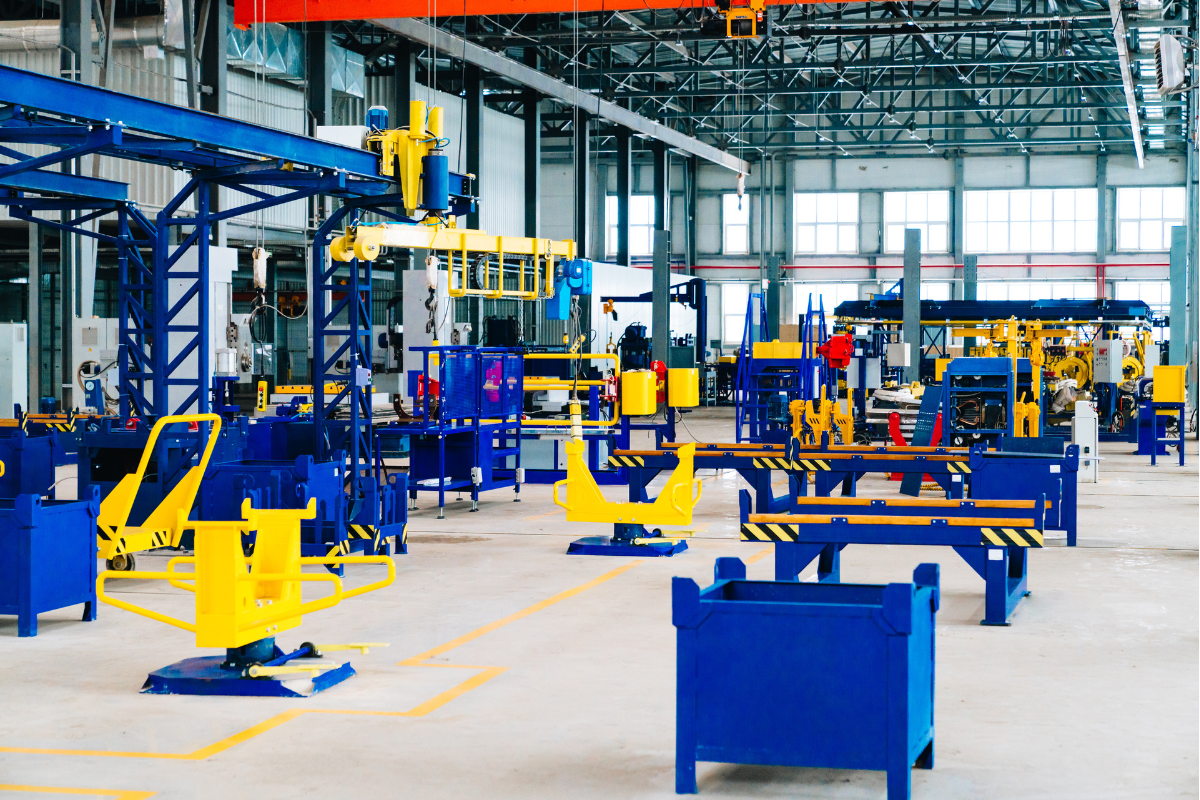
Thermal Insulators Are Materials That Can Hinder Heat Flow Between Two Or More Materials, Providing Protection. Learn More!
Are you looking to understand what a thermal insulator is and its applications in industry? Well, these are indispensable materials in the execution of practically all modern industrial processes.
That’s because insulating materials are everywhere, performing a variety of functions.
Whether inside an industry, or even in your home, in your car, and even in that cup or thermos that keeps your coffee warm all day long.
-
Created by George Lucas with over $1 billion, a futuristic museum in the shape of a spaceship with 1,500 curved panels is about to open in Los Angeles and will house one of the largest private collections of narrative art in the world.

-
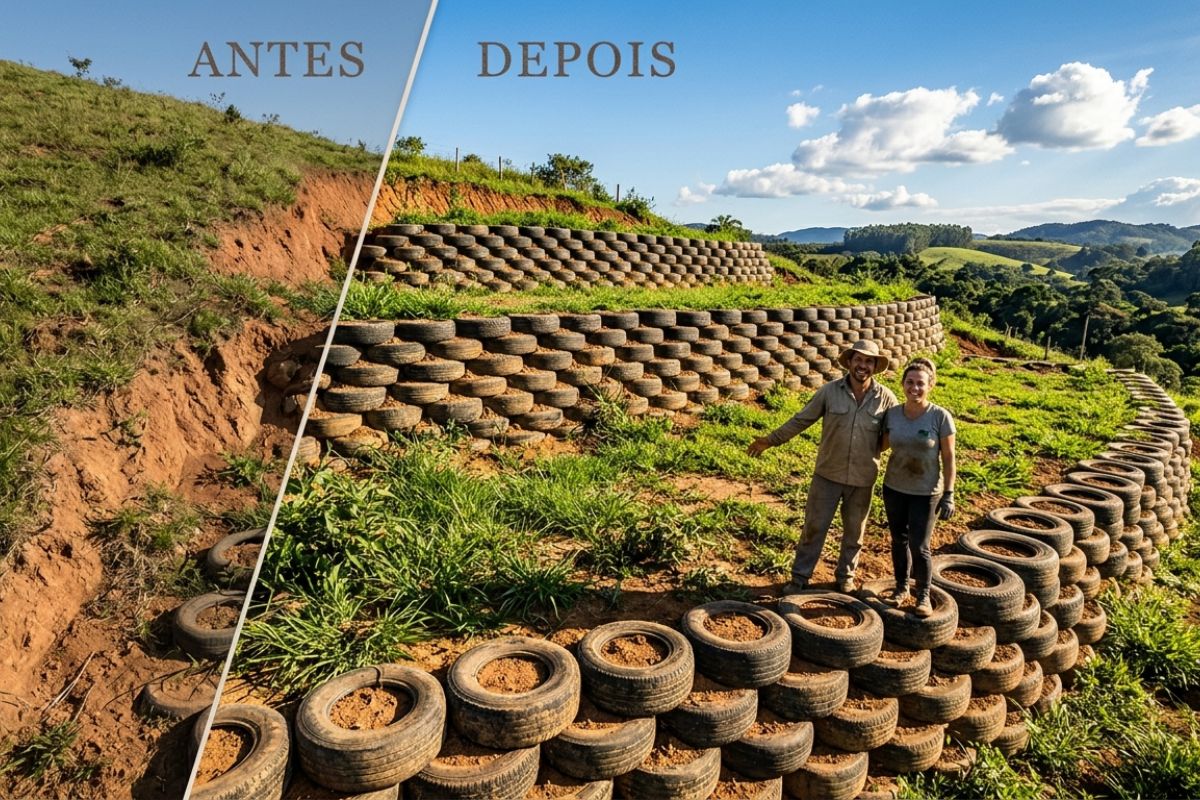
Couple shows how they built a retaining wall on their property using 400 old tires: sloped land turned into plateaus, tires are aligned, filled, and compacted with layers of soil, with grass helping in support and at almost zero cost.
-
Engineer explains drainage during the rainy season: the difference between surface water and deep water, ditches, gutters, and water outlets on the road, as well as drains and drainage mattresses, to prevent erosion, aquaplaning, and flooding at the construction site today.

-
With 55 floors, 177 meters in height, a 15-meter walkway between the twin towers, ventilated facade, and 6,300 m² of leisure space, Ápice Towers already has one tower completed and another nearly at the top.


Therefore, it is important to have knowledge about what a thermal insulator is and its application in the production line. As well as having a reliable distributor of chemical products to achieve good results in products.
After all, the quality of the raw materials used in insulating materials will determine the operating costs and the safety of industrial equipment and employees in general.
So, get to know a little more about what a thermal insulator is and all its importance in various branches of industry.
So, What Is a Thermal Insulator?
Thermal insulators are materials with low thermal conductivity that interact with high and low temperatures.
This means that materials with this characteristic take a long time to change temperature or may not change at all when exposed to hot or cold environments.
This way, the thermal insulator prevents heat gain or loss within the environment surrounding the thermal insulator.
This is because this environment can be anything from the inside of a thermos to a refrigerator, for example.
However, there are two types of thermal insulators, such as:
- The hot thermal insulator, which functions to conserve the thermal energy of the system and maintain its temperature as constant as possible for the longest time.
- As well as the cold thermal insulator, which protects the environment from the higher temperature of which it is part.
It is worth noting that the materials used as hot thermal insulators are of great importance against accidents, especially when in contact with very high-temperature surfaces.
Some examples of the most commonly used thermal insulators include: rock wool, ceramic fiber, and glass fiber.
The Use of Thermal Insulators in Industry
Now that you know what a thermal insulator is, learn about its uses in the industrial sector and the functions these materials perform.
Thermal insulators can be employed in various industrial applications due to their characteristics.
A common use is in the insulation of pipes and valves that operate at high temperatures or that transport fluids for cooling.
This is because, due to low thermal conductivity, thermal insulators are ideal solutions for controlling and conserving the temperature of equipment.
Thus, there is a considerable reduction in energy consumption, as well as an increase in productivity and safety in industrial processes.
How to Choose the Best Materials for Thermal Insulation
It’s common to have doubts about what a thermal insulator is and what the best solution is for a particular piece of equipment or function.


To answer this, it must be kept in mind that each equipment has specific operating conditions, which results in the use of specific thermal solutions.
Thus, some important factors must be considered such as: cost, thermal conductivity, lifespan, flexibility, flammability, resistance to high or low temperatures, etc.
By conducting this analysis, it is possible to choose the most suitable materials for the intended use.
Another detail to observe is that in addition to choosing materials, attention must be paid to the thickness of the insulation.
This is because, thickness influences the insulation capacity of the chosen solution as well as its lifespan and maintenance costs.
Therefore, it is important to perform all calculations and analyses to acquire the most suitable material to meet the requirements. Before making the best choices in thermal insulation solutions to minimize risks and ensure a safe purchase.
How Does Thermal Insulation Work in Practice?
Thermal insulation occurs through materials that hinder heat dissipation, that is, materials that have low thermal conductivity.
This way, the best thermal insulator would be a vacuum, but since it is extremely difficult to maintain a vacuum, air is used.
Now you may ask: what is the relationship between air and the materials used in thermal insulation on various occasions?
Well, most of the materials used as thermal insulators have micro air bubbles in their structure, which is why most are porous or fibrous.
Thus, these porous materials keep dry air inside, a fundamental condition to guarantee the thermal insulation that air can provide.
This is because dry air has very low thermal conductivity and a low radiation absorption coefficient.
An example of this is polyurethane, which keeps dry air confined in small chambers that are more or less airtight and not interconnected.
Technical Standards for Thermal Insulators
The CEE 155 addresses the raw materials used as acoustic and thermal insulators and is responsible for creating technical standards.
The following standards are in effect:
- ABNT NBR 13047 – Refers to thermal insulation blankets made from rock wool;
- ABNT NBR 11364 – Pertains to thermal insulation panels made from rock wool;
- ABNT NBR 11363 – Relates to thermal insulation tubes made from rock wool;
- ABNT NBR 11626 – Concerns thermal insulators made from wool – Flakes;
- ABNT NBR 11722 – Addresses thermal insulation felts made from rock wool;
Conclusion
Now you already know what a thermal insulator is, how it works, and all its importance in modern industry.
Without the use of these materials, most of the technologies available today to make people’s lives easier would be impossible. Insulating materials were and still are crucial for human evolution.
This is because they are everywhere, allowing for the execution of important and vital industrial processes for the production of various products.
Therefore, when looking at your thermos that keeps your coffee warm, remember that this same mechanism at some point enabled the production of practically everything around you.









Seja o primeiro a reagir!