





 Portuguese
  English
  Spanish
  3 min of reading
  0 comments


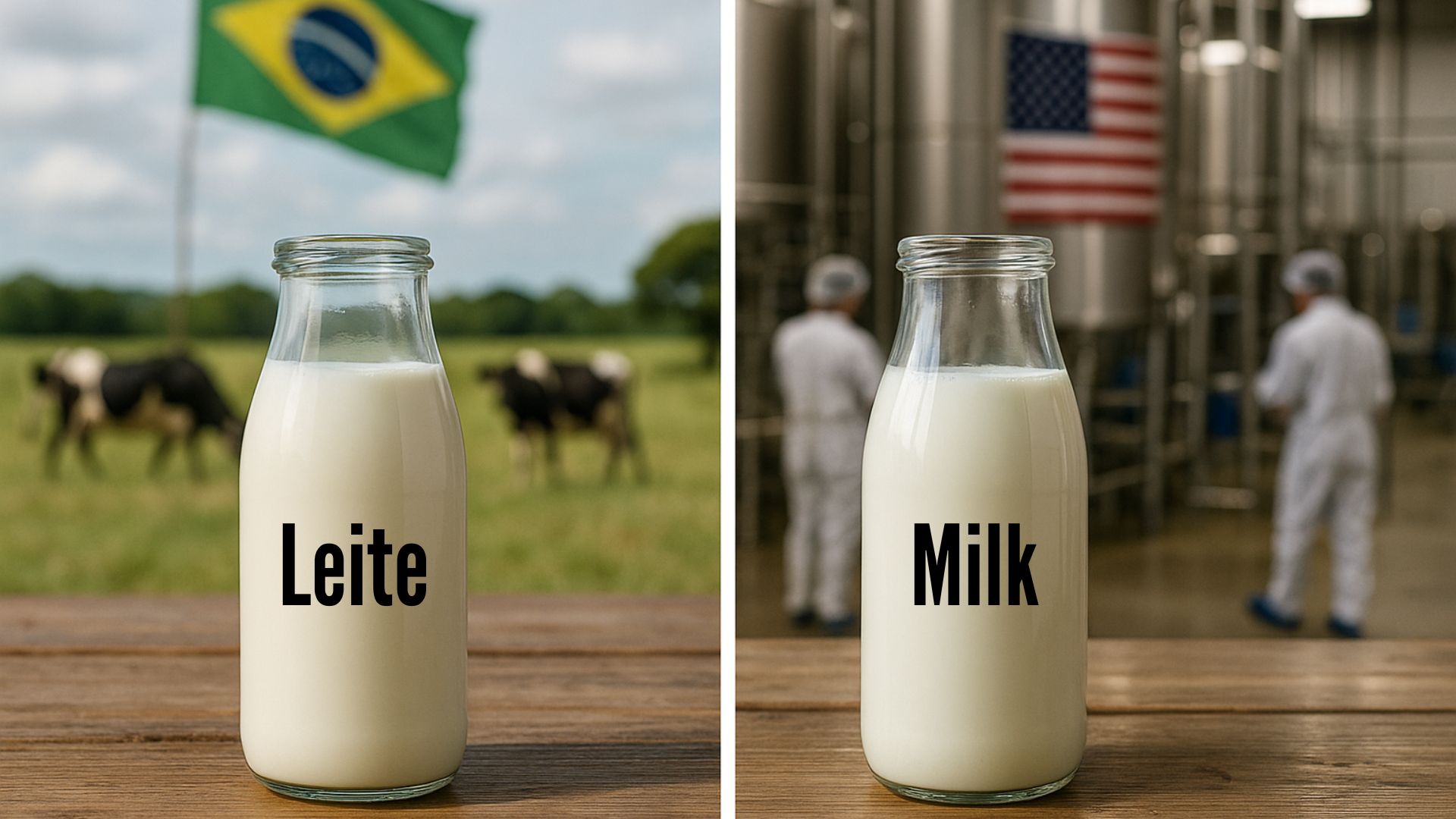
While In The United States Each Link In The Milk Chain Has A Well-Defined Function And Long-Term Contracts Provide Security, In Brazil Multifunctionality, High Costs, And Commercial Instability Still Hinder The Competitiveness Of The Sector
The comparison between milk production in Brazil and the United States reveals a structural gap that directly impacts productivity. While in the U.S. market dairy farming is marked by standardization, stable contracts, and high specialization, in Brazil the producer still accumulates multiple functions, which raises costs, reduces efficiency, and limits gains.
According to data analyzed by Compre Rural, inspired by a conversation from MF Cast, the reality in the United States is quite uniform. In states like California, Texas, Florida, and Wisconsin, cows produce an average of 40 liters of milk per day, with the first calving at 24 months. These numbers are replicated in large farms, supported by cutting-edge genetics, well-structured artificial insemination, and supply contracts that ensure stability for the producer.
The American Model: Specialization In Each Link Of The Chain
In the United States, the production system works like a gear where each farm has its responsibility. The milk producer focuses solely on milking. As soon as the cow calves, the calf is sent to a neighbor specialized in rearing, who returns it as a heifer already pregnant. Another supplier exclusively handles corn production for silage, essential for feeding.
-
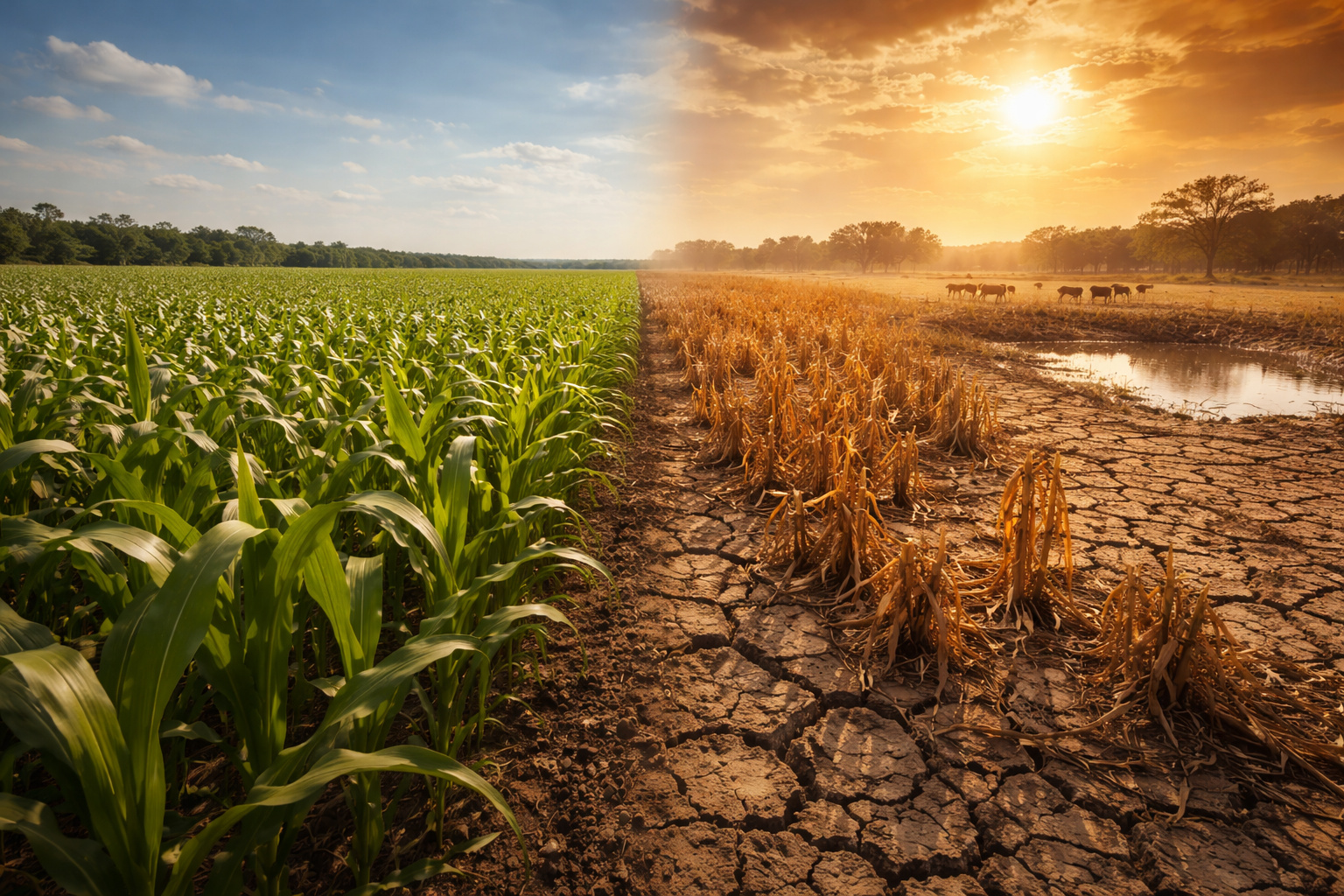
Extreme heat is already invading crops, reducing productivity and putting pressure on livestock, fishing, and forests worldwide, and data from the FAO shows that the increase in temperatures has shifted from being a climate risk to a direct threat to global food production.
-
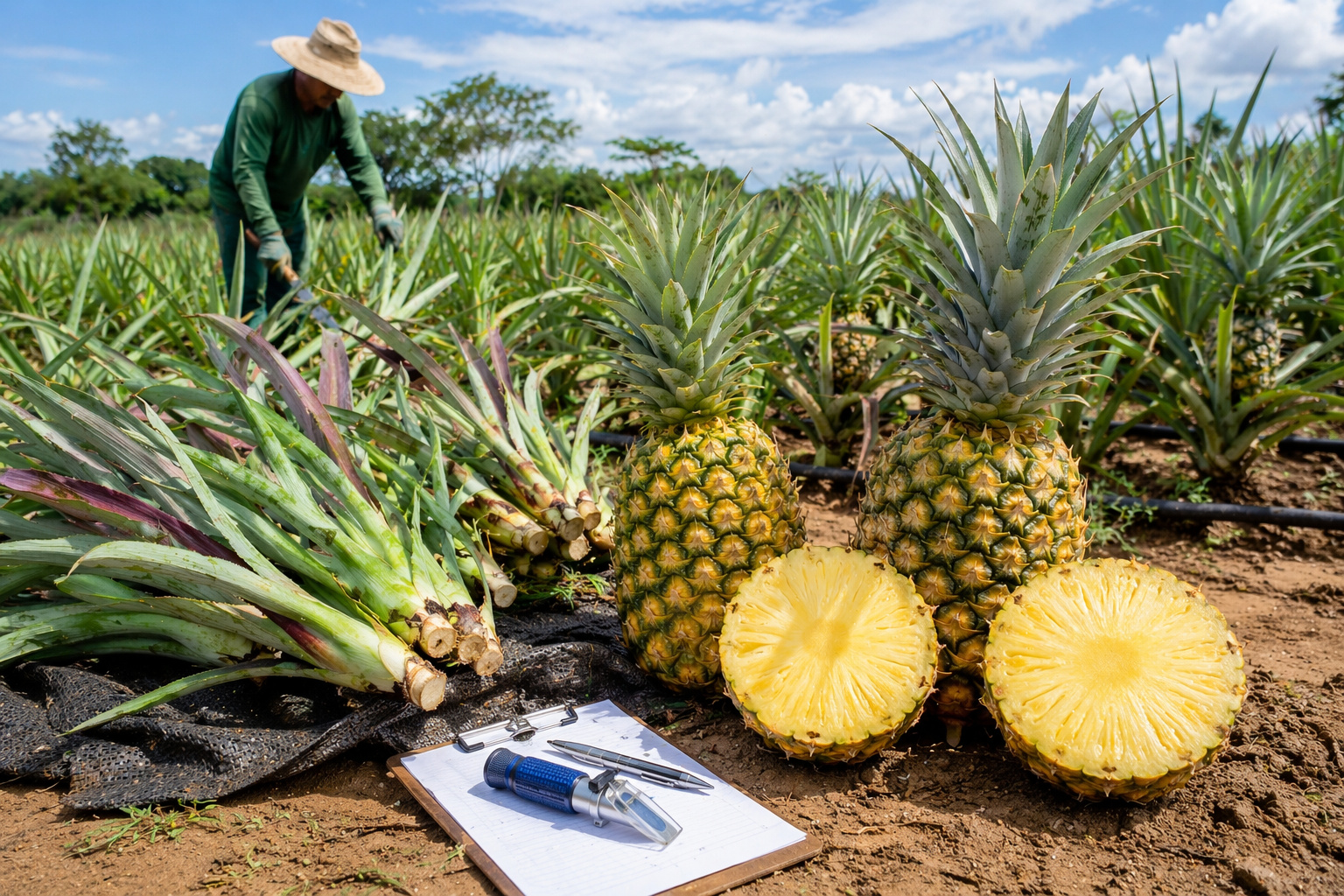
Spine-free pineapple, sweeter and more resilient: Mato Grosso develops new cultivars that promise to reduce losses from fusariosis and increase productivity in the field.
-
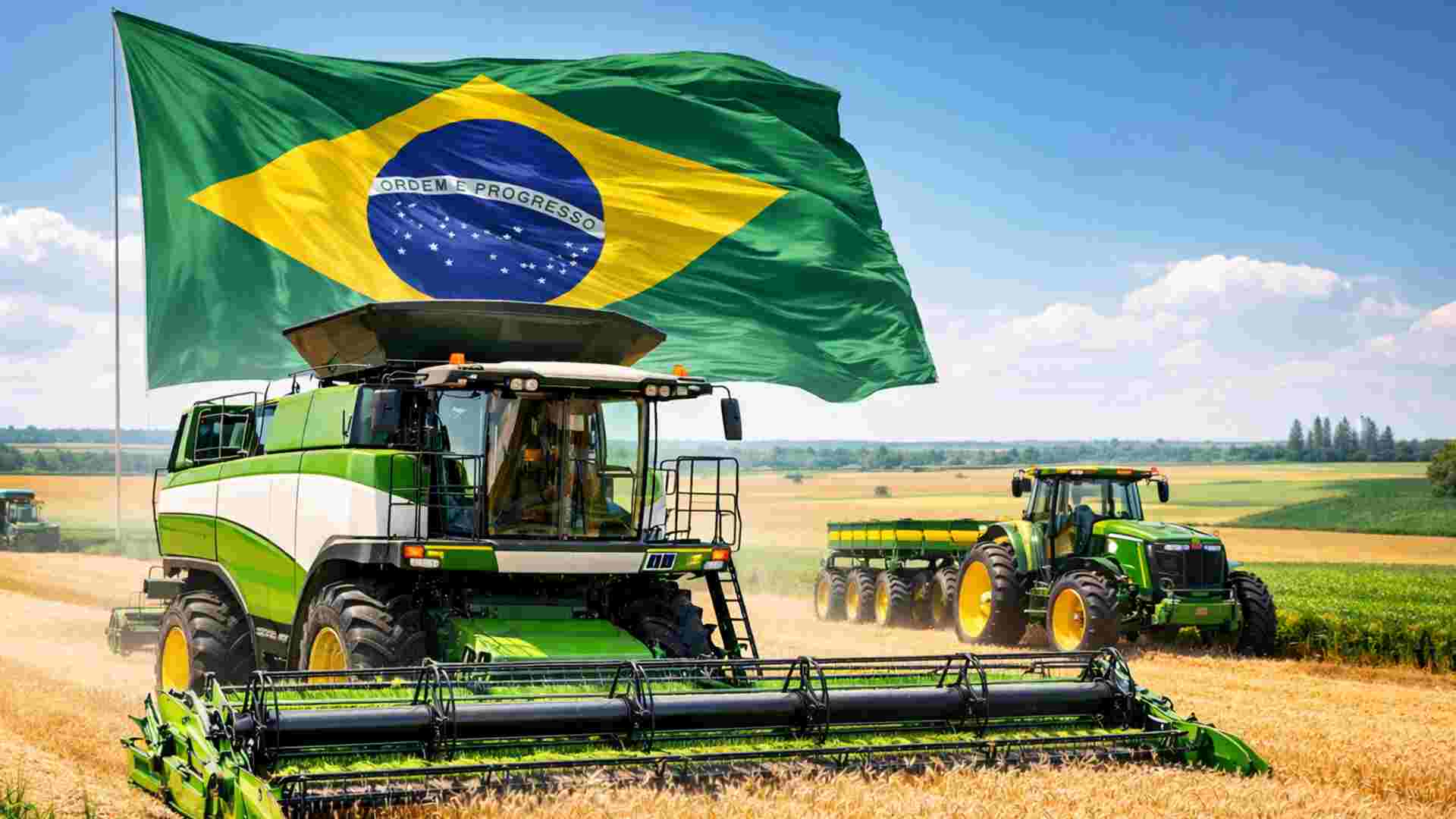
BNDES releases R$ 129 million for CNH Industrial Brazil to create more modern agricultural machines, with eight projects that include harvesters, accessible tractors, and a planter capable of applying seeds, fertilizers, and inoculants all at once in the Brazilian field.
-
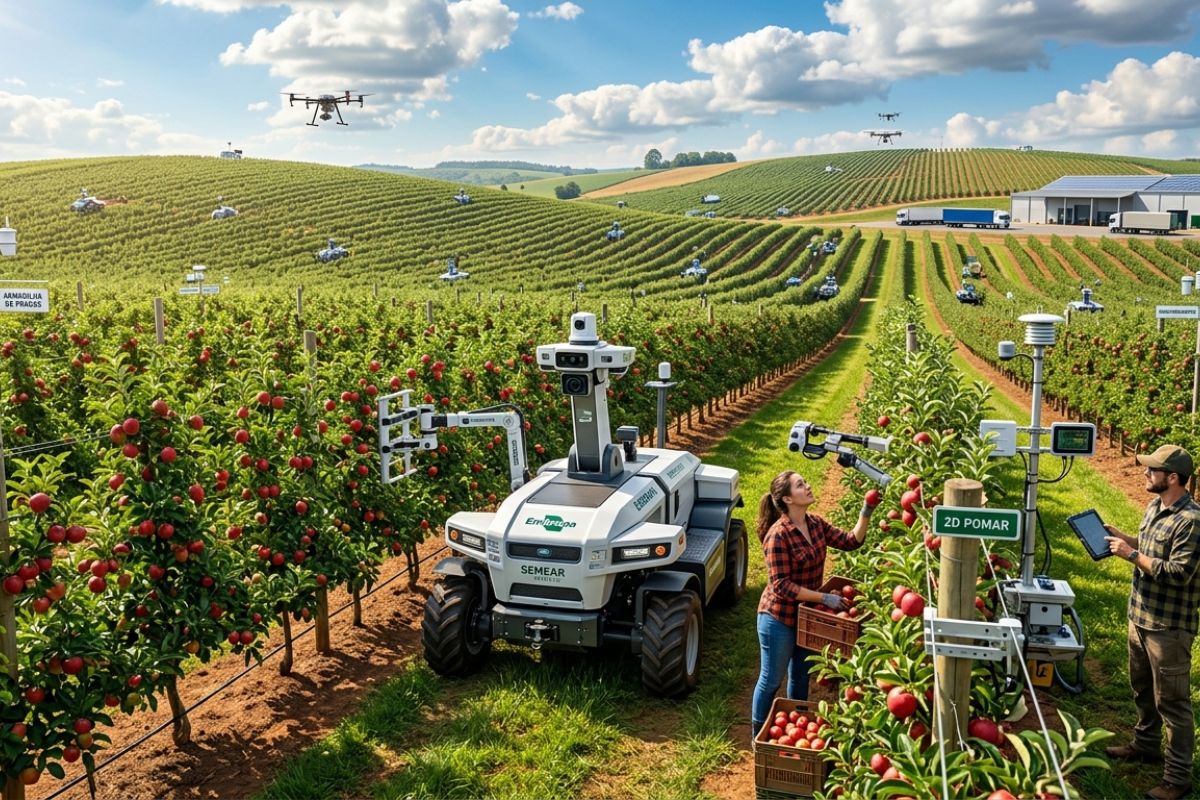
From manual harvesting to robotics: Vacaria, the apple capital, becomes an Embrapa laboratory in Semear Digital, with point-to-point mapping, pest traps, traceability, and 2D orchards to combat labor shortages.
This division of tasks results in productive efficiency and cost reduction, in addition to providing market predictability. The success of this model is supported by long-term contracts that guarantee security for the producer and the industries.
The Brazilian Reality: Multifunctionality And Instability
In Brazil, the story is quite different. The producer generally needs to do everything: breeding, rearing, producing roughage, and milking. This multifunctional model increases the complexity and costs of the activity, primarily due to the so-called “Brazil Cost”, which includes high taxes, poor logistics, and regulatory instability.
Another bottleneck is the lack of solid contracts. While in the U.S. supply is supported by long-term partnerships, in Brazil producers often switch dairy companies based on the month’s price. This lack of predictability weakens both sellers and buyers, making it difficult to form a robust chain.
Moreover, unlike beef cattle, where there is a clear segmentation between breeders, rearers, and finishers, dairy farming still lacks this division. Added to this is the perishability of milk, which requires producers to deliver daily, making the system even more vulnerable.
Possible Paths For The Modernization Of The Sector
Despite the difficulties, some initiatives in Brazil are already trying to replicate the specialization model. Cooperatives have offered heifer rearing services, delivering pregnant heifers to cooperatives with payment terms of up to 24 months. Although still small, these experiences reveal the sector’s potential for advancement.
However, the significant obstacle is the lack of security. Unlike beef farming, where it is possible to assess the calf’s weight and growth visually, in dairy there is no way to visually measure the cow’s productive potential. Returns depend on three, four, or even five lactations, requiring trust in genetics, management, and rearing processes — aspects that are still fragile in Brazil.
The Future Of Brazilian Milk
The comparison makes it clear: while the United States has consolidated a chain based on genetic standardization, solid contracts, and production quotas, Brazil faces enormous variability in breeds, climates, management systems, and even personal decisions of producers, often guided by preferences rather than economic viability.
Still, there is room to grow. Currently, the national average production is less than 2,000 liters per cow per year, while breeds like Girolando reach 5,000 liters per lactation and Holstein can exceed that number. This shows that, with investments in genetics, management, and cooperation, Brazil has the potential to make significant productivity leaps.
According to an article published by Compre Rural, inspired by a debate from MF Cast, Brazilian dairy farming is still young and, therefore, can follow an evolutionary path similar to that of the U.S., provided that structural bottlenecks are addressed with a long-term vision.








-

-

-

-

8 pessoas reagiram a isso.