





 Portuguese
  English
  Spanish
  6 min of reading
  0 comments


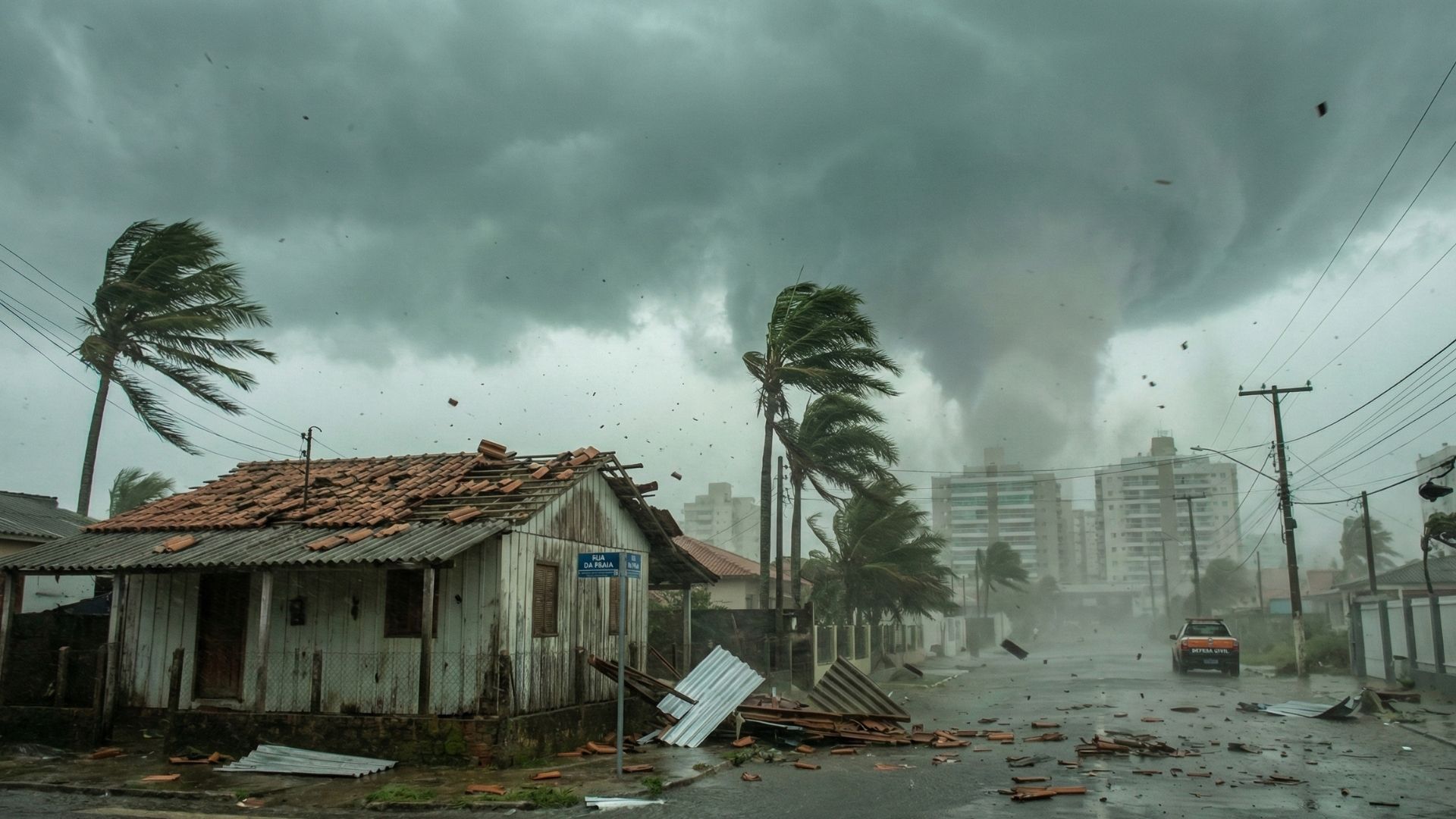
Few Brazilians know, but besides the physical risk, a cyclone involves legal rights, social guarantees, and even federal money for total reconstruction of the house. See what the law allows, and what you should do to protect yourself for real.
When the word “cyclone” appears in the news, many only imagine strong winds and sudden floods. However, for those living in the affected area, the natural phenomenon represents a dangerous combination of immediate risk, misinformation, social vulnerability, and a series of legal procedures that most of the population is even unaware of.
From physical safety to the rights provided by law, through health assistance, private sector responsibility, and complete housing reconstruction, understanding how disaster response works can mean the difference between losing everything and being able to recover quickly.
That’s why this article gathers practical guidelines, legal information, and technical details of the Law No. 14,750/2023, which regulates prevention, response, and recovery after natural disasters, including cyclones, gales, tornadoes, and floods.
-
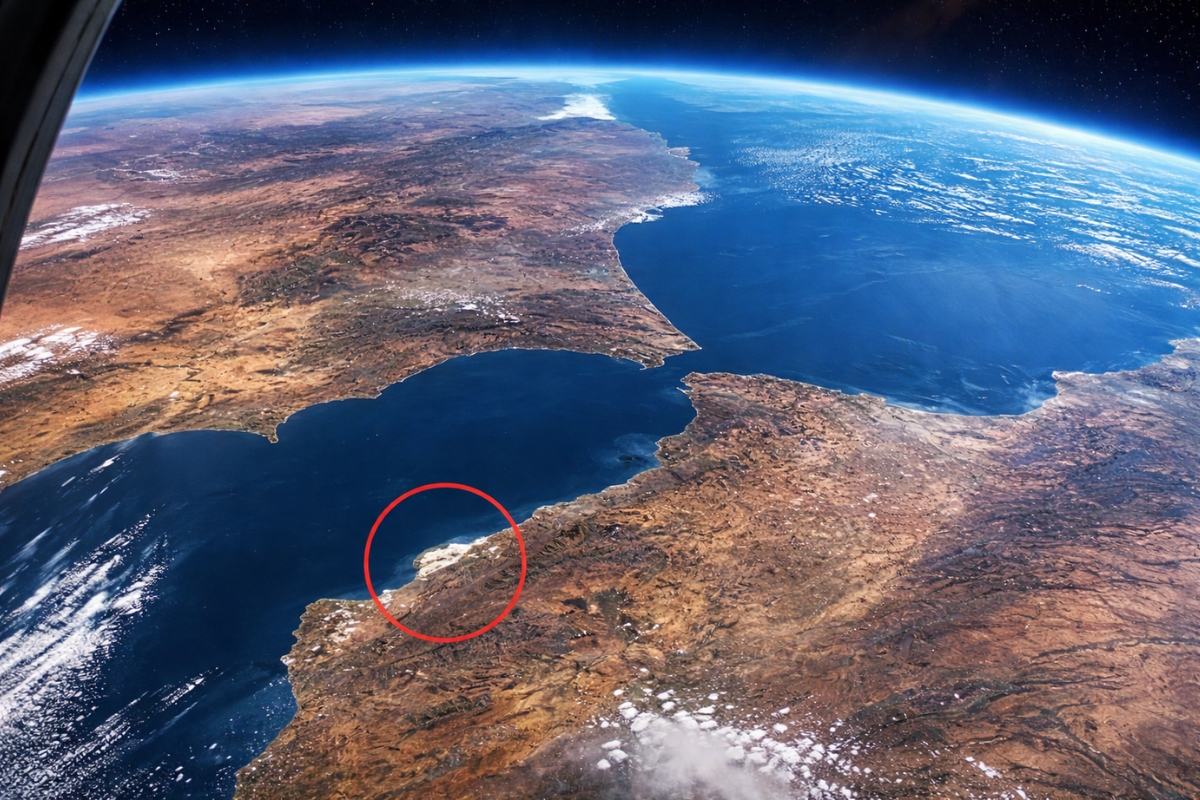
According to an analysis by NASA, only one human-made structure is visible from space, and it is not the Great Wall of China or the Pyramids of Egypt.
-
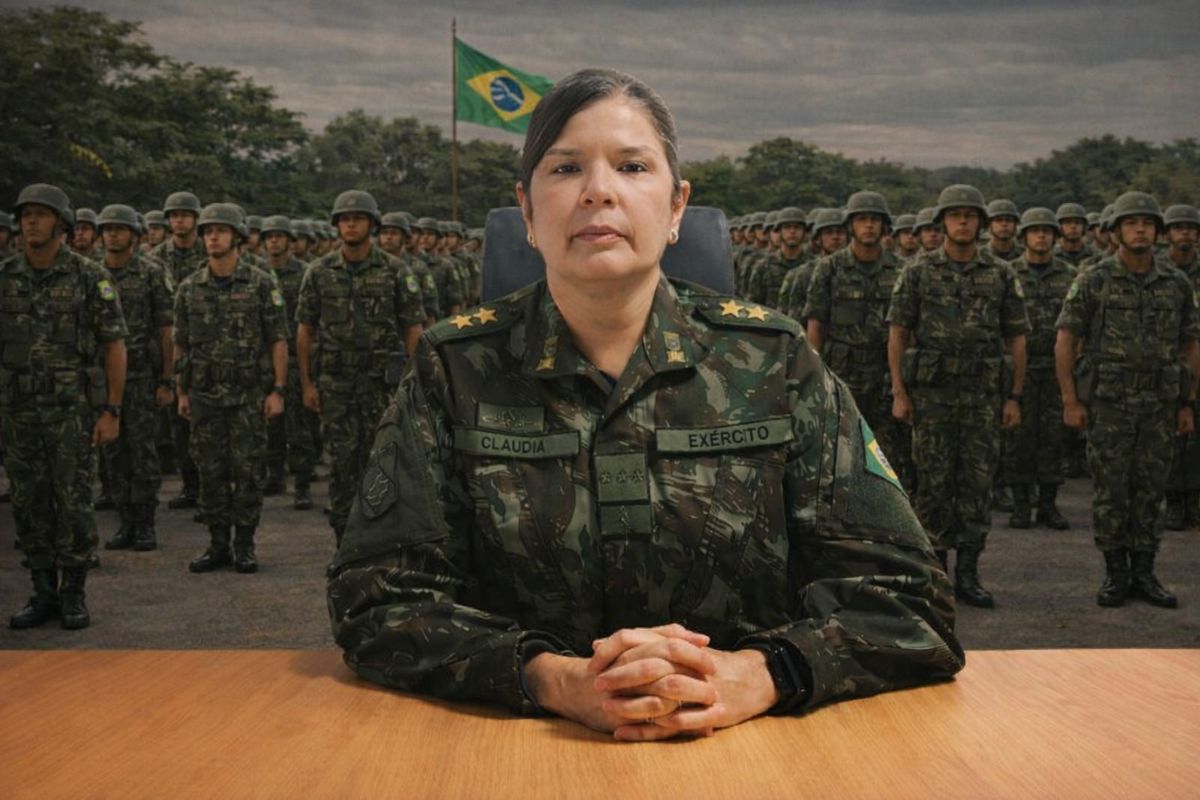
After 377 years of history, the Brazilian Army will have its first female general: Colonel Claudia Cacho has been promoted to brigadier general by Lula and will receive the sword and command baton this Wednesday in Brasília.
-
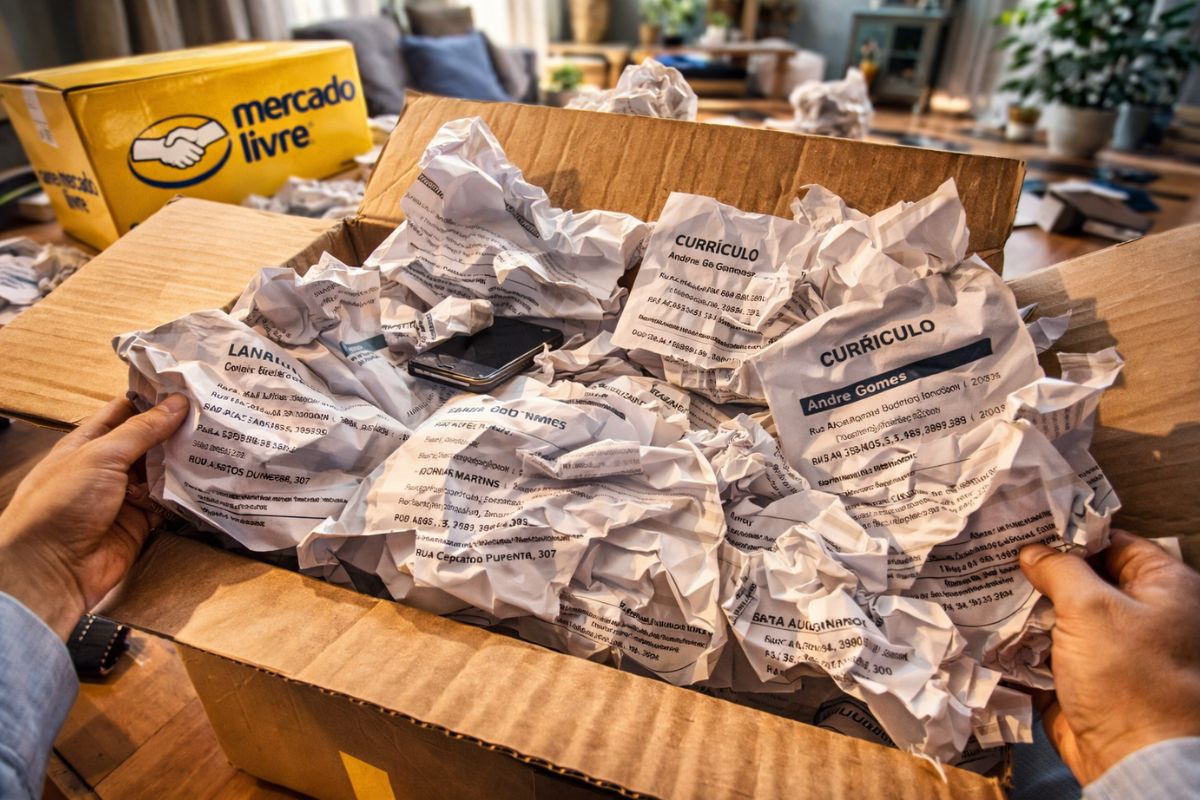
A Mercado Livre customer opened their package and found 32 resumes of people looking for jobs crumpled as protective paper inside the box, exposing names, addresses, documents, and phone numbers of dozens of candidates.
-
Iceberg A23a, one of the largest in the world, is undergoing accelerated collapse and may disappear: what explains the end of the ice giant?

How a Cyclone Transforms a City in Minutes
When a cyclone forms, everything happens too quickly. The sky darkens, the wind gains strength, objects begin to move on their own, and suddenly, the house that seemed safe becomes vulnerable. The phenomenon has this characteristic: it doesn’t give time for improvisation.
Those who have experienced a cyclone know that the initial minutes are decisive and that the way the population reacts often determines the extent of the damage.
The behavior of the wind is unpredictable even in monitored events. A gust can reach 90 km/h and, seconds later, exceed 120 km/h. In that short interval, windows shatter, roofs are torn off, and trees fall as if they were made of paper.
That’s why experts insist on the importance of closing everything, turning off equipment, and staying inside the house, not out of panic, but because the internal structure is usually the safest place.

Despite this, it is still common to see people running into the street to try to save a car, grab a vase, or collect objects. This instinct to “make it work” is exactly what increases accidents. The rule is clear: when the cyclone is active, priority should be given to life, never material possessions.
And when the wind finally dies down, relief is immediate, but deceptive. The post-cyclone period often records more accidents than the critical moment. This happens because the population relaxes, goes out to see the damage, and encounters energized wires, unstable trees, and structures about to collapse. The feeling of safety returns before the danger has disappeared.
Who Are the Victims in the Eyes of the Law
Many people don’t know, but the way the government acts after a cyclone depends on the official classification of victims. Law No. 14,750/2023 standardized these concepts to ensure that assistance reaches those who need it most first. And the difference between seemingly similar terms can determine access to shelter, benefits, and federal programs.
One of the most important concepts is that of displaced person. This is the citizen whose house has been destroyed or so compromised that there are no minimal safety conditions. It is someone who has nowhere to go and depends entirely on the government for temporary accommodation. This person becomes the direct responsibility of the National Civil Protection and Defense System.
The homeless person is in a less critical situation, but still traumatic. They also had to leave their home because of the cyclone but managed to secure temporary shelter with relatives, neighbors, or friends. The difference here is not merely semantic. It impacts resource distribution, access to emergency programs, and priority of service.
Another central point of the law is the concept of vulnerability. Municipalities affected by cyclones often have elderly people living alone, low-income families, riverside communities, and persons with disabilities, all considered by the State as groups that must receive prioritized assistance. In times of disaster, the social logic shifts: those more exposed have the right to be attended to first.
These definitions are not mere bureaucracy. They structure the entire official response to the cyclone, from setting up shelters to sending SUS teams. Understanding how they work helps the population recognize their rights and request help without embarrassment.

The Role of SUS After a Cyclone: Physical and Mental Health as a Priority
A little-discussed consequence of cyclones is the emotional impact. The sudden destruction, the deafening noise of the wind, the fear of losing loved ones, and the shock of seeing one’s own house devastated leave deep marks.
Therefore, legislation requires that SUS provide special care to the victims, and this is not limited to dressings and first aid.
The trauma caused by a cyclone often appears in the following days. People who experienced the event report insomnia, anxiety attacks, and fear of new storms.
Small children develop aversions to rain and spend days unable to sleep alone. The law recognizes this impact and mandates continuous psychological attention.
Additionally, SUS has the obligation to strengthen physical assistance. In cities where poles have fallen, houses have collapsed, and objects have been thrown by the wind, it is common to record deep cuts, abrasions, and fractures. The
health system, in these cases, receives additional resources from the Union to meet extraordinary demand.
Another little-known responsibility of the government is the protection of the belongings of removed families.
If time permits, the government must assist in transporting furniture, appliances, and important documents, as well as provide safe places to store these items while the house is being evaluated.
This is a support network that many are unaware of. And when the population is unaware of their rights, they end up facing a process alone that, by law, should be shared between citizens and the state.
Reconstruction After the Cyclone: When the Union Pays for a New House
One of the most important, and also least publicized, rights is the possibility of receiving a new house financed with federal resources when the residence is destroyed by a cyclone. It is not compensation. It is total reconstruction.
For this, the municipality must have federal recognition of a state of emergency or calamity. From there, families with an income of up to R$ 7,000 per month (in urban areas) or R$ 84,000 per year (in rural areas) can apply for reconstruction. The beneficiary must own the destroyed property and cannot have another in their name, nor have been serviced by previous housing programs.
The new homes are built in safe areas, away from unstable slopes, riverbanks, or regions susceptible to new cyclones.
They are simple houses, with an area between 36 m² and 39 m², but designed to provide dignity and safety. In some cases, the government may purchase ready-made properties and transfer them to affected families, speeding up the process.
The request must be made to the National Civil Protection and Defense Secretariat within 90 days after the disaster, but the city hall is responsible for organizing the documentation and sending the information to the federal government.
When the process goes smoothly, families that lost everything can start life anew at a new address without incurring debts.
This program represents the final layer of the protection network that Brazil has created to face cyclones. If the first layer is individual care, and the second is emergency assistance, reconstruction is the definitive step to regain stability.






-

-

2 pessoas reagiram a isso.