





 Portuguese
  English
  Spanish
  3 min of reading
  0 comments


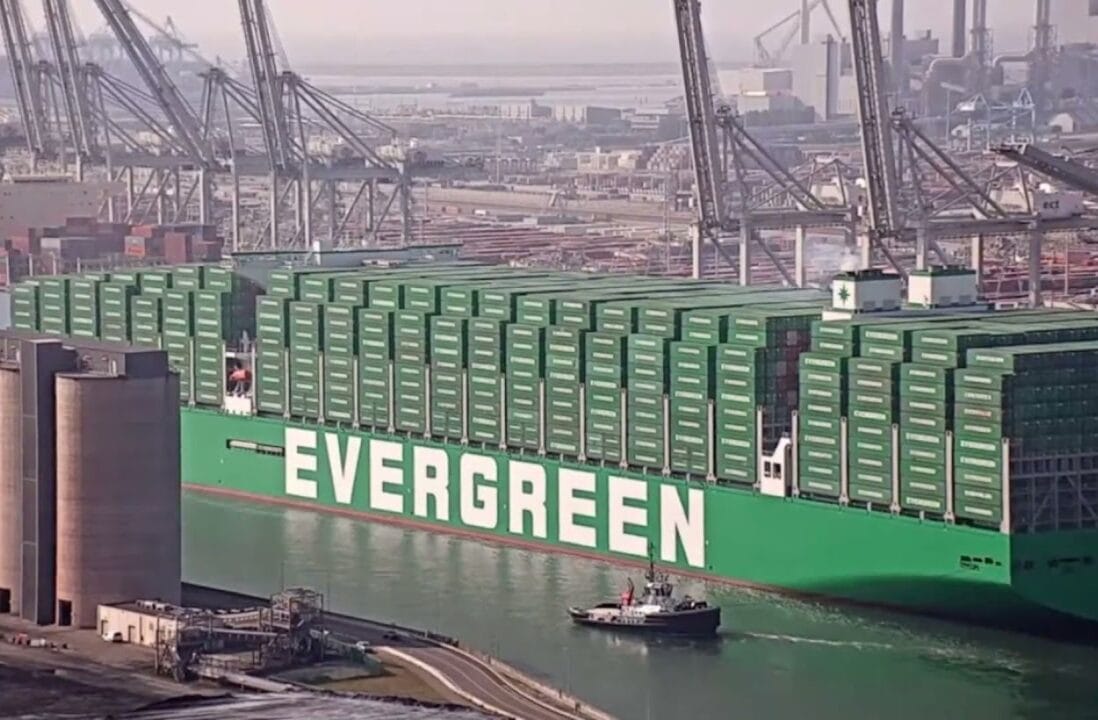
Technical And Economic Barriers That Limit The Growth Of Container Ships, Highlighting The Interaction Between Naval Engineering Capacity And Port Infrastructure Constraints, Maneuverability, And Economic Viability.
In the race to build the largest container ships, the world witnesses a surprising technical and logistical halt. Despite advances in naval engineering, ships like the Ever Ace, measuring 399 meters in length, seem to have reached the threshold of maritime gigantism. But what really holds back the evolution of these sea colossi?
The limitations are diverse and complex. Firstly, global port infrastructure presents itself as one of the main obstacles. Ports and canals, such as those in Suez and Panama, have size restrictions that cannot accommodate larger vessels without costly and extensive renovations. Additionally, the need for taller cranes and extremely careful maneuvers to avoid grounding adds more layers to the problem.
Shipbuilding
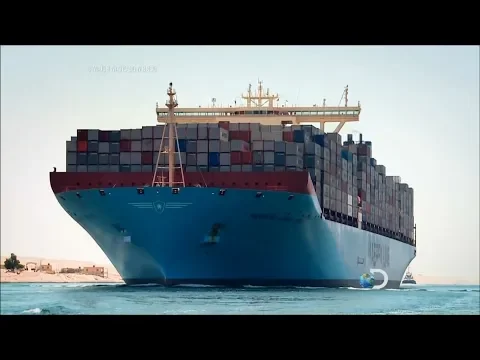

Naval engineering has advanced significantly, allowing the construction of ships that challenge the limits of physics, with capacities that already exceed 21,000 TEUs. However, the growth of these giants is halted not only by engineering or physics but by economic and operational demands.
-
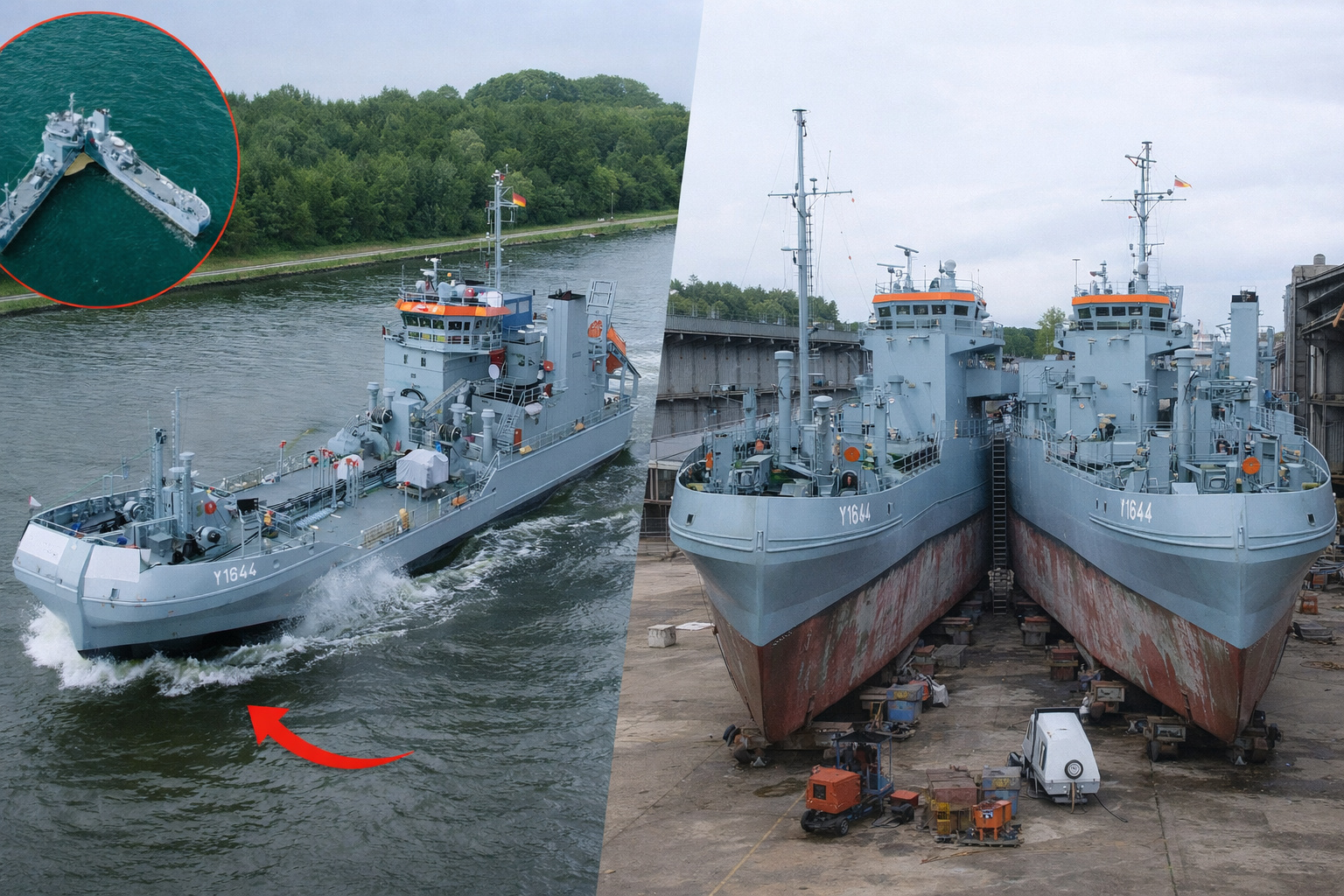
The German ship Bottsand splits its hull in two halves in the middle of the ocean to swallow spilled oil on the surface, separating the oil from the water inside a 790 cubic meter tank and then closing again. It is the only ship in the world factory-designed to split in half as part of normal operations, and the crew of six people who operate everything is civilian.
-
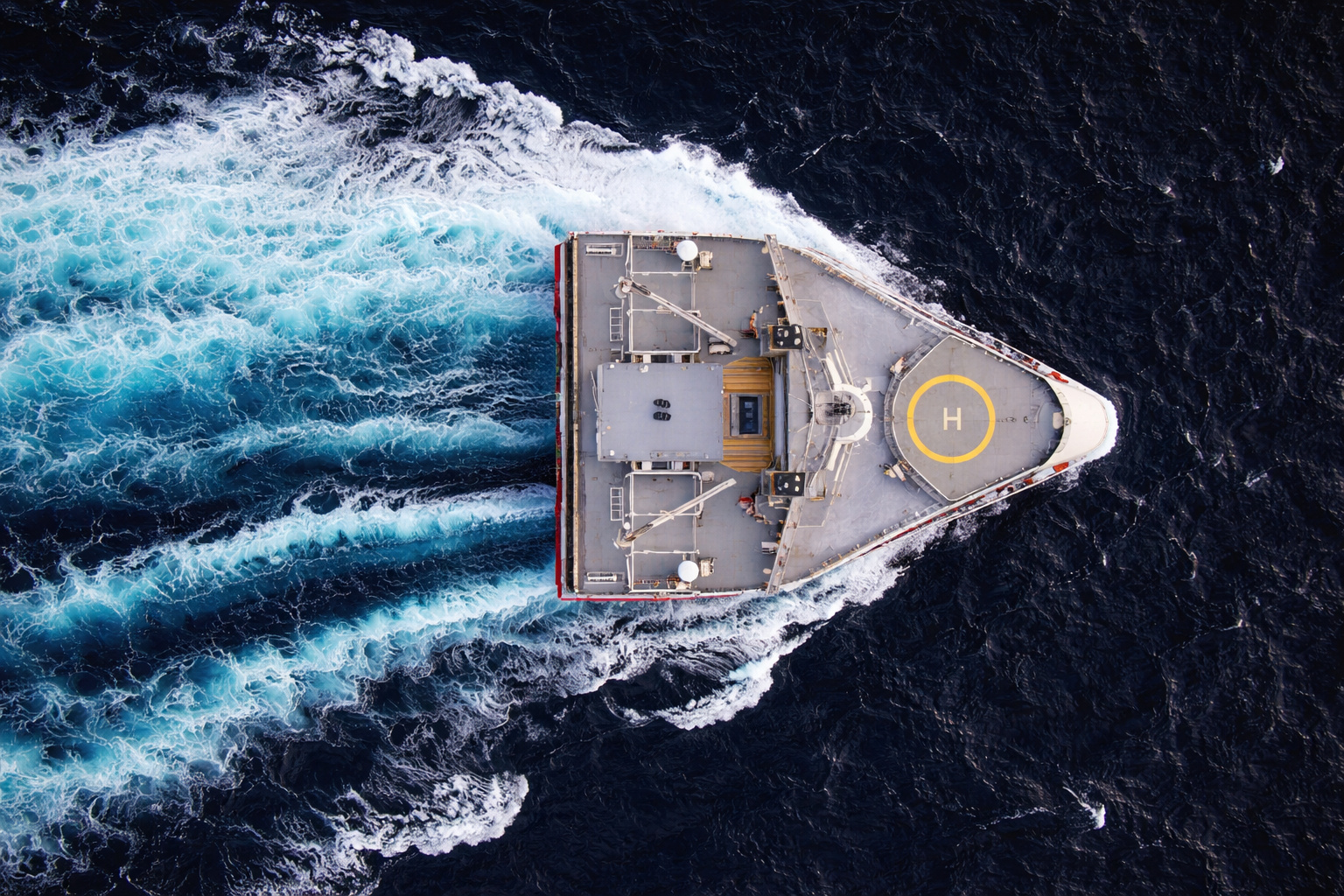
With almost 70 meters in width at the stern and a shape resembling a “giant slice of cheese,” the Ramform Titan tows up to 24 seismic cables to sweep the ocean floor in 3D and reveal oil reserves hidden beneath kilometers of sediment.
-
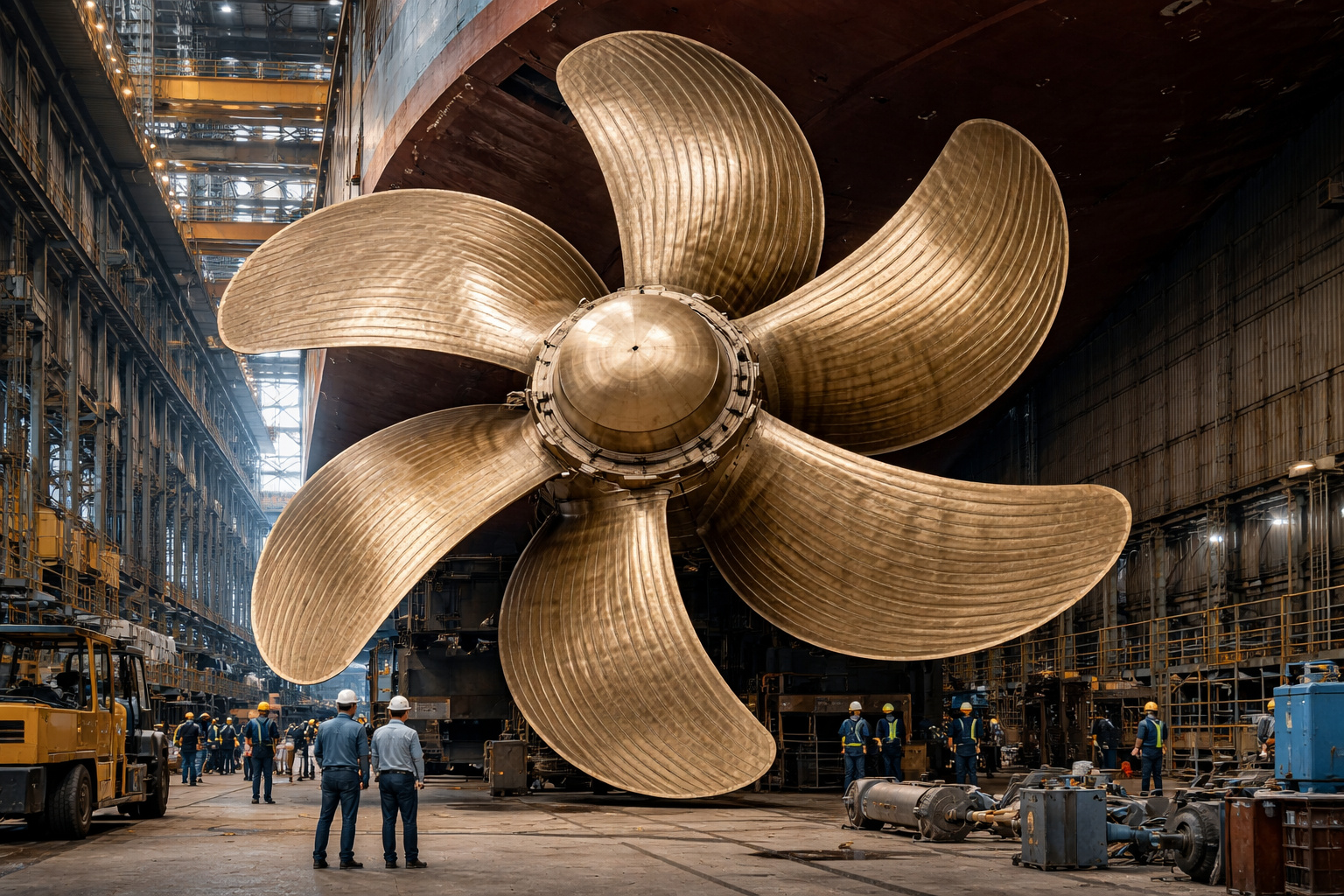
How a 131-ton, 11-meter propeller supports 90% of global trade and transforms the largest container ships on the planet.
-
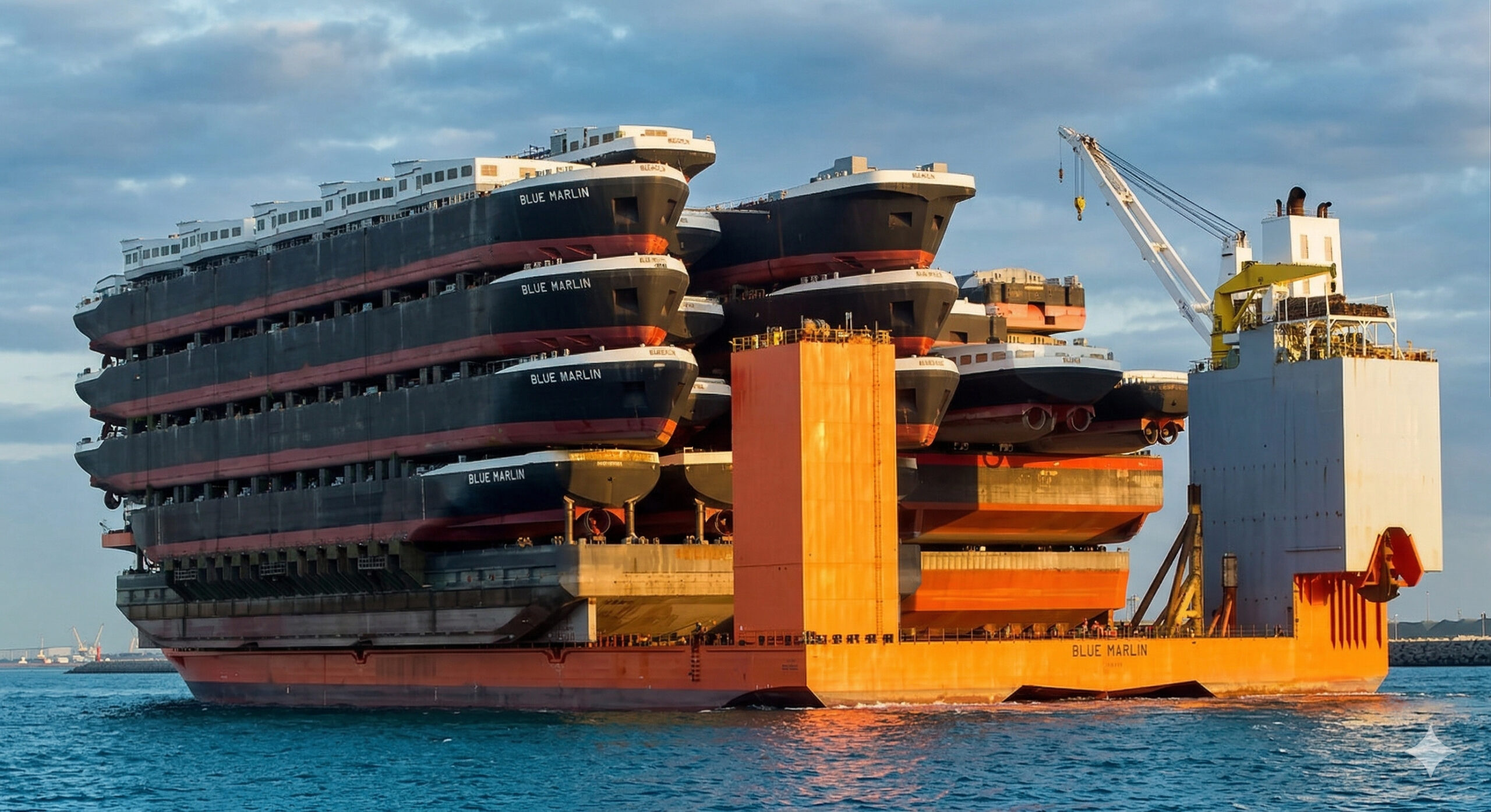
With a length of 225 meters and a capacity of 76 thousand tons, this ship “sinks” its own deck down to 28 meters deep to accommodate war destroyers, oil platforms, and giant radars floating above, and then emerges with everything intact on top like a colossal tray crossing oceans.
Economically, larger ships entail higher operational costs, primarily due to fuel consumption. These factors, combined with physical and navigational restrictions, such as vulnerability to adverse weather conditions, limit the feasibility of further increasing the size of these vessels.
Safety Is Another Crucial Aspect
The phenomenon of parametric rolling, where ships sway dangerously in high waves, and the limited ability to secure containers represent significant risks for larger vessels.
While naval engineering has the capacity to create even larger ships, it is the economic, logistical, and safety factors that impose the current limits. Therefore, the future of these giant ships will depend not only on technological innovations but also on a global restructuring of infrastructure and maritime navigation practices.
About The Ever Ace Ship
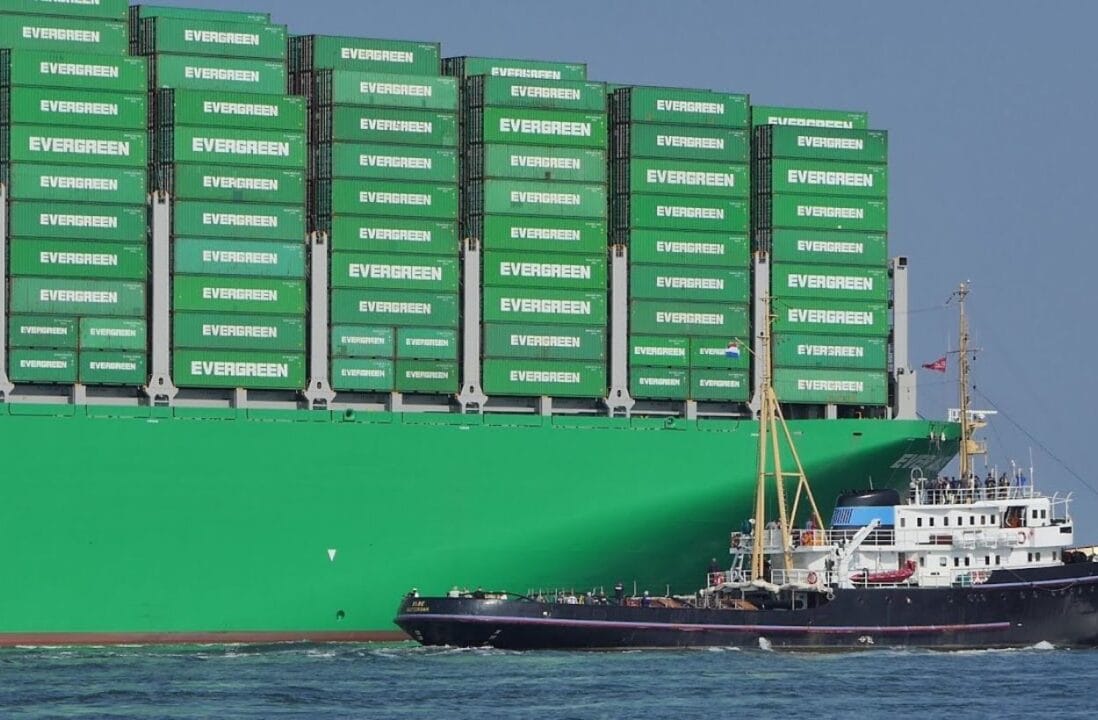
The Ever Ace symbolizes a milestone in the maritime industry, built by the renowned Samsung Heavy Industries in South Korea. Delivered in July 2021, this ship was designed to meet the growing demand for efficiency and capacity in global maritime transport. With a capacity of nearly 24,000 TEUs, it represents the forefront of naval engineering, specifically designed to maximize efficiency in transporting a wide range of goods.
Evergreen Marine, the operator of the Ever Ace, commissioned this vessel as part of a strategy to strengthen its presence on European routes, particularly within the Ocean Alliance, which is a collaboration among some of the largest shipping companies in the world. This alliance plays a vital role in optimizing trade routes, especially those connecting Asia to Europe, regions that represent a significant hub of global trade.
Evergreen At The Forefront Of The Maritime Industry
The Ever Ace and its sister ships are essential for increasing container transport capacity, responding to the increase in global trade volume. The construction and operation of ships of this size are not just made to meet current demand but also to anticipate future market needs, keeping Evergreen at the forefront of the global maritime industry.
Through the operation of the Ever Ace, Evergreen not only strengthens its logistical capacity but also contributes to the development of world-class port infrastructure, such as that in the port of Qingdao. This reflects a larger trend within the maritime sector to constantly evolve to meet the growing demands for efficiency, capacity, and sustainability in the global container transport landscape.






Seja o primeiro a reagir!