





 Portuguese
  English
  Spanish
  5 min of reading
  1 comment


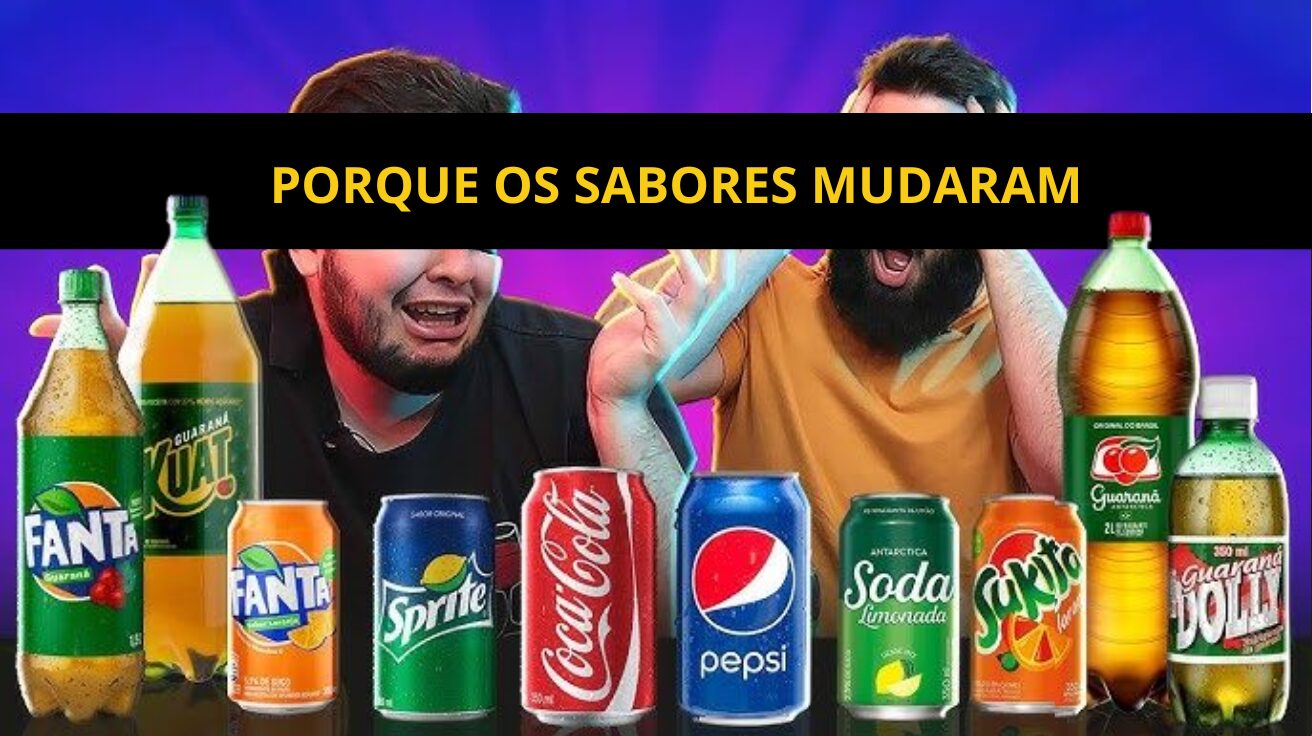


Many People Claim That Sodas Like Coca-Cola and Guaraná Have Changed in Taste Over the Years, and There Are Technical, Economic, and Emotional Reasons That Explain This Silent Transformation in the Formulas That Marked the Childhood of Millions of Brazilians.
From changes in ingredients to the use of sweeteners and regional variations, understand what may have happened to the soda of your childhood
Have you ever felt that the soda you drank in your childhood no longer tastes the same?
Whether it’s Coca-Cola, Fanta, Guaraná Antarctica, or Dolly, many Brazilians share this nostalgic impression.
-
The Argentine government celebrates the lowest poverty rate in 7 years, but experts warn that the methodology has changed, real wages have fallen, unemployment has risen, and the number of people on the streets of Buenos Aires has increased by 57% since Milei took office.

-
7.8 magnitude earthquake in Indonesia frightens the population, triggers tsunami alert, and hits an island with over 200,000 inhabitants this Thursday.

-
Google will finally let you change that embarrassing Gmail address you created in your teenage years without losing any accounts, logins, or old emails: the feature is already available in the United States.

-
Heading to Brazil in a Bonanza F33 single-engine aircraft: a couple departs from Florida on a visual flight, makes technical stops in the Caribbean to refuel and organize paperwork, and begins the staged crossing until they reach the country.


For some, the flavor has become “weaker”; for others, the fizz seems to have decreased or the “sweetness” is not the same. But has the taste of sodas really changed — or is the fault of our emotional memory?
The answer involves a mix of factors: real changes in the formula, adaptations to the market, health legislation, and even human taste, which changes over time.

The Formulas Have Changed, Yes — And More Than Once
The major soda brands have altered their formulas numerous times over the decades. And this is not exactly a secret.
With increasing pressure for products with less sugar and a focus on health, the industry has started adapting its recipes to meet new legislation and consumer preferences.
A notable example is the reduction of sugar in many sodas, replaced by sweeteners like sucralose, acesulfame-K, and stevia.
This directly affects the taste, as sweeteners have different taste profiles compared to regular sugar. Even in products that do not declare “zero sugar,” there may be the use of hybrid combinations to maintain sweetness with fewer calories.
Additionally, the quality and source of water, the dosage of gas (carbonation), preservatives, and flavorings have all undergone adjustments over the years — some for regulatory compliance and others for economic decisions.
Legislation Also Influenced the Flavor
In the last 20 years, Anvisa (National Health Surveillance Agency) has required more transparency in labeling and limited the use of certain ingredients deemed harmful to health.
Artificial flavorings, dyes, and excess sugars have come to be regulated more strictly, particularly after growing concerns about obesity, diabetes, and metabolic diseases.
In some countries, such as Mexico and Chile, laws require warning labels and tax very sugary drinks.
Brazil is also heading towards similar measures. The industry, for its part, has sought to anticipate these demands by reformulating its products to avoid penalties and maintain competitiveness.

Economic and Logistical Factors Also Influence
A little-known detail for the general public is that the flavor of a soda can vary from factory to factory, even within the same country.
This happens because the major brands have bottling centers scattered across different regions, which may use local ingredients, waters with distinct characteristics, and even slightly different calibrations in the machines.
Additionally, in times of high inflation, rising logistical costs, and fluctuations in raw material prices, companies often seek cheaper production alternatives.
This may involve changing suppliers, using simpler essences, or altering the carbonation process — all of which affect the final flavor.
The Palette Also Changes Over Time
Another factor often overlooked is that our own palate changes over the years. Science shows that the perception of flavors alters with age, especially regarding sweetness and bitterness.
Children and adolescents tend to prefer sweeter and more intense flavors, while adults become more critical of sweetness and additives.
Therefore, it is possible that today’s soda is very similar to that of 1990 — but our bodies are not.
Furthermore, there is an emotional and psychological factor involved. The taste of childhood is associated with happy moments, vacations, parties, and family gatherings.
When you drink a soda today without that context, it’s natural that it seems different — even if the formula hasn’t changed that much.
Has Coca-Cola Really Changed?
Yes, but not always in the way consumers imagine. Coca-Cola has undergone small formula changes in various countries.
The most controversial happened in 1985, in the United States, with the so-called “New Coke,” which was rejected by the public and quickly withdrawn from circulation.
In Brazil, the changes have been more discreet, usually linked to sugar reduction and ingredient adjustment.
In recent years, Coca-Cola Brazil announced a reduction of up to 50% of sugar in some lines, including the traditional Coca-Cola.
Although the company does not disclose the exact recipe, experts assure that such alterations directly impact the final taste — and this may be what many consumers feel when comparing today’s beverage with that of decades past.

The Case of Guaraná Antarctica and Fanta
Both Guaraná Antarctica and Fanta have also undergone reformulations.
In the case of Guaraná, the main change involved the source and concentration of guaraná extract, which directly affects the more “herbal” flavor of the beverage.
Fanta Orange, which was extremely sweet in the 1990s, had adjustments made to reduce sugar and include natural flavorings, especially in the European and Brazilian markets.
And the Regional Sodas?
Sodas like Jesus (in Maranhão), Fruki (in the South), or Mineirinho (in Minas) still preserve traditional formulas in some versions, but even these brands have undergone modernization.
The global trend of “clean label” — products with more natural and less industrialized ingredients — is also beginning to influence smaller manufacturers.

After All, Is It Nostalgia or Reality?
The feeling that soda has changed is real, but it is not just a nostalgic impression. Formulas have been adapted, ingredients replaced, legislation modified, and even people’s tastes have evolved.
The soda of your childhood was likely different, yes — but you were also. And this explains why the first Coca-Cola you had after a game on the street may never be surpassed by any current bottle.
And you, do you also feel that the soda of your childhood had a different taste? What was your favorite and why did it mark your memory so much?








Eu sempre gostei da Pepsi, e bebo até os dias de hoje, é pra mim mudou pra melhor…